Disclosure: topratedkitchenware.com is reader-supported. When you buy through links on our site, we may earn an affiliate commission from Amazon and other retailers, at no extra cost to you.
Where to buy
The best mixers for huckleberry vodka are proper tonics, because huckleberry vodka is a berry with a backbone and a good tonic is bitter enough to frame the fruit and sparkling enough to lift it. All six picks below are Fever-Tree tonics in different formats and flavor directions — each name links to its Amazon listing so you can check the latest price on Amazon.
- Fever-Tree Tonic Water, 24-Pack Cans — real-quinine tonic in 5.1 fl oz cans, the single-serve standard. Check on Amazon
- Fever-Tree Light Tonic Water, 24-Pack Cans — the lighter can, with a hint of Mexican bitter orange.
- Fever-Tree Tonic Water, 24-Pack Bottles — the same tonic in 6.8 fl oz glass bottles.
- Fever-Tree Premium Indian Tonic Water, 8-Pack — 16.9 fl oz bottles with no artificial sweeteners, flavourings, or preservatives.
- Fever-Tree Mediterranean Tonic, 24-Pack Bottles — a herbaceous tonic with rosemary oils and African quinine.
- Fever-Tree Light Tonic Water, 8-Pack Cans — the light tonic in a smaller trial-size pack.
Read the full guide ↓ for the berry-and-bitter logic, the can-versus-bottle decision, and how to garnish a drink that already tastes like a mountain summer.
Finding the best mixers for huckleberry vodka starts with understanding what the spirit actually is: a vodka infused with huckleberries, the small, intense, wild-tasting berries of the northern Rockies, somewhere between a blueberry and a blackcurrant in flavor, with a perfume no other berry quite copies. It is a regional treasure — Idaho and Montana distillers made it famous — and it is usually sweetened lightly, which means it arrives in the glass as fruit first and vodka second. A mixer for it has to do a delicate job: add bitterness and bubbles so the berry tastes like fruit rather than jam, without bulldozing the wild flavor that makes the spirit worth buying. Tonic water, built on quinine’s clean bitterness, is the classic answer, and the six Fever-Tree tonics below are the versions of that answer worth choosing between — the same brand, deliberately, because once the category is settled, the real decisions are format, weight, and flavor direction, and a single range lets those decisions show clearly. If your shelf also holds the unflavored infusions and experiments covered in Best Mixers For Infused Vodkas, the framework here — bitter frames fruit — is the one to carry over.
Key Takeaways
- Tonic is the mixer for huckleberry vodka because quinine bitterness keeps the berry tasting like fruit instead of candy.
- The 24-pack of 5.1 fl oz cans is the best overall format: one can is one drink, opened fresh and fully sparkling every time.
- Light tonic lets the huckleberry lead; Mediterranean tonic, with its rosemary note, turns the drink in a savory, alpine direction.
- Glass-bottle formats suit the table and slow evenings; the big 16.9 fl oz bottles suit tonic loyalists who drink it all week.
- Build the drink tall over full ice, one measure of vodka to a full can or bottle pour of tonic, with a gentle single stir.
- Garnish with restraint — a lemon twist or a few berries — because the spirit already brings the aroma.
- Chill everything: the tonic, the glass if you can, and plenty of ice. In a drink with two ingredients, temperature and carbonation are not details — they are half the recipe, and they are entirely within your control every single time you build the drink.
In this guide
Quick Picks
| Pick | Badge | Format (from listing) | Why it works with huckleberry vodka |
|---|---|---|---|
| Fever-Tree Tonic Water Cans | Best Overall | 24 pack, 5.1 fl oz cans | Real quinine and subtle citrus frame the berry in a perfect single serve. |
| Fever-Tree Light Tonic Cans | Best Light Serve | 24 pack, 5.1 fl oz cans | A leaner tonic with bitter orange notes; the berry stays in charge. |
| Fever-Tree Tonic Water Bottles | Best for the Table | 24 pack, 6.8 fl oz bottles | Glass bottles pour a slightly longer drink and look right at dinner. |
| Fever-Tree Premium Indian Tonic | Best Premium Bottle | 16.9 fl oz, pack of 8 | No artificial sweeteners, flavourings, or preservatives, in a shareable size. |
| Fever-Tree Mediterranean Tonic | Best Herbal Twist | 24 pack, 6.8 fl oz bottles | Rosemary oils and African quinine pull the berry toward a savory alpine profile. |
| Fever-Tree Light Tonic, 8-Pack | Best Trial Pack | 8 pack, 5.07 fl oz cans | The light tonic in a small pack, for testing the direction before committing. |
How These Picks Were Chosen
This is a research-led guide. The verified pick pool for this keyword settled the category question — tonic, in six Fever-Tree expressions — and our work was to read the listings closely enough to make the differences between them honest and useful. That meant comparing what each listing actually states: quinine sourcing language, calorie notes, flavor additions like rosemary oils or Mexican bitter orange, the presence or absence of artificial sweeteners and preservatives, and, most practically, format — can or bottle, single-serve or multi-serve, pack of 8 or pack of 24.
Those details are not trivia for this spirit. A huckleberry vodka and tonic is a two-ingredient drink; there is nowhere for a weak mixer to hide, and format decides freshness, because tonic’s carbonation is its life and it starts dying the moment a bottle opens. We therefore weighted single-serve formats highly, treated the light versions as a distinct flavor decision rather than a diet footnote, and read the Mediterranean bottle as what its listing says it is — a deliberately herbaceous variant — rather than as a generic premium tier. Specs below come only from the listings. Where the six bottles genuinely overlap, the reviews say so and point you to the deciding factor instead of inventing a difference.
The 6 Best Mixers for Huckleberry Vodka

Fever-Tree Tonic Water Mixer, 24-Pack Cans
Badge: Best Overall
Strengths
- Real quinine with subtle citrus and fruit notes, per the listing — the classic frame for a berry spirit.
- The 5.1 fl oz can is exactly one highball: no flat leftovers, no measuring the mixer.
- A 24-pack means a full season of drinks with zero freshness anxiety.
Trade-offs
- Full-strength tonic is the most assertive partner here; berry-first drinkers may prefer the light version.
- Twenty-four cans need real pantry space.
- Cans are single-serve by design — a pitcher serve needs several, opened at once.
Mini spec box
- Format: 24 pack of 5.1 fl oz cans
- Key note from listing: real quinine; subtle citrus and fruit notes
- Listing pairing: gin and tonic or vodka and tonic
- Type: Carbonated tonic mixer
This is the reference drink: huckleberry vodka over a tall glass of ice, one full can of tonic poured gently down the side, one stir, nothing else required. The quinine’s bitterness arrives first and does the essential work — it trims the berry’s sweetness so the fruit tastes wild rather than candied — and then the huckleberry blooms in the middle of the drink exactly as it should. The listing’s “subtle citrus and fruit notes” are pitched at the right level for this spirit: present enough to lift, quiet enough not to compete with a berry that has plenty of personality of its own. The can format seals the recommendation. Tonic is a carbonation product, and a can is the only format that guarantees the twenty-fourth drink fizzes like the first; for a household that makes this drink a few times a week, that consistency is worth more than any flavor nuance on this list. It suits regular drinkers, hosts who want a no-thought-required house serve, and anyone whose huckleberry bottle comes out often. The honest limitation is assertiveness: full tonic is a strong flavor partner, and if your love of this spirit is really about the berry alone, the light version below will frame it more gently.
Best for: the classic, reliable huckleberry and tonic, all season / Not suited for: drinkers who want the berry completely unframed

Fever-Tree Light Tonic Water Mixer, 24-Pack Cans
Badge: Best Light Serve
Strengths
- The listing notes 30 calories per can — the leanest full serve in this guide.
- A hint of Mexican bitter orange, per the listing, adds a citrus edge that loves berry fruit.
- Balanced botanicals keep it tasting like tonic, not like a compromise.
Trade-offs
- A lighter frame means the vodka’s quality shows — there is nowhere for a rough spirit to hide.
- Same 24-can storage commitment as the original.
- Drinkers who love tonic’s full bitterness may find it a half-step gentle.
Mini spec box
- Format: 24 pack of 5.1 fl oz cans
- Listing note: 30 calories per can; hint of Mexican bitter orange
- Profile: light tonic, smooth and crisp per the listing
- Type: Carbonated tonic mixer
If the original tonic is the frame, the light version is a thinner frame in a lighter wood — and for a spirit as aromatic as huckleberry vodka, many drinkers will prefer it. The bitterness is still present and still does the anti-candy work, but it steps back sooner, letting the berry’s wild, almost piney perfume run the middle of the drink. The bitter orange note named in the listing is a genuinely happy pairing here: citrus and berry are natural allies, and the orange’s gentle bitterness bridges the quinine and the fruit so the drink tastes designed rather than assembled. The calorie note matters to some households and is honestly stated in the listing; we would recommend this can on flavor grounds even if it did not exist. It suits berry-first drinkers, long-afternoon session serves, and anyone who found the original tonic slightly too loud for this spirit. The limitation is exposure: a lean mixer over a mediocre vodka produces a mediocre drink with nowhere to hide, so pour the huckleberry bottle you actually enjoy — which, given the spirit’s regional charm, you probably already do.
Best for: berry-forward, lighter highballs / Not suited for: drinkers who want maximum quinine bite

Fever-Tree Tonic Water Mixer, 24-Pack Bottles
Badge: Best for the Table
Strengths
- The same real-quinine tonic in 6.8 fl oz glass bottles — a slightly longer drink per serve.
- Glass bottles pour and present better at a dinner table than cans.
- Single-serve bottles keep the freshness guarantee of the cans.
Trade-offs
- Glass is heavier, breakable, and less picnic-friendly than cans.
- The larger 6.8 fl oz serve makes a longer, more diluted drink — a taste decision, not just a format one.
- A 24-pack of bottles is the bulkiest storage option here.
Mini spec box
- Format: 24 pack of 6.8 fl oz bottles
- Key note from listing: real quinine; subtle citrus and fruit notes
- Listing pairing: gin and tonic or vodka and tonic
- Type: Carbonated tonic mixer
Functionally this is the best overall pick in glass, and the differences are about occasion rather than quality. The 6.8 fl oz bottle pours a somewhat longer drink than the 5.1 fl oz can, which suits a dinner serve — the huckleberry and tonic as something to sit with through a meal rather than a quick highball — and the bottle itself looks right on a table in a way a can never quite does. The flavor brief is the same real-quinine, subtle-citrus profile, so the berry framing is identical; what changes is ritual and dilution. It suits hosts who serve at the table, drinkers who prefer a longer, gentler glass, and anyone who simply enjoys the small ceremony of a bottle. The honest limitations are practical: glass breaks, weighs more in a cooler, and takes the most shelf space of any pick here, and the longer serve dilutes the berry a touch more, which berry-purists should weigh. For a picnic or a boat, take the cans; for the dining room, take these.
Best for: dinner-table serves and longer, gentler drinks / Not suited for: coolers, picnics, and tight shelves

Fever-Tree Premium Indian Tonic Water, 8-Pack
Badge: Best Premium Bottle
Strengths
- No artificial sweeteners, flavourings, or preservatives, stated plainly in the listing.
- The 16.9 fl oz bottle is a shareable, evening-sized format — roughly three highballs.
- The classic Indian tonic profile is the most traditional quinine expression here.
Trade-offs
- A multi-serve bottle loses carbonation across an evening and into the next day — finish it the night you open it.
- Eight large bottles is a commitment to one flavor direction.
- Premium positioning within the range, in qualitative tier terms.
Mini spec box
- Format: 16.9 fl oz bottles, pack of 8
- Listing note: no artificial sweeteners, flavourings, or preservatives
- Profile: Premium Indian tonic water
- Type: Carbonated tonic mixer
This is the bottle for the household where tonic is not a mixer but a staple — the fridge-door regular that serves two or three drinkers across an evening. Its listing leads with what it leaves out: no artificial sweeteners, flavourings, or preservatives, which for a two-ingredient drink is a meaningful promise, because there is nothing else in the glass to carry the flavor. The Indian tonic profile is the traditional one — clean quinine bitterness, gently citrus — and with huckleberry vodka it produces the most grown-up version of the drink in this guide, the one to pour for a guest who thinks flavored vodka is a sweet gimmick and needs converting. The 16.9 fl oz format is the trade: it is an evening bottle, meant to be opened and finished by a small group, because a half-finished large tonic bottle is tomorrow’s flat disappointment. It suits multi-drinker households, traditionalists, and ingredient-list readers. Buy it for the nights when the bottle will empty, and let the cans serve the solo evenings.
Best for: shared evenings and ingredient-conscious tonic loyalists / Not suited for: solo drinkers who open a bottle for one glass
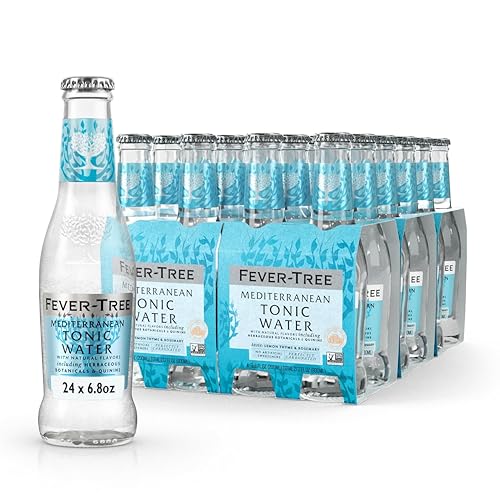
Fever-Tree Mediterranean Tonic Mixer, 24-Pack Bottles
Badge: Best Herbal Twist
Strengths
- Essential oils of rosemary combined with African quinine, per the listing — a deliberately herbaceous, refreshing profile.
- Rosemary and wild berry is a genuinely alpine pairing that suits this spirit’s mountain origins.
- The 6.8 fl oz single-serve bottles keep every pour fresh.
Trade-offs
- The herbal direction is a real departure — drinkers wanting the classic drink should stay with the original tonic.
- A savory edge makes it a poor match for anyone who wants a purely fruity glass.
- Glass bottle format: heavier and breakable, like its sibling above.
Mini spec box
- Format: 24 pack of 6.8 fl oz bottles
- Key notes from listing: rosemary essential oils; African quinine; subtly herbaceous
- Profile: Mediterranean tonic
- Type: Carbonated tonic mixer
This is the interesting bottle. Huckleberries grow in high, piney country, and a tonic built on rosemary oils tastes like it understands the assignment: the herbal note wraps around the berry and pulls the whole drink toward the mountains — savory, resinous, refreshing — in a way no other pick here attempts. It will not be everyone’s favorite, and it does not try to be; it is the bottle for the drinker who has made the classic version fifty times and wants the same spirit to surprise them again. Serve it with a sprig of rosemary or a lemon twist if you have either, over the usual tall ice, and let the first sip be strange on purpose. It suits adventurous drinkers, gin-and-tonic households whose shelves already lean botanical, and anyone serving this spirit alongside grilled or roasted food, where the herbal note earns its keep twice. The honest limitation is direction: if your ideal huckleberry drink is a clean berry highball, this bottle walks away from that ideal on purpose, and the classic cans are your pick instead. Whiskey drinkers curious about tonic’s savory side will find the same spirit of experiment in Best Mixers For Irish Whiskey, where ginger rather than herbs does the framing.
Best for: adventurous drinkers and food-paired serves / Not suited for: classic berry-highball purists

Fever-Tree Light Tonic Water Mixer, 8-Pack Cans
Badge: Best Trial Pack
Strengths
- The light tonic — 30 calories per serving with a touch of Mexican bitter orange, per the listing — in a low-commitment 8-pack.
- The right first purchase for anyone unsure whether the light direction suits them.
- Same single-serve freshness logic as the big can packs.
Trade-offs
- If the light direction wins you over, the 24-pack is the format you will graduate to.
- Eight cans disappear quickly in a two-drinker household.
- Otherwise identical in profile to its 24-pack sibling — the difference is commitment, not flavor.
Mini spec box
- Format: 8 pack of 5.07 fl oz cans
- Listing note: 30 calories per serving; touch of Mexican bitter orange
- Profile: light tonic, smooth and crisp per the listing
- Type: Carbonated tonic mixer
Every range needs an honest entry point, and this is it. The flavor is the light tonic reviewed above — lean quinine, bitter orange, balanced botanicals — but the pack is eight cans instead of twenty-four, which changes who should buy it: the curious. If you have never paired huckleberry vodka with a light tonic, this pack lets you run the experiment across a couple of weekends, in both the classic build and the garnish variations in the method section, without a case-sized commitment or a pantry reshuffle. It also suits small households, occasional drinkers, and anyone packing a cooler for a single trip who wants exactly enough. The limitation is purely arithmetic and we will state it plainly: this is the same tonic as the 24-pack light cans, so if you already know the light direction is yours, skip the trial and buy the case. If you do not know, this little pack is the cheapest education on the list — and it pairs happily with the honeyed bottles discussed in Best Mixers For Jack Daniels, where the same try-small-first logic applies to ginger ale.
Best for: first-time buyers testing the light direction / Not suited for: confirmed light-tonic households, who should buy the 24-pack
Comparison Table
| Pick | Badge | Size | Standout listing detail | Link |
|---|---|---|---|---|
| Fever-Tree Tonic Water Cans | Best Overall | 5.1 fl oz × 24 | Real quinine; subtle citrus and fruit notes | Check on Amazon |
| Fever-Tree Light Tonic Cans | Best Light Serve | 5.1 fl oz × 24 | 30 calories per can; Mexican bitter orange hint | Check on Amazon |
| Fever-Tree Tonic Water Bottles | Best for the Table | 6.8 fl oz × 24 | Glass bottle format of the classic tonic | Check on Amazon |
| Fever-Tree Premium Indian Tonic | Best Premium Bottle | 16.9 fl oz × 8 | No artificial sweeteners, flavourings, or preservatives | Check on Amazon |
| Fever-Tree Mediterranean Tonic | Best Herbal Twist | 6.8 fl oz × 24 | Rosemary oils with African quinine | Check on Amazon |
| Fever-Tree Light Tonic, 8-Pack | Best Trial Pack | 5.07 fl oz × 8 | Light tonic in a trial-size pack | Check on Amazon |
How to Choose Between Six Bottles of the Same Brand
When a shortlist is one brand in six formats, the choosing questions change — and get more honest. The first question is weight: do you want the tonic to co-star or to chaperone? The original tonics co-star, with full quinine presence; the light tonics chaperone, present but retiring, and for a berry spirit with this much perfume, chaperoning is often the wiser choice. The second question is flavor direction: classic citrus-quinine, or the Mediterranean bottle’s deliberate rosemary turn. That one is pure taste, and the trial-pack logic applies — try the herbal direction in a small commitment before you case it.
A note on pace, because it quietly decides more purchases than flavor does. Count how often the huckleberry bottle honestly comes off your shelf. If it is a weekly ritual, case formats are your friend and the per-drink convenience of cans will spoil you for anything else. If it is a monthly pleasure — a bottle bought on a trip, opened for occasions — then the trial pack and the small bottles are the intelligent formats, because a case of anything bought for a monthly drink is a case that gathers dust and, in the large-bottle format, goes flat between uses. Neither pattern is better; they are simply different households, and the range’s spread from 8-pack to 24-pack exists because Fever-Tree knows both of them are out there. Buy for the household you have, and every format in this guide performs as promised.
The third question is format, and it is really a question about your drinking pattern. Single-serve cans and small bottles protect carbonation perfectly and suit any pace of drinking; the large 16.9 fl oz bottles suit shared evenings and punish solo ones. Glass suits the table; cans suit everywhere else. The fourth question is ingredient policy: if artificial sweeteners, flavourings, and preservatives are lines you shop by, the Premium Indian bottle states its position in its title, and that clarity is worth honoring. Notice what is not a question: quality tier within the range is not the decision, because all six bottles are built to the same house standard — the decision is fit, and fit is personal in a way a ranking cannot settle for you. If your bar also stocks the kitchen side of the word “mixer,” that is a different aisle entirely — see Best Mixers For Icing for the machines that whip frosting, which share nothing with these bottles but a noun.
How to Build a Huckleberry and Tonic
- Chill the tonic thoroughly. Carbonation survives in cold liquid and escapes from warm; a warm can over ice spends its fizz chilling itself.
- Fill a tall glass completely with ice. The drink is mostly tonic and temperature; skimping on ice shortens both.
- Add one measure of huckleberry vodka over the ice. Measure it — berry vodka is easy to over-pour because it tastes gentle.
- Pour the tonic gently down the side of the glass — a full can or small bottle — to keep the bubbles in the drink instead of in the air.
- Stir once, briefly, just enough to marry spirit and tonic without beating the carbonation out of it.
- Garnish with restraint: a lemon twist expressed over the glass, or a few fresh or frozen berries dropped in. The spirit brings the aroma; the garnish is punctuation, not a sentence.
Troubleshooting
Problem: the drink tastes like berry candy → the tonic was warm or under-poured; rebuild with a chilled full can and a full glass of ice, and consider the original tonic’s stronger bitterness.
Problem: the drink tastes flat and dull → carbonation died somewhere: the tonic sat open, the pour was aggressive, or the stir was enthusiastic. Open fresh, pour gently, stir once.
Problem: the berry has vanished → the tonic is shouting; switch to the light version, or pour the vodka measure a touch more generously and the tonic a touch shorter.
The Huckleberry Itself: Why This Spirit Rewards Gentle Mixing
It is also worth knowing that huckleberry vodka varies more between producers than most flavored vodkas do. Because the fruit is wild and regional, one distiller’s bottle may be deeply colored and assertively fruity while another’s is paler and drier, and the right tonic weight shifts with the bottle: assertive, sweeter bottlings want the original tonic’s full bitterness, while the drier, paler styles are flattered by the light tonic’s gentler frame. If you change producers, revisit the pairing before you conclude the spirit disappoints you — in a two-ingredient drink, a mismatch is a pairing error, not a product verdict, and the fix is usually one shelf over.
A short word about the berry, because it explains every recommendation in this guide. Huckleberries are mostly wild-gathered rather than farmed, small, seedy, and intensely flavored — closer to a wild blueberry crossed with blackcurrant than to the plump cultivated berries in a supermarket punnet. Distillers in the northern Rockies built a regional spirit on them precisely because that intensity survives infusion: a huckleberry vodka actually tastes like the place it comes from. That intensity is also fragile in one specific way — it reads as jam the moment sweetness stacks on it, which is why sugary mixers fail this spirit and bitter, sparkling ones flatter it. Treat the bottle as a regional specialty rather than a generic flavored vodka, serve it cold and tall, and it will taste like the mountains in a way no other shelf bottle quite manages. The fire-named whiskey shelf takes the opposite pairing route — sweetness answered with ginger’s heat — in Best Mixers For Jack Daniels Fire, a useful contrast in how different spirits ask different things of a mixer.
Beyond Tonic: The Alternatives, Honestly Assessed
Readers sometimes ask why this guide is all tonic — is that really the only answer for a berry vodka? It is not the only answer, but it is the best one, and the alternatives explain why. Soda water is the neutral option: bubbles and dilution with no bitterness at all. It makes a clean, light drink, but without quinine’s counterweight the berry drifts toward sweetness as the ice melts, and by mid-glass the drink tastes thinner rather than fresher. Lemonade is the crowd-pleasing option, and berry plus lemon is a fine flavor idea — but most bottled lemonades are sweet enough to push the spirit into cordial territory, producing a drink that pleases once and cloys twice. Ginger ale brings spice that genuinely suits berry fruit, yet its sweetness needs managing and its flavor is assertive enough to compete with a delicate wild berry rather than frame it.
Tonic wins because it is the only common mixer that brings both of the things this spirit needs — bitterness and bubbles — in a single pour, at a sweetness level low enough to leave the berry in charge. That is also why the six picks are one brand’s range rather than six brands: once the category logic is this clear, the interesting differences are the ones this guide compares — weight, herbal direction, format, and ingredient policy. If you keep a mixed shelf, the ginger direction has its own spirit where it is unambiguously first choice, and it is a whiskey: the pairing logic is laid out in the ginger-led guides elsewhere in this series, where spice rather than bitterness does the framing work.
Serving Huckleberry Vodka Through the Year
This spirit is a summer drink by reputation, and the classic tall tonic serve deserves that reputation — it is cold, sparkling, and tastes like high country in July. But the bottle earns a longer season than it usually gets. In spring, the light tonic version with a lemon twist is the first garden drink of the year, delicate enough not to bully the season. In high summer, serve the original tonic at its coldest, consider a frozen berry or two dropped in as both garnish and slow flavor, and keep the pours tall; this is the drink’s home ground and it needs no improvement. Autumn is the Mediterranean bottle’s moment: the rosemary note that tastes merely interesting in July tastes inevitable in October, especially next to roasted food, and the drink turns from refreshment into accompaniment.
Winter asks the honest question — can a berry highball work cold-season? It can, as the bright counterpoint at a rich table: a small, strong huckleberry and tonic before a heavy meal cuts through the season’s food better than most aperitifs, and the berry reads as festive rather than summery when the glass is smaller and the tonic is the light one. What does not work is trying to warm this spirit into a toddy; heat flattens berry perfume and the drink loses its reason to exist. Keep the bottle for what it is, serve it cold in every season, and let other shelves handle the warm drinks.
Serving a Group Without Killing the Bubbles
Highballs are famously unfriendly to batching, because carbonation does not wait — but a huckleberry and tonic can still serve a group gracefully if you batch the right half of the drink. Pre-measure the vodka into a chilled pitcher with the lemon twists or berries you plan to garnish with, and refrigerate it. Keep the tonic cans or bottles unopened and cold. When guests arrive, the serve becomes an assembly line: ice in the glass, a measured pour of the vodka base, a freshly opened tonic poured gently over it, one stir, done. Each drink gets full carbonation, the host is not juicing or shaking anything to order, and the ratio stays identical from the first glass to the last — which is more than most made-to-order rounds can claim.
Two refinements separate a good group serve from a merely efficient one. First, chill the glasses if the evening allows it; a cold glass keeps a highball’s temperature and bubbles measurably longer, and with a drink this simple, temperature is half the recipe. Second, offer the two weights side by side — original tonic in one round, light in the next — because a table of drinkers will reliably split between them, and discovering which camp each guest falls into is half the fun of serving a spirit this distinctive. Set out the Mediterranean bottles for the adventurous third round, and the evening has a progression: classic, light, herbal. Three formats of one idea, and the bottle of huckleberry vodka gets to show everything it can do.
Reading a Tonic Label: Quinine, Botanicals, and Sweetness
Tonic labels reward the same thirty-second reading skill as any mixer: ingredients in order, claims checked for specificity. Quinine is the defining ingredient, and listings that say “real quinine” plainly — as these do — are telling you the bitterness comes from the source rather than from a flavor approximation. Botanicals and flavor additions come next, and they are where the range’s personalities live: bitter orange in the light cans, rosemary oils in the Mediterranean bottles, the cleaner citrus profile of the originals. None of these is decoration; in a two-ingredient drink each one is a third of the flavor, so choose the addition you would choose as an ingredient, not as an adjective.
Sweetness is the last line to read, and the most consequential for a fruit spirit. A tonic’s job is to be the least sweet thing in the glass; listings that disclose a calorie figure give you a rough sweetness proxy, and listings that state an absence — no artificial sweeteners, flavourings, or preservatives — tell you how the flavor was achieved. Put the three readings together and you can predict a bottle’s behavior with a berry vodka before you open it: real quinine for structure, a botanical you like for character, and a sweetness level low enough to chaperone rather than compete. That is the whole method of this guide, stated plainly enough to use in any store, on any brand, long after these six bottles are gone.
Common Buying Mistakes
- Reaching for a sweet mixer out of habit. Berry plus sugar equals jam; this spirit needs bitterness and bubbles.
- Buying the big bottles for solo drinking. A 16.9 fl oz tonic opened for one glass is flat by the second — cans exist to prevent exactly this.
- Pouring warm tonic. Half the drink is carbonation, and warm tonic surrenders it on contact with ice.
- Over-garnishing. The berry is the aroma; a fruit salad on the rim buries the very flavor you bought.
- Treating light tonic as a lesser tonic. For this spirit it is often the better frame, chosen on flavor, not on the calorie line.
- Stirring the fizz out. One gentle stir marries the drink; ten enthusiastic ones leave it still and sad.
Final Recommendation
Stock the Fever-Tree Tonic Water 24-pack cans as your default: the format is foolproof, the quinine frames the berry exactly as it should, and every drink pours like the first. If your palate leans berry-first, make the Light Tonic cans the default instead — or start with the 8-pack trial size if you are still deciding. Choose the glass bottles for the dinner table, the Premium Indian 16.9 fl oz bottles for shared evenings with ingredient-conscious friends, and the Mediterranean tonic when you want the drink to walk toward the mountains. Any of the six will treat a huckleberry vodka with respect; the best one is simply the one whose weight, format, and direction match the way your household actually drinks.
Frequently Asked Questions
Why tonic, specifically, for huckleberry vodka?
Because of the bitterness. Huckleberry vodka is fruit-forward and lightly sweet; quinine’s clean bitterness is the counterweight that keeps the berry tasting wild and fresh instead of jammy, and the carbonation lifts the aroma. Sweet mixers stack sugar on fruit and flatten exactly what makes the spirit special.
Should I choose the light tonic or the original?
Choose the original if you love tonic’s full presence and want a co-star; choose the light if the berry is the reason you bought the bottle and you want it framed gently. The light version’s bitter orange note is a genuine flavor asset with berry spirits, not merely a lighter formulation.
Cans or bottles — does it actually matter?
For freshness, no: both single-serve formats protect carbonation equally well. For occasion, yes: cans travel, chill fast, and suit casual serves; glass bottles pour a slightly larger drink and belong on a set table. The format to avoid for solo drinking is the large multi-serve bottle, whichever brand makes it.
What garnish suits a huckleberry and tonic?
Less than you think. A lemon twist expressed over the glass brightens the berry without adding flavor competition; a few fresh or frozen huckleberries or blueberries dropped in are beautiful and appropriate, and the frozen ones do double duty by keeping the drink cold as they thaw slowly into it. With the Mediterranean tonic, a small rosemary sprig echoes what is already in the bottle and turns a simple highball into something that looks considered.
Can I use these tonics with other spirits?
Constantly — tonic is the hardest-working mixer on any shelf, and a case bought for this one spirit will quietly serve half the bottles you own. It is the mixer that rescues a too-sweet liqueur, stretches a precious spirit into a long drink, and gives a non-drinker at the table a glass with genuine structure and bitterness instead of a juice box apology. The listings themselves name gin and vodka serves, the Mediterranean bottle is a natural with gin’s botanicals, and the light cans make a lean highball with almost anything clear. Buying a case for one spirit quietly stocks you for several.
What ratio of vodka to tonic should I use?
One measure of huckleberry vodka to a full single-serve can or small bottle of tonic is the house ratio, and it is conveniently self-measuring — the format does the math for you. If the drink tastes too strong on berry, lengthen it with a splash more tonic from a second can; if the berry feels shy, pour the vodka measure a little more generously next round rather than shorting the tonic, which would cost you the bubbles that make the drink.
Is huckleberry vodka very sweet?
Most bottlings are lightly sweetened — enough to present the berry as ripe rather than tart — which is precisely why this guide pairs it with bitter, sparkling mixers instead of sweet ones. If your bottle is a drier style, the original tonic still works beautifully; if it is one of the sweeter regional bottlings, the original tonic’s fuller bitterness is the safer frame, and the light version may let the sweetness show a little more than you want.
How should I store the cans and bottles?
Cans and unopened bottles keep in a cool pantry; chill them before serving, because cold tonic holds its carbonation in the glass far longer than a room-temperature pour ever manages to. Once a large bottle is opened, refrigerate it and plan to finish it the same evening — carbonation is the ingredient that leaves first.


