Disclosure: topratedkitchenware.com is reader-supported. When you buy through links on our site, we may earn an affiliate commission from Amazon and other retailers, at no extra cost to you.
Where to buy
These six verified mixers are the picks in this guide to the best mixers for jamewson. A word about the name first, because it is the honest place to start: “jamewson” is the misspelling that a great many people type when they mean Jameson, the triple-distilled Irish whiskey — the letters transposed in a hurry, the bottle unmistakable anyway. This guide is for that bottle, and it takes the highball angle on it. Where Jameson’s sour family gets full treatment under the correctly spelled name elsewhere on this site, the pool verified for this guide leans sparkling: four of the six picks are Fever-Tree tonic waters in different weights and formats, built on real quinine, and they make the Irish whiskey tonic — the long, bitter-framed, refreshing serve that a smooth whiskey wears beautifully. The remaining two picks, a classic lime mix and a strawberry mix, cover the sour family in its essential and its summer forms. Each name links to its Amazon listing, where you can check the latest price on Amazon and confirm the current format before ordering.
- Zing Zang Strawberry Margarita-Daiquiri Mix — Check on Amazon
- Master of Mixes Margarita Mix, 1 Litre Bottle
- Fever-Tree Tonic Water Mixer, 24 Pack Cans
- Fever-Tree Light Tonic Water Mixer, 24 Pack Cans
- Fever-Tree Tonic Water Mixer, 24 Pack Bottles
- Fever-Tree Premium Indian Tonic Water, Pack of 8
Read the full guide ↓ for how four tonics from one maker can genuinely differ, the highball method that keeps a gentle whiskey audible at length, and the two sour builds that complete the bottle’s repertoire.
Why does the best mixers for jamewson question deserve its own guide rather than a redirect and a shrug? Because the drinkers who type it are asking a real question in imperfect spelling, and the answer — at least in the form this verified pool gives it — has its own centre of gravity. The whiskey tonic is not the consolation serve for people without ginger ale; it is a distinct drink with a distinct pleasure, drier and more adult than the sweeter highballs, and Jameson’s smoothness makes it the best whiskey in the house for it. A spirit with edges would fight the quinine; Jameson exchanges with it — fruit and vanilla against bitterness and citrus — and the result is the most refreshing whiskey drink most households ever put on a table.
The four tonics are not padding, and the reviews treat their differences as the real decisions they are. The original tonic in small cans is the benchmark: real quinine, subtle citrus and fruit notes per its listing, single-serve sparkle. The light tonic in the same can format trims the drink’s weight, states its calories per can in its listing, and tilts toward Mexican bitter orange. The original tonic in glass bottles is the entertainer’s format of the same idea, in a larger serve. And the Premium Indian Tonic Water, in bigger bottles, is the flagship expression — the listing for it stresses the absence of artificial sweeteners, flavourings and preservatives — for the drinker who wants the highball at its most considered. Around them, the litre of classic lime mix makes the reference whiskey sour, and the strawberry mix makes its summer variation.
The craft sections cover highball construction in detail — ice fill, pour order, carbonation discipline, ratio by palate — plus the sour method for the two still mixes, storage for cans versus bottles, and the fixes for the three standard highball failures. If you arrived here mid-shop for a wider whiskey shelf, the bourbon highball is covered in Best Mixers For Jim Beam and the flavoured bourbon version in Best Mixers For Jim Beam Apple.
Key Takeaways
- “Jamewson” is Jameson with its letters transposed — this guide is for the Irish whiskey, taken from the highball angle.
- Four Fever-Tree tonics differ by weight and format: original and light, cans and bottles, plus the Premium Indian flagship.
- The whiskey tonic works because quinine bitterness frames a smooth whiskey instead of fighting it.
- Two lime-family picks — a classic mix and a strawberry mix — cover the sour side in its reference and summer forms.
- Highball quality is ice, temperature and carbonation discipline; the mixer choice is only the first third of the drink.
In this guide
Quick Picks
| Pick | Badge | Format from listing | Best serve with Jameson | Link |
|---|---|---|---|---|
| Zing Zang Strawberry Margarita-Daiquiri Mix | Best Fruit Twist | 32 fl oz, pack of 1 | A strawberry whiskey sour | Check on Amazon |
| Master of Mixes Margarita Mix | Best Classic Lime | 1 litre bottle | The reference whiskey sour | Check on Amazon |
| Fever-Tree Tonic Water Mixer Cans | Best Overall | 24 pack, 5.1 fl oz cans | The benchmark whiskey tonic | Check on Amazon |
| Fever-Tree Light Tonic Water Mixer Cans | Best Light Highball | 24 pack, 5.1 fl oz cans | A leaner, crisper whiskey tonic | Check on Amazon |
| Fever-Tree Tonic Water Mixer Bottles | Best for Entertaining | 24 pack, 6.8 fl oz bottles | Highballs for a table, in glass | Check on Amazon |
| Fever-Tree Premium Indian Tonic Water | Best Premium | 16.9 fl oz, pack of 8 | The most considered whiskey tonic | Check on Amazon |
How These Picks Were Chosen
This guide is research-led. Its picks come from the verified beverage-mixer pool for this site, with brand, exact listing title, pack format and product image confirmed against catalogue data for every product; only confirmed products are linked and pictured. Reviews use only the attributes the listings state — pack counts, volumes, and the ingredient or positioning notes in the listing text itself — and nothing beyond them.
The editorial decisions here were two. First, honesty about the keyword: a misspelled query still deserves a real answer, so the guide names the misspelling once, answers for Jameson, and does not pretend “jamewson” is a separate product. Second, honesty about the tonics: their listings position them for gin and vodka serves, and this guide recommends them for a whiskey tonic — a long-established highball variation — saying so in each review rather than implying the brand built them for whiskey. Within that frame, the picks were kept because they differ in ways a drinker can use: weight (original versus light), format (single-serve cans versus table bottles versus large flagship bottles), and role (benchmark, staple, premium). The two still mixes were kept because a highball guide that cannot also make the bottle’s classic sour would be leaving the repertoire half-built.
What is not here, again by pool rather than by judgement: ginger ale, Jameson’s most famous partner, is not in this guide’s verified pool and so is not linked or pictured. The highball method below is deliberately written to transfer — if your fridge holds ginger ale, the same ice, order and ratio discipline will serve you, and the tonic picks will be waiting when you want the drier drink.
The 6 Best Mixers for Jamewson

Zing Zang Strawberry Margarita-Daiquiri Mix
Badge: Best Fruit Twist
Strengths
- Strawberry built on real fruit juices, per the listing — the fruit direction that flatters a light, orchard-fruited whiskey.
- Positioned in its listing as a non-alcoholic cocktail mixer, so the same bottle builds the table’s zero-proof version.
- Made in USA, per the listing, in a practical 32 fl oz format.
Trade-offs
- It is the summer variation, not the reference serve; a household needs a classic beside it.
- Fruit sweetness wants the strictest sour ratio in this guide.
- A niche flavour in a single bottle is a seasonal purchase, not a staple.
Mini spec box
- Brand: Zing Zang
- Format: 32 fl oz, pack of 1
- Listing notes: non-alcoholic cocktail mixer; made in USA; made with real fruit juices
- Flavour: strawberry margarita-daiquiri
In a guide dominated by sparkling water, this bottle is the colour. A strawberry whiskey sour — Jameson, a restrained measure of this mix, ice, a proper shake — is the drink that proves the whiskey’s fruit register is real and not a tasting note invented by marketers: the strawberry finds the orchard fruit in the spirit and amplifies it, while the mix’s citrus backbone keeps the glass a sour and not a fruit punch. Serve it in the warm months, in a short glass, with the same garnish discipline as any whiskey drink: a citrus wedge or a strawberry if the garden is providing, never a salt rim.
Who it suits: summer hosts and fruit-first palates, and any household that wants its one still-mix purchase to be the fun one. The honest limitation is scope: this is a variation with a season, and the drinker who wants the classic sour should buy the Master of Mixes litre next to it rather than asking strawberry to be both.
Best for: a summer strawberry whiskey sour / Not suited for: classicists or as a sole household mixer
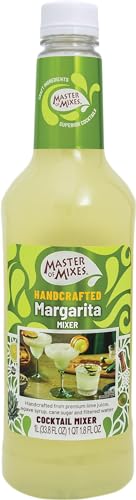
Master of Mixes Margarita Mix, 1 Litre Bottle
Badge: Best Classic Lime
Strengths
- The plain reference lime mix from a cocktail specialist — the sour against which variations are judged.
- A litre format that a regular sour habit finishes in its prime.
- No competing flavour thesis, which is the right temperament under a gentle whiskey.
Trade-offs
- No ingredient narrative in the listing to reward story-led shoppers.
- An opened litre wants the fridge and a rhythm of use.
- Deliberately unexciting — it is the control sample, proudly.
Mini spec box
- Brand: Master of Mixes
- Format: 1 litre bottle
- Product type: margarita mix
Every repertoire needs its reference drink, and for Jameson the reference is the classic whiskey sour: whiskey, citrus, cold, balance. This litre is how you keep that drink on standing offer in a highball-leaning household — the bottle that comes out when someone at the table wants a cocktail rather than a long drink, and that makes the sour the same way every time. Its plainness is a genuine virtue under this particular whiskey, whose quiet flavours are the first casualty of a loud mixer; the lime does its work and steps back, and the fruit and vanilla of the spirit stay in the glass where they belong.
Who it suits: households that want the sour available without making it the main event, and classicists generally. The honest limitation is that plainness cuts both ways — there is no juice story or organic story to shop by — and a household whose centre of gravity is the sour rather than the highball should be reading the fuller sour guide under the whiskey’s correctly spelled name.
Best for: the reference Jameson sour, kept on standing offer / Not suited for: story-led shoppers or sour-centred households

Fever-Tree Tonic Water Mixer, 24 Pack Cans
Badge: Best Overall
Strengths
- Real quinine, per the listing — bitterness with authority, the frame a smooth whiskey needs.
- Subtle citrus and fruit notes balanced by quinine bitterness, per the listing, echoing the whiskey’s own register.
- Single-serve 5.1 fl oz cans, 24 of them: perfect sparkle per drink, in stock-up quantity.
Trade-offs
- The listing positions this tonic for gin and vodka; the whiskey tonic is a variation you are choosing deliberately.
- Quinine bitterness divides drinkers; this will not convert a tonic sceptic.
- Tall glasses at long ratios may take two cans per serve.
Mini spec box
- Brand: Fever-Tree
- Format: 24 pack, 5.1 fl oz cans
- Listing notes: real quinine; subtle citrus and fruit notes balanced by quinine bitterness
This is the benchmark whiskey tonic of the guide, and the can is a large part of why. A highball is a carbonation delivery system before it is anything else, and a single-serve can delivers its carbonation at full strength every time, where the second half of an opened bottle never quite does. Against Jameson, the tonic’s construction is well matched: the quinine supplies the bitterness the whiskey lacks, the citrus and fruit notes in its listing rhyme with the whiskey’s own, and the whole drink stays dry and refreshing at a length a sweeter highball cannot match. Pour it cold over a rim-full glass of ice, add the whiskey first so the tonic’s pour mixes the drink, and garnish with lemon.
Who it suits: highball drinkers, bitter palates, and households that drink irregularly but well — cans wait patiently in a way opened bottles do not. The honest limitation is the positioning honesty already noted: you are using a gin-and-vodka tonic for whiskey, a variation with a real pedigree and, to this guide’s palate, the best seat in the house — but a variation, chosen with eyes open.
Best for: the benchmark Jameson and tonic, one perfect can at a time / Not suited for: tonic sceptics or very tall, very long pours

Fever-Tree Light Tonic Water Mixer, 24 Pack Cans
Badge: Best Light Highball
Strengths
- The listing states 30 calories per can — the leanest long serve in the guide.
- Real quinine with a hint of Mexican bitter orange, per the listing: the frame stays, the weight goes, the citrus tilts toward the whiskey.
- Balanced botanicals creating a smooth, crisp taste, per the listing — crispness is the highball’s whole point.
Trade-offs
- Lean plus gentle can read as thin if the pour is too long; ratio care is doubled with this pick.
- Same two-can temptation for tall glasses as its full-weight sibling.
- Positioned for gin and vodka serves in its listing, like the rest of the tonic family here.
Mini spec box
- Brand: Fever-Tree
- Format: 24 pack, 5.1 fl oz cans
- Listing notes: real quinine; 30 calories per can; hint of Mexican bitter orange; balanced botanicals
The light tonic is the regular’s choice: the version of the whiskey tonic you can make on a weeknight, at a lunch, or as the second glass, without the drink becoming an event. Its leanness puts more responsibility on the whiskey — with less mixer weight in the glass, Jameson’s fruit and vanilla have to carry more of the drink, and at the right ratio they do, producing the crispest, most sessionable serve in this guide. The bitter orange note is its quiet distinction: a citrus bitterness rather than a sweet one, which is precisely the register a whiskey highball wants.
Who it suits: regular highball drinkers, crisp palates, and anyone building lighter serves generally — the same instinct that runs through the low-sugar end of this site’s guides, including Best Mixers For Keto Alcohol. The honest limitation is the thinness risk: pour it long and warm and it will taste like a rumour; pour it cold, over a full glass of ice, at a ratio that respects the whiskey, and it is the most refreshing drink here.
Best for: a lean, crisp, everyday whiskey tonic / Not suited for: drinkers who want a full, weighty highball

Fever-Tree Tonic Water Mixer, 24 Pack Bottles
Badge: Best for Entertaining
Strengths
- The benchmark tonic — real quinine, subtle citrus and fruit notes per the listing — in 6.8 fl oz glass bottles.
- The bottle format pours a generous single highball and belongs on a table in a way cans do not.
- A 24 pack is a true stock-up: the highball station that never runs dry mid-evening.
Trade-offs
- Glass is heavy and breakable; this is a home format, not a picnic format.
- A case is a commitment before the household’s tonic loyalty is proven.
- An opened bottle should be finished in the serve it was opened for; its sparkle will not wait for tomorrow.
Mini spec box
- Brand: Fever-Tree
- Format: 24 pack, 6.8 fl oz bottles
- Listing notes: real quinine; subtle citrus and fruit notes balanced by quinine bitterness
Same tonic, different social life. The bottle format exists for the table: a row of glass bottles in an ice bucket beside the whiskey, the glasses and the lemon is a highball station that runs a whole evening with a certain grace, and the slightly larger serve suits a host’s pour — one bottle, one generous drink, no half-cans left warming on the counter. For households whose Jameson drinking is mostly entertaining, this is the format that matches the reality, and the case quantity means the second and third rounds are never in doubt.
Who it suits: hosts, larger households, and anyone whose whiskey tonic is a standing offer to guests. The honest limitation is commitment and material: twenty-four glass bottles assume a settled preference and a cupboard to hold it, and the cans remain the smarter buy for the irregular drinker. Buy the case when the drink is a habit, not in the hope of making it one.
Best for: highball entertaining at household scale / Not suited for: first experiments or portable drinking

Fever-Tree Premium Indian Tonic Water, Pack of 8
Badge: Best Premium
Strengths
- The flagship expression of the range, in 16.9 fl oz bottles — the tonic for the considered version of the drink.
- No artificial sweeteners, flavourings or preservatives, per the listing — the cleanest label in the tonic set.
- A larger bottle suits a pair of highballs made together, or a small round, with nothing wasted.
Trade-offs
- A large bottle’s carbonation is a one-session proposition once opened; plan the round before you open it.
- The premium positioning is the qualitative top tier of this list — buy it for occasions, not by default.
- Its refinement can be lost in a very long, heavily iced pour; it rewards a measured hand.
Mini spec box
- Brand: Fever-Tree
- Format: 16.9 fl oz, pack of 8
- Listing notes: no artificial sweeteners, flavourings or preservatives
Every range has its flagship, and this is the tonic range’s: the Premium Indian expression, in the big bottle, with the cleanest label in the set. In a whiskey tonic it makes the most considered version of the drink — the bitterness is the same honest quinine frame, but the whole glass tastes more composed, and against a whiskey as quiet as Jameson that composure is audible. This is the bottle for the first highball of a good evening, for the guest whose palate you respect, or for the side-by-side tasting that settles a household’s tonic question permanently: same whiskey, same ratio, benchmark can against flagship bottle, and a vote.
Who it suits: occasion drinkers, tasters, and anyone giving a mixer alongside the whiskey itself. The honest limitation is the opened bottle’s clock: at this size, the tonic wants a round of drinks planned around its opening, and a solo drinker will serve themselves better with the cans. Premium, here, means planned.
Best for: the definitive whiskey tonic on an occasion / Not suited for: unplanned solo serves or slow households
Comparison Table
| Pick | Type | Format | Key listing note | Link |
|---|---|---|---|---|
| Zing Zang Strawberry Mix | Fruit cocktail mix | 32 fl oz bottle | Real fruit juices; non-alcoholic mixer | Check on Amazon |
| Master of Mixes Margarita Mix | Lime cocktail mix | 1 litre bottle | Classic single-flavour staple | Check on Amazon |
| Fever-Tree Tonic Cans | Tonic water | 24 × 5.1 fl oz cans | Real quinine; citrus and fruit notes | Check on Amazon |
| Fever-Tree Light Tonic Cans | Tonic water | 24 × 5.1 fl oz cans | Real quinine; 30 calories per can; bitter orange | Check on Amazon |
| Fever-Tree Tonic Bottles | Tonic water | 24 × 6.8 fl oz bottles | Real quinine; case format in glass | Check on Amazon |
| Fever-Tree Premium Indian Tonic | Tonic water | 8 × 16.9 fl oz bottles | No artificial sweeteners, flavourings or preservatives | Check on Amazon |
How to Choose the Best Mixers for Jamewson
With four tonics from one maker on the table, choosing looks harder than it is, because the decisions separate cleanly. The first decision is weight. The original tonic is the fuller drink — more presence, more sweetness around the quinine — and suits the drinker who wants the highball to feel substantial. The light tonic is the crisper drink, and suits the regular, the lunch hour, and the palate that finds the original slightly soft. Neither is the “better” tonic; they are the same frame at two weights, and most households discover a firm preference within one side-by-side glass.
The second decision is format, and it is about how your household actually drinks. Cans are the irregular drinker’s friend and the carbonation purist’s: sealed until the second they are needed, perfect every time, at the cost of more packaging per serve. The 6.8 fl oz bottles are the entertainer’s format — one bottle, one generous drink, a table that looks like a table. The 16.9 fl oz flagship bottles are the planner’s format: a round of highballs, made together, from a bottle opened for the purpose. Buy the format that matches your calendar, and the tonic will always taste like the first glass; buy against your calendar, and even the best tonic in this guide will spend its life going flat in a fridge door.
The third decision is whether your household’s centre is the highball or the sour, and this guide is honest that its centre is the highball. If yours is the sour, the Master of Mixes litre in this list will serve you well as the reference, and the fuller sour treatment lives under the whiskey’s correctly spelled name elsewhere on this site. If yours is genuinely both, the correct purchase is one tonic format plus the litre — the smallest shelf that covers the bottle’s whole repertoire — with the strawberry mix added when summer makes its annual argument.
How to Build a Whiskey Tonic, and the Two Sours
The highball method rewards precision because the drink has nowhere to hide. Glass: tall, and filled to the rim with ice — a half-filled glass is a warm drink with ambitions. Whiskey over the ice. Tonic: cold, opened at the last moment, poured gently down the inside of the glass so the carbonation survives the pour, at roughly three times the whiskey measure to start. One lift with a long spoon to integrate, never a stir that beats the bubbles out. Garnish: a lemon wedge, squeezed in if the glass tastes soft, or a strip of lemon peel for the flagship tonic, whose composure deserves the ceremony. Then drink it at the pace it asks for — promptly, while the bubbles are still doing their work.
The two sours use the family method: whiskey as the largest measure, the lime mix at roughly half that measure, a hard but not endless shake with plenty of ice, a strain over fresh ice, and a citrus garnish with no salt rim in sight. The classic lime version is the reference; the strawberry version is the same build with summer in it, and both want serving small and cold. For a group, the highball station is the easiest in this whole programme to run: whiskey, ice, tonic cans or bottles in a bucket, glasses, lemons, and a card with the suggested ratio — guests build their own, at their own weight preference, and the host’s only job is the ice supply. That station logic, with ginger and lemonade in the tonic’s place, is also how the flavoured bourbon station runs in Best Mixers For Kirsch territory and beyond — the method travels even when the bottles change.
Troubleshooting, in the pattern that covers most highball problems:
- Problem: the whiskey tonic tastes thin and watery → the glass was under-iced, so the drink diluted fast and warm. Fix: ice to the rim, everything colder, and a slightly shorter ratio until the whiskey’s fruit returns.
- Problem: the tonic tastes overwhelmingly bitter → the ratio is too long, or the pour was all tonic and no patience. Fix: shorten the tonic measure, add the lemon wedge squeezed in, and check you are not judging the first sip, when bitterness always lands hardest.
- Problem: the highball is flat by the second glass → carbonation discipline failed somewhere: a warm can, a violent pour, or an opened bottle kept for later. Fix: chill the cans, pour gently, and finish opened bottles in the session they were opened for.
Four Tonics, One Maker: Reading the Differences
A fair question deserves a direct answer: are four Fever-Tree tonics in one guide a range or a repetition? They are a range, and the differences are the kind that matter at a table. Weight is a real difference — the light tonic’s stated calories per can and its bitter-orange tilt produce a measurably crisper drink, and drinkers who keep both in the house use them on different occasions without thinking about it, the way a kitchen keeps two oils. Format is a real difference — a can, a single-serve bottle and a sharing bottle are three different social objects that happen to contain related liquids. And tier is a real difference — the Premium Indian’s clean label and flagship positioning make it the tasting bottle, the one you open when the comparison itself is the entertainment.
What the four share matters too, and it is why the guide is comfortable building a highball repertoire on one maker’s range: a commitment to real quinine, stated in listing after listing, which means the bitterness in every format is the genuine frame rather than a flavouring’s impression of one. A whiskey as gentle as this one exposes a fake frame instantly. With the real thing in all four formats, the household’s only remaining decisions are the pleasant ones — weight, format, occasion — and those are the decisions this guide exists to help you make once, well.
Spelling, Searching and Finding Your Bottle
A closing practical note, because this guide exists due to a typo and typos have consequences beyond search boxes. The same transposed letters that brought you here appear on shopping lists, gift notes and message threads throughout this whiskey’s life, and they cause real confusion in one place: the gift. If you are buying mixers to accompany a bottle of Jameson for someone else, the tonics in this guide are the safest companions in the set — a whiskey tonic needs no explanation card, no ratio lesson, and no agreement about sours — while the strawberry mix is the choice when the gift is meant to be a discovery rather than a staple. And if you are the recipient reading this because the gift note said “jamewson”, welcome: the bottle is Jameson, the drinks are these, and the spelling has never once affected the taste.
The Whiskey Tonic Among the Highballs
To place this guide’s central drink honestly, set it among its siblings. The whiskey and soda is the minimalist highball — whiskey, bubbles, nothing else — and it flatters a flavourful whiskey while exposing a quiet one. The whiskey and ginger is the friendliest highball, sweet and spiced, and it is the serve most Jameson drinkers meet first. The whiskey tonic is the driest and most structured of the three: the only one whose mixer brings a flavour — bitterness — that the whiskey must answer rather than absorb. That is why it divides drinkers more sharply than the others, and why its devotees are the most loyal. A household that loves the tonic version tends to reorganise its whole highball habit around dryness, keeping the sweeter serves for guests and the tonic for itself.
It is also the highball that travels best across the whiskey shelf, which matters to a reader whose shopping started with a misspelled search and may not end with one bottle. The same tonic discipline — cold, full ice, gentle pour, lemon — serves a bourbon highball with a bolder exchange, and the flavoured bourbons elsewhere in this programme take to a shorter, sweeter version of it. Learn the drink here, on the gentlest whiskey, where every error is visible and every correction is obvious, and you have learned it for every bottle that follows. Few misspellings lead anywhere this useful.
Keeping a Tonic Shelf: Rotation for Cans and Bottles
A last piece of household logistics, because tonic is bought in packs and packs invite neglect. Cans are the patient format: keep them cool, keep them stocked in the fridge a few at a time rather than chilling the whole case, and rotate new purchases behind old ones so the shelf drinks in order. Bottles ask for slightly more ceremony — the single-serve size should live where the glasses live, ready for the table, and the flagship size should live unopened until the round it was bought for is actually on the calendar. The failure mode to avoid is the mixed graveyard: half a case of one format ageing while the household drinks another, discovered months later by someone who then judges a good tonic by a tired can. Rotation is a thirty-second habit, and like ice, it is one of the unglamorous disciplines on which every drink in this guide quietly depends.
What to Buy Second: Completing the Shelf in Order
A short ordering guide for the household that has bought its first tonic and wants the shelf completed sensibly. Second, after the benchmark cans, is the litre of classic lime mix — not another tonic — because the repertoire’s hole is the sour, and a household with a highball and a sour owns its whiskey. Third is the weight correction: whichever of original or light you did not start with, in the trial or can format, so the preference becomes a verdict. Fourth, and only when the drink is a ritual, is the format graduation — bottles for the table, or the flagship for occasions. The strawberry mix inserts itself whenever summer arrives, out of sequence and welcome. Followed in that order, every purchase answers a question the previous one raised, nothing ages unopened in a cupboard, and the shelf at the end is exactly as large as the drinking it serves.
When the Sour Wins: Knowing Your Household’s Centre
A closing self-knowledge note, because this guide’s highball centre will not be every household’s. The sign that your centre is actually the sour is simple: the tonic cans age. If a month passes and the litre of lime mix has been replaced while the tonic shelf stands untouched, believe the evidence over the intention — your household drinks short drinks, and its next purchases should be sour purchases, with the tonics kept in can form for guests and summer. The reverse sign is just as clear: a lime mix ageing in the fridge door while the tonic case empties is a highball household being honest with itself. Neither centre is the sophisticated one; both are simply true, and a shelf bought according to the truth is the whole ambition of this programme’s guides. The misspelled search that brought you here has, at the end, the same destination as every correctly spelled one: a household that knows its own drinks.
A Note on the Lemon
It seems too small a subject for its own section until you count how many drinks in this guide it finishes. The lemon wedge is doing three jobs in a whiskey tonic: its juice is a seasoning that tightens the bitterness, its oils are an aroma that announces citrus before the first sip, and its presence in the glass is a signal that the drink was made deliberately. Cut lemons fresh for the evening’s drinking rather than in the morning for the day; a wedge that has dried at the edges gives up its oils reluctantly, and the whole highball is an argument for freshness in small things. If your household runs the station format, a small bowl of fresh wedges, replaced rather than topped up, is the cheapest possible upgrade to every glass poured from it.
A Last Word on the Glass Itself
Use the tallest glass you own for the highballs in this guide, and borrow taller if the evening matters: height is not vanity in a sparkling drink, it is surface area denied to the air, ice accommodated without crowding, and a column of bubbles with somewhere to travel. The drink tastes like its best self for longer in a tall glass, and a repertoire built on carbonation deserves the glassware that protects it.
Common Buying Mistakes
The first mistake is buying a tonic case before knowing whether your palate takes to quinine; bitterness is this guide’s central flavour and it is not for everyone — start with one pack rhythm and let the taste declare itself. The second is serving highballs in under-iced glasses and concluding the whiskey is bland, when the drink was simply warm and diluted. The third is keeping an opened flagship bottle for a second day and judging the premium tier by a flat glass.
Fourth, treating the light tonic as a lesser tonic rather than a different one, and pouring it at the original’s ratio in a taller glass until it tastes like a rumour. Fifth, forgetting the sour: a highball household that never buys the litre discovers, at the first guest who asks for a cocktail, that its repertoire has a hole exactly where the classic drink should be. Sixth, agonising over the four tonics as if the choice were permanent — they are formats of one idea, the second purchase corrects the first, and the side-by-side glass settles more than any review can.
Final Recommendation
Start with the Fever-Tree Tonic Water cans and build the benchmark whiskey tonic — rim-full ice, cold can, gentle pour, lemon — because that glass is this guide’s centre and the bottle’s most refreshing serve. If it tastes fuller than your everyday wants, the Light Tonic cans are the same frame at a crisper weight; if it becomes a household ritual, graduate to the bottles or the Premium Indian for occasions. Keep the Master of Mixes litre for the classic sour and the strawberry mix for summer, and the whiskey whose name brought you here — however it was spelled — will have the repertoire it deserves.
Frequently Asked Questions
Is “jamewson” a different whiskey from Jameson?
No — it is a common transposed-letter misspelling of Jameson, the triple-distilled Irish whiskey. This guide answers for that bottle, and takes the highball angle on it: four tonic waters for the whiskey tonic, plus a classic lime mix and a strawberry mix for the sour family.
Does tonic water go with Irish whiskey?
Yes. The whiskey tonic is an established highball, and a smooth whiskey suits it particularly well because there is no harshness for the quinine to amplify — the drink becomes an exchange of whiskey fruit and vanilla against tonic bitterness and citrus. Pour it cold, over a full glass of ice, at about three parts tonic to one part whiskey to start.
What is the difference between the original and light Fever-Tree tonics here?
Weight and tilt. The light version states 30 calories per can in its listing and carries a hint of Mexican bitter orange, producing a crisper, leaner highball; the original is the fuller frame. Both use real quinine per their listings, and most households end up preferring one firmly after a side-by-side glass.
Cans or bottles — which tonic format is better?
Neither, in the abstract: cans protect carbonation perfectly and suit irregular drinking; the 6.8 fl oz bottles suit a table and a generous single serve; the 16.9 fl oz flagship bottles suit a planned round. Match the format to your household’s rhythm and the tonic will always taste like its first glass.
Can these tonics be drunk on their own?
Yes — a tonic over ice with lemon is a complete, bitter, adult soft drink, and the light version in particular is kept by many households for exactly that. It is also the natural zero-proof parallel to serve beside the whiskey tonic at a mixed table.
Why is there a margarita mix in a whiskey guide?
Because a margarita mix is a seasoned lime sour mix, and with whiskey — at a restrained ratio, with the whiskey as the largest measure — it makes a whiskey sour, one of the oldest drinks in the canon. The litre in this guide is the repertoire’s classic sour, kept beside the highballs on purpose.


