Disclosure: topratedkitchenware.com is reader-supported. When you buy through links on our site, we may earn an affiliate commission from Amazon and other retailers, at no extra cost to you.
Where to buy
The six models below are the verified picks for this guide to the best pressure cookers soups come out rich, clear and properly cooked in. Each name links to its Amazon listing, where you can check the latest price on Amazon, confirm the current configuration, and read the newest owner feedback before you decide. Start with our top pick here: Check on Amazon.
- RVGMBO Pressure Cooker 12 Quart, 18/8 Stainless Steel
- Peterboo 3Qt Stainless Steel Pressure Cooker
- Instant Pot Duo 6 Qt 7-in-1 Electric Pressure Cooker
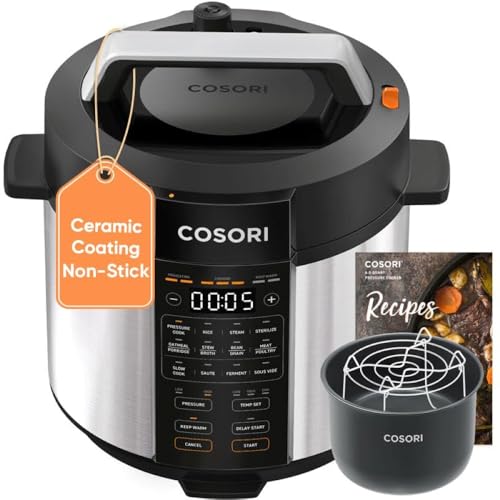
- Cosori Pressure Cooker 6QT, 9-in-1
- Instant Pot Duo 7-in-1 Mini Electric Pressure Cooker, 3 Quart
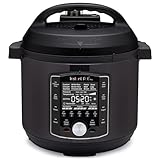
- Instant Pot Pro 6 Qt 10-in-1 Electric Pressure Cooker
Read the full guide ↓ for the ranking logic, the honest limitations of every pick, and a complete method section on building better soup under pressure.
Looking for the best pressure cookers soups reward is really looking for three things at once: a pot that builds a proper flavour base before the lid closes, enough working volume that a soup batch is worth making, and gentle, controllable pressure so broths stay clear and vegetables keep their shape. Soup is the pressure cooker’s home genre — stocks that once took an afternoon collapse into a fraction of the time, dried beans go from a planning problem to a weeknight option, and tough, cheap cuts turn silky in a rich cooking liquid. But soup is also where pressure cookers show their weaknesses: foaming beans can sputter through a vent, a scorched onion base can haunt an entire pot, and a too-small cooker turns a family soup recipe into two sessions of work.
This guide ranks six verified cookers specifically for soup work. The line-up leans electric, because modern soup-making is heavily a set-and-simmer activity and the keep-warm function matters when soup waits for the household to come home; it also includes the one stovetop pot and the one canner-sized pot in the pool, because stock-makers and batch cooks play by different rules. Each review covers sauté quality, working capacity for liquid-heavy cooking, release behaviour with foamy loads, and how the pot handles the blend, chill and reheat cycle that real soup life involves. You will also find a comparison table, a full soup method section with troubleshooting, and the questions soup cooks ask most. For the broader recipe picture, Best Pressure Cookers Recipes covers the whole repertoire, while Best Pressure Cookers Tested shows how evidence-first comparisons treat this category.
Key Takeaways
- For soup, working capacity is what counts: a 6-quart pot makes about four quarts of soup under the fill rules, and foamy bean soups should stay near half full.
- The sauté stage decides soup quality — browning onions, meat and tomato paste in the pot builds the base pressure alone cannot create.
- Natural release is the soup cook’s default: it keeps broths clearer and stops foamy pots sputtering through the vent.
- Electric models earn their place in soup making with steady keep-warm holding; stovetop pots earn theirs with faster, harder searing and bigger volumes.
- Stainless inner pots tolerate immersion blenders and metal ladles; coated pots release creamy and starchy soups more easily but want gentler tools.
- Stock is the highest-value soup of all — a pressure cooker turns carcasses and vegetable scraps into freezer gold in one short session.
- Season in two stages: deep flavours before pressure, bright finishes after — pressure deepens the base but dulls the top notes.
- Judge a soup cooker by its full cycle — cooking, holding, refrigerating, reheating — not by its pressure function alone.
In this guide
Quick Picks
| Pick | Badge | Capacity | Soup standout |
|---|---|---|---|
| Instant Pot Duo | Best Overall for Soups | 6 Qt | Sauté, slow cook and keep-warm around a stainless pot |
| Instant Pot Pro | Best Premium | 6 Qt | 10-in-1 range including sous vide for stock-adjacent projects |
| Cosori 9-in-1 | Best for Creamy Soups | 6QT | Ceramic-coated pot releases potato, squash and cheese soups cleanly |
| RVGMBO 12 Quart | Best for Stock and Big Batches | 12 Quart | Canner-sized volume for stock days and crowd soups |
| Instant Pot Duo Mini | Best for Small Batches | 3 Quart | Full electric soup workflow in a two-person size |
| Peterboo 3Qt | Best Stovetop Pick | 3Qt | The manual option: fast heat, fast release, tiny footprint |
How These Picks Were Chosen
Every model here comes from a verified pick pool checked against Amazon’s catalogue data through the Creators API on 2026-11-20, so the capacities, function lists and materials in this guide match the current listings. We link a cooker only when the API-returned title confirms it is a genuine pressure cooker of the stated type and size. For soup duty we weighted, in order: sauté capability for building bases, working volume for liquid recipes under the fill rules, release behaviour with foamy and starchy loads, keep-warm or holding behaviour, and inner-pot material — stainless for blender tolerance and longevity, ceramic-coated for release with creamy and starchy soups.
One disclosure in the spirit of this guide’s honesty rules: the pool for this keyword contains five electric models and one stovetop model. Rather than pretend otherwise, we ranked what was verified and labelled the Peterboo 3Qt clearly as the stovetop option. If your heart is set on a large stovetop soup pot, the stovetop-focused roundup linked in this guide covers that bench in depth. This is a research-led guide, not a hands-on lab test; rankings rest on verified specifications, manufacturer function lists, and the recurring patterns in owner feedback about soup-specific behaviour — scorching, foaming, holding and reheating — rather than on cooking claims we cannot support.
The 6 Best Pressure Cookers for Soups

Instant Pot Duo 6 Qt 7-in-1 Electric Pressure Cooker
Badge: Best Overall for Soups
Strengths
- Sauté function builds soup bases in the pot; slow cook and warm cover the holding end of soup life.
- Stainless inner pot tolerates immersion blenders, metal ladles and proper scrubbing.
- 6 Qt size matches the standard soup recipe yield the internet writes for.
Trade-offs
- Searing is gentler than a stovetop burner, so meat browning takes smaller batches and patience.
- Foamy bean soups demand discipline with fill level and natural release.
- The sealing ring holds onto strong soup flavours; a spare ring for mild dishes is a smart extra.
Mini spec box
- Capacity: 6 Qt
- Format: 7-in-1 electric pressure cooker
- Functions: Pressure cook, slow cook, rice, yogurt, steam, sauté, warm, sterilize (per listing)
- Inner pot: Stainless steel
Most soup recipes published in the last decade assume exactly this machine: a 6-quart electric multi-cooker with a sauté button and a keep-warm mode. That assumption is the Duo’s superpower for soup cooks. You can sweat onions and garlic, brown sausage or chicken thighs, bloom tomato paste until it darkens, then add stock and let pressure do the extraction work — all in one pot, with the recipe’s steps mapping one-to-one onto the functions in front of you. When the soup is done, the cooker holds it at serving temperature without the slow scorch-line that forms on a forgotten burner, which is how weeknight soup actually survives a household’s scattered dinner schedule.
Technique notes from the soup trenches: for bean soups, fill no more than halfway and always allow at least a partial natural release, because bean foam plus a fast vent is a mess and a clogged valve waiting to happen. For blended soups, the stainless pot lets you run an immersion blender directly in the vessel — a small thing that saves a transfer, a blender jug and a great deal of washing up. For clear broths, resist stirring after pressure and let the pot settle before ladling; pressure extraction is vigorous, and a few quiet minutes are what separate a golden broth from a cloudy one.
Who it suits: the great majority of soup households — families who make soup weekly, follow online recipes, and value the walk-away, keep-warm rhythm. The honest limitation is top-end searing power and the ceiling on batch size: four quarts of finished soup is a family dinner plus leftovers, not a freezer-filling session. For that, look at the big pot further down this list.
Best for: Weekly family soup making with modern recipes / Not suited for: Freezer-scale batches or cooks who insist on burner-powered searing
One more soup habit this pot encourages: the freezer rotation. A four-quart yield divides neatly into tonight’s bowls and two or three flat-packed portions for the freezer, and the cooker that made the soup can reheat it gently on slow or warm settings another night. Households that build this rhythm — one soup session a week, a small freezer bank, a standing answer to the tired-evening question — tend to rate their cooker by exactly the functions this model centres: a honest sauté, a trustworthy seal, a warm hold that does not punish latecomers. That is the profile of a best-overall pick, and it is why the Duo leads this guide despite strong specialists below it.


Instant Pot Pro 6 Qt 10-in-1 Electric Pressure Cooker
Badge: Best Premium
Strengths
- Ten functions, the broadest in this line-up, including sous vide alongside the full soup toolkit.
- Same recipe-friendly 6 Qt working size as the category standard.
- Black finish and the line’s step-up positioning suit cooks who use the cooker daily and visibly.
Trade-offs
- Premium tier positioning — you pay for breadth many soup cooks will never open.
- Sous vide adds little to soup itself; its value is in the rest of your cooking.
- Same fundamental fill and foam rules as every electric model here.
Mini spec box
- Capacity: 6 Qt
- Format: 10-in-1 electric pressure cooker
- Functions: Pressure cook, slow cook, rice and grains, steam, sauté, sous vide, yogurt, warm, sterilize (per listing)
- Finish: Black (per listing title)
The Pro is the choice for the soup cook whose kitchen ambitions extend past soup. Its pressure, sauté, slow and warm functions run the soup programme exactly as the standard 6-quart recipes expect, and the additional modes — sous vide most notably — serve the cook who also poaches eggs precisely, cooks proteins for topping ramen and pho, or experiments at the edges of the repertoire. Think of it as the same soup engine with a larger garage of tools around it. For a household that will use those tools, the step up is rational; the cooker sits on the counter daily, and breadth gets exercised.
Soup-specific behaviour mirrors the class: build the base on sauté, respect the halfway line for beans and split peas, give broths a natural release and a settling rest, and use keep-warm rather than repeated reheating to protect texture. Where the Pro earns its premium in soup-adjacent work is precision tasks — holding a stock at a bare simmer for clarification projects, or cooking eggs for garnish at exact temperatures. The honest limitation is value logic: if your cooking is soup, grains and the occasional braise, the standard model in this guide does the same soup job and the premium buys you functions that will gather dust. Buy the Pro for the whole of your cooking, not for soup alone.
Best for: Daily cooks who will use the full function range beyond soup / Not suited for: Soup-only buyers watching value closely
Consider also the serving ritual. A countertop cooker that lives where people gather turns soup into a self-serve station: bowls out, garnishes in small dishes, the pot holding temperature while seconds and thirds happen at their own pace. The Pro’s step-up finish suits that visible role, and its broader programme set means the same station can hold a slow-cooked soup on a weekend schedule when you would rather not use pressure at all. None of this changes the soup itself — but soup is a social dish, and the appliance that hosts it gracefully earns counter space that a purely functional rival might not.
Cosori Pressure Cooker 6QT, 9-in-1
Badge: Best for Creamy Soups
Strengths
- Ceramic-coated pot releases the sticky soup family — potato, squash, corn, cheese, split pea — with minimal residue.
- Nine functions including sous vide, plus a listed 12 safety features.
- Stainless steel exterior wipes clean after soup splashes.
Trade-offs
- Coated pot wants silicone or wooden tools; leave the immersion blender for a transfer jug if you want to protect the coating.
- Coatings have a service life that bare stainless does not.
- Recipe ecosystem is smaller than the market leader’s, so expect light adaptation of preset-specific recipes.
Mini spec box
- Capacity: 6QT
- Format: 9-in-1 electric pressure cooker
- Inner pot: Ceramic coating
- Power: 1100W (per listing title)
- Safety: 12 safety features (per listing title)
Creamy soups are the stress test of a pressure pot, because everything that makes them delicious — starch, dairy, cheese, puréed vegetables — also makes them stick, scorch and cling. The Cosori’s ceramic-coated pot is the answer in this line-up: potato-leek, butternut, corn chowder and broccoli-cheddar all release from the surface instead of baking onto it, and the pot rinses clean in a way that makes a weeknight soup feel sustainable. The coating also forgives the tomato-based soups that can leave a ghost line in stainless if they sit. For the creamy-soup household, this is the pick that removes the main friction.
Adjust your technique to the surface and it rewards you. Use the sauté stage as usual — the coating browns competently — but stir creamy mixtures before sealing, because a settled layer of starch on the base is the usual trigger for a burn warning in any cooker. Blend in a jug rather than in the pot if you are protective of coatings, or blend carefully with the blender head fully submerged and moving gently. Add dairy and cheese after pressure, off the boil, to keep them smooth. With those habits, the Cosori turns the richest corner of the soup repertoire into the easiest to clean up after — a trade many soup cooks will take happily.
Best for: Creamy, cheesy and starchy soup lovers who hate scrubbing / Not suited for: Metal-tool cooks or immersion-blender-in-pot purists
Chowders deserve a footnote of their own, because they combine every sticky risk at once — potatoes, corn, flour-thickened bases, dairy. In the Cosori the sequence is forgiving: pressure the potatoes and aromatics in stock, stir in the corn and dairy off pressure, and let the residual heat marry the pot without a scorched bottom or a broken, grainy finish. The coated surface then lets you serve the last spoonful as cleanly as the first. If your soup identity is built on chowders, bisques and cheese soups, stop comparison-shopping the rest of this list and start here.

RVGMBO Pressure Cooker 12 Quart, 18/8 Stainless Steel
Badge: Best for Stock and Big Batches
Strengths
- 12-quart volume makes genuine stock days and crowd soups a single session.
- 18/8 stainless steel with a glass lid for the non-pressure simmering stage.
- Steamer rack included, useful for lifting bones and large items out of finished stock.
Trade-offs
- Far too large for a two-person soup night; small loads are inefficient under pressure.
- Very heavy full of liquid — plan its position on the stove before you fill it.
- Stovetop format means you manage heat and timing yourself.
Mini spec box
- Capacity: 12 Quart
- Material: 18/8 stainless steel
- Format: 3-in-1 pressure cooker / pressure canner, stovetop
- Included: Glass lid and steamer rack
- Compatibility: Induction and gas stovetop (per listing title)
Every serious soup household eventually has a stock day, and stock day is where ordinary pots run out of room. Carcasses, wings, vegetable trimmings, herb stems and water need volume, and the difference between a 6-quart and a 12-quart session is the difference between a few jars and a freezer shelf of the ingredient that improves every future soup, risotto and sauce you make. The RVGMBO is built for that day: pressure-extract the stock in the big vessel, lift the solids out with the rack’s help, then use the glass lid for the gentle open simmer if you want to reduce and concentrate further. The same volume covers the crowd soups — the chilli for a team, the chowder for a gathering, the minestrone that feeds a family for three days.
Working with a pot this size is a logistics exercise. Fill it where it will cook, because a full 12-quart vessel of liquid is not something you carry across a kitchen. Keep the fill rules in force — even this giant respects the two-thirds line, and foamy bean soups stay near half. Check your stove’s weight guidance if you cook on glass. And be honest about frequency: this pot earns its storage space in households that batch monthly or entertain often. For everyone else, it is a magnificent specialist to borrow a friend’s, not to own.
Best for: Stock-makers, batch cooks and crowd feeders / Not suited for: Small households or everyday two-bowl soups
Stock economics are worth stating plainly, because they justify the shelf space. The raw material of stock is largely what other cooking throws away: carcasses, bones, onion skins’ deeper cousins, herb stems, the leek tops and celery ends of the week. The cost of a stock day is mostly the water and the hour; the yield is the base that makes a dozen future meals taste cooked rather than assembled. A 12-quart pressure session multiplies that arithmetic by two or three compared with a standard pot, in less time than a single stovetop simmer of the old school. For households that cook seriously and often, that is not a luxury appliance; it is infrastructure.

Instant Pot Duo 7-in-1 Mini Electric Pressure Cooker, 3 Quart
Badge: Best for Small Batches
Strengths
- The full electric soup workflow — sauté, pressure, keep warm — in a two-person size.
- Small batches keep soup fresh instead of lingering for days.
- Listing includes a recipe app with a large library, scaled-down cooking included.
Trade-offs
- About two quarts of finished soup per session; guests mean two batches.
- Standard recipes must be halved, with liquid kept above the pot minimum.
- Too small for stock-making beyond a modest carcass.
Mini spec box
- Capacity: 3 Quart
- Format: 7-in-1 mini electric pressure cooker
- Functions: Pressure cook, slow cook, rice, steam, sauté, yogurt, warm, sterilize (per listing)
- Inner pot: Stainless steel
Soup for two is a different discipline from soup for six, and the Duo Mini is its instrument. A 3-quart electric cooker makes roughly four generous bowls — dinner tonight and lunch tomorrow — which is exactly the rhythm at which soup stays a pleasure instead of an obligation. All the electric advantages survive the shrink: you still build the base on sauté in the same pot, still hand the timing to the machine, still come home to soup held warm. Small volume also means faster pressurisation, so a lentil or vegetable soup is a genuinely quick weeknight project rather than a plan.
Halving standard recipes works cleanly with two rules: keep the cooking time identical, and keep the liquid at or slightly above the pot’s minimum even when half the recipe suggests less — you can always reduce the finished soup uncovered for a minute. Foamy soups obey the same halfway discipline, which in this pot means modest bean batches; think of it as a freshness feature. Who it suits: couples, singles who cook, small kitchens and dorm-adjacent setups, and owners of a big cooker who want a soup-and-sides partner. Who should skip it: anyone whose soup night regularly seats more than three.
Best for: Couples and small households who make soup fresh and often / Not suited for: Families, entertaining, or stock days
The Mini also makes an excellent training pot. New pressure cooks learn faster in small batches: mistakes cost two servings, successes repeat quickly, and the full electric workflow — sauté, seal, programme, release, hold — is identical to the big models, so skills transfer if the household later sizes up. Its recipe-app library, noted in the listing, includes the small-batch cooking that suits it, which lowers the adaptation burden for beginners. If your soup journey is starting in a small kitchen, starting here is not a compromise; it is the curriculum.


Peterboo 3Qt Stainless Steel Pressure Cooker
Badge: Best Stovetop Pick
Strengths
- The only stovetop pick here: hardest searing and fastest manual control of the group.
- Compact 3-quart size reaches pressure quickly on a small burner.
- 8+ safety features listed; stainless steel, induction compatible.
Trade-offs
- Small volume — a side-soup and two-person pot, not a family soup pot.
- No keep-warm automation; soup waits on your schedule, not the machine’s.
- The listing’s broad 8-in-1 wording is best read as a compact stovetop pressure pot.
Mini spec box
- Capacity: 3Qt
- Material: Stainless steel
- Format: Stovetop pressure cooker
- Safety: 8+ safety features (per listing title)
- Compatibility: Induction compatible (per listing title)
Some soup cooks prefer a burner to a button, and for them the Peterboo 3Qt is this guide’s honest representative of the stovetop bench. A small stainless pot on a real flame sears soup meat and toasts spices with an intensity no countertop element matches, and its small mass means pressure arrives fast and leaves fast — you can quick-release a vegetable soup under the tap with a precision that protects delicate ingredients. For miso-adjacent broths, small bean soups, congee and the soup course of a larger meal cooked in other pots, it is a nimble specialist.
Its limits are the format’s limits at this size. There is no keep-warm programme, so soup holds only as long as a cooling burner and a lid allow; there is no timer, so the cook is the clock; and two quarts of working room caps the guest list firmly. Read it as the manual-transmission option: more engaging, more controllable, less forgiving of distraction. Cooks building a full stovetop soup setup in family sizes should follow the stovetop roundup at Best Pressure Cookers Stovetop — noting, in fairness, that the present guide’s verified pool offered this compact pot as its stovetop representative, and we would rather label that openly than dress an electric model in stovetop language.
Best for: Hands-on cooks wanting a small, fast stovetop soup pot / Not suited for: Families or anyone who needs set-and-forget soup
There is a flavour argument for the small stovetop pot, too. Soup bases built in a compact vessel concentrate: less liquid is needed to cover the aromatics, the sauté runs hotter in a smaller footprint, and the finished small batch tastes seasoned rather than stretched. Congee, small bean soups and broth-based noodle soups all flatter this format. Treat it as the espresso machine of the soup world — small, intense, manual, and exactly right when the big batch machines are more than the moment needs.
Comparison Table
| Model | Format | Capacity | Inner surface | Soup strength | Link |
|---|---|---|---|---|---|
| Instant Pot Duo | Electric 7-in-1 | 6 Qt | Stainless | All-round weekly soups | Check on Amazon |
| Instant Pot Pro | Electric 10-in-1 | 6 Qt | Not stated in verified title | Premium all-round plus extras | Check on Amazon |
| Cosori 9-in-1 | Electric 9-in-1 | 6QT | Ceramic coating | Creamy and starchy soups | Check on Amazon |
| RVGMBO | Stovetop canner | 12 Quart | 18/8 stainless | Stock and crowd batches | Check on Amazon |
| Duo Mini | Electric 7-in-1 mini | 3 Quart | Stainless | Fresh small batches | Check on Amazon |
| Peterboo 3Qt | Stovetop | 3Qt | Stainless | Manual small-batch soups | Check on Amazon |
How to Choose a Pressure Cooker for Soup
Size by bowls, not quarts. Convert capacity into servings with the fill rules: a 6-quart pot yields roughly four quarts of soup — eight to ten bowls; a 3-quart yields about two quarts; the 12-quart yields a gathering. Households that freeze soup should size for the batch they will actually store, and households that cook fresh should resist oversizing, because a half-empty large pot pressurises reluctantly and dilutes small recipes.
Pick your surface by your soup style. Brothy, blended and long-lived: stainless, which tolerates blenders, ladles and decades. Creamy, cheesy and starchy: a coated pot like the Cosori’s, which trades tool gentleness for release and easy rinsing. Many households end up wanting both behaviours, which is one reason a second inner pot — where the manufacturer offers one — is a popular accessory purchase.
Think about the second day, not just the first. Soup is a make-once, eat-thrice food, so judge a cooker by its whole cycle: how gently it reheats without catching, how its pot fits your refrigerator when plans change, how its gasket behaves after a strongly spiced batch, and whether its keep-warm hold treats a late dinner kindly. The glamorous specification is the pressure function; the ownership experience is everything around it. Cooks who plan for leftovers also plan portions at purchase time — a pot whose yield matches your storage containers and freezer space will quietly outperform a larger, fancier rival across a winter of soup nights.
Decide who minds the soup.
Electric models mind it themselves: timers, automatic keep-warm, no burner judgement. Stovetop models ask you to mind it and repay you with searing power and speed. Neither answer is wrong; the wrong answer is buying against your temperament. If your soup usually waits an hour for the family, keep-warm is not a luxury feature — it is the feature. Shoppers weighing the whole category against a budget will find the framing at Best Pressure Cookers Under $100 a useful companion to this soup-first view.
How to Make Better Soup Under Pressure
The method is a rhythm of five stages. Build the base: sweat onions and aromatics in fat until sweet, brown meat in batches if the soup includes it, and bloom tomato paste and spices until the fat colours — pressure amplifies a base, it does not create one. Load with judgement: add liquid and ingredients, keep foamy and starchy loads near half full and everything else under two-thirds, and put quick-cooking vegetables aside for a second short stage. Pressurise appropriately: dried beans and tough cuts take the long settings; delicate vegetables take minutes; stock takes the full extraction run. Release with intent: natural release for broths, beans and grains; a patient partial release for starchy soups; quick release only for sturdy vegetable soups where clarity does not matter. Finish like a soup cook: rest the pot, skim if needed, blend only what should be blended, and add dairy, fresh herbs, citrus and cooked garnishes off pressure so they stay bright.
Care follows the soup life: wash gaskets promptly because soup flavours move in permanently, rinse vents after any foamy cook, and dry stainless thoroughly to keep water spots from becoming a habit. Store the lid inverted and the ring loose, and your soup pot will greet the next batch neutral and ready. Once a month, run a plain water pressure cycle with a splash of vinegar in any cooker that makes soup weekly: it clears mineral film from the pot, freshens the vent path, and gives you a low-stakes chance to confirm the seal, the float valve and the release all behave before a real batch depends on them. Think of it as a rehearsal that keeps the performance reliable.
Troubleshooting Soup Problems
Problem: The broth is cloudy → The pot boiled hard before sealing or was stirred and vented violently. Use natural release, let the soup settle before ladling, and skim after resting rather than during cooking.
Problem: Foam or starchy liquid sputters from the vent → The pot was too full or released too fast. Let pressure fall naturally for a while first, keep bean and grain soups near half full, and rinse the vent assembly after the cook.
Problem: The soup tastes flat despite good ingredients → The base was underbuilt or finishing was skipped. Brown harder, salt in stages, and finish with acid and fresh herbs off pressure; pressure mutes top notes, so the last five minutes of seasoning do the heavy lifting.
Seasoning Under Pressure: Why Soup Needs a Different Hand
Pressure changes seasoning behaviour in ways that surprise experienced stovetop cooks. Salt does not concentrate the way it does in a reducing open pot, because almost no water leaves; a soup salted to perfection before sealing can taste correct but somehow muted, since pressure dulls the bright, volatile notes of herbs, spices and alliums while deepening the savoury base. The fix is a two-stage hand: season the base properly before pressure so flavours penetrate the ingredients, then treat the finished soup as unfinished until you have added the second stage — salt to taste, an acid such as lemon juice or vinegar, fresh herbs, and a fat finish where the style welcomes it. Chilli heat also behaves differently: it blooms and spreads under pressure, so a cautious hand at the start, corrected at the end, beats bravado.
Dried herbs and whole spices, by contrast, love pressure: bay, thyme stems, peppercorns and dried mushrooms give up their flavour completely in the sealed environment, which is one reason pressure stocks taste so long-cooked. Fresh, delicate herbs — basil, coriander leaf, dill, parsley — should almost never be pressurised; stir them in at serving. Garlic splits the difference: cooked under pressure it turns sweet and mellow, while a little raw or lightly fried garlic added at the end restores the pungent top note. Master that split — deep flavours in before, bright flavours after — and every pot in this guide will make soup that tastes seasoned by someone who understands the machine.
Soup Archetypes and the Pot Each One Wants
Clear broths and consommé-style soups want gentle handling and stainless steel: the Duo or the Pro, natural release, no stirring, a patient skim. Bean and lentil soups want headroom and foam discipline: any 6-quart electric here, filled halfway, with the stovetop Peterboo as the small-batch manual alternative. Creamy and puréed soups want the Cosori’s coated release, with dairy added after pressure. Stock wants volume above all: the RVGMBO, run on stock days and frozen in portions. Fresh two-person soups want the Duo Mini’s rhythm — small, frequent, never lingering. Match your dominant archetype first and the secondary ones will usually manage; mismatch it and even a fine cooker will feel like the wrong tool every soup night of the year.
From Pot to Freezer: Storing, Reheating and Serving Soup Well
A pressure cooker’s soup story does not end at the first serving. Cool leftovers promptly in shallow containers so they pass through the lukewarm zone quickly, refrigerate what the week will eat, and freeze the rest flat in labelled portions — flat packs thaw fast, stack neatly and turn a stock day into a month of options. Soups with pasta, rice or potatoes freeze less gracefully, because starches keep drinking liquid and soften; freeze those components separately or accept a thicker, stew-like reheat and loosen it with fresh stock. Dairy-rich soups prefer to be frozen before the cream goes in, with the dairy added at reheating for a smooth finish.
Portioning deserves one practical note: freeze soup in the sizes you actually serve. A household of two wants small flat packs that thaw for a single meal; a family wants larger blocks for the pot. Labelling with the soup’s name and the month it was made sounds fussy for exactly one week, until the freezer holds six anonymous orange blocks and dinner depends on guessing which one is the chowder.
Reheating is where format shows again.
Electric cookers reheat gently on slow or warm settings without scorching the base — a genuine advantage for thick soups that catch on a burner. Stovetop pots reheat fastest and let you adjust seasoning over real heat. Either way, bring soup back to a proper simmer, taste again, and re-finish it: a squeeze of citrus, a handful of fresh herbs, a swirl of good oil. Pressure cooking builds the body of a soup; storage and reheating decide whether the second serving tastes like the first, and the cooks who plan for both eat better all winter.
Common Buying Mistakes
- Reading headline quarts as soup yield. Fill rules cut real yield by a third or more; size by finished bowls.
- Ignoring the sauté stage. A weak base stage makes pressure soup taste boiled, no matter the brand.
- Quick-releasing bean soups. Foam, mess and a clogged vent — natural release exists for exactly this pot.
- Blending in a coated pot without thinking. Protect coatings with a jug transfer, or choose stainless if in-pot blending is your habit.
- Buying batch size for a fresh household. A 12-quart pot making two bowls is a storage problem wearing a lid.
- Forgetting keep-warm. If soup waits for people, the holding function matters as much as the cooking function.
Final Recommendation
For most soup households, the first choice is the Instant Pot Duo: the standard size, the stainless blender-friendly pot, and the sauté-to-keep-warm workflow that modern soup recipes assume. Step up to the Instant Pot Pro if your cooking ranges well beyond soup, choose the Cosori if creamy soups are your signature, reserve the RVGMBO for stock days and crowds, and let the Duo Mini and the Peterboo 3Qt serve small households in electric and stovetop styles respectively. Buy for the soup you make most, and every pot on this list will feel like the right one.
Frequently Asked Questions
What size pressure cooker is best for soup?
For most households, 6 quarts: it yields about four quarts of finished soup, enough for a family dinner plus leftovers, and it matches the size most recipes are written for. Two-person households do better with 3 quarts and fresher batches; batch cooks and stock-makers should look at 12 quarts.
Why did my bean soup foam through the valve?
Beans and grains foam as they cook, and foam rises. The pot was likely filled past halfway or the pressure was released too quickly. Keep foamy soups near half full, let pressure fall naturally at least partway, and clean the vent assembly after any foamy cook.
Can I use an immersion blender in a pressure cooker pot?
In a stainless inner pot, yes — that is one of stainless steel’s practical advantages, and it saves transferring hot soup. In a ceramic-coated pot, blending in a separate jug is kinder to the coating; if you blend in the pot, keep the head submerged and avoid scraping the surface.
How do I keep pressure-cooked broth clear?
Start with cold liquid, avoid stirring once sealed, use natural release, let the finished broth rest before ladling, and skim after resting. Pressure extracts flavour vigorously; clarity comes from calm handling at every stage after the lid goes on.
Is it safe to leave soup in the cooker on keep-warm?
Keep-warm modes are designed to hold cooked food at serving temperature for the meal window; for longer storage, cool the soup promptly and refrigerate it. Soup kept hot for hours also loses texture — vegetables soften and herbs dull — so hold for the meal, then chill the rest.
Why does my soup taste great the next day but flat on the first?
Partly chemistry and partly seasoning timing. Overnight, starches settle, fats redistribute and flavours marry, so day-two soup often tastes rounder. You can close most of the gap on day one by finishing properly: rest the soup briefly, then add the bright stage — acid, fresh herbs, a little fat — right before serving rather than before pressure, and salt in two stages instead of one. If it still tastes flat, it is usually the base: a harder sauté next time will fix what seasoning cannot.
Can a pressure cooker make stock as good as a long simmer?
For everyday cooking, yes: pressure extracts gelatin and flavour from bones and scraps in a fraction of the time, and the result freezes and performs like a long stock in soups and sauces. Purists chasing the clearest possible consommé may still prefer a gentle open simmer, but for the freezer shelf that powers weeknight cooking, pressure stock is the practical winner — and the comparison at Best Pressure Cookers Sweethome shows how editorial roundups weigh that everyday practicality.


