Disclosure: topratedkitchenware.com is reader-supported. When you buy through links on our site, we may earn an affiliate commission from Amazon and other retailers, at no extra cost to you.
Where to buy
The fastest way to shop this guide is to start with the linked picks below, each of which was verified against the product pool for this article on the check date recorded in the sources file. Products described as prose-only are covered for honesty and comparison, without a purchase link, because they do not fully match what best spirit mixers asks for. Check the current pack configuration on Amazon before you decide, and read the full guide below for the reasoning behind every placement.
- Fever-Tree Ginger Ale Mixer, 24 Pack Cans — Best Overall
- Q Ginger Ale — Best Less-Sweet Pick
- Schweppes Tonic Water — Best Tonic Staple
- Fever-Tree Mediterranean Tonic Mixer — Best for Gin and Aperitifs
- Master of Mixes Margarita Mix — Best for Margaritas
- Master of Mixes Margarita and Daiquiri Variety Pack — Best Party Variety
Read the full guide ↓
The best spirit mixers are not the most exotic bottles; they are the ones that cover the most drinks well. A considered home bar needs a ginger ale for mules and highballs, a tonic for the gin and vodka family, one aromatic variation for interest, and a citrus mix for margaritas and daiquiris. This guide assembles exactly that shelf from the verified pool, with all six picks linked because each one does a real, distinct job for spirits.
The six picks divide by function rather than by brand: two ginger ales at different sweetness levels, two tonics at different levels of familiarity and aroma, and two margarita-family mixes for citrus serves and parties. Stock the functions and you can build drinks around whiskey, vodka, gin, rum and tequila without a specialist bottle for each — the same principle we apply when matching a single bourbon in Best Mixers For Makers Mark.
Key Takeaways
- The top pick for best spirit mixers is the Fever-Tree Ginger Ale (Cans), because it matches the keyword’s core job most directly.
- 6 of the six products in the pool fully match this keyword and carry links; the rest are covered honestly in prose so you can see why they fall short.
- Format matters as much as flavour or specification: buy the pack size and format your household will actually finish or use while it is at its best.
- Every recommendation here is research-led, based on verified product data, stated specifications and the serving or setup guidance in this guide — not on invented hands-on claims.
- When two picks look close, decide by the trade-offs listed under each review rather than by the badge alone; the right answer depends on your space, your habits and who you are serving or setting up for.
In this guide
Quick Picks
| Product | Badge | Why it earns its place | Link |
|---|---|---|---|
| Fever-Tree Ginger Ale (Cans) | Best Overall | Same three-ginger recipe in a portable, chill-fast can. | Check on Amazon |
| Q Ginger Ale | Best Less-Sweet Pick | Real ginger flavour with a deliberately less sweet profile. | Check on Amazon |
| Schweppes Tonic Water | Best Tonic Staple | The familiar tonic profile most drinkers already know. | Check on Amazon |
| Fever-Tree Mediterranean Tonic | Best for Gin and Aperitifs | Rosemary aroma adds a savoury, garden-like layer. | Check on Amazon |
| Master of Mixes Margarita Mix | Best for Margaritas | Bold lime character for drinkers who enjoy citrus-led serves. | Check on Amazon |
| Master of Mixes Variety Pack | Best Party Variety | Six fruit flavours cover a wide range of mixed drinks. | Check on Amazon |
How These Picks Were Chosen
Research for this guide started from the verified product pool assembled for the best spirit mixers category, in which every linked product was checked against the retailer data recorded in the sources file: product name, ASIN, listing title and image. Only products whose identity could be confirmed that way were allowed to carry a link or an image. Products that could not be confirmed, or that turned out to mismatch the keyword’s core requirement, were demoted to prose-only coverage rather than quietly dropped, so you can see the full picture the research found.
Within the pool, picks were ranked by how directly they serve this keyword, then by the quality of their stated specifications, then by format practicality for a typical home. Badges were assigned after ranking, not before, and each badge is used consistently in the Quick Picks table and in the detailed reviews. Where two products are near-duplicates in different formats, both were kept only when the format difference changes who should buy them.
A note on method and limits: this is research-led guidance, not a claim of hands-on laboratory testing. Statements about each product rest on its verified listing data and on well-established serving or setup practice for the category. Prices and popularity figures are deliberately not printed, because they change constantly; use the Amazon links to check the current situation for any pick you are seriously considering.
The 6 Best Options: best spirit mixers

Fever-Tree Ginger Ale Mixer, 24 Pack Cans
Badge: Best Overall
Strengths
- Same three-ginger recipe in a portable, chill-fast can
- Single-serve size limits waste and flat leftovers
- Cans stack and travel better than glass
Trade-offs
- Smaller cans mean a long drink may need most of a can plus a top-up plan
- Can format gives a slightly different pour feel than bottled mixer drinkers may prefer
- Buying 24 at once is a commitment for occasional hosts
At a glance: Format: 24 pack; Can size: 5.1 fl oz; Blend of gingers from Ivory Coast, Nigeria and Cochin, India; No artificial sweeteners or colors; non-GMO (per listing).
The canned version carries the same three-ginger blend as the bottled Fever-Tree ginger ale, with gingers from the Ivory Coast, Nigeria and Cochin, and the same no artificial sweeteners or colors positioning. The 5.1 fl oz can is the practical difference: it chills quickly, opens fresh every time, and matches a single highball without leaving a flat remainder. For parties and picnics the format is easier to ice down in a cooler and easier to recycle afterwards. Flavour-wise expect the same warm, rounded ginger profile, with carbonation that feels brisk straight from a cold can.
Ginger ale is the hardest-working spirit mixer there is, and the canned Fever-Tree is its most convenient form here: it builds a mule with vodka, a highball with whiskey, a long rum serve, and a perfectly good alcohol-free glass with lime. The can format keeps every one of those serves consistent. If a home bar could stock only one mixer from this guide, this is the one that covers the most spirits without apology.
In day-to-day use, the Fever-Tree Ginger Ale (Cans) rewards a little planning. Its headline format — format: 24 pack — tells you how it wants to be bought and kept: enough for the pattern of drinking or use described above, without so much stock that freshness or enthusiasm fades before the pack is finished. Readers comparing options for best spirit mixers should weigh that practical rhythm as heavily as the flavour or feature list, because the product you enjoy at its best, repeatedly, is the one that was stored and paced correctly. When this pick is served or set up the way its format intends, the gap between it and more expensive-feeling alternatives narrows quickly.
Best for: readers who want the best overall option in this category / Not suited for: buyers whose needs clash with the trade-offs listed above.
Check on Amazon to see the current pack configuration and details for this pick.

Q Ginger Ale
Badge: Best Less-Sweet Pick
Strengths
- Real ginger flavour with a deliberately less sweet profile
- Organic agave sweetening keeps the finish clean
- Sturdy carbonation built for cocktails and mocktails
Trade-offs
- Drier style may taste lean to drinkers used to sweet ginger ale
- Case format suits regular use rather than a one-off party
- Ginger-led flavour will not suit neutral-mixer drinkers
At a glance: Format: 7.5 fl oz cans, 24 pack; Made with real ginger and organic agave (per listing); Less sweet positioning; listing states its per-can calorie figure.
Q makes this ginger ale with real ginger and organic agave and positions it as less sweet than mainstream ginger ale, in 7.5 fl oz cans sold as a 24 pack. That drier profile is exactly why bartenders reach for it: the ginger reads clearly, the sweetness stays in the background, and the base spirit keeps its character in a long drink. The can size is generous enough for a tall serve with ice. If your usual complaint about ginger ale is that the drink ends up tasting like soda pop, this is the corrective pick in the line-up.
Q’s drier ginger ale is the choice for drinkers who find most mixed drinks too sweet. With rum it keeps the spice and lets the rum’s character through; with whiskey it makes a leaner highball; with vodka it makes the driest mule in this guide. Its role in a home bar is corrective: whenever a serve tastes sugary, this is the bottle that fixes the next round. Compare its effect across spirits in Best Mixers For Vodka And Rum Mix for more pairing notes.
There is also a value question here that has nothing to do with any printed price. The Q Ginger Ale earns its place in a best spirit mixers line-up by doing its specific job without demanding accessories, workarounds or a second purchase to complete it. Judge it against the badge it carries — Best Less-Sweet Pick — rather than against every other pick at once: within that job description it is a complete answer. Buyers whose needs sit outside that job should not force this pick into service; the guide includes other badges precisely so each reader can match the product to the task instead of the other way round.
Best for: readers who want the best less-sweet pick option in this category / Not suited for: buyers whose needs clash with the trade-offs listed above.
Check on Amazon to see the current pack configuration and details for this pick.

Schweppes Tonic Water
Badge: Best Tonic Staple
Strengths
- The familiar tonic profile most drinkers already know
- Widely stocked format that is easy to replace
- Balanced bitterness works across many long drinks
Trade-offs
- Profile is more straightforward than premium botanical tonics
- Bulk pack-of-packs format needs storage room
- Bottles opened for one drink should be used promptly for best fizz
At a glance: Format: 10 count bottles, pack of 6 (per listing); Classic tonic water style.
Schweppes tonic is the benchmark many drinkers measure other tonics against: quinine-led bitterness, a clean citrus edge and lively carbonation in a format sold as a ten-count pack of six. It does not chase botanical complexity, and that is its strength for everyday mixing, because the flavour is predictable from the first bottle to the last. If you are stocking a home bar for guests with mixed tastes, a familiar tonic removes guesswork. Keep the bottles cold and sealed until serving, because tonic loses its sparkle quickly once opened and warm tonic makes any long drink taste dull.
Tonic is the second pillar of any spirit mixer shelf, and Schweppes is its most familiar form: gin and tonic, vodka tonic, and the growing family of wine and vermouth tonics all start here. The multi-pack format suits households that entertain, because tonic requests arrive in groups. Keep it cold, keep it sealed until needed, and this staple will quietly cover more drinks than any flavoured bottle you own.
One more practical note on the Schweppes Tonic Water: consistency. Products in this category are at their best when each unit is handled the same way — the same chill, the same measures, the same setup — because small variations are easy to taste or hear in a finished result. The format listed above, format: 10 count bottles, pack of 6 (per listing), supports that consistency better than ad-hoc buying does. If you entertain or host regularly, that repeatability is worth real money in avoided disappointments, even though this guide deliberately prints no prices: check the current configuration on Amazon and judge the cost against how often you will actually use it.
Best for: readers who want the best tonic staple option in this category / Not suited for: buyers whose needs clash with the trade-offs listed above.
Check on Amazon to see the current pack configuration and details for this pick.

Fever-Tree Mediterranean Tonic Mixer
Badge: Best for Gin and Aperitifs
Strengths
- Rosemary aroma adds a savoury, garden-like layer
- Quinine backbone keeps it structured, not sweet
- Distinctive profile that makes simple serves memorable
Trade-offs
- Herbaceous notes will not suit every drink or drinker
- Bottled case format needs storage space
- Rosemary can dominate a very delicate base
At a glance: Format: 24 pack; Bottle size: 6.8 fl oz; Essential oils of rosemary with African quinine (per listing); Subtly herbaceous, refreshing flavour.
Fever-Tree’s Mediterranean tonic combines essential oils of rosemary with African quinine, in 6.8 fl oz bottles as a 24 pack, for a subtly herbaceous and refreshing flavour. The rosemary is the signature: it smells like a garnish built into the mixer, and it turns a simple long drink into something that tastes composed. Underneath, the quinine keeps the profile dry and structured. This is the tonic for drinkers who like savoury, garden-leaning flavours and for serves garnished with citrus peel, olives or herbs, where the rosemary note has something to answer to in the glass.
Mediterranean tonic is the mixer that makes a gin and tonic taste like a place rather than a formula: rosemary aroma, dry quinine structure, and a natural affinity for citrus and olive garnishes. It also flatters white vermouth and dry sparkling serves. In a general spirit mixer line-up it is the bottle that adds a savoury register the ginger ales and classic tonic cannot supply, which is why a small bar benefits from it as the third or fourth bottle.
In day-to-day use, the Fever-Tree Mediterranean Tonic rewards a little planning. Its headline format — format: 24 pack — tells you how it wants to be bought and kept: enough for the pattern of drinking or use described above, without so much stock that freshness or enthusiasm fades before the pack is finished. Readers comparing options for best spirit mixers should weigh that practical rhythm as heavily as the flavour or feature list, because the product you enjoy at its best, repeatedly, is the one that was stored and paced correctly. When this pick is served or set up the way its format intends, the gap between it and more expensive-feeling alternatives narrows quickly.
Best for: readers who want the best for gin and aperitifs option in this category / Not suited for: buyers whose needs clash with the trade-offs listed above.
Check on Amazon to see the current pack configuration and details for this pick.
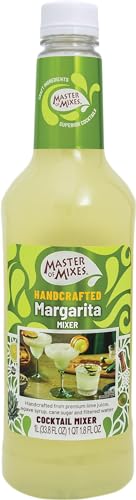
Master of Mixes Margarita Mix
Badge: Best for Margaritas
Strengths
- Bold lime character for drinkers who enjoy citrus-led serves
- Large bottle suits batching for a group
- Pour-ready format needs no extra preparation
Trade-offs
- It is a margarita mix, not a soda, so it brings no carbonation
- Lime-forward flavour can overwhelm a base spirit used in small amounts
- Large opened bottle needs fridge space
At a glance: Format: 1 liter bottle; Margarita-style lime cocktail mix (per listing); Non-carbonated, pour-ready mix.
Master of Mixes built this one-liter bottle for margaritas, and its identity is lime-first and pour-ready rather than sparkling. That matters for honest placement in this guide: it is not a soda and it will not add bubbles to a drink. What it can offer is a strong citrus frame for drinkers who like their serves sharp and fruit-led, used in small, deliberate amounts rather than as a long topper. Treat it as a flavouring mix you measure, not a lengthener you pour freely, and keep the bottle refrigerated after opening so the lime character stays bright.
Every spirit mixer shelf needs a citrus workhorse for the tequila family, and this one-liter margarita mix is it: lime-led, pour-ready and sized for batching when several people want the same drink. It is not carbonated, so it flavours rather than lengthens, and it should be stored and thought of differently from the sodas in this guide — measured into drinks, refrigerated after opening, and finished while its lime character is bright.
There is also a value question here that has nothing to do with any printed price. The Master of Mixes Margarita Mix earns its place in a best spirit mixers line-up by doing its specific job without demanding accessories, workarounds or a second purchase to complete it. Judge it against the badge it carries — Best for Margaritas — rather than against every other pick at once: within that job description it is a complete answer. Buyers whose needs sit outside that job should not force this pick into service; the guide includes other badges precisely so each reader can match the product to the task instead of the other way round.
Best for: readers who want the best for margaritas option in this category / Not suited for: buyers whose needs clash with the trade-offs listed above.
Check on Amazon to see the current pack configuration and details for this pick.

Master of Mixes Margarita and Daiquiri Variety Pack
Badge: Best Party Variety
Strengths
- Six fruit flavours cover a wide range of mixed drinks
- Pour-ready bottles make batching simple
- Useful range for parties where guests want different serves
Trade-offs
- These are still cocktail mixes, not carbonated sodas
- Fruit flavours can dominate a delicate base spirit
- Six large bottles need significant fridge and shelf space
At a glance: Format: 1 liter bottles, 6 pack with salt; Flavours: blood orange, mango, margarita, passion fruit, watermelon, white peach; Non-carbonated, pour-ready mixes.
This Master of Mixes variety set brings six one-liter pour-ready flavours — blood orange, mango, margarita, passion fruit, watermelon and white peach — together with salt, aimed at margaritas, daiquiris and mocktails. The breadth is the point: one purchase covers a whole party menu of fruit-led drinks. None of these bottles is carbonated, so they flavour and sweeten rather than sparkle, and they work best measured into a drink or lengthened with soda water you add yourself. For hosts who entertain often, the variety removes the need to buy six separate full-size mixes over time.
The variety pack is the party insurance policy: six fruit flavours that between them cover margaritas, daiquiris and rum punches for a group whose tastes you cannot predict. No single bottle in it is carbonated, so pair the set with soda water and the sparkling picks above and the combination covers almost any request a guest can make. For a household that entertains monthly, this set plus one ginger ale and one tonic is a complete mixer strategy.
One more practical note on the Master of Mixes Variety Pack: consistency. Products in this category are at their best when each unit is handled the same way — the same chill, the same measures, the same setup — because small variations are easy to taste or hear in a finished result. The format listed above, format: 1 liter bottles, 6 pack with salt, supports that consistency better than ad-hoc buying does. If you entertain or host regularly, that repeatability is worth real money in avoided disappointments, even though this guide deliberately prints no prices: check the current configuration on Amazon and judge the cost against how often you will actually use it.
Best for: readers who want the best party variety option in this category / Not suited for: buyers whose needs clash with the trade-offs listed above.
Check on Amazon to see the current pack configuration and details for this pick.
Comparison Table
| Product | Badge | Key attribute | Link |
|---|---|---|---|
| Fever-Tree Ginger Ale (Cans) | Best Overall | Format: 24 pack; Can size: 5.1 fl oz | Check on Amazon |
| Q Ginger Ale | Best Less-Sweet Pick | Format: 7.5 fl oz cans, 24 pack; Made with real ginger and organic agave (per listing) | Check on Amazon |
| Schweppes Tonic Water | Best Tonic Staple | Format: 10 count bottles, pack of 6 (per listing); Classic tonic water style | Check on Amazon |
| Fever-Tree Mediterranean Tonic | Best for Gin and Aperitifs | Format: 24 pack; Bottle size: 6.8 fl oz | Check on Amazon |
| Master of Mixes Margarita Mix | Best for Margaritas | Format: 1 liter bottle; Margarita-style lime cocktail mix (per listing) | Check on Amazon |
| Master of Mixes Variety Pack | Best Party Variety | Format: 1 liter bottles, 6 pack with salt; Flavours: blood orange, mango, margarita, passion fruit, watermelon, white peach | Check on Amazon |
How to Choose the Right Option for spirit mixers
Function coverage
Judge any mixer by the drinks it unlocks. Ginger ale unlocks mules, highballs and rum serves; tonic unlocks the whole gin and vodka tonic family; a citrus mix unlocks margaritas and daiquiris. A bottle that unlocks one drink you rarely make is a poor buy however good it is, a point that applies equally to flavoured vodka shelves discussed in Best Mixers Made With Uv Vodka.
Sweetness spectrum
A good shelf spans sweetness levels deliberately: a classic ginger ale, a drier alternative, a dry tonic and a sweet-tart citrus mix. That spread lets you tune any drink to the drinker. Shelves stocked at a single sweetness level produce one-note drinks no matter how many bottles they hold.
Carbonated vs concentrated
Keep the two mixer types mentally separate. Carbonated mixers lengthen and sparkle and are poured in volume; concentrated mixes flavour and sweeten and are measured in small amounts. Most home mixing disappointments are category errors between these two, not bad products.
Format and turnover
Buy the format your household finishes fresh: cans for occasional mixing, bottles and cases for regular entertainers, variety sets only when a group will genuinely work through the flavours. Freshness is a quality ingredient in itself, and turnover is how you guarantee it.
How to Stock and Use a Spirit Mixer Shelf
A mixer shelf is a small system. Set it up once with these habits and every drink afterwards gets easier.
- Stock by function: one ginger ale, one tonic, one aromatic variation, one citrus mix, plus soda water.
- Keep sparkling mixers sealed and cool; refrigerate citrus mixes after opening.
- Build long drinks over a full glass of ice, spirit first, sparkling mixer poured gently after.
- Measure citrus mixes rather than free-pouring them; they are concentrates, not lengtheners.
- Garnish from a short list — lime, lemon, orange, mint, cucumber — matched to the mixer family.
- Finish opened bottles before opening their replacements, and note which functions your household actually uses.
- Restock the functions you finished, not the novelties you noticed.
Troubleshooting
Problem: every drink tastes too sweet → your shelf leans on sweet mixes; add the less sweet ginger ale and classic tonic and rebuild the same drinks drier.
Problem: drinks taste flat and dull → carbonation is being lost to warm storage and hard stirring; chill everything and pour sparkling mixers last and gently.
Problem: the shelf is full but nothing gets finished → you bought flavours instead of functions; run the surplus down in party punches and restock by the four-bottle rule.
The Four-Bottle Rule for a Home Spirit Bar
Most home bars fail by accumulation: a dozen flavoured bottles, each opened once. The four-bottle rule fixes it. One ginger ale, one classic tonic, one aromatic tonic or flavoured variation, and one citrus mix will build the overwhelming majority of mixed drinks anyone requests, and each bottle gets finished while it is fresh. Add a case of plain soda water and the shelf is complete for all but specialist cocktail projects.
The picks in this guide map onto that rule directly, with the second ginger ale and the variety pack as deliberate upgrades for households that entertain often. Vodka-focused readers can go deeper with Best Mixers Of Vodka, but the shelf logic does not change: functions first, flavours second, novelties last.
Pairing Mixers to Spirit Families
Each spirit family has a natural mixer grammar. Whiskey wants ginger warmth or tonic dryness. Gin wants tonic, classic or aromatic. Vodka wants whatever flavour you give it, which makes it the best test of a mixer’s quality. Rum moves between ginger for spice and fruit mixes for punches. Tequila owns the citrus mixes, with tonic as its dry alternative. Learning the grammar lets you improvise a respectable drink from whatever two bottles are open.
The improvisation rule is proportion: long sparkling mixers go three or four to one over ice; concentrated citrus mixes are measured in small amounts and often lengthened with soda. Respect that difference and even a two-bottle shelf produces balanced drinks. Ignore it — pouring margarita mix like ginger ale — and no quality of ingredient will save the glass.
Practical Notes Before You Buy
Date your opened bottles with a marker on the label. Citrus mixes in particular fade quietly, and a date turns a vague suspicion into a decision. Sparkling mixers should be planned around freshness rather than dated, because their quality is obvious the moment they are poured — but the discipline of finishing what is open before opening more applies to every bottle on the shelf.
Keep a house drink. One serve that your household makes brilliantly — a particular mule, a tonic serve with a signature garnish — gives the shelf a centre of gravity and gives guests something to ask for again. House drinks also simplify shopping, because their ingredients are the ones that must never run out.
Alcohol-free guests deserve the same shelf, not a separate sad bottle. Ginger ale with lime, tonic with citrus and herbs, and fruit mixes lengthened with soda water all make complete drinks without spirits. A host whose mixers work both ways never has to make a separate plan for anyone at the table.
Review the shelf twice a year with a ruthless question per bottle: which drink did you actually make? Bottles without an answer are donations to a party punch or a lesson for the next shop. The shelf that results — small, functional, fresh — is what the best spirit mixers really means in practice.
One last habit separates satisfied buyers from frustrated ones in this category: buy for the second use, not the first. The first use of any pick for best spirit mixers is exciting regardless; the question is whether the product still earns its place on the fifth, tenth and twentieth use, when the novelty has gone and only performance, convenience and fit remain. The badges and trade-offs in this guide were written with that later use in mind, which is why some famous names sit lower than expected and some quiet products sit higher.
Keep the packaging and any setup or serving notes until you have lived with a pick for a while. If something disappoints, those details let you work out whether the product, the format or your own first attempt was at fault — and they make a return, a re-gift or a corrected second purchase a calm decision instead of an argument with yourself. Careful buyers are not slower buyers; they are buyers whose second purchase is almost always their last one on the subject.
Shopping in a group or for a household adds one more filter: the pick has to work for the least enthusiastic person who will use it, not only for the enthusiast who chose it. That is why several guides in this wave recommend keeping a familiar, classic option alongside a more distinctive favourite. The classic covers the sceptics, the favourite rewards the curious, and nobody at the table or in the household is asked to pretend to enjoy something they plainly do not.
Season and setting matter more than most buyers admit. Warm weather, outdoor serving, travel, a large gathering and a quiet evening at home all stress different qualities in the same product — portability in one case, subtlety in another, sheer capacity in a third. Before you buy, name the setting you shop for most often and weight the reviews toward it. A pick that is second-best in your main setting and brilliant in a rare one is the wrong order of priorities.
And when you find the pick that works, stop shopping. A settled choice for best spirit mixers frees attention and money for the parts of life that are not interchangeable. Restock it while it is fresh, recommend it when friends ask, and revisit the category only when your household, your space or your tastes genuinely change. That contentment, more than any single product above, is what a good buying guide is for.
Common Buying Mistakes
- Buying a product for a job it was never designed to do, instead of checking whether it matches the serve you actually want to make.
- Ignoring format: the right flavour in the wrong pack size still ends in waste, flat leftovers or a cupboard of opened bottles.
- Serving key ingredients warm. Temperature decides how lively any drink or setup feels, and no later adjustment fully rescues a warm start.
- Changing several variables at once when something tastes or sounds off, which makes the real cause impossible to find.
- Stocking up on a case before a small pack has proved the flavour or the fit at home.
- Skipping the instructions and guidance that come with the product, then blaming the product for a setup problem.
Every one of these mistakes is easier to avoid before purchase than to fix afterwards. If you take one habit from this guide, make it this: decide the job first, in plain words, and only then look at products. That order protects you in this category and in every adjacent one, from mixers to appliances.
What Good Looks Like: Standards for This Category
A good result in this category has a recognisable character: the drink tastes balanced from the first sip to the last, the base ingredient still tastes like itself, and the mixer’s contribution — sparkle, bitterness, warmth or aroma — is present without ever becoming the whole story. If you finish a glass and can name what the mixer added, the pairing worked. If you can only taste the mixer, the ratio or the product choice was wrong. That simple standard is what the picks for best spirit mixers were judged against throughout this guide, ahead of brand reputation or novelty.
Label reading is the skill that supports that standard. The verified listings behind this guide state the facts that matter — format, pack size, key ingredients and positioning — and the reviews above only use those stated facts. When you shop, read listings the same way: look for what the product actually is before what it promises, check the format against your fridge and your habits, and be suspicious of any product whose description could belong to any category at all. Specificity is a quality signal in this market.
It is also worth setting expectations about variation. Natural ingredients, batches and even serving temperature shift how a product shows up, and a board or a bottle that delights one household can merely satisfy another. That is not a flaw in the guide or the product; it is the nature of taste and of rooms. The protection against it is the trial habit recommended throughout: small formats first, notes on what worked, and only then the case, the console or the commitment. Readers who follow that pattern almost never end up stuck with a purchase they resent.
For a wider view of how these standards apply to a neighbouring question, see Best Mixers For Recoridng and Best Pro Audio Mixers To Use With Turbosound Ip2000, where the same evidence-first approach is applied to a related set of products.
Planning Your Purchase Around Real Life
It helps to plan a purchase in this category around the calendar rather than around a single occasion. Think about the next month of ordinary use: how often the product will genuinely be opened, used or relied on, who else will share it, and where it will live in between. A pick that suits that ordinary pattern will still feel right on the special occasion; a pick bought only for the special occasion often disappoints on every ordinary day that follows. This is the quiet logic behind the badge order in this guide — the top picks are the ones that fit the widest range of real weeks, not just the most exciting single day.
Finally, give yourself a review point. After the first pack, the first month or the first few uses, ask whether the pick you chose is doing the job this guide promised for best spirit mixers, and whether the trade-offs you accepted still feel fair. If the answer is yes, restocking becomes effortless. If it is no, the detailed reviews above tell you exactly which direction to move — toward more structure, less sweetness, a different format or a larger capacity — so the second purchase is a correction rather than another guess.
Final Recommendation
Start with the Fever-Tree Ginger Ale (Cans) (Check on Amazon) as the default answer for best spirit mixers: it is the pick that matches the keyword most directly and asks the fewest compromises of a typical buyer.
If your priorities lean toward the strengths of the second pick, look next at the Q Ginger Ale (Check on Amazon), which trades a little of the top pick’s all-round balance for its own distinct advantage described in its review.
And if the third direction is the one that matches your household, the Schweppes Tonic Water (Check on Amazon) is the considered alternative rather than a compromise. The prose-only products in this guide should only be chosen knowingly, for the narrower uses their reviews describe.
Frequently Asked Questions
What mixers should every home bar have?
A ginger ale, a classic tonic, one aromatic tonic variation and a citrus margarita-style mix, plus plain soda water. Those functions cover the great majority of spirit serves.
What is the most versatile spirit mixer?
Ginger ale. It pairs with vodka, whiskey, rum and tequila in long drinks, works in punches, and makes a satisfying alcohol-free serve with lime.
Are margarita mixes considered spirit mixers?
Yes — they are concentrated spirit mixers for the tequila family. They differ from soda mixers in use: measured in small amounts for flavour rather than poured in volume for length and sparkle.
How should these products be stored?
Keep unopened products sealed in a cool place away from direct light, chill what you plan to serve, and move opened items to the fridge with the closure tight. Freshness and, for carbonated products, carbonation are the first qualities to fade, so buy in quantities your household finishes while everything is at its best.
How many servings does a typical pack cover?
It depends on the serve you build, but single-serve cans and small bottles are designed around one drink each, while larger bottles cover several serves in one session. When planning for a group, count one single-serve format per person per round and add a margin for the most popular option.
What is the most common mistake buyers make in this category?
Buying by novelty instead of by the job the product has to do. Decide the serve first, then the flavour direction, then the format, and the right product usually identifies itself. The Common Buying Mistakes section above lists the specific traps for this keyword.
Which pick in this guide is the safest first purchase?
The top pick, the Fever-Tree Ginger Ale (Cans), is the safest first purchase for most readers, because it matches the core requirement of best spirit mixers most directly. If its trade-offs clash with your situation, choose by badge: each badge in this guide names the reader that pick serves best, and buying by badge is more reliable than buying by brand familiarity.
Why are some products in this guide not linked?
Products are covered without a link when they do not fully match what this keyword asks for — for example a still mix in a sparkling category, or a product built for a different purpose entirely. They are included so the research is transparent and so you can recognise and avoid the same mismatch when you shop elsewhere. Only products that genuinely serve best spirit mixers carry a purchase link and an image.


