Disclosure: topratedkitchenware.com is reader-supported. When you buy through links on our site, we may earn an affiliate commission from Amazon and other retailers, at no extra cost to you.
Where to buy
Shopping for the best toasters australia has one trap that shoppers in the United States never face: electricity. Australia runs on 230 to 240 volts with Type I plugs, while toasters sold for the North American market are built for 120 volts with different plugs, and a 120-volt toaster plugged into an Australian outlet through a simple travel adaptor is not a bargain, it is a damaged appliance or worse. So this guide works in two layers. The six picks below are verified through Amazon’s Creators API data, with every specification taken from the product’s own title, and they represent the designs, capacities, and feature sets worth shortlisting. Our links go to the Amazon listings so you can check the latest price and the full specification for each exact model. Before buying any individual unit for use in Australia, confirm that the specific unit is rated for Australian voltage and fitted or supplied for Australian sockets, or buy the model’s Australian-market version locally. That single check is the difference between a good import decision and an expensive lesson, and this guide will keep repeating it because it matters more than any shade setting.
- Elite Gourmet 2-Slice Cool-Touch Toaster, ECT1027B
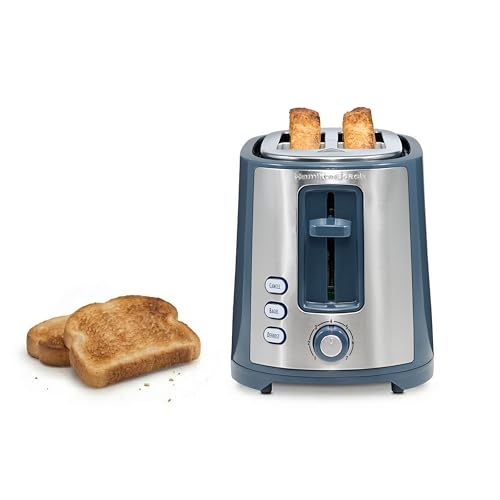
- Hamilton Beach Extra-Wide Slot 2 Slice Toaster, 22634
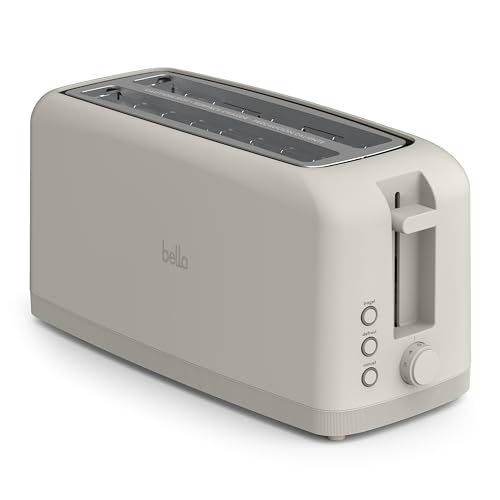
- bella Fits-Anywhere Slim Toaster, 4 Slice Extra Long & Wide Slot, Oatmilk
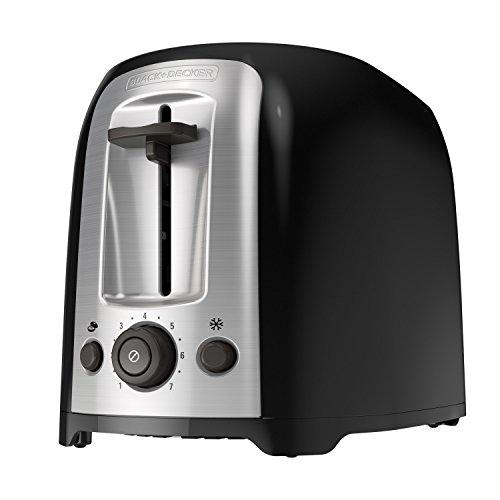
- BLACK+DECKER 2-Slice Toaster with Extra-Wide Slots
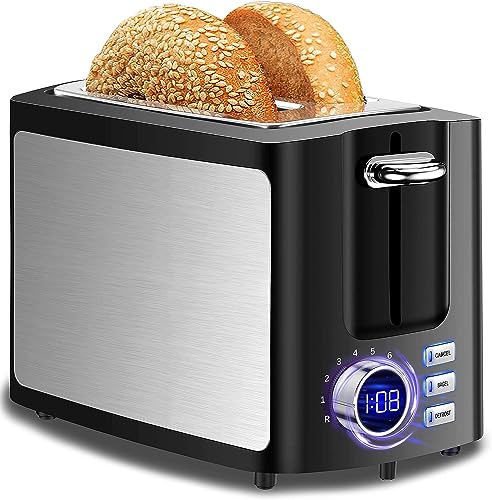
- Hommater 2 Slice Wide Slot Smart Toaster with LCD Countdown
- Amazon Basics 2 Slice Toaster, 900W, Black & Silver
Read the full guide ↓ for the per-model reviews, the voltage and plug briefing every Australian buyer needs, and the local-bread notes, crumpets included, that change which features matter.
The search for best toasters australia usually begins with a perfectly reasonable assumption: that a toaster is a toaster everywhere. The machines in this guide show why the designs travel better than the hardware. The design questions are universal. How many slices at once, how wide the slots, how many browning settings, whether small items can be retrieved without a fork, whether the crumb tray comes out for cleaning. Those answers are all stated in the verified titles below, and they hold in Sydney exactly as they hold in Seattle. The hardware question is local and non-negotiable. Australian power is 230 to 240 volts at 50 hertz through Type I sockets, the flat three-pin plugs with the distinctive angled active and neutral pins. North American toasters are designed around 120 volts, and the only pick in this pool that states a wattage at all, the Amazon Basics at 900W, states it in a North American listing context. A plug adaptor changes the shape of a connection, not the voltage, and running a 120-volt heating appliance on 240 volts is a recognised way to destroy it and create a fire risk. Voltage converters rated for high-wattage heating appliances exist, but they are bulky, costly, and a poor foundation for a daily breakfast appliance. The sane Australian strategies are the two this guide supports: buy the Australian-market version of a shortlisted design through a local retailer, or, where a specific unit is genuinely dual-rated and correctly plugged, verify that rating on the unit’s own rating plate before first use. Everything else in this guide, the capacities, the stated functions, the slot dimensions, including the Elite Gourmet’s 1.25-inch slots, about 3.2 centimetres in the metric terms Australian listings use, is written to help you choose the design. The electrical check then makes the design safe to own. Readers comparing retail channels generally will find the channel discipline in our guide to Best Toasters Black And Decker Vs Cuisinart complementary, since it applies the same verify-the-title method to a brand question.
Key Takeaways
- Voltage first: Australia is 230 to 240 volts with Type I plugs. Never run a 120-volt North American toaster on Australian power through a shape-only adaptor.
- All six picks are verified designs with specifications from their own titles; buy the Australian-rated version of your chosen design, or verify a dual rating on the unit itself.
- The bella is the only four-slice pick, in a slim long-slot body that suits Australian bench spaces, which are often tighter than American counters.
- Australian bread culture, thick-cut toast loaves, crumpets, and English muffins, rewards extra-wide slots and lift features, both stated on several picks here.
- Slot width converts cleanly: the Elite Gourmet’s stated 1.25-inch slots are about 3.2 centimetres, a useful benchmark against metric local listings.
- Model numbers ECT1027B and 22634 are stated on two picks, making cross-market identification of the exact design straightforward.
In this guide
Quick Picks
| Pick | Badge | Stated capacity | Standout stated feature | Link |
|---|---|---|---|---|
| Elite Gourmet ECT1027B | Best Overall | 2-Slice | Cool-touch body, 1.25-inch extra-wide slots | Check on Amazon |
| Hamilton Beach 22634 | Best Toast Boost Pick | 2 Slice | Toast Boost, auto shutoff, 7 shades | Check on Amazon |
| bella Fits-Anywhere Slim Toaster | Best for Families | 4 Slice | Extra long and wide slot, slim body | Check on Amazon |
| BLACK+DECKER 2-Slice Toaster | Best Extra-Lift Pick | 2-Slice | Extra lift lever, bagel mode, 7 shades | Check on Amazon |
| Hommater 2 Slice Smart Toaster | Best Smart Display | 2 Slice | LCD countdown timer, 9 shades, reheat | Check on Amazon |
| Amazon Basics 2 Slice Toaster | Best Stated-Spec Pick | 2 Slice | Stated 900W, cord wrap, crumb tray | Check on Amazon |
Read this table as a design shortlist, not a shipping list. Best Overall goes to the Elite Gourmet because its stated combination, cool-touch body, precisely stated slot width, six shades, and a model number, is the easiest design in the pool to identify, compare against Australian-market listings, and live with in a family kitchen. The bella takes the family badge on stated capacity alone: four slices in a slim body is a proposition Australian benches, often narrower than the American counters these products are photographed on, can actually accommodate. The Amazon Basics earns a specification badge rather than a performance one, because it is the only pick whose title states a wattage, and that stated figure is exactly the kind of detail an Australian buyer must interrogate hardest: a wattage is only meaningful alongside a voltage rating, and the rating plate of the actual unit, not the listing headline, is where the truth lives. The reviews below develop each design on its stated merits, and the sections after them handle the electrical and local-shopping method in full.
How These Picks Were Chosen
The pool was verified through Amazon’s Creators API on 2026-11-20, and every specification in this guide comes from the products’ own API titles. For the Australian lens we then applied three additional tests. First, identifiability across markets: can an Australian shopper take this design’s identity, a model number or a precise stated feature set, into a local retailer’s catalogue and confirm they are looking at the same machine? The Elite Gourmet and the Hamilton Beach pass most cleanly, with ECT1027B and 22634 stated outright. Second, fit with Australian bread: local toast loaves are often cut thick, crumpets and muffins are breakfast staples rather than occasional guests, so stated slot width and stated lift mechanisms were weighted heavily. Third, honesty about power: we have not converted, assumed, or implied any voltage rating for any pick, because no title in the pool states one, and inventing electrical specifications for another country’s mains supply would be the single most irresponsible thing a buying guide could do. This is a research-led guide with no hands-on testing claims; browning varies by unit and loaf in any market. What research establishes reliably is what each design claims, how those claims compare, and what a buyer in a 240-volt country must verify before money changes hands. The North American channel version of this discipline appears in our guide to Best Toasters Black Friday, where the verification burden falls on deal listings rather than on voltage, but the habit, read the title, check the number, is identical.
The 6 Best Toaster Designs for Australian Shoppers
Badges match the Quick Picks table. Each review uses only stated specifications, names one honest limitation, and ends with a plain verdict and a link for checking the current listing and specification.

Elite Gourmet 2-Slice Cool-Touch Toaster, ECT1027B
Badge: Best Overall
Strengths
- Cool-touch body stated, ideal for the close-quarters benches common in Australian kitchens and units.
- Slot width stated precisely at 1.25 inches, about 3.2 centimetres, sized for bagels and thick-cut local toast loaves.
- Model number ECT1027B stated, the cleanest cross-market identification in this pool.
Trade-offs
- No defrost or reheat function stated in the title.
- Black is the only stated colour.
- As a North American listing, the unit’s voltage must be verified as Australian-rated before any local use.
Mini spec box: Capacity as stated: 2-Slice. Slot width as stated: 1.25-inch extra-wide, about 3.2 cm. Shades: 6. Functions stated: Cancel, bagels and thick bread. Colour stated: Black. Model: ECT1027B.
The Elite Gourmet leads this guide because it is the design an Australian shopper can most completely reason about from a distance. The cool-touch body suits the reality of Australian benches, where the toaster often lives in a corner traffic path between kettle and fridge, and where summer kitchens make a hot metal box genuinely unpleasant to brush past. The stated slot width does the local-bread work: thick-cut toast slices and halved bagels fit a 3.2-centimetre slot without the squeeze that tears crumb structure, and six shades covers the household argument from pale to dark. Above all, the model number makes the design portable across catalogues; an Australian retailer listing an ECT1027B can be compared against this review line by line. Its honest limitation, shared by the whole page and stated plainly, is electrical: nothing in its title speaks to voltage, so the Australian-rated version is the one to buy, full stop.
Best for: Australian families and unit-dwellers who want a verifiable, cool-touch two-slice design / Not suited for: shoppers needing a stated defrost function or four-slice capacity
Hamilton Beach Extra-Wide Slot 2 Slice Toaster, 22634
Badge: Best Toast Boost Pick
Strengths
- Toast Boost stated, lifting crumpets and muffins, both Australian staples, clear of the slots.
- Auto shutoff stated, a reassuring safety feature in busy households.
- Model number 22634 stated, with seven shades, bagel and defrost buttons, and a slide-out crumb tray.
Trade-offs
- Kitchen Makeover Blue is a bold stated finish.
- Two-slice capacity beneath the extra-wide language.
- Voltage must be verified as Australian-rated for local use, as with every pick here.
Mini spec box: Capacity as stated: 2 Slice. Slots: extra-wide slot. Shades: 7. Functions stated: Bagel, Defrost, Toast Boost, auto shutoff. Crumb tray: slide-out. Colour stated: Kitchen Makeover Blue. Model: 22634.
Crumpets are the test this machine was, in effect, designed to pass. A crumpet is short, dense, and determined to sit below the rim of a standard slot, and the Hamilton Beach’s stated Toast Boost exists for exactly that geometry, lifting small items into safe reach. Add the stated defrost button, which suits the Australian habit of freezing sliced loaves in humid climates where bench-stored bread moulds quickly, and the auto shutoff, and the 22634 reads as a design that has thought about real breakfasts rather than brochure ones. The model number again earns its keep for cross-market shoppers: 22634 is a complete search string in any catalogue. The finish is the honest friction point; Kitchen Makeover Blue is cheerful and specific, and in an Australian kitchen it will either be the accent or the argument. Decide that with your eyes open, verify the electrical rating as this guide insists, and this is the most completely problem-solving two-slice design on the page.
Best for: crumpet and muffin households, freezer-loaf homes, and anyone wanting auto shutoff / Not suited for: four-slice families and neutral-finish kitchens

bella Fits-Anywhere Slim Toaster, 4 Slice
Badge: Best for Families
Strengths
- Only stated four-slice capacity in the pool, in an extra long and wide slot.
- Slim Fits-Anywhere body suits the narrower benches of Australian units, terraces, and older kitchens.
- Long slot suits the long slices of bakery sourdough popular in Australian cafes and home kitchens alike.
Trade-offs
- No shade count, defrost, or bagel function stated in the title.
- Oatmilk is the stated finish, a specific warm tone.
- No model number stated, and voltage must be verified as Australian-rated before local use.
Mini spec box: Capacity as stated: 4 Slice. Slot: extra long and wide. Body: Fits-Anywhere slim. Finish stated: Oatmilk.
Australian housing makes the bella’s design argument better than the American market does. Bench depth in a Sydney unit or a Melbourne terrace is rarely generous, and a conventional four-slice block can consume the entire workable run between sink and stove. The bella’s slim long-slot format, four stated slices in a row, is the capacity answer that fits that geometry, sliding along a wall where a square machine would squat in the middle of the workspace. The long slot also meets Australian bread culture where it lives: the long oval slice from a bakery sourdough, toasted whole rather than trimmed, is a weekend ritual in plenty of households, and this is the only format here that welcomes it. The documentation cautions stand as elsewhere in this guide: the title states no shade count and no defrost or bagel function, so confirm those on the current listing if they matter to you, and the electrical verification is absolute. As a design for an Australian family bench, though, nothing else in the pool makes the same space-versus-capacity trade, and it is not close.
Best for: Australian families in space-tight kitchens and sourdough households / Not suited for: shoppers who need stated defrost or shade details in the title
BLACK+DECKER 2-Slice Toaster with Extra-Wide Slots
Badge: Best Extra-Lift Pick
Strengths
- Extra lift lever stated, the second small-item solution in this pool.
- Seven shade settings and a bagel mode stated.
- Removable crumb tray stated, from a brand Australian shoppers will recognise from local shelves generally.
Trade-offs
- No defrost function stated in the title.
- No model number stated; brand recognition is not identification, so match the full title.
- Two-slice capacity, and voltage must be verified as Australian-rated for local use.
Mini spec box: Capacity as stated: 2-Slice. Slots: extra-wide. Shades: 7 settings. Functions stated: bagel mode, extra lift lever. Crumb tray: removable.
The BLACK+DECKER is the familiar-name pick, and familiarity cuts both ways for the Australian shopper. The brand’s long presence in appliance retail generally means the design language is well understood and the machine’s proposition, wide slots, full shade range, bagel mode, lift lever, removable tray, needs no explanation. But a famous name spans many models in every market, and this review is of the specific combination stated above, not of the brand in the abstract. An Australian buyer comparing a local listing should match the whole stated combination and then perform the same electrical check as for every pick here, because brand familiarity says nothing about the rating plate of an individual unit. Within the kitchen, its case is retrieval and range: the extra lift lever handles the crumpet problem by a different mechanism than the Hamilton Beach’s boost, and seven shades settles most household disputes. Its stated gap is defrost, which in a humid-climate, freezer-loaf household is a real consideration rather than a footnote.
Best for: two-slice households that toast small items and want a familiar, fully stated design / Not suited for: freezer-first households needing stated defrost, and four-slice families
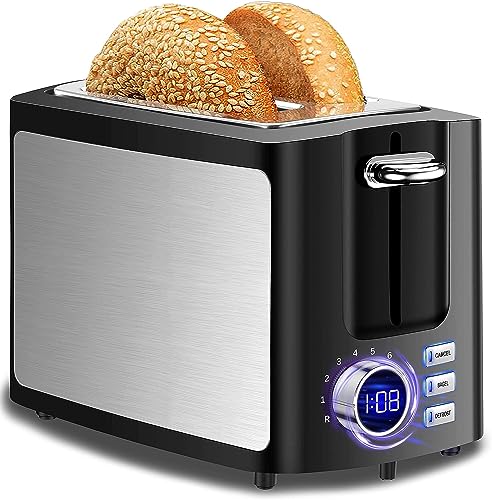
Hommater 2 Slice Wide Slot Smart Toaster
Badge: Best Smart Display
Strengths
- LCD digital countdown timer stated, unique in this pool.
- Nine shade settings stated, the widest range here, suiting households split between pale and very dark toast.
- Bagel, defrost, cancel, and reheat functions all stated.
Trade-offs
- No model number stated, so cross-market matching relies on the full title.
- Two-slice capacity.
- An online-first design; Australian buyers should expect to verify rating and supply route carefully before ordering.
Mini spec box: Capacity as stated: 2 Slice. Slots: wide slot. Shades: 9 settings. Display: LCD digital countdown timer. Functions stated: Bagel, Defrost, Cancel, Reheat.
The Hommater is the design for the cook who runs a breakfast like a small kitchen brigade. The countdown display turns toast from a surprise into a schedule, which matters when eggs are poaching and coffee is brewing to the same deadline, and nine shades is a genuinely wide field for households where one person’s perfect is another person’s barely warm. The stated reheat function is the quiet star, rescuing the slice that popped up while someone was finding the Vegemite. For the Australian buyer, this is the pick where the guide’s discipline matters most: an online-first design, no model number, and a feature list that must be matched in full on any listing, local or imported, before the electrical question is even asked. Pass both checks, title and rating plate, and it is the most capable two-slice proposition here. Skip either check and it is a gamble, and this guide’s whole purpose in the Australian market is to retire gambles.
Best for: timed-breakfast cooks and households with wide shade disagreements / Not suited for: families needing four slices, or buyers who cannot verify an Australian-rated unit

Amazon Basics 2 Slice Toaster, 900W
Badge: Best Stated-Spec Pick
Strengths
- Only pick stating power in the title, 900W, giving cross-market shoppers a concrete figure to interrogate.
- Cord wrap and removable crumb tray stated.
- Defrost, cancel, and bagel buttons with six browning settings, all stated.
Trade-offs
- The stated wattage belongs to a North American listing context; wattage without a matching voltage rating means nothing for Australian use, and the unit’s rating must be verified.
- Six browning settings is the pool’s joint-narrowest range.
- Two-slice capacity, in a Black and Silver colourway only, as stated.
Mini spec box: Capacity as stated: 2 Slice. Slots: extra wide, for bagels. Power as stated: 900W. Browning settings: 6. Functions stated: Defrost, Cancel, Bagel. Extras: removable crumb tray, cord wrap. Colour stated: Black & Silver.
This pick teaches the most important Australian lesson in the guide, so it is worth stating slowly. A wattage figure tells you how much power a toaster draws at its designed voltage. The same heating elements connected to roughly double the voltage would draw far more than the stated power and fail, which is why a number like 900W can never be read across markets on its own. What the Amazon Basics offers the careful shopper is a model of specification honesty: capacity, slots, settings, functions, tray, cord storage, and power, all in the title, all checkable. Use it as the template for the questions you ask of any unit actually sold for Australia: what is the rated voltage range on the plate, what plug is fitted, and do the stated features match this list? A local unit that answers those questions cleanly is a good buy whatever its badge. A unit that cannot answer them is not a bargain at any price, and the Australian market’s consumer protections exist partly because imported electrical goods have taught that lesson the hard way before.
Best for: specification-led shoppers furnishing simply, including rentals and share houses / Not suited for: anyone tempted to import a 120-volt unit for Australian power
Comparison Table
| Pick | Capacity | Shades stated | Standout stated feature | Model no. in title | Amazon |
|---|---|---|---|---|---|
| Elite Gourmet ECT1027B | 2-Slice | 6 | Cool-touch body, 1.25-inch slots | ECT1027B | Check on Amazon |
| Hamilton Beach 22634 | 2 Slice | 7 | Toast Boost, auto shutoff | 22634 | Check on Amazon |
| bella Fits-Anywhere Slim | 4 Slice | Not stated | Extra long and wide slot, slim body | No | Check on Amazon |
| BLACK+DECKER 2-Slice | 2-Slice | 7 | Extra lift lever, bagel mode | No | Check on Amazon |
| Hommater Smart Toaster | 2 Slice | 9 | LCD countdown, reheat | No | Check on Amazon |
| Amazon Basics 2 Slice | 2 Slice | 6 | Stated 900W, cord wrap | No | Check on Amazon |
Every row of this table needs the same footnote, and it is the most important sentence in the guide: no row states a voltage, so every purchase for Australian use must be of a unit rated for Australian supply, verified on the unit or its local listing. The features choose the design; the rating plate approves the purchase.
How to Choose a Toaster in Australia
Work in the Australian order, which is safety, fit, then features. Safety is the electrical gate and it is not a preference: the unit must be rated for 230 to 240 volts and supplied with an Australian Type I plug or an approved Australian configuration. A travel adaptor that only changes pin shape does not pass this gate, and a step-down converter big enough for a heating appliance is a specialist purchase that makes no sense under a toaster. If a listing cannot tell you the rating, the listing has failed the first test and no feature list can rescue it. Fit comes second, and in Australia fit means bench geometry and bread geometry. Measure the bench run and the under-cupboard height; the bella’s slim format exists for the common case where both are tight. Then measure your bread. A thick-cut slice from a standard Australian toast loaf is a bigger object than an American sandwich slice, and the stated slot widths here, led by the Elite Gourmet’s 1.25 inches, about 3.2 centimetres, are the numbers to compare against your loaf and your bagels. Crumpets and muffins argue for a stated lift mechanism, Toast Boost or an extra lift lever, because their height, not their width, is the problem. Features come third and should be chosen from stated lists only. Defrost is stated by the Hommater, Amazon Basics, and Hamilton Beach, and matters in humid regions where bread lives in the freezer. A countdown is the Hommater’s alone. A cool-touch body is the Elite Gourmet’s alone. Auto shutoff is the Hamilton Beach’s alone. Treat those exclusivities as the real shortlist logic: the feature your household will use daily is worth more than a longer list of features it will not. Finally, buy through channels that make the electrical check easy: local retailers whose stock is Australian-rated by definition, or listings that state ratings plainly. The Canadian version of cross-border caution, same continent, different details, is covered in our guide to Best Toasters Canada, and it is worth reading as a reminder that even a shared border does not make appliances interchangeable without checks.
How to Use, Clean, and Look After Your Toaster
Once an Australian-rated unit is on the bench, ownership technique is universal, with two local footnotes. Calibrate in the first week: your usual loaf at a middle setting, adjusted a step at a time, noting that thick Australian toast cuts often need a touch more time than thin sandwich slices, that the day’s first cycle runs pale as elements warm, and that back-to-back cycles run hot, so a family run should step down a shade after the first round. Frozen slices, a daily reality where bread is freezer-kept against humidity, deserve the stated defrost cycle where your model has one, rather than a longer standard cycle that dries the crumb. Crumpets should be centred and lifted with the stated boost or lever where fitted; their flat tops brown fast, so start them a shade lighter than bread. Bagels go cut-side toward the centre elements under a bagel mode where one is stated. Cleaning is a rhythm of crumbs and cloth: empty the tray, removable or slide-out on the three picks that state one, every few uses, shake out tray-less models unplugged and fully cool over the bin, and wipe the exterior with a damp cloth only. Never immerse the machine, and never retrieve stuck toast with metal while it is plugged in; wooden tongs live next to every well-run toaster. The local footnotes are these. First, keep the rating plate legible and the plug’s pins straight and clean; Australian sockets switch at the wall, and the good habit is toaster off at the wall when the bench is being cleaned with water nearby. Second, summer heat and enclosed beach-house or caravan benches argue for breathing room around the machine and against leaving it running unattended, which is where the Hamilton Beach’s stated auto shutoff earns genuine peace of mind. Three common problems close the section. Problem: one face browns more than the other → centre the slice, clear crumbs from the slot walls, and avoid pairing a thick and a thin slice in one cycle. Problem: crumpets catch at the top → start a shade lighter and use the lift feature rather than pressing them down to load. Problem: toast is pale since the weather turned humid → moisture in the loaf is the usual cause; a step up in shade or a defrost-style gentle cycle for stored bread restores the result. Technique, as always, is cheaper than replacement.
Importing Versus Buying Locally: The Australian Verdict
The temptation is understandable. An overseas listing shows a design you cannot find locally, the price looks friendly, and checkout is three clicks. Resist evaluating that temptation on price at all, because for mains appliances the comparison is not like-for-like until the electrical question is answered, and once it is answered the answer usually ends the discussion. A unit rated only for 120 volts is not a cheaper toaster in Australia; it is not a toaster in Australia at all. A genuinely dual-rated unit, verified on its rating plate and fitted for Australian sockets, is a legitimate purchase, and such units exist in travel-oriented and some international ranges, but none of the six titles in this guide states a dual rating, so none can be recommended for import on the evidence available. Buying locally inverts every one of those risks: Australian-rated stock, Australian plugs, local consumer guarantees, and a returns path measured in suburbs rather than oceans. The role of this guide in that purchase is the shortlist and the checklist. Choose the design here, on stated capacity and features. Carry its identity, model number or full title, into the local market. Verify the rating there. That sequence gets an Australian household the best of both worlds: global design research, local electrical sanity. Shoppers who enjoy the evaluation process itself, comparing stated features across many models before choosing, will find the same satisfaction, minus the voltage stakes, in our shopper-focused guide to Best Toasters Consumer.
Planning the Bench in Metric: Space, Heat, and Workflow
Australian listings speak metric, so plan the bench in metric from the start and the whole purchase gets easier. Begin with the run: measure the clear bench length where the toaster will live, then the depth from the wall to the bench edge, then the height to the underside of any overhead cupboard. A toaster needs working clearance on all three axes, room in front to load and retrieve without reaching over the machine, room above for heat and steam to escape rather than soak into cupboard undersides, and room behind for the cord to fall without being pinched against the wall. The slim long-slot format of the bella changes this maths in a specific way: it asks for length along the wall instead of depth out into the bench, which in many Australian kitchens, where the bench run is long but shallow, is the trade the room prefers. A conventional two-slice machine asks for a compact square; a conventional four-slice block asks for a generous square that many benches cannot spare. Lay your measurements against those three shapes honestly, and remember to leave the kettle its own territory, because the two appliances are used in the same five minutes and a bench planned for one at a time will frustrate you daily. Workflow matters as much as geometry. Toast lands on plates, plates live in a cupboard, and the shortest path between toaster, plate storage, and the butter and spreads is the path your mornings will take ten thousand times. A toaster exiled to a far corner because it was the only space left will be used resentfully; a toaster placed where breakfast actually happens, with its tray emptied on the rhythm this guide describes, disappears into the routine. Finally, think about power points. Australian kitchens often have fewer accessible outlets than the appliance collection wants, and a toaster that must be unplugged and moved to reach a socket will slowly stop being used. Give the chosen machine a permanent home within cord reach of its own switched outlet, and let less-used appliances be the ones that travel.
Holiday Houses, Caravans, and the Second-Toaster Question
Australia runs on second locations: the beach house, the caravan, the granny flat, the rental between tenants. Toasters for these places are bought differently, and this pool contains two designs that suit the pattern particularly well, for reasons their titles state plainly. The first is storage. A machine that lives in a cupboard or a caravan locker between uses benefits from the Amazon Basics’ stated cord wrap, because a wrapped cord is the difference between a tidy locker and a snarl that damages plugs, and from a compact two-slice footprint that yields its bench when the space becomes a living area again. The second is tolerance. Holiday kitchens host rotating users who will not read a manual, so the machine should be understandable at a glance: a clear shade control, an obvious cancel, and no dependence on a learning curve. That argues for the simpler stated control sets over the Hommater’s richer display, delightful as the countdown is in a primary kitchen where one cook learns it once. Caravan and off-grid-adjacent use adds the electrical discipline of this whole guide in a sharper form: the unit must be Australian-rated, and its draw must suit the supply it will actually meet, which is another reason the stated wattage habit matters, a number on the title invites the right question even when the answer must come from the rating plate. For the granny flat and the rental, add durability of routine: a removable or slide-out crumb tray, stated on three picks here, keeps the cleaning burden low for occupants who did not choose the machine and will not baby it. Buy the second toaster the way you would buy the first, by stated title and verified rating, just weighted toward storage, simplicity, and cleaning. The households that equip their second places from the cast-offs of the first usually end up buying twice; the ones that shortlist properly, as this guide does for the main kitchen, buy once per location and think about toast never again.
Common Buying Mistakes
The first Australian mistake is the adaptor fallacy: believing a pin-shape adaptor makes a foreign appliance compatible. It changes geometry, not voltage, and with heating appliances the difference can destroy the machine. The second is reading a wattage as a universal number, when wattage only has meaning at the appliance’s rated voltage. Third, assuming a global brand sells the identical unit in every market; ranges, ratings, and even feature sets vary by country, which is why model numbers and full titles must be matched, not logos. Fourth, buying capacity for American counter dimensions and discovering the machine overwhelms an Australian bench; measure first, and respect the slim format’s reason for existing. Fifth, ignoring local bread: a slot that suits thin sandwich slices can still fail a thick-cut toast loaf or a crumpet, so width and lift deserve the attention this guide gives them. Sixth, discarding packaging before the rating and the first-week calibration are confirmed; both checks are easier with the box and paperwork in hand.
Final Recommendation
For most Australian households, the Elite Gourmet ECT1027B is the design to beat: cool-touch body, precisely stated wide slots for thick local cuts, six shades, and a model number that makes finding its Australian-rated equivalent a one-line search. Families should take the Hamilton Beach 22634 if crumpets, defrost, and auto shutoff top the list, or the bella Fits-Anywhere Slim Toaster when four slices must fit a narrow bench. Check the latest price on Amazon for the design you choose, then buy the version rated for Australian power, verified on the unit itself. The design decision is the enjoyable part; the rating check is the important part; this guide insists you do both.
A Note on Seasons: Toasters Behave Differently Across an Australian Year
One last piece of local realism. Bread is a seasonal food in a warm climate, whether households think of it that way or not. In humid summer months a loaf kept on the bench ages in days, which pushes households toward the freezer, which pushes the defrost function, stated on three of these picks, from a nice extra to the centre of the routine. In cooler months the same household may keep bread out and barely touch defrost for weeks. A toaster bought in winter for its simplicity can therefore be the wrong toaster by February, and the shopper who thinks across the whole year will weight the stated defrost question accordingly. Heat plays its part too: a summer kitchen is already warm at seven in the morning, and a cool-touch exterior, the Elite Gourmet’s stated distinction, is worth more in January than in July, just as an auto shutoff is worth more in a holiday house that empties in a rush at checkout time. None of this changes the shortlist, but it should change the order in which different households read it, and it is the kind of detail a guide written for a specific country owes its readers.
Frequently Asked Questions
Can I use an American toaster in Australia with a travel adaptor?
No, not safely. A travel adaptor changes the plug’s shape only. Australian outlets supply 230 to 240 volts, roughly double the 120 volts a North American toaster is built for, and a heating appliance run at double voltage can fail dangerously. Only use a unit whose rating plate shows it is rated for Australian voltage, fitted for Australian sockets.
What should I check on the rating plate before buying?
Look for a voltage range that includes Australian supply, 230 to 240 volts, and confirm the plug is the Australian Type I pattern or an approved local configuration. If a listing or a seller cannot state the rating, treat that as a failed check and buy a locally supplied, Australian-rated unit instead.
Which of these designs suits thick Australian toast loaves?
Designs with stated extra-wide slots, led by the Elite Gourmet, whose title states 1.25-inch slots, about 3.2 centimetres. Width is the fit question for thick cuts, while crumpets and muffins are a height question, answered by the stated lift features on the Hamilton Beach and the BLACK+DECKER.
Is four-slice capacity worth it in a small Australian kitchen?
It can be, because of format. A conventional four-slice block is wide in every direction, but the bella’s slim long-slot design puts four stated slices along a wall, which suits narrow benches. Measure your run first; if a slim format fits and your household eats together, the capacity earns its footprint.
Why does this guide link to Amazon listings if I should buy an Australian-rated unit?
The links let you check the current price and the complete stated specification for each exact design, which is the research layer of the purchase. The buying layer for use in Australia is a unit rated for Australian power, whether that is the model’s local version from an Australian retailer or a verified dual-rated unit. The guide keeps those layers separate on purpose.
Do shade settings behave the same on Australian power?
On a correctly rated unit, the settings behave as the manufacturer intends for that market’s supply. What changes browning in practice is your bread: thick, moist, or frozen slices need more than thin dry ones, and the first cycle of the day runs paler than later ones. Calibrate with your own loaf during the first week.
What is the safest pick for a household with children?
The Elite Gourmet, on its stated cool-touch body, which addresses the everyday hazard of a hot exterior in a busy kitchen. The Hamilton Beach adds a different safety virtue, a stated auto shutoff. Both still require the standard rule for any Australian purchase: a unit rated for Australian power, verified before first use. For how independent testers weigh safety and consistency criteria like these, see our explainer on Best Toasters Consumer Reports.