Disclosure: topratedkitchenware.com is reader-supported. When you buy through links on our site, we may earn an affiliate commission from Amazon and other retailers, at no extra cost to you.
Where to buy
This is the consumer edition of our toaster guide, written for the shopper rather than the enthusiast. It assumes you do not care about toasters as a hobby, that you want one machine that fits your household, works every morning, and never needs thinking about again, and that your real questions are practical: what do the specifications actually mean, which features are worth having, which are decoration, and how do you avoid paying for the wrong thing. The six picks below are verified through Amazon’s Creators API data, every specification comes from the product’s own title, and our links go to the Amazon listings so you can check the latest price and the complete listing for the exact model. No pick here is recommended because it is famous, new, or heavily promoted. Each is recommended for a stated reason that a consumer can check in under a minute, and the guide explains the checking as carefully as the choosing, because a consumer who can check is a consumer who cannot be sold the wrong toaster twice.
- Elite Gourmet 2-Slice Cool-Touch Toaster, ECT1027B
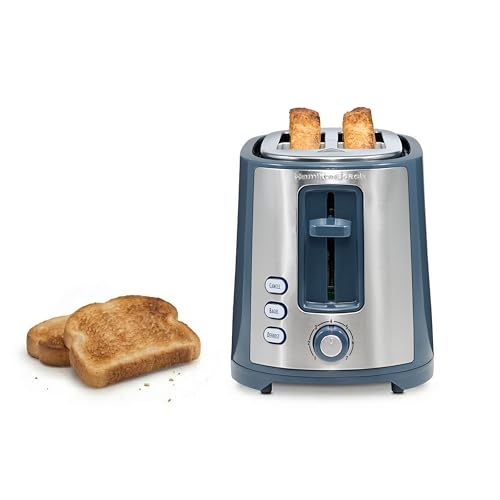
- Hamilton Beach Extra-Wide Slot 2 Slice Toaster, 22634
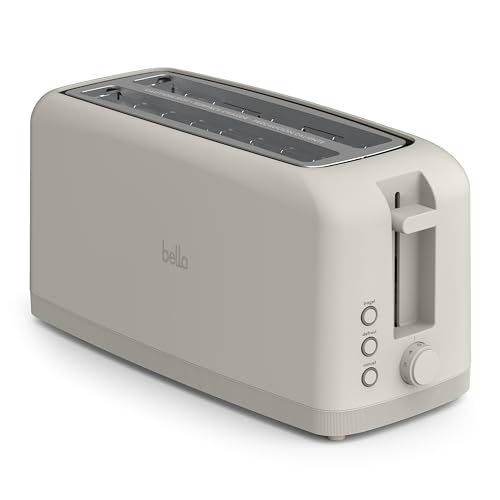
- bella Fits-Anywhere Slim Toaster, 4 Slice Extra Long & Wide Slot, Oatmilk
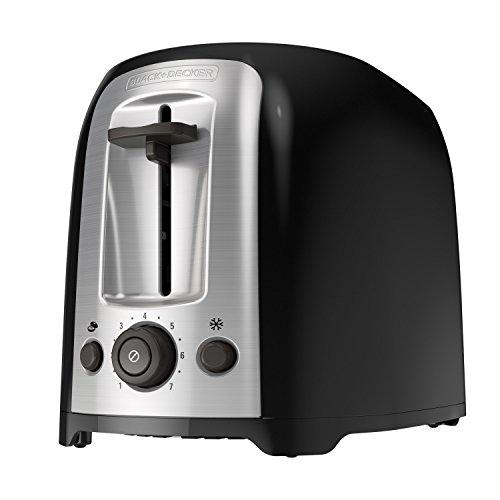
- BLACK+DECKER 2-Slice Toaster with Extra-Wide Slots
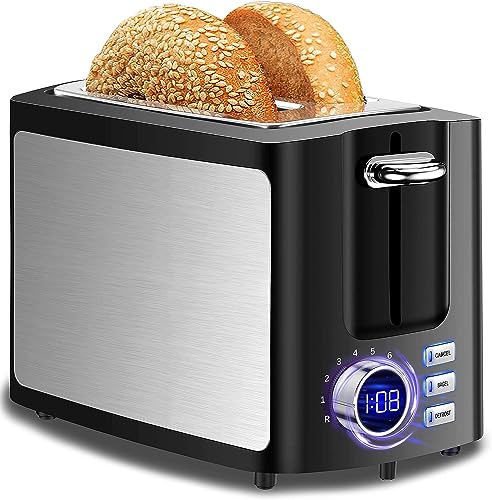
- Hommater 2 Slice Wide Slot Smart Toaster with LCD Countdown
- Amazon Basics 2 Slice Toaster, 900W, Black & Silver
Read the full guide ↓ for the per-model reviews in plain consumer language, the specification decoder, and the household-by-household matching that turns six good machines into one right purchase.
The phrase best toasters consumer describes a stance as much as a search. Consumer guidance, done properly, is on the buyer’s side of the counter: it translates specifications into consequences, it treats every unstated feature as absent rather than assumed, it counts the cost of a wrong purchase in years of mornings rather than in the price tag alone, and it refuses to invent the numbers, ratings, laboratory results, and hands-on verdicts that make shopping content sound authoritative while saying nothing checkable. That is the discipline of this page. The six machines below were verified against their Creators API titles on 2026-11-20. What a title states, we use: the Elite Gourmet’s cool-touch body and precisely stated 1.25-inch slots, the Hamilton Beach’s Toast Boost, auto shutoff, and model number 22634, the bella’s four stated slices in a slim long-slot body, the BLACK+DECKER’s extra lift lever and bagel mode, the Hommater’s countdown display, nine shades, and reheat function, the Amazon Basics’ stated 900W, cord wrap, and complete everyday function list. What a title does not state, we flag as not stated, because a consumer’s most expensive assumption is the feature they believed was included and was not. The guide is organised the way a good consumer decision actually unfolds: a shortlist with honest badges, a method section that shows its working, reviews that name a limitation for every pick, a decoder for the specifications, a matching exercise by household type, the ownership basics that decide whether a good purchase stays good, and a mistakes list drawn from the ways toaster purchases actually go wrong. Readers who want to see how professional testing organisations approach the same category can continue to our explainer on Best Toasters Consumer Reports after this page; the consumer method here is the home version of the same scepticism.
Key Takeaways
- Buy the stated specification, not the story: every recommendation here rests on words in the product’s own verified title that you can check yourself.
- An unstated feature is an absent feature. Defrost, a crumb tray, and a lift mechanism are each missing from at least one title in this pool.
- Match the machine to the household, not to an ideal kitchen: capacity for families, cool-touch for homes with children, defrost for freezer-loaf homes, a countdown for scheduled homes.
- The bella is the only four-slice pick; the other five are two-slice machines with different stated strengths, and none of them is a failed four-slice machine.
- Model numbers ECT1027B and 22634 make two picks exactly identifiable in any shop or listing, which is a consumer protection in itself.
- The cheapest toaster is the one bought once: a slightly better-specified machine that fits your routine costs less over its life than a bargain that fights it.
In this guide
Quick Picks
| Pick | Badge | Stated capacity | Standout stated feature | Link |
|---|---|---|---|---|
| Elite Gourmet ECT1027B | Best Overall | 2-Slice | Cool-touch body, 1.25-inch extra-wide slots | Check on Amazon |
| Hamilton Beach 22634 | Best All-Rounder | 2 Slice | Toast Boost, auto shutoff, defrost stated | Check on Amazon |
| bella Fits-Anywhere Slim Toaster | Best for Families | 4 Slice | Extra long and wide slot, slim body | Check on Amazon |
| BLACK+DECKER 2-Slice Toaster | Best Familiar Buy | 2-Slice | Extra lift lever, bagel mode, 7 shades | Check on Amazon |
| Hommater 2 Slice Smart Toaster | Best Smart Display | 2 Slice | LCD countdown timer, 9 shades, reheat | Check on Amazon |
| Amazon Basics 2 Slice Toaster | Best No-Fuss Pick | 2 Slice | Stated 900W, cord wrap, crumb tray | Check on Amazon |
Best Overall in a consumer guide means something specific: the machine we would hand to the widest range of households with the fewest caveats. That is the Elite Gourmet, because its stated virtues, a cool-touch body, precisely stated wide slots, six shades, a cancel control, and a model number for exact identification, address safety, fit, and verifiability at once, and its one stated gap, no defrost in the title, is easy for a shopper to weigh. Best All-Rounder goes to the Hamilton Beach because its title states the most complete problem-solving set, boost, shutoff, defrost, seven shades, slide-out tray, and a model number, in a single machine. The remaining badges mark specialisations rather than rankings: families, familiarity, information, and simplicity each have a champion, and the reviews below argue each case in the open, limitation included, so you can disagree with our weighting and still use our facts.
How These Picks Were Chosen
Consumer method starts with a verified pool and a refusal. The pool for this guide was checked through Amazon’s Creators API, and the refusal is this: we did not use star ratings, review counts, sales ranks, or promotional claims anywhere in the selection, because none of those can be verified from the product data and all of them can be, and are, gamed by sellers. Selection ran on stated specifications alone, weighed by consumer consequence. Capacity was weighed by household size. Exterior safety was weighed for homes with children and tight counters. Defrost was weighed for the large share of households that freeze bread. Retrieval, the lift lever and Toast Boost, was weighed because small items are a daily reality and burnt fingertips are a consumer issue, not a comedy bit. Cleaning access was weighed because a toaster that is annoying to empty slowly stops being emptied, and ends its life smoking. Identifiability, the model numbers, was weighed because a consumer who cannot name the exact product cannot enforce a warranty, order a matching replacement, or even describe a fault accurately. We also state the limits of the method plainly: this is research-led guidance, not hands-on testing, and no specification can tell you how evenly a particular unit browns, which varies by individual machine and by loaf. What the method guarantees is narrower and more valuable: that every claim in this guide is checkable, every pick is what its title says it is, and every limitation we know about is printed next to the recommendation it qualifies. That is the standard consumer guidance should be held to, and it is the standard the test-kitchen tradition described in our companion piece on Best Toasters Cooks Illustrated applies inside a laboratory.
The 6 Best Toasters for Consumers
Badges match the Quick Picks table. Each review uses only stated specifications, names one honest limitation, and ends with a plain verdict and a link for checking the current listing.

Elite Gourmet 2-Slice Cool-Touch Toaster, ECT1027B
Badge: Best Overall
Strengths
- Cool-touch body stated, the clearest household-safety claim in the pool.
- Slot width stated precisely at 1.25 inches, a number a consumer can measure their bread against.
- Model number ECT1027B stated, so the exact product can be identified, warranted, and replaced like for like.
Trade-offs
- No defrost or reheat function stated in the title.
- Black is the only stated colour.
- Two-slice capacity, so family rounds take two cycles.
Mini spec box: Capacity as stated: 2-Slice. Slot width as stated: 1.25-inch extra-wide. Shades: 6. Functions stated: Cancel, bagels and thick bread. Colour stated: Black. Model: ECT1027B.
For the general consumer, this is the easiest recommendation on the page to defend. The cool-touch body addresses the most common unspoken complaint about toasters, that the outside gets hot enough to be a household nuisance, and it does so as a stated design claim rather than a hope. The slot width is given as a measurement, which respects the shopper: measure your thickest regular slice, compare it to 1.25 inches, and the fit question is answered without a purchase. Six shades is the honest middle of the browning market, enough for the pale-to-dark spread of most homes. And the model number quietly does consumer-protection work for years, because ECT1027B is how you describe this machine to a support line, a retailer, or a future self replacing it like for like. The limitation is printed on the tin: no defrost is stated, so a household that toasts from the freezer daily should either confirm the full listing or choose one of the three picks that state defrost. A consumer guide that hides that sentence would sell more toasters and serve fewer breakfasts.
Best for: the widest range of two-slice households, especially with children / Not suited for: freezer-first households needing stated defrost
Hamilton Beach Extra-Wide Slot 2 Slice Toaster, 22634
Badge: Best All-Rounder
Strengths
- Toast Boost stated, ending the sunken-muffin retrieval problem.
- Auto shutoff stated, the safety feature consumers undervalue until the day it matters.
- Defrost button, seven shades, slide-out crumb tray, and model number 22634 all stated in one title.
Trade-offs
- Kitchen Makeover Blue is a colour commitment not every consumer wants to make.
- Two-slice capacity beneath extra-wide slot language that can mislead a skimming shopper.
- The complete package can tempt buyers who need only half of it; consumers should pay for their own habits, not for completeness itself.
Mini spec box: Capacity as stated: 2 Slice. Slots: extra-wide slot. Shades: 7. Functions stated: Bagel, Defrost, Toast Boost, auto shutoff. Crumb tray: slide-out. Colour stated: Kitchen Makeover Blue. Model: 22634.
The all-rounder’s case is that it leaves the fewest households with a complaint. Small items: boosted. Frozen bread: defrosted by a stated cycle. A jammed slice on a rushed morning: shut off automatically. Crumbs: slid out and emptied in seconds. Identification: a model number. Consumer guidance should still add the discipline note: completeness is only value if your household uses it, and a single person who toasts one slice of fresh bread each morning is paying for solutions to problems they do not have. For the broad middle of households, though, mixed breads, mixed schedules, mixed preferences, this title reads like a checklist written by someone who had listened to a decade of toaster complaints and answered them in one product. The colour is the one decision to make with open eyes; blue is cheerful, specific, and permanent for the life of the machine. If the colour fails your kitchen, the honest move is a different pick from this guide, not a same-brand variant whose stated list you have not read.
Best for: mixed households wanting every everyday problem answered in one machine / Not suited for: minimalists, four-slice families, and neutral-finish kitchens

bella Fits-Anywhere Slim Toaster, 4 Slice
Badge: Best for Families
Strengths
- Only stated four-slice capacity in the pool, the fact that decides family breakfasts.
- Slim Fits-Anywhere body respects the counters consumers actually have.
- Extra long and wide slot welcomes artisan and long slices as well as standard ones.
Trade-offs
- No shade count, defrost, or bagel function stated in the title, so the consumer must check the full listing for control details.
- Oatmilk finish only, as stated.
- No model number stated; identification rests on the full title and finish.
Mini spec box: Capacity as stated: 4 Slice. Slot: extra long and wide. Body: Fits-Anywhere slim. Finish stated: Oatmilk.
The consumer case for the bella is arithmetic. A household of four eating toast together needs four slices in one cycle, and no feature list on a two-slice machine changes that arithmetic; it only decorates the queue. The bella answers the arithmetic in the format modern kitchens can house, a slim long slot along the wall instead of a wide block in the middle of the counter, and throws in a second talent, long artisan slices, that standard slots refuse outright. The consumer caution is documentation. Where rival titles enumerate their controls, this title is silent on shade count and on defrost and bagel functions, and the disciplined shopper treats silence as a question to resolve on the linked listing, not as an oversight to forgive. If the listing confirms what your household needs, this is the family buy. If a non-negotiable function cannot be confirmed, the honest fallback is a two-slice pick whose title states it, accepted with open eyes as a capacity compromise rather than discovered as one on the first school morning.
Best for: families of three or more in space-conscious kitchens / Not suited for: shoppers who need defrost or shade details confirmed in the title itself
BLACK+DECKER 2-Slice Toaster with Extra-Wide Slots
Badge: Best Familiar Buy
Strengths
- Extra lift lever stated, the retrieval solution from the brand many households already know.
- Seven shade settings and a bagel mode stated.
- Removable crumb tray stated, keeping the cleaning promise simple.
Trade-offs
- No defrost function stated in the title.
- No model number stated, and familiarity can breed the sibling mistake: the range is wide, so match the full title.
- Two-slice capacity.
Mini spec box: Capacity as stated: 2-Slice. Slots: extra-wide. Shades: 7 settings. Functions stated: bagel mode, extra lift lever. Crumb tray: removable.
Familiarity is a legitimate consumer value when it is earned, and this pick earns it the checkable way: a stated feature for each of the common two-slice needs. Wide slots for bagels and thick cuts, a bagel mode to treat them properly, seven shades for the household spread, a lift lever for the small items, and a tray that comes out for cleaning. The consumer risk with a familiar brand is not quality, it is complacency: the name is trusted so completely that the specific model goes unread, and a sibling with a thinner stated list comes home instead. Read the combination above, match it wherever you buy, and the familiarity dividend is real, a machine whose controls your household will understand in one morning because they follow the conventions this brand helped set. The stated gap is defrost, shared with the Elite Gourmet, and the same advice applies: freezer households should choose a pick that states the function, and fresh-bread households should not pay a moment’s worry to its absence.
Best for: replacement buyers and households that value familiar, complete controls / Not suited for: freezer-first households needing stated defrost
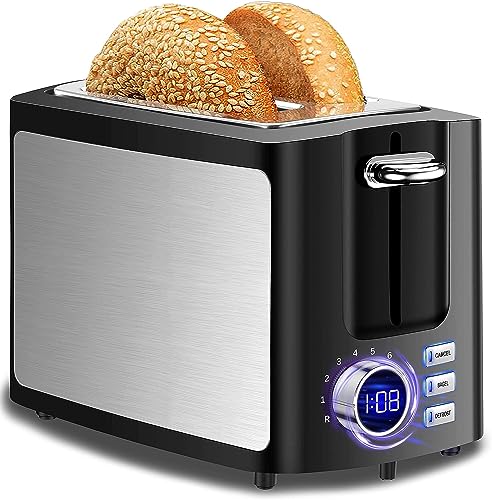
Hommater 2 Slice Wide Slot Smart Toaster
Badge: Best Smart Display
Strengths
- LCD digital countdown timer stated, information no other pick here provides.
- Nine shade settings stated, the widest range in the pool.
- Bagel, defrost, cancel, and reheat functions all stated.
Trade-offs
- No model number stated; full-title matching is the consumer’s verification.
- Two-slice capacity.
- Information has a price in complexity: households that want one dial and no display should choose a simpler pick.
Mini spec box: Capacity as stated: 2 Slice. Slots: wide slot. Shades: 9 settings. Display: LCD digital countdown timer. Functions stated: Bagel, Defrost, Cancel, Reheat.
The consumer question for the Hommater is whether information is worth having, and for a large class of households it plainly is. A countdown converts toast from an interruption into a schedule, letting eggs and coffee be timed to the minute the slices rise; nine shades convert the household browning argument into a number each person can remember as their own; the stated reheat function converts the doorbell moment from a ruined slice into a warmed one. These are not luxuries in a home where breakfast is cooked rather than merely assembled. The countervailing consumer truth is that features unused are clutter, and a household that toasts one consistent loaf at one consistent shade will use perhaps a third of this machine’s stated talents. Buy it if your mornings are timed, your household’s preferences are wide, or your bread comes from the freezer as often as the bread bin. Otherwise let its completeness impress you in the abstract and choose the simpler machine your routine actually describes. Either decision, made on stated facts, is a consumer win.
Best for: timed-breakfast cooks and households with wide shade disagreements / Not suited for: one-dial minimalists and four-slice families

Amazon Basics 2 Slice Toaster, 900W
Badge: Best No-Fuss Pick
Strengths
- Only pick stating its power, 900W, in the title, specification honesty a consumer can build on.
- Cord wrap and removable crumb tray stated, the ownership-friendly pair.
- Defrost, cancel, and bagel buttons with six browning settings, the complete everyday set, all stated.
Trade-offs
- Six browning settings is the pool’s joint-narrowest range.
- Two-slice capacity.
- Black and Silver is the only stated colourway, and the proposition is deliberately plain.
Mini spec box: Capacity as stated: 2 Slice. Slots: extra wide, for bagels. Power as stated: 900W. Browning settings: 6. Functions stated: Defrost, Cancel, Bagel. Extras: removable crumb tray, cord wrap. Colour stated: Black & Silver.
The no-fuss pick is a consumer category with honour: the machine for the household that wants toast, not a relationship with an appliance. The Amazon Basics states everything a two-slice household routinely uses and nothing it does not, and its title’s completeness, wattage included, lets a shopper verify the whole proposition in one reading, which is itself a form of respect for the buyer’s time. In ownership it keeps the two promises that matter after the first month: the tray comes out, so cleaning stays a habit, and the cord wraps, so the machine stores like it was designed by someone who has opened a kitchen cupboard. Its limits are printed in this review rather than discovered at home: six settings rather than nine, two slices rather than four, plain rather than designed. For a first kitchen, a rental, a second location, or a household replacing a failed machine on a deadline, those limits are not compromises; they are the correct specification. Consumers should also use this pick as their comparison anchor for the whole category, because any rival that states less while asking more has explained itself.
Best for: first kitchens, rentals, second locations, and deadline replacements / Not suited for: households wanting a wide shade range, a display, or four slices
Comparison Table
| Pick | Capacity | Shades stated | Defrost stated | Consumer headline | Amazon |
|---|---|---|---|---|---|
| Elite Gourmet ECT1027B | 2-Slice | 6 | Not stated | Cool-touch body, model number stated | Check on Amazon |
| Hamilton Beach 22634 | 2 Slice | 7 | Yes | Boost, shutoff, tray, model number stated | Check on Amazon |
| bella Fits-Anywhere Slim | 4 Slice | Not stated | Not stated | Four slices in a slim body | Check on Amazon |
| BLACK+DECKER 2-Slice | 2-Slice | 7 | Not stated | Lift lever and bagel mode stated | Check on Amazon |
| Hommater Smart Toaster | 2 Slice | 9 | Yes | Countdown display and reheat stated | Check on Amazon |
| Amazon Basics 2 Slice | 2 Slice | 6 | Yes | Fully stated spec, cord wrap | Check on Amazon |
Read the table the consumer way: find the column that describes your household’s daily reality, defrost for freezer homes, capacity for families, the headline feature for your specific frustration, and let that column choose the row. A table used that way is a decision tool; a table used to find the longest feature list is a sales tool, and it is selling to you.
How to Choose a Toaster: The Consumer Method
Work through five questions in order, and write the answers down, because a written answer survives a sales page and a spoken one does not. One: how many slices must be ready together? Count a real breakfast for your household, not a holiday one, and let the count choose between the bella and the five two-slice picks. Two: where does your bread live? A freezer household needs defrost stated in the title, which admits the Hommater, the Amazon Basics, and the Hamilton Beach without further debate; a bread-bin household should not pay the question another thought. Three: what goes wrong with toast in your home now? Small items sinking argues for a stated lift, the BLACK+DECKER’s lever or the Hamilton Beach’s boost. A hot exterior in a busy kitchen argues for the Elite Gourmet’s stated cool-touch body. Slices forgotten mid-morning argue for the Hamilton Beach’s stated auto shutoff. A breakfast timed to the minute argues for the Hommater’s countdown. Name the frustration and the feature names itself. Four: how will the machine be cleaned and stored? A stated removable or slide-out tray keeps cleaning at seconds; a stated cord wrap suits a machine that lives in a cupboard. Five: can you identify the exact product again in a year? A stated model number, ECT1027B or 22634, is a quiet consumer asset for warranties, support, and like-for-like replacement. Then, and only then, compare prices on the exact listings, understanding price correctly: the figure buys a specification and a service life, and the cheapest adequate specification, honestly stated, is the consumer’s bargain, while the cheapest object in the category usually is not. The exterior-temperature question inside question three has a whole discussion of its own in our guide to Best Toasters Don T Get Hot On Outside, worth reading if children or tight counters are part of your answer.
How to Use, Clean, and Look After Your Toaster
Ownership begins with a calibration week, and consumers who skip it misjudge good machines. Toast your regular loaf at a middle setting, adjust one step at a time, and write your household’s numbers on a note inside a cupboard door: bread shade, bagel shade, frozen shade. Remember the three physical facts that explain most disappointment: moist and sweetened breads brown faster than plain ones, the first cycle of the day runs pale because the elements start cold, and back-to-back cycles run darker, so a family run should step down a shade after the first round. Use functions as designed: a bagel mode expects the cut side toward the centre elements; a defrost cycle, where stated, thaws before crisping and beats a longer standard cycle for frozen slices; a reheat function, where stated, warms an interrupted slice without darkening it further. Retrieve small items with the stated lift feature where fitted, and keep wooden tongs beside the machine as the house rule; metal implements in a plugged-in toaster are the one unforgivable shortcut in this category. Cleaning is a rhythm measured in seconds: empty the crumb tray, removable on the Amazon Basics and BLACK+DECKER, slide-out on the Hamilton Beach, every few uses; shake out models whose titles state no tray, unplugged and fully cool, over a bin; wipe the exterior with a damp cloth; never immerse the machine. Three problems cover most support calls that should never have been calls. Problem: toast is darker on one side → centre the slice, clear crumbs lodged in the slot, and avoid pairing a thick and a thin slice in one cycle. Problem: the new machine’s numbers do not match the old machine’s → shade scales are not standardised between brands; recalibrate instead of concluding fault. Problem: crumbs smoke and smell burnt → the tray is full or the slot walls are carrying debris; empty, shake out, and run one empty cycle before the next breakfast. Looked after this way, a toaster’s service is measured in years of silence, which is the outcome every consumer in this guide is actually buying.
Matching the Machine to the Household: Six Short Portraits
Abstract criteria become obvious when they wear faces, so here are the six households this pool serves best. The young family, two adults, two children, toast as a weekday system: the bella if breakfast is simultaneous, the Elite Gourmet if it is staggered, because the cool-touch body forgives the traffic of a family kitchen. The couple who cook properly, eggs timed, coffee timed, preferences opposite: the Hommater, whose countdown runs the schedule and whose nine shades give each partner a number of their own. The mixed house-share, rotating users, no shared habits, a machine that must survive democracy: the Hamilton Beach, because its stated set answers the widest range of users and its auto shutoff covers the user who walks away. The loyal replacer, whose previous machine gave a decade and who wants the same again: the BLACK+DECKER, matched carefully by its full stated title. The first kitchen, the rental, the cottage, the deadline purchase: the Amazon Basics, fully stated, simply controlled, easy to store, easy to clean. The specification sceptic, who reads every label and trusts none: either model-numbered pick, ECT1027B or 22634, because a number is the one claim in retail that cannot be spun. If your household is none of these portraits exactly, blend the two nearest and weight the feature columns of the comparison table by your own frustrations; the method matters more than the portrait, and the method is yours now.
Your Rights as a Buyer: Receipts, Warranties, and the First Week
Consumer guidance that ends at the checkout has done half its job. Keep the receipt or order record, keep the box through the first week, and run the first week as a test rather than a honeymoon: every bread type your household eats, every stated feature you paid for, the tray out and back in, the lift used on the smallest item you own. A defect or a mismatch discovered in week one is a straightforward return or exchange in most retail channels; the same discovery in month three is a negotiation. Know the difference between a fault and a fit problem, because your rights and your remedies differ: a machine that does not perform as its stated specification promises is one conversation, while a machine that performs exactly as stated but does not suit your household is another, easier one while the return window is open and the box survives. Record the model identity, ECT1027B, 22634, or the full title, somewhere durable, a phone note, a household file, because that string is the key to warranty support, to spare-part and manual searches, and to a like-for-like replacement years later. Finally, treat your own calibration notes as part of the product: the household that writes down its shade numbers owns a machine that performs consistently, and consistency, not novelty, is what a consumer is buying in this category. Durability as a long-run question, which machines earn a decade, is explored further in our guide to Best Toasters Ever, for readers planning a once-and-done purchase.
Reading a Toaster Listing Like a Consumer Advocate
Listings are written to sell, and a consumer reads them the way an advocate reads a contract: for what is committed, what is vague, and what is missing. Start with the title, because it is the most disciplined text on the page; manufacturers know a title’s claims must be defensible, which is why this entire guide is built from titles. Note the numbers in it, capacity, slot width, shade count, wattage where given, because numbers are commitments and adjectives are weather. Then read the specification area for the features your household listed as non-negotiable, and treat a feature that appears only in a lifestyle photograph, a bagel hovering near a machine with no stated bagel mode, as unproven. Be alert to the three classic softeners. “Wide” without a measurement is a mood; the Elite Gourmet’s stated 1.25 inches is a fact. “Family size” without a slice count is a mood; the bella’s stated four slices is a fact. “Smart” without a stated function is a mood; the Hommater’s countdown, shades, and named functions are facts. Carry that reading habit to the questions section of any listing, where owners answer from experience; a single consistent complaint about retrieval, crumbs, or a hot exterior, repeated by unconnected owners, is worth more than a page of praise, because it identifies the friction you will live with. Finally, screenshot or save the title and specification of the exact listing you buy from. If the delivered unit differs, that record converts an argument into a correction, and it costs you ten seconds at the moment of purchase. Consumer power in this category is not loud; it is literate, and literacy is a skill this page has been quietly teaching from its first section.
Total Cost of Ownership: The Arithmetic Nobody Puts on the Box
A toaster’s price is the smallest number in its economics, and consumers serve themselves by doing the fuller sum once. The machine will be used, in an ordinary household, somewhere between daily and twice daily, for years. Across that span, the costs that matter are the replacement you avoid or invite, the counter space you surrender, and the small daily frictions that compound into either invisibility or irritation. A machine bought a size too small does not merely underperform; it gets replaced, and the household pays twice, once for the compromise and once for the correction, while also paying the disposal and shopping time in between. A machine whose crumb routine annoys gets cleaned less, smells more, and is retired early for a fault that was really a maintenance design the owner never got along with, which is why this guide weighs trays and access as heavily as browning features. A machine that fits, by contrast, disappears: its cost per use falls toward zero across thousands of cycles, and it is never thought about, which is the highest state a breakfast appliance can achieve. This arithmetic reverses the usual shopping instinct. The question is not which machine costs least on the day, but which machine your household will still be content with at cycle two thousand, and that question is answered entirely by the unglamorous criteria this guide has used throughout: stated capacity matched to your headcount, stated features matched to your bread and your schedule, stated cleaning matched to your patience, and an identity, ideally a model number, that keeps the product supportable for its whole life. Buy on that arithmetic and the toaster category becomes what it should be for a consumer: a solved problem.
Common Buying Mistakes
The first consumer mistake is assuming the unstated: granting a machine a defrost cycle, a tray, or a lift because the category usually includes one, when three titles in this very pool omit at least one of them. The second is buying the longest feature list rather than the matching one, paying for a countdown a one-dial household will never read. Third, comparing machines on price before specification, so a two-slice and a four-slice get weighed as rivals when they are different tools. Fourth, trusting a familiar brand name to identify a model, when a wide range makes the full title the only safe identifier. Fifth, skipping the calibration week and concluding the machine browns badly, when its numbers were simply never learned. Sixth, throwing away the box and the paperwork before the first-week test is complete, converting an easy exchange into an avoidable argument. Every one of these mistakes is a moment where a small verification was available and skipped; the consumer method is nothing more than refusing to skip them.
Final Recommendation
If one machine must be named for the general consumer, it is the Elite Gourmet ECT1027B: a stated cool-touch body, precisely stated wide slots, six shades, and a model number that keeps the product identifiable for its whole life. Households that need every everyday problem answered should take the Hamilton Beach 22634, and families should take the bella Fits-Anywhere Slim Toaster for its stated four slices. Check the latest price on Amazon for the pick that matches your household’s written answers, verify its title or number wherever you buy, and you will have done what consumer guidance exists to make ordinary: bought the right thing, once, for checkable reasons.
Frequently Asked Questions
Should I pay more for a well-known brand?
Pay for a stated specification, not for fame. A known brand can offer real consumer value, a deep retail presence, familiar controls, and an easier support path, and two picks in this guide carry long-established names. But the brand never substitutes for the model check: the same famous name covers machines with different stated capacities and features, so read the full title of the exact product, every time, whoever makes it.
What is the single most important specification to check?
Capacity, stated as a number in the title. It decides whether the machine fits your household’s breakfast at all, and it is the specification most often blurred by width language. After capacity, check that the one feature your routine cannot live without, usually defrost, a lift, or a cool-touch body, is stated in the title rather than assumed.
Are more shade settings always better?
No. Shade settings divide the browning range; they do not widen it. Six settings, found on two picks here, satisfy most households, seven adds a step, and nine, the Hommater’s stated range, suits households genuinely split between very pale and very dark toast. Buy the range your household’s disagreement requires, not the largest number on the page.
How do I know a feature is really included?
Look for it in the product’s title or its official specification on the current listing. If a feature is not stated in either place, treat it as absent and decide accordingly. That single rule, applied to defrost, crumb trays, and lift mechanisms across this pool, prevents the most common disappointment in the category.
Which pick is safest for a home with young children?
The Elite Gourmet, on its stated cool-touch body, which addresses the everyday hazard of a hot exterior in a busy kitchen. The Hamilton Beach contributes a different safety virtue, a stated auto shutoff. Both still belong behind the ordinary rules: back from the counter edge, cord managed, and retrieval with the lever rather than small fingers.
Is a four-slice toaster worth it for a small household?
Usually not. Two people rarely need four slices in the same five minutes, and the extra capacity costs counter space every day of the year. The exception is the household that entertains at breakfast often or toasts long artisan slices, where the bella’s long slot earns its place on shape rather than count.
What should I do in the first week with a new toaster?
Test it like a consumer, not a fan. Toast every bread type your household eats, use each stated feature you paid for, empty the crumb tray once, and write down the shade numbers that work. Keep the box and receipt until the week is done; a mismatch found early is an easy exchange, and a machine that passes the week is yours with confidence.
How long should a toaster last, and what decides it?
Service life is decided less by the badge than by fit and care: a machine matched to its household’s capacity and bread, emptied of crumbs on rhythm, and never abused with metal implements or immersion will serve for years. The longest-lived toasters are usually the correctly specified ones, which is why this guide spends its length on matching rather than on novelty. Readers interested in the longevity argument in full can continue to our guide to Best Toasters Ever Made.