Disclosure: As an Amazon Associate, topratedkitchenware.com earns from qualifying purchases. Links on this page are affiliate links; they cost you nothing extra. Prices and availability change often, so check the current Amazon listing before you buy.
Learning how to choose a multicooker starts with a simple truth: the right machine is the one that matches your household’s actual meals, not the one with the longest feature list. This guide walks through how to choose a multicooker in a clear order — size, functions, controls, cleaning, and safety — so by the end you can compare any two models calmly and know exactly which differences matter for your kitchen and which are decoration.
Key Takeaways
Choose size from your largest regular meal, prioritise the functions you will use weekly, favour clear controls and an easy-clean lid, treat pressure safety features as non-negotiable, and let proven household habits — not launch features — make the final decision between close contenders.
In this guide
What You Need to Know Before Comparing Any Multicooker
Capacity is a household question before it is a product question. A pot that feels generous for soups can feel crowded for a whole chicken, while a very large pot can be awkward to store and slower to come to pressure for a small portion. Think about the largest meal you cook regularly, then choose the size that serves that meal comfortably.
Pressure cooking changes texture as much as it changes timing. Tough cuts become tender because the sealed, high-heat environment breaks down connective tissue efficiently, while delicate vegetables can overcook in the same environment if they are added too early. Good multicooker cooking is mostly sequencing: hard ingredients first, fragile ingredients later, and liquids managed with intention.
The saute function matters more than many buyers expect. Browning meat and softening onions in the same pot builds the flavour base that makes pressure-cooked food taste cooked rather than merely heated. If you skip browning every time, results are still convenient, but the depth that makes a stew memorable usually starts before the lid ever closes.
Liquid discipline separates reliable results from frustrating ones. Pressure cooking needs enough liquid to build steam, yet too much liquid dilutes sauces and delays pressure. Recipes written for stovetop pots often need adjustment, and thick sauces are usually better thickened after pressure cooking, when you can see the final consistency and reduce or bind it deliberately.
Natural release and quick release are flavour and texture tools, not just timing choices. A period of natural release suits meats and foaming foods, letting pressure fall gradually and keeping liquids calmer inside the pot. Quick release suits vegetables and seafood that would overcook while waiting. Learning which release a dish wants is one of the core skills of this appliance.
The sealing gasket quietly decides whether a cook succeeds. A gasket that is stretched, cracked, or carrying yesterday’s curry aroma will leak steam, delay pressure, and perfume tonight’s rice. Rinsing it after each use, letting it dry fully, and replacing it when it no longer seals cleanly are small habits that protect every future meal.
Counter space is a real cost, and a multicooker should be judged against it honestly. Measure the footprint, the height with the lid open, and the clearance under your cabinets before you buy. A machine that must be dragged from a deep cupboard for every use will be used less, no matter how capable its programme list looks on paper.
Cleaning shapes long-term satisfaction more than any single feature. A removable inner pot that washes easily, a lid whose parts come apart for rinsing, and a rim that does not trap food will decide whether the cooker feels like help or homework. When you compare models, picture the washing-up after a bean chilli, not the unboxing on day one.
Yoghurt, rice, grains, beans, soups, and braised meats are the everyday backbone of multicooker cooking. The glamorous dishes matter less than these repeats, because an appliance that handles your weekly staples reliably will save more effort across a year than one that performs a party trick twice. Judge the programme list against your actual rotation.
Batch cooking is where the format quietly shines. A large pot of beans, a double batch of soup, or shredded meat for several meals can be cooked once and portioned for the week. That rhythm suits households that cook in waves, and it turns the multicooker from a gadget into a planning tool that supports lunches, freezer meals, and low-effort reheats.
Pressure safety is not a footnote with any multicooker; it is the operating system for the whole appliance. Always direct the steam release away from your face and hands, and keep children well away from the venting area while pressure is released. Never open the lid while the cooker is still pressurised, and never force a lid lock that resists you, because resistance is the machine telling you pressure remains inside. Before every pressure session, check the sealing gasket and the steam valve, confirm both are clean and correctly seated, and never fill the pot past the maximum line marked for pressure cooking. Follow the food safety guidance in official manufacturer and public health instructions for cooking temperatures, cooling, and storage, described qualitatively here rather than as a substitute for those instructions.
How to Choose a Multicooker in 6 Steps
Step 1: Start With the Meals You Actually Cook
List the five dishes you make most often and the largest batch you cook in a normal month. That list, written honestly, eliminates most of the catalogue immediately. A household built on soups, beans, and braises needs different strengths from one that mostly cooks rice and steamed vegetables, and a couple cooking for two has different capacity needs from a family batch-cooking for six.
Step 2: Choose Capacity by Your Biggest Regular Batch
Capacity labels describe the pot, not the usable pressure-cooking volume, because pressure cooking needs headroom and a maximum fill line. Judge size by your biggest regular batch with that headroom in mind. Too small frustrates every batch day; too large wastes counter space and takes longer to pressurise for modest meals.
Step 3: Match Functions to Your Week, Not Your Imagination
Pressure cooking and sauteing are the core of the format; slow cooking, rice, steaming, and yoghurt are valuable when they match your routine. Air-frying lids and exotic programmes only earn their place if you will genuinely use them weekly. Every unused function is counter space and cleaning burden you paid for without benefit.
Step 4: Judge the Controls by Clarity Under Pressure
You will operate this machine when you are tired and hungry, so clarity beats cleverness. Look for readable programme names, an obvious pressure indicator, and a countdown you can interpret at a glance. If a display confuses you in a calm showroom moment, it will not become clearer on a busy Tuesday evening.
Step 5: Inspect the Cleaning Story Before the Feature List
Ask how the lid comes apart, whether the gasket removes easily, and whether the inner pot suits your washing habits. A cooker that is annoying to clean will slowly fall out of use. The best choice is the one whose washing-up you can picture without sighing, because that picture predicts year-two usage better than any programme count.
Step 6: Verify the Safety Design, Then Decide
Confirm the lid locks under pressure, the release is controlled and directed, and the fill markings are clear. These are baseline requirements, not premium extras. Once size, functions, controls, cleaning, and safety all check out, the remaining decision between good models is small — pick the one whose style of cooking matches yours and stop second-guessing.
Reading Programme Lists Without Being Misled
Batch cooking is where the format quietly shines. A large pot of beans, a double batch of soup, or shredded meat for several meals can be cooked once and portioned for the week. That rhythm suits households that cook in waves, and it turns the multicooker from a gadget into a planning tool that supports lunches, freezer meals, and low-effort reheats.
Beginners often do best by cooking a short list of forgiving dishes first: a simple soup, a batch of rice, dried beans, and one braise they already know from the stovetop. Familiar food makes the learning visible, because you can taste what pressure changed. Once those anchors feel routine, the wider programme list becomes exploration rather than guesswork.
Noise and steam are part of the ownership picture. A pressure cooker vents steam, clicks, and hums in ways a slow cooker never does, and in a small open-plan kitchen that presence matters. None of it is a flaw, but it is worth expecting: this is an active appliance with a personality, not a silent crock in the corner.
Recipe translation is a skill worth building deliberately. Most stovetop braises adapt well if you reduce added liquid, protect thickeners until after pressure, and shorten the active cooking phase while allowing time for pressure to build and release. Write your adjustments on the recipe the first two times; by the third cook, the conversion becomes instinct.
Accessories should follow habits, not precede them. A steamer basket, a spare gasket, or an extra inner pot can be genuinely useful once you know which dishes you cook weekly. Buying a tower of accessories on day one usually produces cupboard clutter. Let a month of real cooking tell you which single accessory would remove a repeated annoyance.
The keep-warm function is convenient but should be used with judgement. Holding food warm for a short, sensible period while the rest of dinner comes together is exactly its purpose. Leaving food sitting warm for very long stretches is not a storage strategy, so follow official food safety guidance on cooling and refrigeration rather than treating the pot as a holding cabinet.
Frozen ingredients are one of the format’s genuine advantages, within reason. Pressure cooking can take certain frozen items from the freezer to the table without a separate thawing step, which rescues many disorganised evenings. Even so, food safety guidance about even cooking and safe internal doneness still applies, and very thick frozen items deserve extra care and checking.
A multicooker rewards cooks who season in layers. Salt and aromatics before pressure build the base, but fresh herbs, citrus, and dairy usually belong after the lid opens, where their brightness survives. That two-stage seasoning habit is the difference between food that tastes flat and food that tastes finished, and it costs nothing but attention.
Gear for This Guide: Four Directions Worth Comparing

Instant Pot Duo — Profile
The Instant Pot Duo is the familiar all-rounder that introduced many households to electric pressure cooking, with a straightforward control panel and a wide library of community recipes written around it. Treat this as a prose profile rather than a specification sheet: what matters is how its control style, lid handling, and programme mix fit the way you already cook. Check the current listing for the present configuration before you buy, and match the version to your household size and habits.
Best for: cooks whose routines match the strengths described above. Not suited for: anyone who would be fighting those same traits every week. The honest way to judge the Instant Pot Duo is against your three most-cooked dishes; if it handles those gracefully, the rest of the programme list is a bonus rather than the point.
Ninja Foodi — Profile
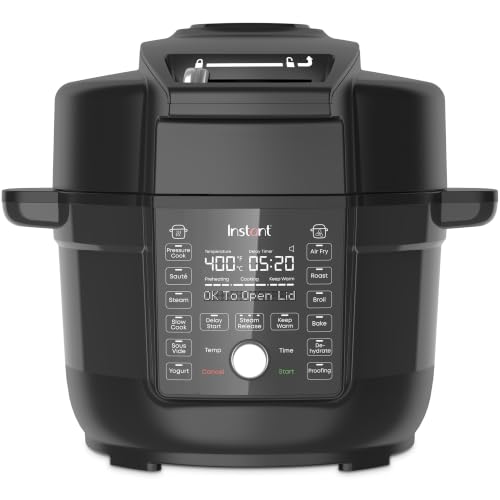
The Ninja Foodi is a versatile machine family known for pairing pressure cooking with a finishing, crisping style of cooking in the same countertop footprint. Treat this as a prose profile rather than a specification sheet: what matters is how its control style, lid handling, and programme mix fit the way you already cook. Check the current listing for the present configuration before you buy, and match the version to your household size and habits.
Best for: cooks whose routines match the strengths described above. Not suited for: anyone who would be fighting those same traits every week. The honest way to judge the Ninja Foodi is against your three most-cooked dishes; if it handles those gracefully, the rest of the programme list is a bonus rather than the point.

CHEF iQ — Profile
The CHEF iQ is a connected, guidance-led cooker that leans on built-in weighing and app-style step guidance for cooks who like instructions inside the process itself. Treat this as a prose profile rather than a specification sheet: what matters is how its control style, lid handling, and programme mix fit the way you already cook. Check the current listing for the present configuration before you buy, and match the version to your household size and habits.
Best for: cooks whose routines match the strengths described above. Not suited for: anyone who would be fighting those same traits every week. The honest way to judge the CHEF iQ is against your three most-cooked dishes; if it handles those gracefully, the rest of the programme list is a bonus rather than the point.

Breville Fast Slow Pro — Profile
The Breville Fast Slow Pro is a premium-feel cooker from a brand known for polished controls and automatic release options, aimed at cooks who value fine control over pressure and venting. Treat this as a prose profile rather than a specification sheet: what matters is how its control style, lid handling, and programme mix fit the way you already cook. Check the current listing for the present configuration before you buy, and match the version to your household size and habits.
Best for: cooks whose routines match the strengths described above. Not suited for: anyone who would be fighting those same traits every week. The honest way to judge the Breville Fast Slow Pro is against your three most-cooked dishes; if it handles those gracefully, the rest of the programme list is a bonus rather than the point.
Common Mistakes When Choosing
Storage of the cooker itself deserves a thought. The cord, the lid position, and a gasket left sealed inside a closed pot can all hold odours. Many owners store the lid upside down or ajar so air circulates. Small habits like these keep the appliance neutral and ready, instead of greeting you with last week’s stew when you open it.
Energy use is rarely the deciding factor, but the pattern is favourable: a sealed, insulated pot cooking for a shorter active period generally asks less of your kitchen than heating a large oven for a small meal. The bigger saving, for most households, is behavioural: food cooked at home more often because the effort barrier fell.
When a cook fails, the cause is usually traceable. Steam leaking from the rim points to the gasket or lid seating. Food scorched on the base usually means too little free liquid or a sauce that was too thick before pressure. Keeping a short note of what happened turns each failure into calibration, and the same dish rarely fails twice.
The display and controls shape daily confidence. Clear programme names, a visible countdown, and an unambiguous pressure indicator help you trust the process, especially while you are learning. Controls that hide the cooker’s state create anxiety that has nothing to do with cooking skill. If you can, favour clarity over novelty in the interface.
Households with mixed schedules feel the benefit differently. One person can start a dish, another can serve from it later, and the pot bridges the gap between staggered mealtimes. That flexibility, more than raw speed, is why many families describe the multicooker as the appliance that ended the weeknight negotiation about what is for dinner.
Grains deserve special mention because they expose consistency. Rice, oats, quinoa, and farro each want slightly different liquid ratios and release styles, and a cooker that handles your household’s favourite grain well will be used constantly. Keep a small chart of your proven ratios on the inside of a cupboard door; it is the cheapest upgrade available.
Beans from dried are a quiet economic and culinary win. No overnight soak is strictly required for many pressure methods, the texture beats tinned when you season the cooking liquid well, and you control the salt. For households that eat beans weekly, this single capability can justify the appliance on its own.
Soup is the format’s home ground. Pressure extracts flavour from bones, vegetables, and aromatics quickly, and the sealed pot keeps the kitchen from steaming up for hours. The discipline is fill level: soups expand and foam, so respect the maximum line, choose natural release for frothy mixtures, and let the pot settle before opening.
Worked Examples: Three Buyers, Three Right Answers
Desserts and cheesecakes cooked in a pot-in-pot setup surprise many sceptics. The gentle, moist environment suits custards and dense cakes, provided you use a suitable container and protect the top from condensation. It is not the reason most people buy a multicooker, but it widens the appliance’s repertoire in a way that keeps it interesting.
A second inner pot changes the rhythm for keen batch cooks, letting one batch rest or cool while the next begins. For most households it is unnecessary. The honest pattern with this category is that the core machine matters enormously and the extras matter only after your habits are proven. Spend attention first; spend on accessories later, if ever.
Altitude, ingredient temperature, and fill level all nudge cooking times, which is why experienced owners treat printed times as starting points. Your kitchen becomes the reference: once you know how your cooker handles your beans, your rice, and your favourite stew, those personal benchmarks are worth more than any generic chart.
The social side of these appliances is real. Owners trade adaptations, troubleshoot each other’s gasket mysteries, and publish recipe conversions for almost any dish you can name. That shared knowledge base shortens the learning curve considerably, and it is one reason the category matured from novelty to kitchen infrastructure so quickly.
A multicooker earns its place when it replaces several single-purpose appliances without becoming harder to live with than the tools it replaces. The real test is not the length of the programme list on the box; it is whether weeknight cooking becomes calmer, whether the pot is easy to clean, and whether you reach for it again next week without hesitation.
Capacity is a household question before it is a product question. A pot that feels generous for soups can feel crowded for a whole chicken, while a very large pot can be awkward to store and slower to come to pressure for a small portion. Think about the largest meal you cook regularly, then choose the size that serves that meal comfortably.
Pressure cooking changes texture as much as it changes timing. Tough cuts become tender because the sealed, high-heat environment breaks down connective tissue efficiently, while delicate vegetables can overcook in the same environment if they are added too early. Good multicooker cooking is mostly sequencing: hard ingredients first, fragile ingredients later, and liquids managed with intention.
The saute function matters more than many buyers expect. Browning meat and softening onions in the same pot builds the flavour base that makes pressure-cooked food taste cooked rather than merely heated. If you skip browning every time, results are still convenient, but the depth that makes a stew memorable usually starts before the lid ever closes.
A small household that cooks rice, soup, and the occasional braise should choose the simpler, mid-sized direction and spend its attention on controls and cleaning. A batch-cooking family should prioritise capacity and a second-pot-friendly workflow. A confident cook who values control over release and finish should look toward the premium, control-led end of the range. None of these buyers is wrong; each is simply matching the machine to a different real life.
Treat every pressure cycle with the same calm routine. Check the sealing gasket for cracks or trapped food, check that the steam valve moves freely and sits in the correct position, and look inside the lid before you close it. Keep the fill level below the maximum mark whenever you cook under pressure, because liquids and foaming foods need headroom. When the cycle ends, vent steam away from your face, hands, and anyone nearby, and keep children out of the venting zone entirely. Do not try to open the lid while pressure remains, and never force the lock; if the lid will not turn easily, the safe answer is to wait. For food safety, follow official guidance on thorough cooking, prompt cooling, and refrigerated storage instead of improvising your own rules.
Related reading: how to use a multicooker safely and well
Related reading: is a multicooker worth it for your kitchen
Related reading: the complete multicooker buying guide
Related reading: multicooker pros and cons in full
Related reading: best multicookers tested at home
Related reading: best multi-use electric pressure cookers
Related reading: best pressure cookers and multi cookers
Related reading: best pressure and slow cookers compared
Going Deeper: Building Real Confidence With the Appliance
Capacity is a household question before it is a product question. A pot that feels generous for soups can feel crowded for a whole chicken, while a very large pot can be awkward to store and slower to come to pressure for a small portion. Think about the largest meal you cook regularly, then choose the size that serves that meal comfortably.
Pressure cooking changes texture as much as it changes timing. Tough cuts become tender because the sealed, high-heat environment breaks down connective tissue efficiently, while delicate vegetables can overcook in the same environment if they are added too early. Good multicooker cooking is mostly sequencing: hard ingredients first, fragile ingredients later, and liquids managed with intention.
The saute function matters more than many buyers expect. Browning meat and softening onions in the same pot builds the flavour base that makes pressure-cooked food taste cooked rather than merely heated. If you skip browning every time, results are still convenient, but the depth that makes a stew memorable usually starts before the lid ever closes.
Liquid discipline separates reliable results from frustrating ones. Pressure cooking needs enough liquid to build steam, yet too much liquid dilutes sauces and delays pressure. Recipes written for stovetop pots often need adjustment, and thick sauces are usually better thickened after pressure cooking, when you can see the final consistency and reduce or bind it deliberately.
Natural release and quick release are flavour and texture tools, not just timing choices. A period of natural release suits meats and foaming foods, letting pressure fall gradually and keeping liquids calmer inside the pot. Quick release suits vegetables and seafood that would overcook while waiting. Learning which release a dish wants is one of the core skills of this appliance.
The sealing gasket quietly decides whether a cook succeeds. A gasket that is stretched, cracked, or carrying yesterday’s curry aroma will leak steam, delay pressure, and perfume tonight’s rice. Rinsing it after each use, letting it dry fully, and replacing it when it no longer seals cleanly are small habits that protect every future meal.
Counter space is a real cost, and a multicooker should be judged against it honestly. Measure the footprint, the height with the lid open, and the clearance under your cabinets before you buy. A machine that must be dragged from a deep cupboard for every use will be used less, no matter how capable its programme list looks on paper.
Cleaning shapes long-term satisfaction more than any single feature. A removable inner pot that washes easily, a lid whose parts come apart for rinsing, and a rim that does not trap food will decide whether the cooker feels like help or homework. When you compare models, picture the washing-up after a bean chilli, not the unboxing on day one.
Yoghurt, rice, grains, beans, soups, and braised meats are the everyday backbone of multicooker cooking. The glamorous dishes matter less than these repeats, because an appliance that handles your weekly staples reliably will save more effort across a year than one that performs a party trick twice. Judge the programme list against your actual rotation.
Batch cooking is where the format quietly shines. A large pot of beans, a double batch of soup, or shredded meat for several meals can be cooked once and portioned for the week. That rhythm suits households that cook in waves, and it turns the multicooker from a gadget into a planning tool that supports lunches, freezer meals, and low-effort reheats.
Beginners often do best by cooking a short list of forgiving dishes first: a simple soup, a batch of rice, dried beans, and one braise they already know from the stovetop. Familiar food makes the learning visible, because you can taste what pressure changed. Once those anchors feel routine, the wider programme list becomes exploration rather than guesswork.
Noise and steam are part of the ownership picture. A pressure cooker vents steam, clicks, and hums in ways a slow cooker never does, and in a small open-plan kitchen that presence matters. None of it is a flaw, but it is worth expecting: this is an active appliance with a personality, not a silent crock in the corner.
Recipe translation is a skill worth building deliberately. Most stovetop braises adapt well if you reduce added liquid, protect thickeners until after pressure, and shorten the active cooking phase while allowing time for pressure to build and release. Write your adjustments on the recipe the first two times; by the third cook, the conversion becomes instinct.
Accessories should follow habits, not precede them. A steamer basket, a spare gasket, or an extra inner pot can be genuinely useful once you know which dishes you cook weekly. Buying a tower of accessories on day one usually produces cupboard clutter. Let a month of real cooking tell you which single accessory would remove a repeated annoyance.
The keep-warm function is convenient but should be used with judgement. Holding food warm for a short, sensible period while the rest of dinner comes together is exactly its purpose. Leaving food sitting warm for very long stretches is not a storage strategy, so follow official food safety guidance on cooling and refrigeration rather than treating the pot as a holding cabinet.
Frozen ingredients are one of the format’s genuine advantages, within reason. Pressure cooking can take certain frozen items from the freezer to the table without a separate thawing step, which rescues many disorganised evenings. Even so, food safety guidance about even cooking and safe internal doneness still applies, and very thick frozen items deserve extra care and checking.
A multicooker rewards cooks who season in layers. Salt and aromatics before pressure build the base, but fresh herbs, citrus, and dairy usually belong after the lid opens, where their brightness survives. That two-stage seasoning habit is the difference between food that tastes flat and food that tastes finished, and it costs nothing but attention.
Storage of the cooker itself deserves a thought. The cord, the lid position, and a gasket left sealed inside a closed pot can all hold odours. Many owners store the lid upside down or ajar so air circulates. Small habits like these keep the appliance neutral and ready, instead of greeting you with last week’s stew when you open it.
Energy use is rarely the deciding factor, but the pattern is favourable: a sealed, insulated pot cooking for a shorter active period generally asks less of your kitchen than heating a large oven for a small meal. The bigger saving, for most households, is behavioural: food cooked at home more often because the effort barrier fell.
When a cook fails, the cause is usually traceable. Steam leaking from the rim points to the gasket or lid seating. Food scorched on the base usually means too little free liquid or a sauce that was too thick before pressure. Keeping a short note of what happened turns each failure into calibration, and the same dish rarely fails twice.
The display and controls shape daily confidence. Clear programme names, a visible countdown, and an unambiguous pressure indicator help you trust the process, especially while you are learning. Controls that hide the cooker’s state create anxiety that has nothing to do with cooking skill. If you can, favour clarity over novelty in the interface.
Households with mixed schedules feel the benefit differently. One person can start a dish, another can serve from it later, and the pot bridges the gap between staggered mealtimes. That flexibility, more than raw speed, is why many families describe the multicooker as the appliance that ended the weeknight negotiation about what is for dinner.
Grains deserve special mention because they expose consistency. Rice, oats, quinoa, and farro each want slightly different liquid ratios and release styles, and a cooker that handles your household’s favourite grain well will be used constantly. Keep a small chart of your proven ratios on the inside of a cupboard door; it is the cheapest upgrade available.
Beans from dried are a quiet economic and culinary win. No overnight soak is strictly required for many pressure methods, the texture beats tinned when you season the cooking liquid well, and you control the salt. For households that eat beans weekly, this single capability can justify the appliance on its own.
Soup is the format’s home ground. Pressure extracts flavour from bones, vegetables, and aromatics quickly, and the sealed pot keeps the kitchen from steaming up for hours. The discipline is fill level: soups expand and foam, so respect the maximum line, choose natural release for frothy mixtures, and let the pot settle before opening.
Desserts and cheesecakes cooked in a pot-in-pot setup surprise many sceptics. The gentle, moist environment suits custards and dense cakes, provided you use a suitable container and protect the top from condensation. It is not the reason most people buy a multicooker, but it widens the appliance’s repertoire in a way that keeps it interesting.
A second inner pot changes the rhythm for keen batch cooks, letting one batch rest or cool while the next begins. For most households it is unnecessary. The honest pattern with this category is that the core machine matters enormously and the extras matter only after your habits are proven. Spend attention first; spend on accessories later, if ever.
Altitude, ingredient temperature, and fill level all nudge cooking times, which is why experienced owners treat printed times as starting points. Your kitchen becomes the reference: once you know how your cooker handles your beans, your rice, and your favourite stew, those personal benchmarks are worth more than any generic chart.
The social side of these appliances is real. Owners trade adaptations, troubleshoot each other’s gasket mysteries, and publish recipe conversions for almost any dish you can name. That shared knowledge base shortens the learning curve considerably, and it is one reason the category matured from novelty to kitchen infrastructure so quickly.
A multicooker earns its place when it replaces several single-purpose appliances without becoming harder to live with than the tools it replaces. The real test is not the length of the programme list on the box; it is whether weeknight cooking becomes calmer, whether the pot is easy to clean, and whether you reach for it again next week without hesitation.
Capacity is a household question before it is a product question. A pot that feels generous for soups can feel crowded for a whole chicken, while a very large pot can be awkward to store and slower to come to pressure for a small portion. Think about the largest meal you cook regularly, then choose the size that serves that meal comfortably.
Pressure cooking changes texture as much as it changes timing. Tough cuts become tender because the sealed, high-heat environment breaks down connective tissue efficiently, while delicate vegetables can overcook in the same environment if they are added too early. Good multicooker cooking is mostly sequencing: hard ingredients first, fragile ingredients later, and liquids managed with intention.
The saute function matters more than many buyers expect. Browning meat and softening onions in the same pot builds the flavour base that makes pressure-cooked food taste cooked rather than merely heated. If you skip browning every time, results are still convenient, but the depth that makes a stew memorable usually starts before the lid ever closes.
Liquid discipline separates reliable results from frustrating ones. Pressure cooking needs enough liquid to build steam, yet too much liquid dilutes sauces and delays pressure. Recipes written for stovetop pots often need adjustment, and thick sauces are usually better thickened after pressure cooking, when you can see the final consistency and reduce or bind it deliberately.
Natural release and quick release are flavour and texture tools, not just timing choices. A period of natural release suits meats and foaming foods, letting pressure fall gradually and keeping liquids calmer inside the pot. Quick release suits vegetables and seafood that would overcook while waiting. Learning which release a dish wants is one of the core skills of this appliance.
The sealing gasket quietly decides whether a cook succeeds. A gasket that is stretched, cracked, or carrying yesterday’s curry aroma will leak steam, delay pressure, and perfume tonight’s rice. Rinsing it after each use, letting it dry fully, and replacing it when it no longer seals cleanly are small habits that protect every future meal.
Counter space is a real cost, and a multicooker should be judged against it honestly. Measure the footprint, the height with the lid open, and the clearance under your cabinets before you buy. A machine that must be dragged from a deep cupboard for every use will be used less, no matter how capable its programme list looks on paper.
Cleaning shapes long-term satisfaction more than any single feature. A removable inner pot that washes easily, a lid whose parts come apart for rinsing, and a rim that does not trap food will decide whether the cooker feels like help or homework. When you compare models, picture the washing-up after a bean chilli, not the unboxing on day one.
Yoghurt, rice, grains, beans, soups, and braised meats are the everyday backbone of multicooker cooking. The glamorous dishes matter less than these repeats, because an appliance that handles your weekly staples reliably will save more effort across a year than one that performs a party trick twice. Judge the programme list against your actual rotation.
Batch cooking is where the format quietly shines. A large pot of beans, a double batch of soup, or shredded meat for several meals can be cooked once and portioned for the week. That rhythm suits households that cook in waves, and it turns the multicooker from a gadget into a planning tool that supports lunches, freezer meals, and low-effort reheats.
Beginners often do best by cooking a short list of forgiving dishes first: a simple soup, a batch of rice, dried beans, and one braise they already know from the stovetop. Familiar food makes the learning visible, because you can taste what pressure changed. Once those anchors feel routine, the wider programme list becomes exploration rather than guesswork.
Noise and steam are part of the ownership picture. A pressure cooker vents steam, clicks, and hums in ways a slow cooker never does, and in a small open-plan kitchen that presence matters. None of it is a flaw, but it is worth expecting: this is an active appliance with a personality, not a silent crock in the corner.
The Multicooker Worksheet: Measurements, Counts, and Honest Answers
Start this worksheet with the space, not the product page: measure the exact spot where the multicooker will live, including the clearance above it, the swing or reach you need in front of it, and the route you will take to move it for cleaning. Write down the largest item you realistically expect to use with it, because that single measurement settles more sizing arguments than any capacity figure printed in a listing headline. Check the nearest outlet and be honest about whether a cord will cross a walkway, a sink edge, or another appliance that also needs that socket on busy mornings. Count the people the multicooker must serve on an ordinary weekday, then count again for the busiest gathering you host in a typical year, and notice whether those two numbers point to the same size.
List the three jobs you will ask of it every week and the one job you will ask only a few times a year, because the weekly jobs should drive the decision and the rare job should not. Decide where the accessories, attachments, and spare parts will be stored before you order, since a multicooker whose extras live in a distant cupboard quietly becomes a multicooker with fewer features. Where a shortlist names specific examples, such as Instant Pot Duo, run these same checks against that listing line by line rather than assuming the general verdict transfers unchanged. Apply the identical test to Ninja Foodi as well, on the same day and under the same conditions, because a fair comparison needs one ruler rather than two moods.
- Measure the working spot and the clearance around it
- Count weekday servings and the biggest gathering
- List the three weekly jobs in writing
- Decide storage for every accessory in advance
- Name the one compromise you accept knowingly
- Set the return deadline in your calendar
If CHEF iQ is also in contention, give it the same worksheet and let the three sets of answers sit side by side before anyone reaches for a checkout button. Think about who else in the household will use it, including anyone shorter, anyone with less grip strength, and anyone who will clean it without reading the manual first. Note the surfaces it will touch in normal use and whether heat, moisture, weight, or vibration from the multicooker could mark, stain, or stress those surfaces over months of daily contact. Plan the cleaning position as carefully as the working position, because a multicooker that is awkward to carry to the sink or to open fully will be cleaned less often than it should be.
Write the three questions you still cannot answer from listings and guides, and treat those unanswered questions as your shortlist filter rather than as details to discover after delivery. Compare the footprint against the appliance or tool it replaces, and decide in advance what leaves the room if the new arrival is larger than the old one. Consider the noise, steam, heat, or light it produces in use and whether that output lands in a room where someone sleeps, works, or studies at the same hours. Check how it behaves at the smallest task, not only the largest, because many households abandon oversized gear that feels clumsy for the quick everyday job.
Think through the second week of ownership, when the novelty has faded, and ask which features you will still touch daily and which were only interesting in the showroom sense. Decide what good enough looks like in writing: the result you would accept without complaint, the result that would delight you, and the result that would send the box back. Look at the controls with fresh eyes and imagine using them with wet hands, greasy hands, or gloves, depending on the work, because small controls punish exactly those moments. Ask how the multicooker fails gracefully: whether a worn part, a lost attachment, or a single broken control ends its usefulness or merely removes one mode you rarely used.
Check whether replacement parts and consumables are ordinary, widely stocked items or proprietary pieces tied to one maker, since that difference compounds over years of ownership. Measure the storage shelf, drawer, or cupboard you intend to use with the door closed and other contents in place, not the optimistic empty version of that space. Think about guests and helpers who will meet the multicooker without your habits, and whether its safe, correct use is obvious to a newcomer within a minute of looking at it. Write down the one compromise you are consciously accepting, so that when it shows up in daily use it reads as a chosen trade rather than a nasty surprise.
Frequently Asked Questions
What is the most important factor when choosing a multicooker?
Honest fit with your regular meals. Size for your largest normal batch, functions matched to your weekly routine, and controls you find clear will matter every single day, while exotic programmes matter rarely. Get those three right and almost any reputable model will serve you well.
How long does a multicooker take to come to pressure?
It depends on how full and how cold the contents are. A small, warm load builds pressure quickly, while a full pot of cold liquid takes noticeably longer. Always count build and release time as part of the cooking process when you plan a meal, rather than treating the timed pressure phase as the whole story.
Can I leave a multicooker unattended?
These appliances are designed to regulate themselves once sealed, and many owners start a dish and get on with other tasks nearby. Sensible practice is to stay within earshot, keep the vent area clear, keep children away from the steam path, and follow the manufacturer’s instructions for your specific model rather than treating any cooker as fully set-and-forget.
Why is steam leaking from the side of the lid?
Side leaks usually mean the sealing gasket is dirty, mis-seated, worn, or that food residue is breaking the seal. Stop, let pressure fall safely, and inspect the gasket and rim once everything is cool enough to handle. Never force the lid, and do not restart a pressure cycle until the seal looks clean and correctly positioned.
How do I stop food scorching on the base?
Scorching usually traces back to too little free liquid, a sauce that was thick before pressure, or browned bits left stuck after sauteing. Deglaze the pot thoroughly, keep thickeners for after pressure, and layer dense ingredients above the liquid rather than directly on the base. Those three habits prevent most scorch warnings.
How should leftovers from the pot be handled?
Follow official food safety guidance: cool leftovers promptly, refrigerate them in shallow containers, and reheat them thoroughly before serving. Do not treat the keep-warm setting as long-term storage. When in doubt, the conservative path is the right one, and the manufacturer’s guidance plus public food safety advice should overrule any shortcut you read elsewhere.