Disclosure: As an Amazon Associate, topratedkitchenware.com earns from qualifying purchases. Links on this page are affiliate links; they cost you nothing extra. Prices and availability change often, so check the current Amazon listing before you buy.
These vacuum sealer reviews are organised the way people actually shop: not one winner, but six well-known machines profiled honestly — who each suits, where each shines, and where each will frustrate the wrong buyer. Read the profiles against your own habits: your weekly shop, your freezer, your counter. The right machine below is the one whose profile sounds like your kitchen described back to you, and the wrong ones will be just as easy to spot.
Key Takeaways
- Six profiles, six temperaments — there is deliberately no single winner.
- Automation, gentle control, compactness, sous vide focus, heavy duty and entry value are all represented.
- Every profile is prose-only in this draft, positioned by tier rather than fixed price.
- Judge each machine against your demonstrated sealing volume, not your ambitions.
- Safety rules apply identically whichever model you choose — see the dedicated section.
In this guide
What Vacuum Sealers Are and Where They Fit
Why Air Is the Enemy of Stored Food
Almost everything that goes wrong with stored food involves air or moisture moving where it should not. Oxygen feeds the oxidation that turns fats rancid and fades colour and flavour, it lets freezer burn bloom across the surface of meat as moisture escapes into cold dry air, and it gives aerobic microbes the atmosphere they prefer. A vacuum sealer attacks that single variable directly: pull most of the air out of the package, seal the opening with heat, and the food inside lives in a smaller, quieter, more stable world than any zip bag or wrapped tray can offer it.
Notice the word most. A home vacuum sealer does not create a perfect vacuum, and it does not need to. The practical gains — slower oxidation, far less freezer burn, no mingling of odours between the fish and the butter — arrive well before perfection. Understanding that a sealer is an air-management tool, rather than a magic preservation chamber, is what separates owners who get years of value from owners who expected miracles and blamed the machine when biology carried on being biology.
Freezer Burn, Explained Honestly
Freezer burn is not a safety catastrophe; it is a quality collapse. When food sits in a freezer inside a loose package, moisture migrates out of the food and into the surrounding air, leaving pale, dry, leathery patches that taste like the freezer itself. The food remains safe to eat, but nobody wants to eat it, and in real kitchens that means it eventually gets thrown away — the most expensive outcome of all. Tight vacuum packaging interrupts the migration by leaving almost no air for the moisture to escape into, which is why properly sealed meat emerges months later looking like meat instead of archaeology.
The catch is that the seal must be genuinely tight and the bag genuinely intact. A wrinkle across the seal line, a fleck of food in the seam, or a pinhole from a sharp bone edge can quietly reintroduce air, and the freezer will do the rest over the following weeks. This is why experienced sealers obsess less about the machine and more about the seam: clean, dry, flat sealing surfaces are the unglamorous secret behind every success story in this category.
Design, Build and Setup Across the Line-Up
Setup is trivial for every machine in this round-up — place, plug, practise on one bag — so design judgement belongs to the longer term. The FoodSaver designs lean toward automation and ecosystem breadth; the Nesco toward exposed control; the Anova toward minimal footprint for a specific cooking method; the Weston toward width and endurance that announce themselves the moment it lands on the counter; the Geryon toward simplicity. Build quality tracks tier honestly across the group: you can feel where money went, and the profiles below say where it went in each case.
Counter Space, Storage and Daily Friction
The most common reason vacuum sealers fail their owners has nothing to do with sealing: the machine lives somewhere inconvenient, so it gets used twice and admired never. Countertop models ask for a real footprint plus working room in front for bags, and a household that must excavate the machine from a deep cupboard before every use will slowly stop excavating. Before buying, measure the intended home honestly — counter corner, deep drawer, pantry shelf — and imagine the tenth use, not the first, because friction compounds quietly.
Design details soften or sharpen that friction. A machine that stores upright, a cord that tucks away, a lid that stays open hands-free while you position a bag, a drip tray that lifts out for washing: none of these headline a product page, and all of them decide whether sealing feels like a thirty-second habit or a small production. This is why compact models sell so well despite modest power, and why heavy-duty machines belong to households with a dedicated processing spot. Buy the machine your kitchen can host gladly.
Performance in Real Use: The Four Jobs That Decide Reviews
Job One: The Weekly Bulk Shop
Dividing family packs into portions is the workload most buyers describe, and the automation-led and mid-tier machines make it a calm half hour: consistent seals, sensible pacing, bags filled flat for the freezer. Compact models complete the same job happily at smaller scale. Only the true processing volumes of the next job separate the field — for an ordinary weekly shop, every machine profiled here is adequate, and the choice turns on controls and storage rather than capability.
Job Two: Processing Days
Garden gluts, hunting seasons and freezer-filling weekends are where endurance becomes the whole review. Long sessions expose heat management, pacing demands and seal consistency under fatigue — the machine’s and the cook’s. The heavy-duty end of this line-up exists for these days and justifies itself completely within them, while lighter machines ask for rests that turn one session into two. Match the machine to your biggest real day, not your average one, if those days are annual certainties.
Job Three: Delicate and Moist Foods
Bread, berries, ripe cheese and marinated cuts sort this line-up more sharply than any other job. Machines offering gentle or pulse control — and the patience to use them — keep these foods intact; single-force machines remain specialists. Moist settings and accessible drip trays decide how gracefully juicy work goes. Households whose shopping baskets are varied should weight this job highest of all, because it determines whether the sealer serves the whole diet or a fraction of it.
Job Four: Sous Vide and Pantry Duty
For water-bath cooks, seal reliability and a footprint that invites frequent small jobs matter most, and the compact specialists in this group were designed for exactly that rhythm — particularly alongside a cooker chosen from our guide to how to choose a sous vide cooker. Pantry duty rewards accessory ecosystems: canisters for coffee and dry goods turn a weekly freezer tool into a daily kitchen one, and brands differ genuinely here, so check the ecosystem of any finalist against your actual pantry habits.
The Six Profiles in Full
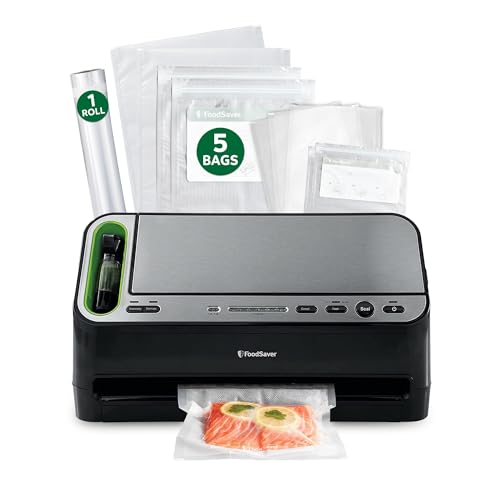
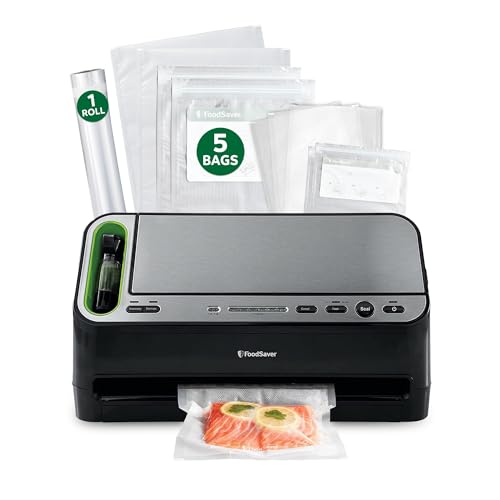
FoodSaver V4400 — premium-leaning countertop model
The FoodSaver V4400 is built around convenience for households that seal often and do not want to fuss with alignment on every bag. Its automatic approach to detecting a bag and starting the cycle suits people who process a full shopping trip in one sitting, moving from chicken portions to cheese to garden vegetables without breaking rhythm. In prose terms it sits toward the premium end of the countertop range, and that positioning buys ease rather than raw power: the appeal is a calmer, more repeatable routine for frequent users who value consistency over tinkering.
Where the V4400 earns its keep is batch work. When you are dividing a warehouse-club run into family portions, small automations compound — fewer mis-sealed bags, less repositioning, and a workflow you can teach to anyone in the house in a minute. It is less compelling if you seal only a few times a year, because an occasional user will never feel the benefit of that automation often enough to justify choosing it over a simpler machine, and it still asks for counter or cupboard room like any full-size countertop unit.
Best for: households whose sealing habits match the premium-leaning countertop model profile described above. Not suited for: buyers whose workload sits at the opposite extreme of that profile. This pick is presented prose-only in this draft, positioned in the premium-leaning tier by description rather than by any fixed price.

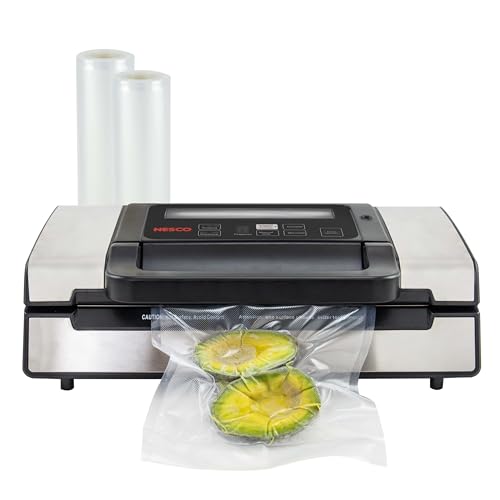
Nesco VS-12 — mid-tier countertop model with gentle handling
The Nesco VS-12 has built its reputation on control, in particular a gentler touch for delicate foods that stronger machines can crush before the seal forms. That matters more than it sounds: soft breads, ripe fruit, baked goods and fragile leftovers are exactly the foods casual sealers ruin first, and a machine that lets you temper the vacuum or pulse it manually turns those failures into routine successes. Its positioning is mid-tier, which fits its pitch — not the cheapest way to seal a bag, but a thoughtful one for varied diets.
For mixed households the VS-12 style of control is the difference between sealing what you actually eat and only sealing what survives aggressive suction. Think of a week that includes berries, sliced bread, marinated tofu and raw portions for the freezer: a one-force-fits-all machine handles the last category beautifully and mangles the first three. A gentler, adjustable approach asks slightly more attention from the cook, and in exchange it widens the range of foods worth sealing at all, which is where the real savings in a vacuum routine quietly live.
Best for: households whose sealing habits match the mid-tier countertop model with gentle handling profile described above. Not suited for: buyers whose workload sits at the opposite extreme of that profile. This pick is presented prose-only in this draft, positioned in the mid-tier tier by description rather than by any fixed price.
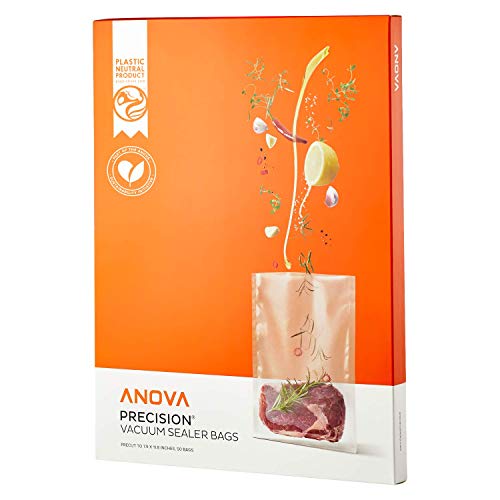
Anova Precision Vacuum Sealer — compact model aimed at sous vide cooks
The Anova Precision Vacuum Sealer arrives from the sous vide world, and its priorities show: it is a compact, straightforward external sealer aimed at cooks who seal a protein, a marinade and some aromatics, then drop the bag into a water bath. Anova built its name on immersion cooking, so this machine is best understood as a companion to that workflow rather than a bulk-processing station. Its tier is entry-to-mid, and for the sous vide household that focus is a feature — everything about it assumes regular, moderate, single-meal sealing.
Outside that niche the same focus becomes the limitation to weigh. A household whose main job is breaking down bulk meat purchases or stocking a chest freezer for months may prefer a larger machine with more automation and accessory support. But for the growing number of cooks whose vacuum sealing exists mainly to serve sous vide nights, plus the odd bag of coffee beans or cheese, a right-sized sealer that stores in a drawer-adjacent footprint and does one job cheerfully is a rational, satisfying choice.
Best for: households whose sealing habits match the compact model aimed at sous vide cooks profile described above. Not suited for: buyers whose workload sits at the opposite extreme of that profile. This pick is presented prose-only in this draft, positioned in the compact tier by description rather than by any fixed price.
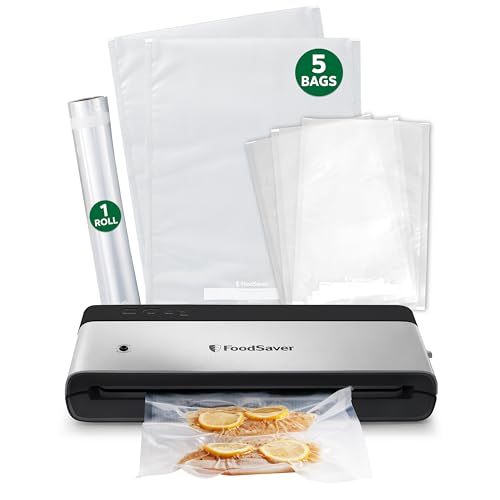
FoodSaver PowerVac — compact entry-to-mid countertop model
The FoodSaver PowerVac takes a different route to value: it shrinks the footprint. Designed to store more easily, including in a more upright position in many kitchens, it speaks to smaller households and tighter counters where a full-size sealer would live in a cupboard and quietly stop being used. Its tier is entry-to-mid, and the honest framing is that you trade some of the automation and heft of larger siblings for a machine you will actually leave within reach, which for real kitchens is often the trade that matters most.
In daily use the PowerVac pattern suits weekly shoppers rather than bulk processors: a couple of bags of chicken thighs, a block of cheese resealed after opening, herbs before they slump. Owners who graduate to whole-primal breakdowns or hunting-season volumes may find any compact model slower company, but that is a workload mismatch rather than a flaw. If your sealing life is modest and your storage space is precious, a smaller machine that stays accessible will outperform a bigger one that stays boxed, every single week of the year.
Best for: households whose sealing habits match the compact entry-to-mid countertop model profile described above. Not suited for: buyers whose workload sits at the opposite extreme of that profile. This pick is presented prose-only in this draft, positioned in the compact tier by description rather than by any fixed price.

Weston Pro-2300 — heavy-duty premium countertop model
The Weston Pro-2300 is the heavyweight of this group, a wide, commercial-leaning countertop sealer from a brand rooted in game processing and serious home butchery. Everything about its prose profile is scale: it is built for long sessions, wide bags and households — or hunters and anglers — who process volume that would leave lighter machines hot, tired and waiting to cool down. It sits firmly at the premium tier, and it justifies that only if your workload genuinely resembles work: think seasonal harvests, whole-animal breakdowns and freezer-filling weekends.
For a small apartment kitchen sealing two chicken breasts a week, the Pro-2300 is honest overkill — in size, in presence and in what you pay for capability you will never call on. But judging it by apartment standards misses its purpose. In a garage-adjacent processing setup or a rural kitchen that puts up food in earnest, a heavy-duty machine is not an indulgence; it is the tool that finishes the day in one session instead of three, and that endurance is precisely what its buyers are purchasing.
Best for: households whose sealing habits match the heavy-duty premium countertop model profile described above. Not suited for: buyers whose workload sits at the opposite extreme of that profile. This pick is presented prose-only in this draft, positioned in the heavy-duty tier by description rather than by any fixed price.
Geryon Vacuum Sealer — entry-tier compact model
The Geryon Vacuum Sealer represents the friendly on-ramp: an entry-tier, compact machine sold widely online, aimed at first-time sealers who want to try the habit without committing premium money or premium counter space. Its feature language leans on everyday modes for dry and moist foods and a simple one-button routine, which is exactly what a beginner needs — the first month with any sealer is about building the habit, and simple machines get used while complicated ones get studied and shelved.
The trade-offs are the predictable ones for the tier. An entry model is a teacher, not a lifetime workhorse: very long bulk sessions, delicate-food finesse and the broadest accessory ecosystems belong to pricier machines, and a household that catches the sealing habit seriously may outgrow it. That is not a failure of the product; it is the normal shape of a first purchase. Bought with clear eyes — as a low-risk way to learn your own sealing volume — it can pay for its keep in rescued food long before any upgrade conversation begins.
Best for: households whose sealing habits match the entry-tier compact model profile described above. Not suited for: buyers whose workload sits at the opposite extreme of that profile. This pick is presented prose-only in this draft, positioned in the entry-tier tier by description rather than by any fixed price.
Strengths and Trade-Offs Across the Round-Up
Strengths, collectively: every profiled machine will transform freezer quality for a household that uses it, and the spread of designs means a genuine match exists for almost every kitchen. Trade-offs, collectively: no machine here is best at everything — automation costs money, compactness costs session endurance, heavy-duty build costs counter space, entry pricing costs finesse, and gentle control costs a little of your attention on every bag. The reviews above are an exercise in choosing which trade-off your household will feel least.
Food Safety Across Every Model in This Round-Up
Start with the rule that governs everything else in this guide: vacuum sealing is a packaging method, not a preservation guarantee. Removing air slows some kinds of spoilage and protects food from freezer burn, but it does not sterilise food, it does not kill bacteria, and it does not make perishable food shelf-stable. A sealed bag of raw chicken is still raw chicken, with the same need for prompt, cold storage as the day you bought it.
That means the cold chain never becomes optional. Perishable foods — raw and cooked meats, seafood, soft cheeses, cooked vegetables, leftovers — must go straight into the refrigerator or freezer after sealing, exactly as they would without the bag. Treat the vacuum bag as armour against air and moisture, never as a substitute for refrigeration, and be especially careful with food left sitting on the counter while you seal the rest of a batch: work in small groups and return each finished bag to the cold promptly.
Raw meat demands its own hygiene discipline. Handle raw meat and poultry on a dedicated board, keep its juices away from ready-to-eat foods, and wash hands, boards, knives and counters after the raw work is done and before you touch cooked or fresh items. Seal raw proteins in their own session or at the end of the session, so their packaging never shares a surface with the salad vegetables you plan to seal next. Cross-contamination is invisible, which is precisely why the routine has to be automatic.
Two smaller rules protect you and the food. First, the sealing bar gets genuinely hot during a cycle — give it a moment to cool and avoid touching it right after a seal, particularly during long sessions when you are reaching across the machine repeatedly. Second, never reuse a bag that held raw meat, poultry or seafood, even if it looks clean after washing; the risk is not worth the saving, and bags that held dry goods or produce are the only candidates for any reuse at all, after thorough washing and drying.
Finally, label honestly and rotate stock. Write the contents and the sealing date on every bag, store new bags behind older ones, and when you thaw a sealed package, treat it like any other thawed food: refrigerate it, cook it within a sensible window, and never refreeze raw food that has sat out. Vacuum sealing buys time and quality inside a cold system that you still have to run properly — respect that partnership and it will serve you well for years.
How They Compare, in One Honest Paragraph Each
Choose the V4400 if weekly family batch work is your centre of gravity and automation sounds like relief. Choose the VS-12 if your basket mixes the sturdy and the fragile and you want control over both. Choose the Anova if sous vide is the point and the rest is garnish. Choose the PowerVac if the kitchen is small but the habit is real. Choose the Weston if your sealing days are measured in seasons and harvests. Choose the Geryon if you are buying information about your own habits at the lowest sensible commitment. Six machines, six households, no wrong answers — only mismatches.
Who Should Buy — and the Buying Checklist
Before ordering any finalist, run the checklist this round-up has built toward: demonstrate your volume from last month’s shopping; measure the machine’s intended home; confirm the controls your diet needs; price that brand’s bags and rolls; check drip tray and gasket practicality; and confirm the accessory ecosystem only if you will use it monthly. A machine that passes all six checks for your household is the right purchase at its tier, whatever any ranking — including this one — says about its neighbours.
Setup, Care and Maintenance Essentials
Cleaning and Looking After the Machine
A vacuum sealer’s maintenance list is mercifully short, but every item on it protects seal quality. The drip tray, where fitted, catches the liquid that escapes moist foods — empty and wash it after messy sessions rather than letting it become a science project. Wipe the sealing area and gaskets with a damp cloth once cool, because dried sauce on a gasket is tomorrow’s slow leak. Check the gaskets themselves occasionally for flattening or cracks; they are wear parts on many models, and a tired gasket mimics a dying pump with uncanny accuracy.
Storage care is equally plain: keep the lid unlatched or loosely closed if the maker advises it, so the gaskets are not compressed for months between uses, and store the machine dry. Bags and rolls keep best away from heat and sunlight, in the same drawer logic as the machine itself. None of this takes more than minutes a month, and it is the difference between a sealer that works like new in year three and one that mysteriously ‘lost suction’ — a complaint that, on inspection, is usually a dirty gasket wearing a disguise.
Seal Quality: Where Success Is Actually Decided
Every experienced sealer eventually says the same sentence: the seal is the product. A wide, clean, even seam with no wrinkles, no moisture and no food particles is what stands between your food and the freezer’s dry air for the next several months, and it is created in the ten seconds around the cycle, not by the badge on the machine. Build the habits: leave enough empty bag above the food for the seam to sit flat, smooth the bag mouth with your fingers before closing the lid, and check every finished seal against the light before the bag goes anywhere near the freezer.
Double-sealing is the belt-and-braces option for bags facing long storage, sharp contents or a sous vide bath — run a second seal a small distance from the first, so a flaw in one line does not compromise the package. If a seal fails repeatedly, suspect the bag mouth first, the bag stock second and the machine third; in practice the culprit is almost always a damp or wrinkled seam. This is also where keeping the sealing area clean pays rent: a crumb on the gasket today becomes a slow leak in a bag you will not inspect again until spring.
Final Verdict
Read as a group, these six machines describe a healthy category: specialised enough that fit matters, mature enough that genuine lemons are rare. Your task as a reader of reviews is not to find the best machine but to eliminate the mismatches — the heavyweight in the studio kitchen, the featherweight on the processing farm, the single-force bruiser in the baker’s house. Eliminate honestly, and whichever profile remains will serve you the way its best owners describe: unremarkably, weekly, for years.
Vacuum Sealer: What Long-Term Use Reveals That a First Test Misses
Start with how a {p} holds up once the novelty wears off and routines settle in. Most coverage of a vacuum sealer concentrates on the first week of ownership, yet the decisions that matter most tend to surface later, once the vacuum sealer has to earn its place in an ordinary weekday routine rather than a carefully staged first attempt. Write down the three jobs you expect it to do most often, in the order you actually do them, and judge every claim you read against that short personal list instead of against a generic ideal.
Maintenance decides how long the good results last. Set a simple rhythm: a quick wipe or rinse after each use, a deeper clean on a fixed day, and a periodic check of the parts that move, seal or bear weight. A vacuum sealer that needs fiddly disassembly for basic care will be cleaned less often, and performance drifts long before anything actually breaks. Prefer designs where the parts that get dirtiest are the parts that are easiest to reach, and be honest with yourself about which cleaning steps you will genuinely keep up.
Measure before you commit. Note the footprint, the clearance above and behind the spot where the vacuum sealer will live, and the route you will carry it by when it is hot, full or awkward. A vacuum sealer that technically fits but blocks a cupboard door, crowds a neighbouring appliance or has to be dragged across a worktop every time will quietly fall out of use, whatever its merits on paper. In the Kitchen Appliances category especially, a few centimetres of clearance and a sensible storage plan separate a daily tool from a bulky regret.
Edge cases deserve a deliberate pass. Think about the odd shapes, the thicker or thinner than usual loads, the leftovers, the second helping and the guest with different preferences. A well-chosen vacuum sealer handles the exceptions gracefully, or at least predictably, while a poor match turns every exception into a workaround. List your two or three most common exceptions in advance and check, from the manual or the listing details, that nothing about them is ruled out by size, shape, material or care requirements.
When you check listings such as FoodSaver V4400, Nesco VS-12 and Anova Precision Vacuum Sealer, use them as worked examples: run through the same checks below on each one in turn, so the comparison stays honest and like for like rather than based on whichever listing happens to shout loudest.
Finally, plan the first fortnight deliberately. Use the vacuum sealer for one familiar job first, so you have a baseline you trust, then introduce the harder cases one at a time and note what changes. Small adjustments to arrangement, timing, quantity or preparation usually close most of the gap between disappointing first results and the performance the design is capable of. That short learning period is also the fairest test of long-term ownership: if the routine has not settled by the end of it, the mismatch is real, and it is better to know while returning or exchanging is still straightforward.
Troubleshooting is easier when you expect the usual failure points. With any vacuum sealer, the recurring problems tend to cluster in the same places: uneven results from overloading or poor arrangement, wear showing first on the parts handled most often, and small annoyances with lids, seals, handles, controls or fittings that only appear after repeated use. Before buying, look for whether those wear parts can be cleaned properly, replaced or worked around, and whether the instructions address them directly rather than pretending they never happen.
Frequently Asked Questions
Which vacuum sealer in this round-up is best overall?
There is deliberately no single answer, because ‘overall’ hides the variable that decides satisfaction: your workload. For a typical family sealing weekly, the automation-led mid and upper-mid machines in this round-up are the natural centre. For delicate diets, the control-led profile wins; for small kitchens, the compacts; for processing days, the heavy-duty machine; for first-timers, the entry model. The best overall sealer is the one whose profile matches your demonstrated habits most closely.
Are the more expensive machines in these reviews worth it?
They are worth it to the households their design serves: automation repays frequent batch workers, heavy-duty build repays seasonal processors, and refined controls repay varied diets. They are not worth it as general upgrades — a light user gains nothing measurable from capacity they never call on, and an oversized machine in a small kitchen is worse than a modest one, because it gets used less. Price follows fit in every profile here, never the reverse.
Which model is best for beginners?
A forgiving one: an entry or compact mid-tier machine with clear controls, a seal-only function for learning on rolls, and bags that are easy to source. Beginners benefit more from a machine that lives visibly on the counter and invites practice than from maximum capability in a cupboard. Expect the first month to include imperfect bags; choose the machine you will still be cheerfully practising on in week four, and the skill will arrive on schedule.
Which vacuum sealer is best for meat processing?
For ordinary weekly meat portions, any competent mid-tier machine in this round-up performs well, with automation smoothing long runs. For genuine processing volume — seasonal game, whole bulk breakdowns, freezer-filling weekends — the heavy-duty profile is the honest recommendation, because session endurance, width and pacing are the criteria that matter at that scale. Whichever you choose, pad sharp bone edges, double-seal long-storage bags and keep raw-meat hygiene strict throughout.
Do any of these sealers work well for sous vide?
Yes — the compact sous vide-focused profile was designed for it, and the mid-tier machines handle bath bags reliably with the standard disciplines: a clean dry seam, a double seal for long cooks, and care with sharp or hard contents that could stress the bag in warm water. If sous vide is your primary purpose, weight seal reliability and footprint over bulk features; the pairing guidance in our sous vide cooker guide completes the setup.
How do I choose between two finalists in this round-up?
Run them both through your real life on paper: last month’s biggest shop, your most delicate regular food, your longest plausible session, and the exact shelf or counter corner each would occupy. Note where each one hesitates. Then check the ownership details — bag prices, drip tray, gaskets — because ties in imagination are usually broken by running costs. If they are still level, choose the one that stores better in your kitchen; the machine within reach gets used, and use is the whole game.
Related Guides and Next Steps
Vacuum sealing sits inside a wider food-storage system, and the guides below continue the same conversation from neighbouring angles — choosing, using, judging and reviewing the machines and the storage methods around them.
- how to choose a vacuum sealer
- how to use vacuum sealer
- is a vacuum sealer worth it
- vacuum sealer buying guide
- oxygen absorbers for food storage
- glass food storage containers
Going Deeper: Reading Your Own Kitchen
Consider the humble chicken thigh as a sealing classroom. Bought in a family pack, thighs vary in size, carry surface moisture and include bone edges that test a bag. Patting them dry, portioning two to a bag and smoothing the bag mouth flat teaches three core skills in one cheap exercise, and the frozen result — flat, labelled, quick to thaw under cold water — shows a new owner exactly why the machine exists. Most sealing confidence is built on exercises exactly this ordinary.
The accessory worth its drawer space, for many households, is a set of reusable containers the machine can evacuate. Crackers stay crisp, coffee stays aromatic, chopped salad components survive an extra day or two, and none of it involves cutting a new bag for a two-day job. Matching the tool to the timescale — bags for the freezer months, containers for the refrigerator days — is the mark of a mature setup, and it noticeably slows how fast you burn through bag stock.
In Practice: A Month With the Machine
Cheese teaches a different lesson: restraint. A hard cheese resealed after each use wants the air out and the pressure stopped before the bag starts squeezing moisture from the surface. Owners who learn to stop early — or to use a gentle cycle — keep a block pleasant for far longer than any wrap achieves, while owners who blast every cycle to maximum learn that more vacuum is not always more preservation. Judgement, again, is the feature no specification sheet can sell you.
A word about odours: vacuum bags are excellent but not perfect barriers over very long storage, and strongly flavoured foods will eventually perfume a freezer if their seals are imperfect. Double-bagging the truly pungent items, keeping the freezer itself clean, and grouping strong flavours together are the practical answers. The deeper answer is rotation — a freezer that turns over steadily never gives odours the months they need to become a personality trait of the appliance.
The Details That Decide Long-Term Satisfaction
Think about the bag as a piece of engineering rather than a consumable afterthought. Its textured channels are air highways during the cycle; its layered construction is the barrier that must survive months of freezer cold, sharp contents and handling. A bag that feels flimsy in the hand usually behaves flimsily in the freezer, and the saving on a bargain roll evaporates the first time a failed seam costs you a quality cut of meat. Buy bags the way you buy tyres: respectfully.
New owners often ask whether they should seal food before or after freezing, and the practical answer is: both, for different jobs. Seal-then-freeze is the default for raw portions and most cooked dishes. Freeze-then-seal suits liquids, soft fruits and anything whose shape or moisture would fight the cycle; a short freeze firms the food into a cooperative solid. Keeping both orders in your repertoire doubles the range of foods you can handle well, at the cost of one extra tray in the freezer.
Beyond the Basics: Habits of Happy Owners
There is a small ritual worth adopting on day one: the seal check. Hold every finished bag up, look along the seam for gaps, wrinkles or trapped moisture, and give the bag a gentle squeeze over the sink. Ten seconds per bag feels fussy in week one and invisible by week four, and it converts the freezer from a place of hopeful storage into a place of verified storage. Almost every ‘my sealer failed’ story told months later is, on inspection, a seal that was never checked.
Portion geometry is an underrated pleasure of the practice. Flat bags thaw in a fraction of the time a lump takes, slide into gaps in a packed freezer, and stack into tidy bricks that make inventory a glance rather than an excavation. Shaping a bag flat before it freezes — spreading mince evenly, arranging portions in a single layer — takes seconds and pays you back at every single thaw. It is the kind of detail that separates a freezer people brag about from a freezer people apologise for.
Putting It All Together in a Real Week
Freezing order matters more than most guides admit. Seal and freeze the most perishable items first, keep finished bags moving into the cold rather than accumulating on the counter, and never let a long session turn into a long queue of raw food warming gently beside the machine. This is the food-safety spine of the whole practice: the sealer works bag by bag, but your planning has to work session by session, with the refrigerator and freezer treated as destinations rather than afterthoughts.
When a household shares the machine, agree the house rules early: what gets sealed, how bags are labelled, where finished bags go, and which bags are never reused. Shared routines prevent the two classic domestic failures — the mystery bag nobody can identify, and the well-meant resealing of something that should have been thrown away. A marker pen living beside the machine does more for household food safety than any feature comparison in this guide.
Going Deeper: Reading Your Own Kitchen
The accessory worth its drawer space, for many households, is a set of reusable containers the machine can evacuate. Crackers stay crisp, coffee stays aromatic, chopped salad components survive an extra day or two, and none of it involves cutting a new bag for a two-day job. Matching the tool to the timescale — bags for the freezer months, containers for the refrigerator days — is the mark of a mature setup, and it noticeably slows how fast you burn through bag stock.
Travel and outdoor cooks find a second career for the sealer. Marinating meat sealed for the cooler travels without leaks, dry ingredients stay dry in damp conditions, and portioned meals for camping or boating pack flat and thaw predictably. Even non-food items join in: matches, first-aid supplies, spare batteries and emergency snacks all benefit from a waterproof, air-free package. A machine bought for the freezer often ends up serving the whole household’s logistics, which quietly strengthens its value case.
In Practice: A Month With the Machine
A word about odours: vacuum bags are excellent but not perfect barriers over very long storage, and strongly flavoured foods will eventually perfume a freezer if their seals are imperfect. Double-bagging the truly pungent items, keeping the freezer itself clean, and grouping strong flavours together are the practical answers. The deeper answer is rotation — a freezer that turns over steadily never gives odours the months they need to become a personality trait of the appliance.
Finally, keep perspective on pace. A vacuum sealer rewards households that adopt it as a rhythm — ten minutes after each big shop, an hour on a processing day — rather than as an occasional event. Like a good knife, it disappears into the routine until the routine would feel broken without it. If you reach that point, the purchase has succeeded in the only way that matters; if the machine is still in its box at month three, no feature list would have saved it, and the honest fix is a smaller machine in a better place.
The Details That Decide Long-Term Satisfaction
New owners often ask whether they should seal food before or after freezing, and the practical answer is: both, for different jobs. Seal-then-freeze is the default for raw portions and most cooked dishes. Freeze-then-seal suits liquids, soft fruits and anything whose shape or moisture would fight the cycle; a short freeze firms the food into a cooperative solid. Keeping both orders in your repertoire doubles the range of foods you can handle well, at the cost of one extra tray in the freezer.
Consider the humble chicken thigh as a sealing classroom. Bought in a family pack, thighs vary in size, carry surface moisture and include bone edges that test a bag. Patting them dry, portioning two to a bag and smoothing the bag mouth flat teaches three core skills in one cheap exercise, and the frozen result — flat, labelled, quick to thaw under cold water — shows a new owner exactly why the machine exists. Most sealing confidence is built on exercises exactly this ordinary.
Beyond the Basics: Habits of Happy Owners
Portion geometry is an underrated pleasure of the practice. Flat bags thaw in a fraction of the time a lump takes, slide into gaps in a packed freezer, and stack into tidy bricks that make inventory a glance rather than an excavation. Shaping a bag flat before it freezes — spreading mince evenly, arranging portions in a single layer — takes seconds and pays you back at every single thaw. It is the kind of detail that separates a freezer people brag about from a freezer people apologise for.
Cheese teaches a different lesson: restraint. A hard cheese resealed after each use wants the air out and the pressure stopped before the bag starts squeezing moisture from the surface. Owners who learn to stop early — or to use a gentle cycle — keep a block pleasant for far longer than any wrap achieves, while owners who blast every cycle to maximum learn that more vacuum is not always more preservation. Judgement, again, is the feature no specification sheet can sell you.
Putting It All Together in a Real Week
When a household shares the machine, agree the house rules early: what gets sealed, how bags are labelled, where finished bags go, and which bags are never reused. Shared routines prevent the two classic domestic failures — the mystery bag nobody can identify, and the well-meant resealing of something that should have been thrown away. A marker pen living beside the machine does more for household food safety than any feature comparison in this guide.
Think about the bag as a piece of engineering rather than a consumable afterthought. Its textured channels are air highways during the cycle; its layered construction is the barrier that must survive months of freezer cold, sharp contents and handling. A bag that feels flimsy in the hand usually behaves flimsily in the freezer, and the saving on a bargain roll evaporates the first time a failed seam costs you a quality cut of meat. Buy bags the way you buy tyres: respectfully.
Going Deeper: Reading Your Own Kitchen
Travel and outdoor cooks find a second career for the sealer. Marinating meat sealed for the cooler travels without leaks, dry ingredients stay dry in damp conditions, and portioned meals for camping or boating pack flat and thaw predictably. Even non-food items join in: matches, first-aid supplies, spare batteries and emergency snacks all benefit from a waterproof, air-free package. A machine bought for the freezer often ends up serving the whole household’s logistics, which quietly strengthens its value case.
There is a small ritual worth adopting on day one: the seal check. Hold every finished bag up, look along the seam for gaps, wrinkles or trapped moisture, and give the bag a gentle squeeze over the sink. Ten seconds per bag feels fussy in week one and invisible by week four, and it converts the freezer from a place of hopeful storage into a place of verified storage. Almost every ‘my sealer failed’ story told months later is, on inspection, a seal that was never checked.