Disclosure: topratedkitchenware.com is reader-supported. When you buy through links on our site, we may earn an affiliate commission from Amazon and other retailers, at no extra cost to you.
Where to buy
The six bottles below are the verified picks for this guide to best makers mark mixers. An honesty note up front: the classic bourbon partners, ginger ale, cola, and sweet vermouth, are not in this site’s verified beverage pool, so no pick below pretends to be them. What the pool does offer, and what genuinely works with a wheated bourbon like Maker’s Mark, is two honest families: lime-forward margarita mixes for bourbon sour style and bourbon margarita twist serves, and a quality tonic for a bourbon highball. Each name links to its Amazon listing, where you can check the latest price on Amazon and confirm the current format before ordering.
- Agalima Organic Margarita Mix
- Daily’s Margarita Mix 64 oz
- Zing Zang Margarita Mix
- Zing Zang Strawberry Margarita-Daiquiri Mix
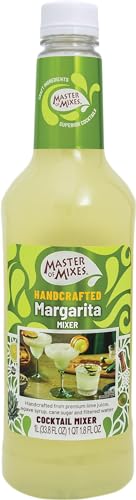
- Master of Mixes Margarita Mix
- Fever-Tree Tonic Water Mixer Cans
Read the full guide ↓ for the full breakdown of how each mixer behaves with this spirit, the honest limits of every pick, and the mixing checks that matter more than the label.
Looking for the best makers mark mixers means first understanding the bourbon itself. Maker’s Mark is a wheated bourbon, made with soft red winter wheat instead of the rye most bourbons use for their spice grain, and that recipe gives it a notably smooth, rounded, slightly sweet profile with vanilla and caramel up front and very little rye bite. A mixer that works with a spicy high-rye bourbon can bully this one; a mixer that works here needs to respect the softness while adding the one thing the bourbon lacks, which is brightness. That is why the honest options in this verified pool are citrus and tonic rather than the usual cola and ginger suggestions.
Here is the working idea behind every pick below. A lime-forward margarita mix turns Maker’s Mark into a bourbon sour style serve, sometimes called a bourbon margarita when built in that glass with a salt rim option, where the lime cuts the bourbon’s sweetness and the wheat softness keeps the drink mellow instead of sharp. A good tonic water turns it into a bourbon tonic highball, a long, cold, lightly bitter drink where the wheated bourbon’s vanilla reads almost like a dessert note against the quinine. Both serves are real, both are served in bars, and neither requires pretending a margarita mix is something it is not. Each review below states plainly which serve the bottle is for.
You will also find the practical layer: ratios that keep bourbon in charge of a citrus build, how to garnish each serve so it reads as a bourbon drink rather than a tequila drink that lost its way, how to store opened mixes, and how to fix a serve that comes out too sweet or too sharp. If your home bar questions run wider than bourbon, the rum side of the same citrus-base thinking is covered in Best Mai Tai Mixers, and the lighter end of the shelf is compared in Best Low Sugar Mixers.
Key Takeaways
- Maker’s Mark is a wheated bourbon: smooth and rounded, so it needs mixers that add brightness rather than more sweetness or spice.
- Lime mixes here are for bourbon sour style serves, not margaritas; tonic is for a bourbon highball. Each pick is labelled with its serve.
- Keep bourbon the largest measure in citrus builds or the drink stops tasting like bourbon.
- Garnish decides the read: orange peel and a cherry say bourbon; a salt rim and lime wedge say margarita.
- Refrigerate opened lime mixes and finish them within a few weeks for the brightest flavour.
- Check the latest price on Amazon per pick and confirm pack size, since formats differ widely between these bottles.
In this guide
Quick Picks
| Pick | Badge | Why it earns its place | Listing |
|---|---|---|---|
| Agalima Organic Margarita Mix | Best Overall | Restrained, natural lime profile that brightens wheated bourbon without burying it. | Check on Amazon |
| Daily’s Margarita Mix 64 oz | Best for Batching | Big format for pitcher batches of bourbon sour style serves at gatherings. | Check on Amazon |
| Zing Zang Margarita Mix | Best Bold Citrus | Real fruit juice, no high fructose corn syrup, and a tangy profile that cuts hard. | Check on Amazon |
| Zing Zang Strawberry Margarita-Daiquiri Mix | Best Fruity Twist | Strawberry daiquiri-margarita mix for a knowingly fruit-led bourbon twist. | Check on Amazon |
| Master of Mixes Margarita Mix | Best Classic Lime | The straightforward one-litre lime standard for households that mix this serve often. | Check on Amazon |
| Fever-Tree Tonic Water Mixer Cans | Best for Highballs | Real quinine tonic in single-serve cans for a cold, lively bourbon tonic. | Check on Amazon |
How These Picks Were Chosen
This guide is research-led rather than tasting-panel-led, and it says so openly. Every pick was drawn from the site’s verified beverage pool, meaning the product, its format, and its listing claims were confirmed against current listing data before it could appear here. Candidates were then judged specifically against wheated bourbon: does this bottle add brightness without swamping a soft spirit, is its sweetness level compatible with a bourbon that already tastes rounded and sweet, and is the serve it enables one that a bourbon drinker would actually order?
That bourbon-first filter changed the ranking in ways a generic mixer list would miss. The sweetest, most fruit-heavy options were pushed down or assigned to the fruity-twist role with a clear warning, because stacking fruit sweetness on wheated bourbon produces a drink most bourbon drinkers abandon halfway. Lime-forward bottles with named real ingredients rose, because their tartness is the corrective this spirit needs. The tonic earned its place on a different logic entirely: carbonation, cold, and quinine bitterness are a proven highball frame for bourbon, and a wheated bourbon’s vanilla against tonic’s bitter edge is a combination with genuine bar history behind the broader bourbon-and-tonic serve.
What research cannot settle is your personal sweetness line. Bourbon drinkers split sharply between those who want citrus to cut hard and those who want it to soften gently, and the same bottle serves both camps at different ratios. So the reviews below give you a starting ratio, the character to expect, and the drinker who should skip each bottle, rather than a pretend-precise ranking. The badges name roles: Best Overall is the bottle that flatters this bourbon for the widest range of drinkers, and the specialist badges route batch hosts, highball drinkers, and fruit-twist experimenters to their bottles.
The 6 Best Options for Best Makers Mark Mixers

Agalima Organic Margarita Mix
Badge: Best Overall
Strengths
- Organic, all natural positioning suits a clean, spirit-forward sour build
- Restrained sweetness respects the bourbon’s own rounded profile
- Glass bottle presents well and stores neatly unopened in a home bar
Trade-offs
- Listing describes the size inconsistently as 1 litre and 18 fl oz, so verify the size on the listing before ordering
- Subtle profile needs the correct ratio; over-pouring the mix still buries the bourbon
- Single bottle format offers no trial size
| Detail | From the product listing |
|---|---|
| Format | Glass bottle, individually boxed; listing describes 1 litre (18 fl oz) |
| Positioning | Organic, all natural margarita drink mix |
The best partner for a soft spirit is a mixer with manners, and that is this bottle’s whole case. Agalima’s organic, all natural positioning comes with a lime profile that stays in its lane: bright enough to lift Maker’s Mark out of its vanilla comfort zone, restrained enough that the bourbon remains the flavour you would name if asked what you are drinking. Built at two parts bourbon to one and a half parts mix, shaken hard, and garnished with orange peel, it produces the most convincing whiskey sour style serve in this guide.
It suits the bourbon drinker who is citrus-curious rather than margarita-committed, the one who wants the spirit brightened, not disguised. The individually boxed glass bottle also makes it the natural gift pick for a bourbon household. Its honest cautions are two. The listing text is inconsistent about bottle size, describing both 1 litre and 18 fl oz, so confirm the size shown on the current listing before you order. And restraint demands ratio discipline: pour this mix with a margarita hand and even it will swamp the wheat softness. Measure, garnish for whiskey, and this is the bottle most bourbon drinkers here will reorder. The rum application of the same bottle is covered from a different angle in Best Mai Tai Mixers.
Best for: bourbon drinkers who want a clean sour style serve / Not suited for: anyone chasing a sweet, margarita-first flavour

Daily’s Margarita Mix 64 oz
Badge: Best for Batching
Strengths
- 64 oz format covers a full pitcher round without a second bottle
- Familiar, crowd-pleasing lime profile that mixed groups accept easily
- Simple to manage: one bottle, one ratio, one pitcher
Trade-offs
- An opened big bottle must be used steadily or the tail end pours flat
- Profile is workmanlike, so the bourbon has to supply the interest
- Poor fit for a solo drinker who mixes this serve monthly
| Detail | From the product listing |
|---|---|
| Format | 64 oz bottle |
| Product | Margarita mix |
Group serves are a logistics problem before they are a flavour problem, and this is the logistics answer. A 64 ounce bottle of a familiar lime mix lets a host build a full pitcher of bourbon sour style serves at the guide ratio, scaled up, with base left over for the inevitable second round. The profile is deliberately unremarkable, and at a gathering that is a virtue: guests taste bourbon and lime, nobody tastes an agenda, and the host is not explaining an artisanal ingredient list while the ice melts.
The condition attached is turnover. Buy this format when a party is on the calendar or your household makes the serve weekly, refrigerate it from the moment it opens, and date the cap. A big bottle drifting for two months pours its last glasses tired, and the apparent economy disappears into the sink. In the pitcher itself, stir before every pour, add ice to glasses rather than the batch, and keep the orange peel garnish even at scale, because it is the cheapest way to keep a pitcher serve reading as a bourbon drink. For a crowd that includes rum drinkers, the same batching logic with a tropical pack appears in Best Malibu Rum Mango Mixers territory, though the bottles differ.
Best for: hosts serving bourbon citrus drinks to a group / Not suited for: solo drinkers or flavour-first purists

Zing Zang Margarita Mix
Badge: Best Bold Citrus
Strengths
- Made with real fruit juice per the listing, for a fresher citrus impression
- No high fructose corn syrup, a screen many buyers apply first
- Assertive tang gives wheated bourbon the firmest citrus structure here
Trade-offs
- Bold tang can dominate if your ratio slips toward the mix
- Drinkers who want citrus to whisper rather than speak should choose Agalima
- Plastic mid-size format is practical rather than giftable
| Detail | From the product listing |
|---|---|
| Format | 32 fl oz plastic bottle |
| Named attributes | Made with real fruit juice; no high fructose corn syrup; made in USA |
| Flavour | Lime margarita |
Some bourbon drinkers find sour style serves too polite, and this is their bottle. Zing Zang’s lime mix, made with real fruit juice and without high fructose corn syrup per its listing, brings the most assertive tang in this line-up, and against a soft wheated bourbon that assertiveness reads as structure rather than aggression. The drink it makes is bright, firm, and unmistakably citrus-led while the bourbon warms the finish, a profile closer to a classic sour’s snap than the Fever-Tree-free margarita sweetness many bottled mixes default to.
The same boldness sets its boundary. If your household’s taste runs to gentle, rounded drinks, this mix will seem to argue with the bourbon, and the Agalima above is the wiser buy. Ratio discipline matters most here: start at two parts bourbon to one and a quarter parts mix and adjust upward only after tasting, because the tang scales fast. The 32 ounce plastic bottle is the sensible middle format, enough for a small gathering, finishable by a couple while still bright, and cooler-safe for outdoor serving. For drinkers who squeeze extra lime into bar drinks as a reflex, this is the pick that finally stops asking them to.
Best for: drinkers who want citrus to cut firmly through bourbon / Not suited for: those who prefer a soft, gentle sour

Zing Zang Strawberry Margarita-Daiquiri Mix
Badge: Best Fruity Twist
Strengths
- Real fruit juices per the listing give the strawberry a rounded rather than purely candy character
- Lets a household serve one bottle across bourbon twists and rum daiquiris
- Clear role: it is the dessert-leaning option for drinkers who order it on purpose
Trade-offs
- Fruit sweetness pushes the bourbon into a supporting role by design
- Not a sour substitute; do not buy it expecting lime structure
- Strawberry profile will divide committed bourbon traditionalists
| Detail | From the product listing |
|---|---|
| Format | 32 fl oz bottle, pack of 1 |
| Named attributes | Made with real fruit juices; non-alcoholic cocktail mixer; made in USA |
| Flavour | Strawberry margarita-daiquiri |
This bottle is in the guide under an honest label: twist. A strawberry margarita-daiquiri mix built on real fruit juices will not give Maker’s Mark a classic sour structure, and this review will not pretend otherwise. What it gives is a fruit-led serve in which the bourbon’s vanilla and caramel soften the strawberry into something closer to a grown-up strawberry dessert drink than a daiquiri with the wrong spirit. Some households will love exactly that, particularly in summer, served tall over ice where the fruit can stretch out and the bourbon warms the background.
Buy it knowingly and it earns its shelf space, especially in a house that also drinks rum, since the same bottle covers strawberry daiquiris in its native role, a dual use explored in Best Malibu Mixers. Buy it by accident, expecting lime, and it will disappoint completely. Ratio advice inverts here: the mix is the headline, so build closer to equal parts, keep the ice generous, and garnish with a strawberry or orange slice rather than peel. Traditionalists should walk past this bottle to the Agalima or the tonic without a second thought, and this guide considers that a successful outcome too, because the right skip is as valuable as the right buy.
Best for: drinkers who want a fruit-led bourbon twist on purpose / Not suited for: anyone seeking a classic sour or a spirit-forward serve
Master of Mixes Margarita Mix
Badge: Best Classic Lime
Strengths
- Classic, predictable lime profile that makes ratio learning easy
- One-litre format suits regular two-at-a-time home mixing
- Widely used style of mix, so guests already know the flavour
Trade-offs
- Predictable also means unremarkable next to the brighter picks above
- Sweetness sits mid-pack, so very dry drinkers will still correct with fresh lime
- No pack variety for households that like to rotate flavours
| Detail | From the product listing |
|---|---|
| Format | 1 litre bottle |
| Product | Margarita mix |
Every category has a standard bottle, the one whose flavour drinkers already know from bars and parties, and this one-litre Master of Mixes is that bottle for lime mix. Its virtue for a bourbon household is predictability: the profile is the classic sweet-tart margarita lime, which means your ratio experiments are measured against a constant. Learn the serve on this bottle and you will know within a drink or two whether your household wants to move brighter, toward the Zing Zang, or cleaner, toward the Agalima.
That makes it the sensible first purchase for a household new to bourbon citrus serves, and the sensible standing bottle for one that mixes them weekly without ceremony. Its limits are the limits of any standard: the sweetness sits mid-pack, so committed dry drinkers will keep a fresh lime beside it permanently, and flavour adventurers will find it quiet. Neither is a flaw at its role. Store it refrigerated once opened, work through the litre steadily, and treat it as the reference point against which the rest of this guide’s bottles define themselves. Many home bars, honestly run, need exactly one such reference bottle and nothing fancier.
Best for: regular home mixers who value a predictable standard / Not suited for: drinkers seeking the brightest or driest lime available

Fever-Tree Tonic Water Mixer Cans
Badge: Best for Highballs
Strengths
- Single-serve cans keep every highball fully carbonated to the last pour
- Real quinine gives the bitter structure that flatters wheated bourbon
- Subtle citrus and fruit notes per the listing sit comfortably with bourbon’s vanilla
Trade-offs
- It is a tonic, so it cannot make a sour style serve at all
- Small cans mean a long evening for a group consumes the pack quickly
- Bitter quinine profile will not suit drinkers who dislike tonic generally
| Detail | From the product listing |
|---|---|
| Format | 5.1 fl oz cans, pack of 24 |
| Key ingredient named | Real quinine |
| Flavour notes | Subtle citrus and fruit notes balanced by quinine bitterness |
The bourbon tonic is the quiet achiever of this guide, and this is its best raw material. Fever-Tree’s tonic, built on real quinine with subtle citrus and fruit notes, arrives in 5.1 ounce cans, and the can format is not packaging trivia: carbonation is the entire point of a highball, and a single-serve can guarantees the last drink of the month fizzes like the first. Against Maker’s Mark the flavour logic is clean. Quinine bitterness supplies the structure wheat does not, bubbles lift the vanilla, and a wide strip of orange peel ties the glass to the whiskey family.
Build it exactly as the how-to section describes: tall glass, ice to the top, one part bourbon to three parts tonic poured gently, one soft stir. Drinkers who find gin and tonic too juniper-forward often take to this serve immediately, because the bourbon makes it warmer and rounder while the tonic keeps it dry and cold. The limits are categorical rather than qualitative: this bottle cannot help you make a sour, and a household of committed sour drinkers should spend its money on the lime picks above. For everyone else, a case of these cans is the lowest-effort route in this entire guide to a genuinely good Maker’s Mark drink.
Best for: highball drinkers who want a long, cold bourbon serve / Not suited for: anyone shopping for a citrus sour base
Comparison Table
| Pick | Badge | Format | Best serve in this guide | Listing |
|---|---|---|---|---|
| Agalima Organic Margarita Mix | Best Overall | Glass bottle, individually boxed | Bourbon sour style serve | Check on Amazon |
| Daily’s Margarita Mix 64 oz | Best for Batching | 64 oz bottle | Pitcher batches for a group | Check on Amazon |
| Zing Zang Margarita Mix | Best Bold Citrus | 32 fl oz plastic bottle | Bold bourbon sour style serve | Check on Amazon |
| Zing Zang Strawberry Margarita-Daiquiri Mix | Best Fruity Twist | 32 fl oz bottle | Strawberry bourbon twist serve | Check on Amazon |
| Master of Mixes Margarita Mix | Best Classic Lime | 1 litre bottle | Everyday bourbon sour style serve | Check on Amazon |
| Fever-Tree Tonic Water Mixer Cans | Best for Highballs | 5.1 fl oz cans, pack of 24 | Bourbon tonic highball | Check on Amazon |
How to Choose a Mixer for Wheated Bourbon
Begin with the serve, not the bottle. Decide whether your household wants short citrus drinks or long highballs, because the two families in this guide do not substitute for each other. A lime mix in a highball glass tastes like flat, sweet limeade with bourbon somewhere in the background; tonic in a sour build is not a drink at all. Most bourbon households that experiment honestly end up keeping one of each: a lime base for sour style serves on cocktail nights and tonic for the long, cold, low-effort glass at the end of a hot day. Buying in that order, citrus first if you host, tonic first if you mostly drink solo, saves the shelf from bottles bought for a serve nobody makes.
Next, weigh sweetness against the bourbon’s own. Wheated bourbon tastes sweeter than its sugar content suggests, because wheat and corn present soft and round where rye presents dry and spicy. That means the mix that suits a rye bourbon will usually be too sweet here. Favour mixes that describe themselves as tangy, that name real lime or real fruit juice, and that keep their sweetening in named, moderate forms like cane sugar or agave. If you already know your household leans dry across all drinks, the broader comparison in Best Low Carb Mixers applies the same discipline category-wide.
Format follows frequency. Bourbon sour style serves are usually made two at a time, so a one-litre bottle opened for a couple can linger; smaller bottles or multipacks of a favourite reduce the flat-tail problem where the last serves from an old bottle disappoint. Tonic, by contrast, is best bought in cans or small bottles precisely because carbonation is the product: a large tonic bottle opened on Friday pours flat by Sunday, while single-serve cans stay lively to the last one. Match the format to the drinking rhythm and most quality complaints in this category never happen.
Finally, plan the garnish shelf. A bourbon sour style serve wants an orange peel or a good cherry to read as a whiskey drink; a bourbon tonic wants a wide strip of orange or lemon peel and plenty of ice. These are small, cheap items, but they are the difference between a drink that looks and smells intentional and one that looks like a substitution. Buy the peels and cherries with the same order as the mix and the whole serve improves out of proportion to the effort.
How to Mix, Serve, and Store Bourbon Serves Built on These Mixers
The bourbon sour style build. Measure two parts Maker’s Mark to one and a half parts lime mix as your starting point, a ratio that keeps bourbon clearly in charge. Shake with plenty of ice for ten to twelve seconds and strain over fresh ice in a short glass, or serve straight up in a chilled coupe if you prefer the more formal whiskey sour presentation. Taste and correct: too sweet means a small squeeze of fresh lime, too sharp means a touch more mix. Garnish with orange peel expressed over the surface, which lays a citrus aroma that belongs to whiskey rather than tequila, and add a cherry if your household likes one. Skip the salt rim unless you are deliberately making the bourbon margarita twist, in which case own it fully and garnish with lime.
The bourbon tonic build. Fill a tall glass completely with ice, because a half-iced highball warms and dilutes unevenly. Pour one part bourbon to three parts well-chilled tonic, adding the tonic slowly down the side or over the back of a spoon to keep the fizz alive. Stir once, gently, just enough to combine; vigorous stirring is paid for in lost carbonation. Garnish with a wide strip of orange peel. The first sip should be cold, bitter-edged, and clearly bourbon underneath, with the wheated softness arriving as vanilla in the finish. If the drink tastes like sweet tonic water with a rumour of whiskey, the ratio drifted; rebuild at one to two and a half.
Storing the components. Opened lime mixes go straight to the refrigerator, get their opening date written on the label, and are planned around for the next few weeks, since citrus flavour fades steadily once air is in the bottle. Tonic cans and small bottles store unopened in a cool cupboard and chill before serving; never freeze cans, which can burst and always pour flat after thawing. Bourbon itself stores upright, away from sunlight and heat swings, and needs no special handling between serves. Keep a small stock of fresh citrus in the fridge as your correction tool for both builds.
Troubleshooting. Problem: the sour style serve tastes like a margarita that lost its tequila → the mix measure crept up and the garnish is lime; cut the mix, restore the two-to-one-and-a-half ratio, and garnish with orange peel. Problem: the drink is sweet and flabby despite correct measures → the opened mix has aged or the shake was too short; shake harder with more ice and check the bottle’s opening date. Problem: the highball is flat and sweet → the tonic was warm, old, or stirred hard; chill everything, pour gently, and open a fresh can. Problem: the bourbon has vanished entirely → your spirit measure shrank during free-pouring; measure the bourbon with the same care as the mix, every time.
Why Wheated Bourbon Behaves Differently With Mixers
The wheat in the mash bill is not a marketing detail; it changes what a mixer should do. Rye contributes a dry, spicy, almost peppery top note that can fight through sweet and heavy mixers, which is why rye bourbons survive cola and ginger ale so happily. Wheat contributes softness and a gentle grain sweetness, so a wheated bourbon under a heavy mixer simply disappears, leaving flavoured sweetness with a warm finish. The mixers that flatter it are the ones that contribute structure the spirit lacks: acid from lime, bitterness and bubbles from tonic. Once you understand that trade, the whole category simplifies. You are not looking for the tastiest mixer in isolation; you are looking for the mixer that supplies exactly the element this bourbon does not bring itself.
That logic also explains the serves this guide does not recommend. Creamy, chocolate, or heavily spiced mixers stack softness on softness. Very sweet fruit mixes erase the bourbon’s identity entirely. And delicate floral mixers, pleasant with gin, are too faint to register against even a soft bourbon. The six picks below all pass the structure test in one of its two forms, citrus or tonic, and the one fruity exception is labelled as a twist for drinkers who knowingly want the bourbon in a supporting role.
Bourbon Margarita or Whiskey Sour: Naming the Drink Honestly
The citrus serve in this guide sits between two names, and the difference is mostly garnish and glassware. Built with a lime margarita mix and bourbon, served on the rocks with a salt rim and lime wedge, drinkers will call it a bourbon margarita and enjoy it as a twist. Built at a slightly drier ratio, served up or on one large cube with orange peel and a cherry, the same ingredients read as a whiskey sour style drink, and bourbon drinkers tend to prefer it framed that way. Neither is wrong; what matters is choosing deliberately rather than drifting between the two. Households that love margaritas and are bourbon-curious should start with the twist framing. Households of committed bourbon drinkers should start with the sour framing, drier ratio, whiskey garnish, and let the mix be the quiet citrus engine rather than the headline.
Building a Small Bourbon Mixer Shelf Without Waste
Most home bars fail by accumulation: a bottle for every drink anyone mentioned once, most of them opened, ageing, and quietly expiring behind the spirits. A wheated bourbon shelf can be run far more leanly, because the serves in this guide need very little. The working shelf is one lime base, one tonic format, fresh citrus, orange peel or cherries for garnish, and ice you would serve to a guest without apologising. Everything else is an occasional guest bottle, bought for a specific evening and finished within it. Run this way, the shelf costs little, wastes almost nothing, and every drink it produces is built from components at their best rather than at their oldest.
The rotation discipline matters more than the shopping list. An opened lime mix is a perishable with a few good weeks in it, so the household’s drinking should be planned in small arcs: open the bottle for a cocktail weekend, use it again the following week while it is still bright, and let it be finished rather than preserved. Tonic cans remove the problem entirely on the highball side, which is one more reason the highball becomes the default weeknight serve in well-run bourbon households. When a bottle does reach the end of its bright life, demote it honestly to cooking-adjacent uses or pour it out; a flat mix served to guests costs more reputation than the bottle cost money.
What to Serve Alongside: Food Notes for Bourbon Citrus and Highball Serves
Bourbon serves are rarely drunk in a vacuum, and matching the serve to the food is a small skill with an outsized effect on how the drinks are remembered. The sour style serve, bright and citrus-led, is the better partner for rich and grilled food: its acidity cuts through fat the way a squeeze of lemon does, and it stands up to smoke and char without disappearing. Serve it with barbecue, grilled chicken, or anything from a cast iron pan, and keep the ratio at the drier end so the drink refreshes rather than sweetens the plate. The strawberry twist, by contrast, belongs away from the main course entirely, as a pre-dinner or dessert-adjacent serve where its fruit can be the point.
The bourbon tonic is the table’s most flexible glass. Long, cold, and bitter-edged, it behaves the way a good aperitif should: it wakes the palate before food and stays refreshing beside salty snacks, cured meats, and cheese, where a sweeter drink would cloy by the second glass. It is also the serve to offer the guest who is pacing themselves, because a highball built at one to three delivers its flavour across a long glass rather than a short one. Hosts who keep both serves in their repertoire, the sour for the grill nights, the tonic for the grazing table, will find that two bottles cover nearly every bourbon occasion a household actually has, which is the practical conclusion this entire guide has been building toward.
A Short Tasting Protocol for Your First Bottle
When a new bottle arrives, do not judge it on the first drink you happen to make. Run a small, deliberate protocol instead, because wheated bourbon rewards precision and punishes improvisation at the learning stage. Make the first serve exactly at this guide’s ratio, with measured measures, a hard shake or a gentle highball pour as appropriate, and the recommended garnish. Taste it and write down, in a sentence, what you would change. Make the second serve with exactly one change, a little less mix, a little more, or the other garnish, and compare honestly. Two serves in, you know your household’s ratio with that bottle, and every later drink is reproduction rather than experiment.
The protocol has a second benefit: it separates the bottle’s character from your own inconsistency. Many mixers are abandoned after one disappointing drink that was actually a measuring failure, and many mediocre bottles are reordered because one lucky pour flattered them. A two-serve protocol, costing perhaps twenty minutes across an evening, protects the shelf from both errors. Keep the notes wherever you keep the bottles; a phone note with one line per bottle is enough, and after three or four bottles it becomes the household’s own buying guide, written in its own palate’s language, which no published guide, including this one, can fully substitute for.
Common Buying Mistakes
The first mistake is buying for a different bourbon. Advice written for high-rye bourbons, with their spice to cut through sweetness, misleads wheated bourbon drinkers into bottles that bury their spirit. Judge every mixer recommendation against the soft, rounded profile of the bourbon in your glass.
The second mistake is letting the mix out-measure the bourbon. Equal parts is a margarita habit; with bourbon it produces a lime drink with whiskey warmth. Keep bourbon the largest measure and adjust in small steps. The third mistake is serving a bourbon citrus drink with the full margarita costume, salt rim and lime wedge, and then concluding bourbon and citrus do not mix, when the framing sabotaged the tasting. The fourth is tonic neglect: warm tonic, old tonic, and hard stirring ruin more highballs than any brand choice. The fifth is leaving an opened lime mix in a warm pantry between monthly cocktail nights and blaming the brand for flat serves. Refrigerate, date the bottle, and buy formats matched to how often you actually mix.
One Last Check Before You Order
Before any bottle in this guide is ordered, run the three checks that prevent nearly every disappointment in this category. Confirm the format on the current listing, because pack counts and bottle sizes in the mixer category change between listings and seasons, and the bottle you planned your shelf around should be the bottle that arrives. Confirm that your household owns the supporting basics the serve assumes, ice in quantity, fresh citrus, and the garnish that makes the drink read as bourbon. And confirm the occasion: a bottle bought for a party that was then postponed becomes a storage problem, while a bottle bought for next weekend’s known plans becomes two good evenings. Checks complete, order with confidence; the thinking in this guide has already done the deliberating for you.
Final Recommendation
If you buy one bottle from this guide, buy the Agalima Organic Margarita Mix. Its restrained, natural lime profile is the best match here for a soft wheated bourbon, producing a sour style serve where the Maker’s Mark stays recognisably itself, just brighter.
Start with the Agalima Organic Margarita Mix if you want the safest first bottle. Choose the Daily’s Margarita Mix 64 oz when its particular strength matches how you actually drink. Keep the Zing Zang Margarita Mix in mind as the change-of-pace option once you know your preferred ratio.
Keep the discipline that makes these serves work: bourbon measured largest, citrus fresh or freshly opened, tonic cold and gently poured, garnish chosen for whiskey. Do that and a wheated bourbon’s mixer shelf becomes small, reliable, and genuinely enjoyable rather than a row of sweet bottles that all taste the same by the second glass. For the coconut rum branch of the same shelf, Best Malibu Mixers applies the same honesty test to a very different spirit.
Related guides
Frequently Asked Questions
What is the best mixer for Maker’s Mark overall?
For most drinkers it is a quality lime base used at a bourbon-forward ratio, because the lime supplies the brightness this soft, wheated bourbon lacks. The Agalima pick leads this guide for its restrained profile. Drinkers who prefer long drinks should start instead with the tonic pick and the highball build.
Does tonic water really work with bourbon?
Yes. The bourbon tonic is a long-standing highball serve: quinine bitterness and carbonation give the drink structure, ice keeps it cold, and a wheated bourbon’s vanilla softness shows pleasantly against the bitter edge. The keys are very cold tonic, a full glass of ice, and a gentle single stir.
Can I make a margarita with Maker’s Mark?
You can, and the result is usually called a bourbon margarita. Use the lime mixes here at roughly two parts bourbon to one and a half parts mix, shake with ice, and serve on the rocks. With a salt rim and lime wedge it reads as a margarita twist; with orange peel and a cherry it reads as a whiskey sour style drink.
Why is ginger ale not in this guide?
Ginger ale and cola are classic bourbon partners, but they are not part of this site’s verified beverage pool for this assignment, and this guide only recommends products it can verify. The citrus and tonic serves covered here are genuine alternatives, not substitutes invented for the occasion.
How sweet will these drinks be?
It depends on the pick and your ratio. The lime mixes range from tangy and lighter to bold and sweeter, and each review describes where its bottle sits. Because wheated bourbon already tastes rounded, start at the drier ratio given in the how-to section and sweeten only if the first serve asks for it.
How should I store an opened margarita mix?
Refrigerate it immediately, write the opening date on the label, and plan to finish it within a few weeks while the lime flavour is still bright. Keep the cap and bottle neck clean, store it upright, and let smell and taste arbitrate: a dull, flat aroma means the best serves from that bottle are behind it.


