Disclosure: topratedkitchenware.com is reader-supported. When you buy through links on our site, we may earn an affiliate commission from Amazon and other retailers, at no extra cost to you.
Where to buy
The six verified picks below are the shortlist for anyone searching for the best mixers for bacardi 151. Each name links to its Amazon listing, where you can check the latest price on Amazon, confirm the current pack size, and read the newest owner feedback before you buy.
- Zing Zang Original Margarita Mix
- Daily’s Margarita Mix 64 oz
- Zing Zang Strawberry Margarita-Daiquiri Mix
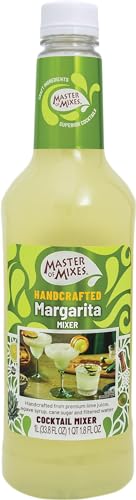
- Master of Mixes Margarita Mix 1 Liter
- Fever-Tree Tonic Water Cans 24 Pack
- Fever-Tree Light Tonic Water Cans 24 Pack
Read the full guide ↓ for the ranking logic, the honest limitations of every pick, and the mixing checks that matter more than any label claim.
Finding the best mixers for bacardi 151 starts with respecting what is in the bottle. Bacardi 151 is an overproof rum, bottled far stronger than a standard spirit, and that strength changes the mixing maths completely. A mixer that works beautifully with an ordinary white rum can disappear against 151, while a mixer that tastes assertive on its own suddenly becomes the only thing standing between a balanced drink and a glass of sweetened firewater. This guide is built around that reality: dilution, citrus, sweetness and carbonation all have to work harder here, and ratios that suit regular rum need to be stretched.
There is also a safety and hospitality angle that softer-rum guides can skip. A high-proof base served in a long, well-diluted drink is a very different proposition from the same spirit in a short, concentrated pour, and the mixers below were chosen because they lengthen, chill and flavour the drink without pretending the strength is not there. Every pick is a verified, currently listed product, and each one earns its place for a specific job: batch citrus for a crowd, a strawberry daiquiri-style serve, a dry tonic contrast, or a lighter can for a slower drink. If you are comparing neighbouring searches, the logic here also informs guides such as Best Mixers For Bacardi Gold, because gold rum raises some of the same balance questions at a gentler proof.
What this guide will not do is treat 151 like a party trick. There are no flaming serves, no shots culture and no encouragement to drink it neat. The honest way to enjoy an overproof rum is in a properly built, properly diluted drink, made with a mixer strong enough to matter. Read the detailed reviews for who each pick suits, use the comparison table to match format to occasion, and follow the how-to section for ratios, chilling and troubleshooting before you pour anything.
Key Takeaways
- Proof changes everything: with Bacardi 151, choose mixers with assertive citrus, real sweetness or firm bitterness, because delicate flavours vanish.
- Dilution is a feature, not a flaw: longer drinks over plenty of ice are the responsible and the tastiest way to serve an overproof rum.
- Citrus daiquiri-style mixes are the natural home for 151; the margarita and daiquiri family shares the same lime-and-sweetener architecture.
- Tonic is the dry counterweight: Fever-Tree tonic cans give a bitter, unsweet lengthened serve when fruit mixes feel too rich.
- Batch size matters: a large-format citrus bottle suits a planned group serve, while single cans suit one careful drink at a time.
- Never serve 151 neat or as a shot in a home setting; build the drink, chill it hard and keep the pour measured.
In this guide
Quick Picks
| Badge | Pick | Why it earns its place for best mixers for bacardi 151 |
|---|---|---|
| Best Overall | Zing Zang Original Margarita Mix | Real-fruit-juice lime mix with enough acidity to stay present against an overproof pour. |
| Best for Planned Batches | Daily’s Margarita Mix 64 oz | The big bottle for a pre-planned group serve where every pour is measured in advance. |
| Best Fruity Serve | Zing Zang Strawberry Margarita-Daiquiri Mix | A strawberry daiquiri-style mix, and the daiquiri is a rum drink by birth. |
| Best Classic Citrus | Master of Mixes Margarita Mix 1 Liter | A straight-down-the-line 1 liter lime mix for a textbook citrus rum serve. |
| Best Dry Contrast | Fever-Tree Tonic Water Cans 24 Pack | Real-quinine tonic for a long, bitter, unsweet rum serve over ice. |
| Best Lighter Serve | Fever-Tree Light Tonic Water Cans 24 Pack | The lighter tonic, with a bitter-orange hint, for a crisper and slower drink. |
How These Picks Were Chosen
This is a research-led guide, not a hands-on laboratory test, and it is honest about that. The six picks were selected from a verified pool of currently listed mixer products, then ranked specifically for an overproof rum rather than for spirits in general. Three questions decided the order. First, can the mixer still be tasted once a high-proof spirit is diluted into it? Second, does it bring one of the four things 151 genuinely needs: citrus, sweetness, bitterness or carbonation length? Third, does its format suit a realistic serving situation, from a single measured drink to a planned batch for guests?
Flavour architecture mattered more than brand fame. Lime-led mixes scored highly because citrus is the classic partner for rum in the daiquiri family, and because acidity gives the palate something to hold onto besides alcohol heat. Tonic earned its places for the opposite reason: quinine bitterness and bubbles create a dry, adult serve for drinkers who find fruit mixes cloying. Products were marked down, honestly, where their flavour is tuned for tequila rather than rum, where sweetness could stack dangerously with an already strong pour, or where a large bottle encourages careless free-pouring. Those limitations are stated in each review rather than hidden.
Only products with a verified listing, a confirmed pack format and a usable product image were linked. Nothing in this guide carries an invented specification: sizes, pack counts and ingredient notes come from the listings themselves. Prices are deliberately not printed, because they move; each pick instead points you to check the latest price on Amazon. The same verification-first approach runs through the wider cluster, including Best Mixers For Bacardi Rum, where the proof is lower but the sourcing rules are identical.
The 6 Best Mixers for Taming an Overproof Rum

Zing Zang Original Margarita Mix
Badge: Best Overall
Strengths
- Made with real fruit juice, so the lime character reads as fruit rather than candy
- No high fructose corn syrup, which keeps the sweetness cleaner in a strong drink
- A mid-size bottle that suits a few careful drinks without committing to a huge batch
Trade-offs
- Formulated for margaritas, so the salt-and-lime profile needs a small adjustment for rum
- Sweetness is fixed; very dry drinkers may prefer the tonic picks
- Once opened it needs fridge space and timely use
- Format: 32 fl oz plastic bottle, single bottle
- Sweetener note: No high fructose corn syrup, per listing
- Origin note: Made in USA, per listing
Zing Zang takes the top spot because balance is the whole game with 151, and this is the most balanced citrus option in the pool. Used as a daiquiri-style base — rum, this mix, extra ice, and a hard shake or a long stir — it gives the drink lime, sweetness and dilution in one pour, which is exactly the structure an overproof spirit needs. The real-juice character matters at high proof: artificial-tasting lime turns medicinal against strong alcohol, while fruit-led acidity stays recognisably lime.
The honest limitation is heritage. This bottle was blended for tequila, and its seasoning leans that way, so a rum drink built on it benefits from a pinch less mix and a little more ice than the label serve suggests. Start with a modest measure of 151, lengthen generously, taste, and only then adjust. Drinkers building a broader rum shelf will find the same pick discussed from a different angle in Best Mixers For Bacardi White Rum, where the spirit is gentler and the ratios relax.
Best for: a first, reliable citrus serve that makes 151 approachable in a long, cold drink / Not suited for: drinkers who want a completely dry, unsweetened serve

Daily’s Margarita Mix 64 oz
Badge: Best for Planned Batches
Strengths
- Large 64 oz format suits a single planned batch rather than repeated small buys
- A familiar, crowd-pleasing lime profile that needs no explaining to guests
- One bottle covers the whole event, which helps keep ratios consistent
Trade-offs
- The size that helps a party hurts a solo drinker; opened volume must be used in good time
- A plainer, sweeter profile than the real-juice picks
- A big bottle invites free-pouring unless the host measures every serve
- Format: 64 oz bottle
- Style: Classic margarita mix
Daily’s earns its place for one specific, responsible use case: a planned gathering where the host decides the recipe once, measures it properly, and serves the same balanced drink all evening. With an overproof rum, consistency is a safety feature. A single batch built at a sensible ratio, served over ice in modest glasses, is far better hospitality than guests mixing their own 151 drinks at unpredictable strengths.
The trade-off is discipline. This is not the bottle to open for one drink on a Tuesday, and it is not the most nuanced lime in the pool. Its job is volume with a familiar taste, and it does that job plainly and well. Keep the bottle chilled, keep a measure in your hand rather than pouring by eye, and treat any leftover batch as a soft drink base the next day rather than strengthening it. Hosts comparing group-serve options across spirits often cross-check Best Mixers For Bad Vodka for the same host-side logic: strong flavour, measured pours, no surprises.
Best for: hosts making one measured batch recipe for a group, with consistent ratios all night / Not suited for: solo drinkers or anyone who will leave a large opened bottle sitting around

Zing Zang Strawberry Margarita-Daiquiri Mix
Badge: Best Fruity Serve
Strengths
- Explicitly a margarita-daiquiri mix, so its rum application is on the label, not a stretch
- Made with real fruit juices for a rounder strawberry flavour
- Non-alcoholic mix, so the same bottle serves a strawberry lime cooler for non-drinkers
Trade-offs
- Strawberry sweetness can mask how strong the finished drink is; keep glasses modest
- Fruit flavour will dominate the rum rather than frame it
- One flavour direction only; not a flexible all-rounder
- Format: 32 fl oz bottle, pack of 1
- Style: Strawberry margarita-daiquiri mix, non-alcoholic
- Origin note: Made in USA, per listing
Of every bottle in this pool, this one needs the least translation for rum, because the daiquiri is a rum cocktail and strawberry daiquiris are a mainstream serve. Blended with crushed ice or shaken hard and strained over fresh ice, it produces the fruity, frosty style of drink in which a strong rum disappears most completely — which is precisely why the serving discipline in the how-to section matters. Sweet, cold and fruity drinks go down easily; the measure has to do the thinking.
Flavour-wise it is a crowd-pleaser rather than a purist’s pick. The strawberry leads, the lime supports, and the rum provides warmth underneath. That makes it the best choice in this guide for guests who say they do not like strong drinks, provided the host keeps the ratio honest and the glass small. Its limitation is range: once you have made the strawberry serve, the bottle does one thing. Buy it for that thing, and it delivers.
Best for: a blended or iced strawberry daiquiri-style serve for guests who prefer fruity drinks / Not suited for: anyone wanting to taste rum character clearly
Master of Mixes Margarita Mix 1 Liter
Badge: Best Classic Citrus
Strengths
- A classic, predictable lime profile that behaves the same in every batch
- The 1 liter format sits between single-serve and party size
- A long-established mixer brand with a consistent recipe direction
Trade-offs
- The least distinctive flavour in the pool; competent rather than exciting
- Tuned for margaritas, so rum drinkers should expect a tequila-leaning lime note
- Sweetness cannot be adjusted separately from the lime
- Format: 1 liter bottle
- Style: Classic margarita mix
Master of Mixes is the safe pair of hands in this guide. Its lime profile is the classic American margarita template — bright, sweet-tart and familiar — and poured as a daiquiri-style serve with 151 it produces exactly the drink most people picture: cold, citrus-led and easy to follow. Predictability is a genuine virtue with a strong spirit, because a mixer that behaves identically every time lets you dial in one ratio and trust it.
What it does not offer is surprise. There is no real-juice complexity here and no point of view beyond doing the classic thing competently. If your household makes citrus rum drinks regularly and wants a dependable mid-size bottle in the fridge door, that is enough. If you are buying for a special occasion and want the lime itself to be the talking point, the Zing Zang Original above it in this ranking is the more interesting pour.
Best for: regular citrus-rum drinkers who value a consistent, familiar lime base / Not suited for: drinkers hunting for a distinctive or craft-style flavour

Fever-Tree Tonic Water Cans 24 Pack
Badge: Best Dry Contrast
Strengths
- Real quinine bitterness gives a firm structure that strong rum cannot bully
- Small cans are single-serve, so carbonation is fresh in every drink
- Subtle citrus and fruit notes keep the serve from tasting austere
Trade-offs
- Tonic and rum is a modern, acquired pairing, not a classic; not every rum drinker converts
- No sweetness to soften the spirit, so the rum must be measured carefully
- A 24 pack is a commitment if the pairing turns out not to be your taste
- Format: 24 pack of 5.1 fl oz cans
- Key ingredient note: Real quinine, per listing
- Flavour note: Subtle citrus and fruit notes, per listing
Rum and tonic sounds like a gin drink wearing the wrong spirit until you taste it built properly: a modest measure of rum, a full can of tonic, a tall glass of ice and a squeeze of lime. The quinine bitterness does the same job here that it does in a gin and tonic — it gives the alcohol a frame — while the carbonation lengthens the drink and the cold keeps the proof in its place. For drinkers who find every fruit mix in this guide too sweet, this is the grown-up alternative.
The Fever-Tree cans suit the job because the portion is the recipe. One can, one drink, no flat half-bottle in the fridge and no temptation to top up the spirit instead of the mixer. The honest caveat is taste: bitterness plus overproof warmth is an intense combination, and this serve rewards a smaller rum measure than instinct suggests. Build it long, taste it cold, and let the tonic lead.
Best for: drinkers who prefer dry, bitter, sparkling serves and want 151 in a long drink / Not suited for: anyone expecting a sweet or fruity result

Fever-Tree Light Tonic Water Cans 24 Pack
Badge: Best Lighter Serve
Strengths
- A lighter style for drinkers moderating sweetness as well as strength
- Mexican bitter orange note pairs naturally with rum’s warmth
- The same single-serve can discipline as the classic tonic pick
Trade-offs
- A lighter body means less between the drinker and the spirit; ratios matter even more
- Botanical subtlety can be lost if the drink is over-diluted with melted ice
- Also a 24 pack commitment, in a more specific flavour direction
- Format: 24 pack of 5.1 fl oz cans
- Flavour note: Hint of Mexican bitter orange, per listing
- Style note: Light tonic with balanced botanicals, per listing
The Light tonic is the pick for the drinker who is moderating on two fronts at once: a strong spirit, handled carefully, in a mixer that does not pile sweetness on top. Its flavour is crisper and more citrus-led than the classic tonic, and the bitter orange note is a genuinely good match for rum, echoing the orange and spice tones that aged and overproof rums carry. Built long over fresh ice, it makes the most refreshing serve in this guide.
Its limitation follows from its virtue. A lighter mixer provides less cushioning, so this is the serve where measuring matters most and where warm, half-melted ice does the most damage. Use cold cans, fresh ice and a tall glass, and treat the drink as a slow one. Readers moderating sweetness across the board will also find useful context in the wider mixer cluster, where lighter formats recur as a theme.
Best for: a crisp, lighter rum and tonic with a bitter-orange edge, sipped slowly / Not suited for: drinkers who need sweetness to make an overproof spirit palatable
Comparison Table
| Pick | Type | Format from listing | Best use in this guide | Listing |
|---|---|---|---|---|
| Zing Zang Original Margarita Mix | Lime margarita / daiquiri-style mix | 32 fl oz bottle | First-choice citrus base for a balanced, diluted rum serve | Check on Amazon |
| Daily’s Margarita Mix 64 oz | Classic margarita mix | 64 oz bottle | Batch serve for planned gatherings | Check on Amazon |
| Zing Zang Strawberry Margarita-Daiquiri Mix | Strawberry margarita-daiquiri mix | 32 fl oz bottle | Fruity frozen or iced daiquiri-style serve | Check on Amazon |
| Master of Mixes Margarita Mix 1 Liter | Classic margarita mix | 1 liter bottle | Dependable everyday citrus base | Check on Amazon |
| Fever-Tree Tonic Water Cans 24 Pack | Tonic water | 24 x 5.1 fl oz cans | Dry, bitter long serve | Check on Amazon |
| Fever-Tree Light Tonic Water Cans 24 Pack | Light tonic water | 24 x 5.1 fl oz cans | Crisp lighter long serve | Check on Amazon |
How to Choose the best mixers for bacardi 151
The first decision is flavour family, and with an overproof rum it should be made honestly. Citrus mixes — the margarita and daiquiri-style bottles in this guide — are the forgiving choice: acidity and sweetness give the drink structure, and the style is familiar to almost every guest. Tonic is the deliberate choice: bitter, dry and sparkling, it suits drinkers who actively dislike sweet drinks and who will take the time to build a long serve properly. Strawberry sits in its own lane as the fruity, blended option. None of these is objectively best; each answers a different palate, and the ranking in this guide simply reflects how reliably each handles the proof for the widest range of drinkers.
The second decision is format, and here the occasion should lead. A large bottle makes sense only when a batch recipe has been decided in advance and the host is measuring; otherwise it is an invitation to drift stronger as the evening goes on. Single-serve cans impose a useful discipline: the mixer portion is fixed, the carbonation is fresh, and the only variable left is the spirit measure, which is the variable that deserves the attention. Mid-size bottles around a liter or quart suit a household that makes this style of drink regularly and will finish an opened bottle within a sensible window.
Third, read the listing for the details that actually change the drink: whether the mix uses real fruit juice, whether it avoids high fructose corn syrup if that matters to you, and whether the flavour notes — bitter orange, botanicals, real quinine — point the way you want to go. Ignore headline marketing and check pack size twice, because mixer listings mix single bottles, multi-packs and can counts in similar-looking formats. Finally, plan the whole serve before buying: glasses, ice in quantity, and a measure you trust. With 151, the mixer is only half the purchase; the other half is the equipment of restraint. Shoppers weighing the same questions for a standard-proof bottle will find the proof-specific notes here contrasted in Best Mixers For Bacardi Rum, where cola-style and gentler serves enter the picture.
How to Mix With Overproof Rum: Build, Chill and Troubleshoot
Start with the golden rule of this entire guide: measure the spirit, every time. Use a jigger or a marked measure, choose a modest pour, and let the mixer and ice do the rest. For a citrus serve, fill a shaker or a sturdy jug with fresh ice, add the measured rum and a generous measure of mix, shake or stir until the outside frosts, then pour everything over fresh ice in the glass. For a tonic serve, fill a tall glass completely with ice first, add the measured rum, pour the full can of tonic down the side to keep the bubbles, and finish with a squeeze of lime. Cold is not a garnish here; it is dilution, flavour and safety in one.
Storage and handling are simple but worth stating. Keep unopened bottles and cans in a cool cupboard, refrigerate opened mixes, and use opened citrus bottles within a sensible period while the lime flavour is still bright. Keep cans cold before serving, because a warm tonic poured over ice melts half the glass before the first sip and leaves the drink both weak in fizz and strong in spirit — the worst combination. Never store or serve 151 near open flame, and never attempt flaming serves at home; that era of this spirit’s reputation is best left in the past.
Problem: the drink tastes harsh and hot. → The ratio is wrong, not the mixer. Add more mixer and more ice, serve it longer, and reduce the spirit measure in the next round rather than trying to rescue an over-poured glass with sweetness alone.
Problem: the drink tastes sweet but still feels strong. → Sweetness masks flavour, not strength. The fix is dilution and time: more ice, a longer serve, a smaller glass and a slower pace, not a different bottle.
Problem: a tonic serve tastes flat or bitter in the wrong way. → The tonic was warm or the ice was old. Rebuild with a cold can, fresh ice filled to the top, and pour gently to protect the carbonation.
Why Citrus Mixes Meant for Margaritas Work as Daiquiri Bases
New readers often ask why a guide to a rum is full of margarita bottles, and the answer is structural. A margarita and a daiquiri are built on the same architecture: a strong spirit, lime, and a sweetening element, shaken cold. The mixer industry bottles that architecture under the margarita name because the margarita sells more, but the liquid inside — lime, sweetener, a saline or citrus edge — does not know which spirit it will meet. Poured with rum, a good margarita mix is functionally a daiquiri mix, and one pick in this guide, the Zing Zang Strawberry, says daiquiri on its own label.
Two adjustments translate the serve properly. First, rum brings its own sweetness from its base material, so use a touch less mix than a tequila serve would take, and let ice melt do the rest. Second, a small pinch of salt, already present in some margarita formulations, flatters rum just as it flatters tequila, sharpening the lime. Treat the bottle as a base to be tuned, not a finished recipe, and the translation is complete.
Serving an Overproof Rum Responsibly at Home
A guide that recommends mixers for a spirit of this strength owes the reader a straight paragraph on hosting. Decide the house recipe before guests arrive, write the ratio down, and make every drink to it — including your own. Serve in modest glasses over plenty of ice, put water and the non-alcoholic versions of the same drinks on the table without ceremony, and make sure food is part of the occasion rather than an afterthought. The strawberry mix in this guide doubles as a soft drink base, which makes the alcohol-free glass look identical to the served one; that small detail makes moderation socially effortless.
Know the stopping rules too. An overproof base is the wrong choice late in an evening, the wrong choice for anyone who has already been drinking, and the wrong choice to hand to guests to pour themselves. When in doubt, the standard-proof guides in this cluster, such as Best Mixers For Bacardi Gold, describe serves that deliver the same flavours with a wider margin for error. Choosing the gentler bottle is never a failure of the occasion; it is usually the making of it.
Ratios That Work: A Practical Starting Grid for Overproof Serves
Recipes for standard rum assume a spirit the drinker can afford to taste clearly, so they cannot be copied onto an overproof bottle. Use this grid as a starting point and adjust by taste, never by bravado. For a citrus serve with any of the lime mixes in this guide, begin with one part 151 to at least four parts mix, shaken or stirred over generous ice, and served in a modest glass. The drink should taste of lime first, warmth second, and it should be possible to finish it slowly without the finish turning hot. If it bites, the correction is more mix and more ice, not a smaller glass of the same mixture.
For a tonic serve, begin with one part 151 to a full small can of tonic — roughly a one-to-five relationship by volume — over a tall glass of ice with lime. The bitterness will make the drink taste drier than the citrus serve at the same strength, which is precisely why it suits experienced drinkers. For the strawberry serve, blend one part 151 with at least four parts mix and a full measure of crushed ice; the melt from blending is part of the dilution, so do not strain it away and re-serve over a token cube or two. In every case, write the ratio that worked on the bottle’s box or a phone note. Memory is the first casualty of a good evening, and an overproof spirit is the wrong ingredient to reconstruct from memory next time.
One more ratio matters, and it is not in the glass: the ratio of alcoholic to non-alcoholic serves across the occasion. Alternating a mixed drink with a glass of the same mix served without the spirit — easy with every bottle in this guide, since all are non-alcoholic until you add the rum — keeps an evening with a strong bottle at a civilised pace. Hosts who build that alternation into the plan, rather than relying on willpower in the moment, report the same thing bartenders know: nobody misses the rounds that were skipped, and everybody remembers the ones that were not.
Glassware, Garnish and Presentation for Strong Drinks
Presentation is not vanity with an overproof rum; it is portion control wearing better clothes. A modest glass, filled properly with ice and drink, looks generous and drinks sensibly. An oversized glass invites the two classic errors — a longer spirit pour to “fill it” and a top-up when the level drops — and it warms faster in the hand, which a strong drink punishes. Choose tall, narrow glasses for tonic serves, where the shape protects carbonation, and sturdy, medium glasses for citrus serves, where the drink is meant to be cold, bright and finished at a natural pace rather than nursed.
Garnish with the same discipline. Lime is the working garnish of this entire guide: a wedge squeezed over a tonic serve sharpens the bitterness, a wheel on a citrus serve signals the flavour inside, and its aroma reaches the nose before the spirit does, which measurably softens the first impression of a strong drink. Mint belongs to the strawberry serve, where its coolness plays against the fruit. What garnish should never be is a second drink in disguise — no spirit-soaked fruit, no flaming peels, no theatrical extras. The aesthetic of an overproof serve should be calm: cold glass, clear drink, one garnish, nothing to prove.
Temperature of the glass itself is the final detail. A glass taken from the freezer or filled with ice and water while you build the drink will hold a serve at its best for several extra minutes, and with a strong spirit those minutes are the difference between a drink that stays composed and one that turns ragged at the halfway point. It costs nothing but a minute of planning, which is the recurring bargain of this whole guide: the strong bottle rewards the prepared host and taxes the improviser.
What to Buy Alongside the Mixers: Ice, Measures and Small Tools
A reader who orders only the bottles from this guide is buying half a system. The other half is unglamorous and cheap, and it determines whether the mixers get to do their work. First, a measure you trust: a double-ended jigger or any marked measure that lives beside the bottle, not in a drawer. With an overproof spirit, the measure is a safety device before it is a bartending accessory, and it should be as non-negotiable as a seatbelt. Second, ice in real quantity — a bag in the freezer beyond the tray, because every serve in this guide is built on a full measure of it and a party can consume a surprising weight of ice in an evening.
Third, the citrus itself. Bottled mixes carry the lime flavour of the drink, but a fresh lime for garnish and adjustment is the difference between a serve that tastes assembled and one that tastes finished; one lime per few drinks is a fair planning figure. Fourth, a long spoon or a sturdy stirrer for tonic serves, so the drink can be lifted twice without being beaten flat. None of this requires a cocktail kit, a shaker collection or any specialist equipment beyond what a kitchen already holds, and that is deliberate: the barrier to serving a strong spirit responsibly should be attention, not gear.
Finally, plan the soft side of the table in the same order. Every mix in this guide pours a credible non-alcoholic drink over ice with the same garnish, so the marginal cost of covering non-drinkers properly is a few extra bottles of the mix you are already buying. Order them in the same basket, chill them in the same fridge, and serve them in the same glasses. An overproof bottle at the centre of an occasion raises the standard of care for everything around it — that, more than any single product ranked above, is the mark of the host who should own one.
A Note on Strength, Honesty and the Spirit of This Guide
It is worth closing the substantive sections with the principle that shaped every ranking above, because readers deserve to know the editorial line as clearly as the product list. This guide treats an overproof rum as an ingredient to be respected, not a challenge to be survived. That is why the serves are long, why the measures are modest, why the batch advice is written around consistency, and why the strawberry serve — the drink in which the spirit hides most completely — carries the sternest serving notes in its review. Flavour writing about strong spirits often drifts toward bravado; this guide has deliberately drifted the other way, toward the host who wants guests to leave happy, hydrated and impressed by the drinks rather than floored by them.
The same principle explains what the guide refused to do. It did not rank any pick for neat or shot serves, it did not repeat the spirit’s party mythology as if it were a recommendation, and it did not let the large-format bottle pass without discussing the discipline a large format demands. Readers who find that tone overly careful are free to prefer other guides; readers who have hosted with a strong bottle will recognise it as experience. The mixers ranked here are good enough to make an overproof rum genuinely enjoyable. The care described around them is what makes that enjoyment repeatable, occasion after occasion, without the evening ever depending on luck.
Common Buying Mistakes
The most common mistake is buying for the spirit’s reputation instead of the drink’s reality: choosing a delicate, lightly flavoured mixer that a high-proof rum will simply erase, then concluding that the mixer was poor. The second mistake is the opposite — reaching for the sweetest bottle in the shop to hide the strength, and building drinks that taste harmless while being anything but. Sweetness is a flavour decision, not a safety device. The third mistake is format drift: buying a party-size bottle for a quiet household, leaving it open for weeks, and judging the whole category by a stale, flat version of the product.
Two process mistakes follow. Buyers skip the listing details, then discover the pack count, the bottle size or the sweetener style is not what they assumed; with mixers, the format is half the product. And hosts skip the measure, free-pouring a spirit that punishes estimation more than any other in the rum category. Every mistake on this list has the same cure: decide the serve first, buy the format that fits it, read the listing once more, and measure the pour. The mixers in this guide are all capable; the failures happen around them, not inside them.
Final Recommendation
Start with the Zing Zang Original Margarita Mix Daily’s Margarita Mix 64 oz Zing Zang Strawberry Margarita-Daiquiri Mix shortlist if you want the shortest route to a good drink. The first name on that list, the Zing Zang Original, is the recommendation for most readers: its real-juice lime balance handles the proof with the least adjustment and suits the widest range of guests. Choose the strawberry mix instead if the occasion calls for a blended, fruity serve, and choose either Fever-Tree tonic if your palate runs dry and bitter and you are willing to build a long drink carefully. The Daily’s bottle is the planned-batch tool and the Master of Mixes is the dependable everyday citrus; both do their stated jobs without fuss.
Whichever bottle you choose, the drink will be made or unmade by the same three habits: a measured pour, a full measure of cold, and a glass sized for sense rather than spectacle. Get those right and an overproof rum becomes what it should be — a strong ingredient inside a balanced drink, not the drink itself. Check the listing for the format you actually need, and check the latest price on Amazon before you order.
Frequently Asked Questions
Is Bacardi 151 still sold everywhere, and does that change the mixer advice?
Availability of overproof rum varies by market and has changed over the years, so check your local situation first. The advice in this guide applies to any overproof rum of similar strength, not only one label: assertive citrus or bitter tonic, generous dilution, measured pours. If you are substituting a standard-proof rum, the same mixers work with relaxed ratios.
Why are margarita mixes recommended for a rum?
Because a margarita mix and a daiquiri share the same structure of lime and sweetener, and the daiquiri is a rum drink. Bottled lime mixes are sold under the margarita name but function as daiquiri bases with rum. Use slightly less mix than a tequila serve, since rum brings its own sweetness, and serve very cold.
Can I drink Bacardi 151 neat or as a shot?
This guide does not recommend it. An overproof spirit served undiluted is harsh, difficult to judge, and easy to over-consume. Every pick and recipe here is built around dilution: a measured pour, plenty of mixer, and plenty of ice. That is both the safer and the better-tasting way to use the bottle.
What is the best mixer here for someone who hates sweet drinks?
Either Fever-Tree tonic. The classic tonic gives a firm quinine bitterness with subtle citrus, and the Light tonic adds a bitter-orange note in a crisper style. Build the drink long over a full glass of ice with a modest rum measure, and finish with lime. Expect a dry, adult serve rather than a soft one.
How much ice does an overproof serve really need?
More than instinct suggests. Fill the glass completely rather than dropping in a few cubes, and shake or stir citrus serves until the vessel frosts. Ice is doing three jobs at once: chilling, diluting the proof toward a sensible drinking strength, and keeping the drink there as you sip. Skimping on ice is the most common reason home serves taste harsh.
How should I store opened mixer bottles and leftover cans?
Refrigerate opened citrus mixes and use them while the lime flavour is still bright, following any on-pack guidance. Keep tonic cans cold and unopened until serving, because carbonation is the product. A batch mixed for an event should be served that day; do not store a pre-mixed alcoholic batch for later in the week.


