Disclosure: topratedkitchenware.com is reader-supported. When you buy through links on our site, we may earn an affiliate commission from Amazon and other retailers, at no extra cost to you.
Where to buy
The six verified picks below are the shortlist for anyone searching for the best mixers for bacardi rum. Each name links to its Amazon listing, where you can check the latest price on Amazon, confirm the current pack size, and read the newest owner feedback before you buy.
- Fever-Tree Tonic Water Cans 24 Pack
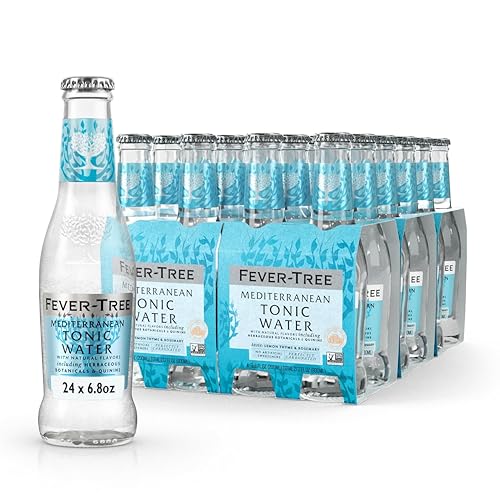
- Fever-Tree Mediterranean Tonic 24 Pack
- Fever-Tree Light Tonic Water Cans 24 Pack
- Fever-Tree Tonic Water Bottles 24 Pack
- Fever-Tree Premium Indian Tonic Water 8 Pack
- Fever-Tree Light Tonic Water 8 Pack Cans
Read the full guide ↓ for the ranking logic, the honest limitations of every pick, and the mixing checks that matter more than any label claim.
Ask a room of drinkers for the best mixers for bacardi rum and most will answer cola or juice without thinking — yet this verified pool tells a more interesting story. All six picks are tonics, spanning classic, light, Mediterranean and large-format styles, and together they make the case for the rum and tonic as a core serve rather than a curiosity. Bacardi rum, whether the bottle in your cabinet is white, gold or spiced, shares a family sweetness that quinine bitterness is unusually good at organising. This guide ranks the tonic styles against rum specifically, because a tonic chosen for gin does not automatically suit a spirit with rum’s warmth.
The differences between the six are real, and they matter more with rum than with clearer spirits. A classic Indian-style tonic gives structure and a clean bitter finish. A light tonic keeps a long drink crisp for drinkers moderating sweetness. The Mediterranean style brings herbal, floral softness that flatters white and gold rums in warm-weather serves. Format divides the pool further: cans portioned for one drink, small bottles for a generous single serve, and large bottles built for a round. Choosing well is mostly a matter of matching the tonic’s personality to the rum in hand and the occasion on the calendar, and the reviews below do that matching explicitly. For a narrower shelf, Best Mixers For Bacardi White Rum zooms in on the white bottle alone.
Expect honesty about the style’s limits, too. Tonic will not replace cola in a Cuba Libre, it will not make a tiki drink, and it asks for ice and cold to show its best. What it offers instead is range: one mixer family that can take a rum from a weeknight highball to a dinner-party round without a cupboard full of bottles. Read the detailed reviews, use the comparison table to shortlist by format, and follow the how-to section for the build that makes rum and tonic taste intentional rather than improvised.
Key Takeaways
- This verified pool is all tonic, and that is a feature: rum and tonic is a versatile core serve for white, gold and spiced Bacardi styles.
- Classic tonic gives the firmest bitter structure; light tonic keeps long drinks crisp; Mediterranean tonic adds herbal softness.
- Cans guarantee fresh carbonation and a fixed portion; bottles suit generous single serves and shared rounds.
- Rum’s family sweetness needs bitterness or acidity for balance — tonic supplies bitterness with every pour.
- Garnish steers the drink: lime sharpens, orange softens, herbs echo the Mediterranean style.
- Ice is structural. A rum and tonic over too little ice melts into sweetness and loses its point.
In this guide
Quick Picks
| Badge | Pick | Why it earns its place for best mixers for bacardi rum |
|---|---|---|
| Best Overall | Fever-Tree Tonic Water Cans 24 Pack | The reference rum and tonic: firm quinine, subtle citrus, fresh from the can every time. |
| Best Herbaceous Serve | Fever-Tree Mediterranean Tonic 24 Pack | Rosemary-led herbal tonic that turns a rum serve into a garden-party drink. |
| Best Lighter Serve | Fever-Tree Light Tonic Water Cans 24 Pack | Crisp light tonic with bitter orange, for long drinks that stay refreshing. |
| Best Generous Single Serve | Fever-Tree Tonic Water Bottles 24 Pack | The classic tonic in a bigger bottle, for one properly long drink. |
| Best for Sharing | Fever-Tree Premium Indian Tonic Water 8 Pack | Large clean-label bottles for pouring a round of rum and tonics. |
| Best Small Pack to Try the Style | Fever-Tree Light Tonic Water 8 Pack Cans | The light tonic in an 8 can pack — the low-commitment way to test rum and tonic. |
How These Picks Were Chosen
The method here differs from a general tonic ranking, and the difference is the spirit. Each verified tonic was assessed as a rum mixer first: how its bitterness sits against rum’s sweetness, whether its secondary flavours — citrus, bitter orange, rosemary and floral notes — complement rum’s vanilla and fruit tones, and whether its format suits the ways rum is actually served at home. A tonic that wins awards beside gin can still rank mid-table here if its flavour pushes against rum rather than with it, and the reviews say so where that happens.
Everything stated about a product — pack size, volume, quinine, flavour notes, ingredient stance — comes from its verified listing. This is a research-led guide and does not claim hands-on laboratory testing. Prices are not printed, because they move between visits; each pick instead invites you to check the latest price on Amazon. Internal consistency matters as well: the same verification rules govern the whole rum cluster, from Best Mixers For Bacardi Gold to the overproof end of the shelf, so a reader moving between guides can trust that a badge means the same thing in each.
Ranking within a single mixer family is an exercise in fine distinctions, so the order below leans on breadth of usefulness. The tonic that serves the most rum styles, in the most situations, with the least fuss ranks first; specialists follow, each with a clear statement of the job it does best and the drinker it suits. No pick here is a poor product — the pool is a strong one — but they are not interchangeable, and pretending otherwise would waste the reader’s money.
The 6 Best Tonic Mixers for Rum, Ranked by Style

Fever-Tree Tonic Water Cans 24 Pack
Badge: Best Overall
Strengths
- Real quinine bitterness balances rum sweetness across white, gold and spiced styles
- Single-serve cans mean full carbonation in every glass
- Subtle citrus and fruit notes sit naturally beside rum’s own fruit tones
Trade-offs
- A 24 pack is a storage and commitment decision
- The dry profile will not satisfy drinkers looking for a cola-style serve
- Small cans suit highballs; very large glasses may want two
- Format: 24 pack of 5.1 fl oz cans
- Key ingredient note: Real quinine, per listing
- Flavour note: Subtle citrus and fruit notes, per listing
If a household buys one tonic for rum, this is the one. The classic Fever-Tree profile — firm but not harsh quinine, a lift of citrus, lively carbonation — works with every Bacardi style a home bar is likely to hold. With white rum it makes a clean, sharp highball; with gold it dries out the caramel into something dinner-appropriate; with spiced rum it reins in the vanilla and lets the spice show. That breadth, plus the can’s guarantee of a fresh, correctly portioned pour, is why it leads the ranking.
Its limits are the style’s limits. It will not sweeten a drink, it will not forgive warm storage or tired ice, and a drinker committed to cola serves will find it austere. Within its brief, though, it is close to faultless: a mixer that makes rum taste more like itself, in a format that removes the two commonest home-bar failures, flat tonic and guessed portions.
Best for: an all-purpose rum and tonic across white, gold and spiced bottles / Not suited for: drinkers who want a sweet, cola-style rum serve
Fever-Tree Mediterranean Tonic 24 Pack
Badge: Best Herbaceous Serve
Strengths
- Rosemary essential oils add a savoury, herbal dimension rum wears surprisingly well
- A softer, more floral bitterness than the classic tonic
- Larger bottles pour a generous long drink in one opening
Trade-offs
- The herbal character is a point of view; purists may find it distracting
- Bottles must be finished promptly once opened
- Less versatile across rum styles than the classic tonic
- Format: 24 pack of 6.8 fl oz bottles
- Key ingredient note: African quinine with rosemary essential oils, per listing
- Flavour note: Subtly herbaceous and refreshing, per listing
The Mediterranean tonic is the pool’s flavour adventure, and rum is a better partner for it than most spirits. Rosemary’s piney, savoury note against rum’s warm sweetness creates a drink that tastes composed — closer to a cocktail-bar serve than a two-ingredient highball — especially with gold rum and a sprig of fresh rosemary or a strip of orange peel as garnish. On a warm evening, it is the most memorable glass in this guide.
That distinctiveness is also its boundary. This is not the tonic for a drinker who wants the rum entirely unaccompanied, nor the best choice for spiced rum, where herb and spice can crowd each other. Buy it as the second tonic in the house, the one for guests and gardens, and keep the classic cans for everyday. Specialist picks earn their keep by being chosen deliberately, and this one rewards exactly that.
Best for: gold or white rum serves with a herbal, warm-weather character / Not suited for: spiced rum, or drinkers who want a neutral mixer

Fever-Tree Light Tonic Water Cans 24 Pack
Badge: Best Lighter Serve
Strengths
- Bitter orange complements rum’s citrus and spice leanings
- A lighter body keeps a tall drink refreshing to the last sip
- Balanced botanicals add interest without sweetness
Trade-offs
- Less cushioning for strongly flavoured spiced rums
- Demands cold cans and fresh ice to show its best
- A committed 24 pack in a specific flavour direction
- Format: 24 pack of 5.1 fl oz cans
- Flavour note: Hint of Mexican bitter orange, per listing
- Style note: Light tonic with balanced botanicals, per listing
For the drinker moderating sweetness, this is the rum tonic of choice. The light style trims the mixer back so the drink tastes crisp rather than full, and the bitter-orange note is a genuinely thoughtful match for rum — orange and rum have shared glasses for a century, in punches and tiki classics, and the affinity shows here in a cleaner, more modern frame. With white rum and lime it is the sharpest serve in the guide; with gold rum and orange it is the most elegant.
Its one caution is pairing weight. A heavily spiced or very dark rum can overwhelm a light tonic’s frame, leaving bitterness without balance. Keep this can for white and gold bottles, build it cold and long, and it will be the drink health-conscious guests ask you to make twice. The same lighter philosophy, applied to the white bottle alone, is explored in Best Mixers For Bacardi White Rum.
Best for: white and gold rum drinkers who want a crisp, lighter long drink / Not suited for: dark or heavily spiced rums that need a firmer mixer

Fever-Tree Tonic Water Bottles 24 Pack
Badge: Best Generous Single Serve
Strengths
- One bottle pours one long, unhurried serve
- The same trusted classic profile as the top pick
- Glass bottles suit serving at the table
Trade-offs
- Carbonation fades if the bottle is not finished in the serve
- Heavier and bulkier to chill than cans
- No advantage over cans for multi-drink households
- Format: 24 pack of 6.8 fl oz bottles
- Key ingredient note: Real quinine, per listing
- Flavour note: Subtle citrus and fruit notes, per listing
Some drinks are refreshments and some are the evening’s main event, and this bottle is for the second kind. Nearly seven ounces of classic tonic builds a rum highball with real length — the sort of glass that accompanies a meal or a long conversation, evolving as the ice settles. Gold rum drinkers in particular will appreciate the format: the rum’s oak notes open up across a longer drink in a way a short serve never allows.
The choice between this and the top-ranked cans is purely about rhythm. One drinker, one generous glass, no leftovers: bottles. Several drinks, staggered timing, guaranteed fizz: cans. Neither is better in the abstract, and the reviews rank them by breadth of usefulness rather than by quality, which is equal. Buy the format that matches your evenings and the tonic will do the rest.
Best for: one generous, slow rum and tonic served with food or conversation / Not suited for: households pouring several drinks at different times

Fever-Tree Premium Indian Tonic Water 8 Pack
Badge: Best for Sharing
Strengths
- No artificial sweeteners, flavourings or preservatives, per the listing
- Large bottles pour a full round without opening multiple units
- A classic Indian tonic profile that suits every rum style in the house
Trade-offs
- An opened bottle is a same-session commitment
- Portioning is by eye unless you measure, unlike cans
- Eight large bottles need real fridge space when chilled
- Format: 16.9 fl oz bottles, pack of 8
- Ingredient note: No artificial sweeteners, flavourings or preservatives, per listing
- Style: Premium Indian tonic water
The sharing pick earns its badge at the table. One chilled bottle, opened when the glasses are ready, pours two or three rum and tonics at identical strength — a small hospitality detail that guests notice even if they cannot name it. The clean ingredient stance will matter to some households more than others, but the flavour case stands on its own: this is a classic, well-balanced tonic with nothing in the way of the rum.
Its discipline is the familiar large-format one. Do not open it for a single glass on a quiet night and expect tomorrow’s pour to sparkle; that is what the cans are for. Bought for planned rounds — a dinner, a small gathering, a weekend afternoon with friends — it is the most graceful product in the pool, and the one that makes rum and tonic feel like an occasion rather than a fallback.
Best for: hosts pouring an identical round of rum and tonics for guests / Not suited for: solo drinkers who open a bottle for one glass

Fever-Tree Light Tonic Water 8 Pack Cans
Badge: Best Small Pack to Try the Style
Strengths
- A smaller pack lets a household taste the style before committing
- The same bitter-orange light profile as the 24 can pick
- Single-serve cans keep every trial drink properly carbonated
Trade-offs
- A trial size runs out quickly if the style becomes a household habit
- Shares the light style’s limits with dark and spiced rums
- Fewer cans means less flexibility for guests
- Format: 8 pack of 5.07 fl oz cans
- Flavour note: Touch of Mexican bitter orange, per listing
- Style note: Light tonic with balanced botanicals, per listing
Not every reader arrives convinced that rum and tonic is for them, and this pack exists for the unconvinced. Eight cans is enough to test the serve properly — white rum one night, gold another, a Mediterranean-style garnish experiment on the weekend — without a cupboard commitment if the verdict is no. Trial sizing is an underrated virtue in mixer buying, where 24 packs of an untasted style are how fridges fill with good intentions.
If the verdict is yes, the honest advice is to graduate to the larger light pack or the classic cans rather than rebuying the small format forever; the drink will be the same, the logistics better. As an entry point, though, this is the smartest first purchase in the guide, and its presence in the ranking is a deliberate argument that how a product is sold matters as well as how it tastes. Newcomers may also appreciate the gentler on-ramp in Best Mixers For Bacardi 151 being the opposite end of the proof scale — context for how widely rum mixing ranges.
Best for: first-time rum and tonic drinkers testing the lighter style / Not suited for: established fans who will empty a small pack in a weekend
Comparison Table
| Pick | Type | Format from listing | Best use in this guide | Listing |
|---|---|---|---|---|
| Fever-Tree Tonic Water Cans 24 Pack | Classic tonic water | 24 x 5.1 fl oz cans | The default rum and tonic | Check on Amazon |
| Fever-Tree Mediterranean Tonic 24 Pack | Mediterranean tonic | 24 x 6.8 fl oz bottles | Herbal garden-party serve | Check on Amazon |
| Fever-Tree Light Tonic Water Cans 24 Pack | Light tonic water | 24 x 5.1 fl oz cans | Crisp lighter highball | Check on Amazon |
| Fever-Tree Tonic Water Bottles 24 Pack | Classic tonic water | 24 x 6.8 fl oz bottles | Generous single long serve | Check on Amazon |
| Fever-Tree Premium Indian Tonic Water 8 Pack | Premium Indian tonic | 8 x 16.9 fl oz bottles | Shared round at the table | Check on Amazon |
| Fever-Tree Light Tonic Water 8 Pack Cans | Light tonic water | 8 x 5.07 fl oz cans | Trial-size entry to the style | Check on Amazon |
How to Choose the best mixers for bacardi rum
Because every pick in this pool is a tonic, the buying decision is about style and format rather than category. For style, match the tonic to the rum in hand. White rum, being clean and light, shows a tonic’s character most clearly: the classic gives it structure, the light keeps it sharp, the Mediterranean dresses it up. Gold rum wants the classic or the Mediterranean, whose bitterness and herbs can hold a conversation with oak. Spiced rum is the diva of the family — its vanilla and spice can clash with herbal notes, so the classic tonic is its safest partner, poured generously to keep the drink dry.
For format, let the calendar decide. Cans are the infrastructure choice: portioned, fresh, stackable, and forgiving of irregular drinking habits. Small bottles are the occasion choice for one long drink. Large bottles are the hospitality choice, bought for a named event and finished at it. A household that entertains monthly and drinks weekly will honestly use two formats, and this pool’s structure — the same tonic personalities in several sizes — makes that easy without learning a new flavour each time.
Finally, sweat the unglamorous details. Check the pack count and unit volume on the listing, because tonic listings are a thicket of similar photographs and different contents. Confirm whether you are buying the classic or light variant; the cans look alike at thumbnail size. Check the latest price on Amazon before ordering, and order the garnish and the ice into the same plan: lime as the default, orange for the light tonic, rosemary if the Mediterranean bottle is coming home. A rum and tonic is three ingredients; there is no excuse for one of them to be an afterthought. Readers who also keep a vodka shelf will find the tonic logic transfers directly in Best Mixers For Bad Vodka.
How to Build the Perfect Rum and Tonic, and Fix It When It Misses
The build takes ninety seconds and repays precision. Chill the tonic first — a warm tonic cannot be rescued by ice alone. Fill a tall glass completely with fresh, hard ice. Add a measured pour of rum over the ice, then the tonic, poured slowly down the side of the glass or over the back of a spoon to protect the carbonation. Garnish with intent: lime for the classic and light styles, orange for the light tonic’s bitter-orange note, a rosemary sprig for the Mediterranean. Lift twice gently with a spoon and drink promptly; a rum and tonic is at its best in its first ten minutes.
Ratios are a starting point, not a law. A full small can or bottle to a single measured pour of rum suits most palates; drinkers who find the result bitter can lengthen the drink rather than sweetening it, and drinkers who find it thin should check the ice and the chill before blaming the tonic. Store unopened cans and bottles cool and dark, refrigerate opened still mixers — though this pool is entirely sparkling, so the rule here is simpler: open only what the session will finish, and keep the rest sealed and cold.
Problem: the drink tastes sweet and flabby. → The tonic was warm, the ice too scant, or the glass too small for the pour. Rebuild taller, colder and longer; bitterness reads correctly only in a properly chilled drink.
Problem: the drink tastes bitter but hollow. → The rum is being drowned or the tonic style is too light for it. Match a firmer classic tonic to gold and spiced rums, and keep light tonics for white rum.
Problem: the second round tastes worse than the first. → Carbonation has faded in an opened bottle, or the ice supply has turned to melt water. Switch to cans for staggered rounds and refresh the ice completely for every glass.
White, Gold or Spiced: One Tonic Family, Three Conversations
It is worth spelling out how differently the same tonic behaves across the Bacardi family, because this is where a single-pool guide earns its keep. White rum and tonic is a study in clarity: the spirit’s light grassy sweetness, the tonic’s bitterness, the lime’s snap — nothing hides, which is why the build must be cold and the tonic fresh. Gold rum and tonic is a study in balance: oak sweetness against quinine, with the drink’s interest coming from the tension between them. Spiced rum and tonic is a study in editing: the tonic’s job is subtraction, drying the vanilla and letting cinnamon and spice read as flavour rather than as sweetness.
The practical conclusion is that a household with two rum bottles does not need two mixer cupboards. It needs one firm classic tonic, one lighter or herbal alternative for contrast, and the garnish discipline to steer each glass. That economy — fewer bottles, better understood — is the real promise of the rum and tonic style, and it is why this pool, narrow as it looks, covers more drinking occasions than a wider but shallower one.
Beyond Tonic: An Honest Note on the Wider Rum Mixer Map
Honesty requires a paragraph about what is not here. Cola, ginger beer, pineapple juice and coconut water are all legitimate, beloved rum mixers, and a reader building a tiki shelf or craving a Cuba Libre will need them; they are simply not in this verified pool, so they are not linked or ranked. What this guide claims is narrower and, it argues, more useful: that within the tonic family there is enough range to cover most home rum drinking, most weeks of the year, with balance that the sweeter classics rarely achieve.
Think of tonic as the rum cabinet’s dry foundation rather than its whole wardrobe. Add the sweet and fruity families as your drinking demands them, using the same verification habit this guide models: read the listing, match the format to the occasion, and be suspicious of any mixer that promises to do everything. Specialists age well in a home bar; generalists gather dust. The neighbouring guides in this cluster take the same line with their own pools, including Best Mixers For Bacardi Gold, where fruit and lime join the tonics.
Tonic Styles Decoded: Classic, Light and Mediterranean Side by Side
Because this pool is one family, the styles deserve a plain-language decoding. Classic tonic — the cans, the small bottles and the premium Indian in this guide — is the reference profile: quinine bitterness up front, a measured sweetness underneath, citrus in support. It is the style against which the others define themselves, and the safest partner for any rum in the house. When a recipe anywhere says simply “tonic”, this is the liquid it means, and a household that stocks only one style should stock this one.
Light tonic trims the body and the sweetness to produce a crisper, more austere drink, and the Fever-Tree versions in this pool spend the savings on flavour — bitter orange and botanicals — rather than leaving a hole. The result suits drinkers moderating sweetness and spirits delicate enough to be crowded, which is why the light style pairs so naturally with white rum and carefully with gold. It is not a lesser tonic; it is a different instrument, and it punishes warm storage and tired ice more than the classic does, because there is less body to hide behind.
Mediterranean tonic moves sideways instead of down: a softer bitterness wrapped in herbal and floral notes, rosemary at the front in this pool’s version. It is the style most likely to make a simple rum highball taste like a composed cocktail, and the style most likely to clash with a spiced rum whose own aromatics are already loud. Read the three styles as a small vocabulary — structure, crispness, aroma — and the ranking in this guide becomes a set of sentences you can reuse with any rum bottle that joins the shelf later.
The Garnish System: Steering One Drink Three Ways
A rum and tonic has three ingredients, and the garnish is the only one chosen at the moment of serving — which makes it the steering wheel of the whole style. Lime is the default setting: its acid sharpens bitterness, brightens rum’s fruit and suits every tonic in this pool. Squeeze the wedge over the drink and drop it in, and the serve leans dry and vivid. Orange is the softening setting: sweeter and rounder, it flatters gold rum and the light tonic’s bitter-orange note, and it turns the same bottle-and-tonic combination into a noticeably gentler drink without a drop of anything added.
Herbs are the third setting, and they belong to the Mediterranean bottle: a rosemary sprig, slapped once between the palms to release its oils, or a basil leaf in high summer, pushes the drink toward the kitchen garden and toward food. The discipline is to choose one setting per glass and commit to it. A lime-and-orange-and-rosemary glass is not three times as good; it is a drink arguing with itself. Bartenders call this garnish intent, and home drinkers can steal it whole: decide what the drink is about, then let one garnish say it.
Two practical notes complete the system. Citrus should be fresh and cut to order, because a dried-out wedge gives bitterness without aroma, and peel twists — a strip of zest squeezed over the surface — deliver aroma with almost no juice, which is the right tool when a drink needs perfume rather than acid. Keep a small stock of both fruits rather than a large stock of one, and the same six bottles in this guide will produce a dozen distinguishable drinks across a season.
Stocking Tonic Without Waste: A Rotation Plan for Real Households
Tonic’s great domestic problem is not quality but arithmetic: it is sold in packs sized for enthusiasm and drunk at the pace of real life. A rotation plan solves it. Keep one format open in the fridge — ideally cans, which portion themselves — and treat it as the house tonic until it is finished. Keep one sealed format in reserve for occasions, chosen by the calendar: the sharing bottles before a dinner, the Mediterranean before a garden weekend. Buy the next pack when the reserve is opened, not when a promotion appears, and the cupboard will never hold three half-dead formats at once.
Date discipline helps quietly. Sparkling drinks do not spoil the way juice does, but carbonation and aromatics fade across months, so the pack bought for summer should not be the pack served at Christmas. Write the purchase month on the case with a marker — a shopkeeper’s habit that costs two seconds — and drink in the order you bought. If a format is not moving, that is information, not failure: the household’s taste has voted, and the next order should listen.
The plan’s last rule concerns guests. A household that entertains should hold one crowd-safe tonic — the classic, in cans — even if its own palate prefers the specialists, because the classic is the serve nobody at a table will refuse. Specialists are for the household; the classic is for the house. Between those two loyalties, this entire pool can be stocked in a single shelf, kept fresh, and actually finished — which is the unglamorous definition of a well-bought mixer.
Rum and Tonic for Beginners: Your First Three Glasses, in Order
Newcomers to the style often ask where to start, and the honest answer is a sequence, not a bottle. Pour the first glass with white rum and the classic tonic, lime garnish, built exactly as the how-to section describes. That glass teaches the style’s grammar: bitterness first, rum sweetness second, citrus over both. Drink it slowly and notice how it changes as the ice settles — the first third is the most bitter, the last third the most rummy, and understanding that arc is understanding the drink.
The second glass should change one variable only: swap the white rum for gold, keeping the tonic, the build and the garnish identical. The comparison is the education. The gold version will taste rounder, warmer, a little sweeter against the same bitterness, and most drinkers discover their household’s default somewhere in that single comparison. The third glass changes the other variable: keep whichever rum won, and swap the tonic — light for crispness, Mediterranean for aroma — to learn what the mixer contributes when the spirit is held constant. Three glasses, two comparisons, and a beginner has a working map of the entire pool in this guide.
From there, the repertoire builds itself. The beginner who ran the sequence knows which format to buy next and why, which is a better outcome than any ranking can deliver on its own. Keep notes if your household enjoys the exercise; a line per glass in a phone note — rum, tonic, garnish, verdict — becomes, within a season, a personal buying guide more accurate than any article, including this one. That is not false modesty. It is the correct relationship between a guide and a palate: the guide proposes, the sequence disposes.
One Last Check Before You Order
Before a tonic from this guide goes into a basket, run four quick checks. Name the rum it will meet first — white, gold or spiced — and confirm the style pairing follows the logic in the reviews, because the same tonic that flatters one bottle can crowd another. Name the occasion, and let it choose the format: cans for rhythm, small bottles for a generous single serve, large bottles for a named gathering with a finishing plan. Check the fridge honestly for chilling space, since a tonic that cannot be served cold cannot be judged fairly. And re-read the listing’s variant name and pack count out loud, because this family’s packaging similarities have ended more shopping trips in quiet disappointment than any flavour ever has.
Pass all four and the purchase is as considered as a two-ingredient drink deserves. Fail one and the remedy is usually to buy less, nearer the occasion, in the format the household’s real rhythm supports. Rum and tonic rewards that kind of plain thinking out of proportion to its simplicity: the right tonic, cold, over a full glass of ice, with the garnish chosen on purpose. Everything else in this guide is commentary on that single, repeatable act.
Common Buying Mistakes
The commonest mistake with this pool is buying by photograph: ordering the light variant when the classic was wanted, or a case of small bottles when the plan needed cans, because the listings look near-identical at a glance. Read the variant name and the pack count out loud before ordering; it takes ten seconds and prevents the only genuinely annoying failure this category offers. The second mistake is treating tonic as a generic commodity and buying the largest format on a per-litre instinct, then drinking flat tonic for a fortnight. In sparkling mixers, freshness is the product; format discipline beats bulk logic every time.
Serving mistakes follow buying mistakes. Readers chill the rum and forget the tonic, or fill the glass halfway with ice and wonder why the drink turns sweet and warm by the halfway mark. And some buyers, meeting rum and tonic for the first time, judge the style by a single glass built with a spiced rum and a herbal tonic — the one combination this guide warns against — and abandon a repertoire that would have suited them in its classic form. Match the style to the bottle, build it cold, and give the classic serve a fair first hearing.
Final Recommendation
The shortlist to start from is Fever-Tree Tonic Water Cans 24 Pack Fever-Tree Mediterranean Tonic 24 Pack Fever-Tree Light Tonic Water Cans 24 Pack. Lead with the classic tonic cans if you want one purchase that covers every rum in the house with fresh carbonation and no portion guesswork. Add the Mediterranean bottles when you want a serve with genuine occasion about it, and the light cans when the household’s drinking runs crisp and moderate. The remaining formats — the generous single bottles, the sharing size, the small trial pack — are logistics choices, and the right one is simply the one that matches how your household actually drinks.
Rum and tonic will not be every reader’s drink, and this guide has tried to say where its edges are. But for the reader it suits, it offers something rare in home mixing: a two-ingredient serve with real range, real balance and almost nothing to wash up. Choose the tonic style for your bottle, chill everything, and check the latest price on Amazon before you order.
Frequently Asked Questions
Is rum and tonic a real serve or a modern invention?
It is a modern serve that has moved into the mainstream on merit. Rum and cola is the historical highball, but tonic’s bitterness balances rum’s sweetness in a way many contemporary drinkers prefer, and rum producers themselves now suggest tonic serves. Treat it as a legitimate style with its own build rules: tall, cold, well-iced and garnished with citrus.
Which tonic suits spiced rum best?
The classic tonic. Spiced rum brings vanilla and baking spice that can collide with herbal or floral mixers, while a firm classic tonic simply dries the drink out and lets the spice read cleanly. Pour it generously, use plenty of ice, and garnish with lime rather than anything aromatic.
Can I use these tonics with other spirits?
Certainly — tonic is a general mixer, and every pick here will serve gin or vodka competently. The rankings, however, were made for rum: flavour notes and badges reflect how each tonic behaves against rum’s sweetness and warmth. A tonic ranked mid-table for rum might be your favourite for another spirit, and that is no contradiction.
Why do cans rank above bottles in this guide?
On freshness and portioning, not on flavour. A can is opened per drink, so carbonation is guaranteed and the mixer measure is fixed, which removes the two commonest home-serve failures. Bottles win for generous single serves and shared rounds, and the reviews say so; the ranking simply reflects how most households drink most often.
What garnish should I keep for rum and tonic?
Lime, first and always: it sharpens every style in this pool. Orange is the second garnish, for the light tonic and for gold rum serves where a softer citrus suits better. A rosemary sprig belongs to the Mediterranean tonic. With those three, every pick in this guide can be garnished with intent rather than habit.
How long does tonic keep once opened?
Sparkling tonic is a same-session product once opened; refrigeration slows the loss of carbonation but does not stop it. That is the practical argument for cans and small bottles in households that drink one glass at a time, and for reserving large bottles for occasions when they will be finished at one sitting.


