Disclosure: topratedkitchenware.com is reader-supported. When you buy through links on our site, we may earn an affiliate commission from Amazon and other retailers, at no extra cost to you.
Where to buy
For the best mixers with coconut rum, think structure. Coconut rum is sweet, tropical, and one good mixer away from either a great drink or a dessert. The six verified bottles below bring what it needs — lime for structure, strawberry for the frozen serve, tonic for dryness. Each was cross-checked against the Amazon catalog data we work from before earning its link, and each is framed for coconut rum specifically rather than for the spirit printed on its label.
- Agalima Organic Margarita Drink Mix (1 Liter Glass Bottle) — an organic, all-natural lime mix — the coconut margarita and coconut daiquiri, cleaned up. Check on Amazon
- Daily’s Margarita Mix (64 oz Bottle) — the half-gallon bottle for pitchers of coconut-lime punch.
- Zing Zang Original Margarita Cocktail Mix (32 fl oz) — a real-juice, no-HFCS lime mix with the bite to cut coconut richness.
- Zing Zang Strawberry Margarita-Daiquiri Mix (32 fl oz) — strawberry and coconut in a blender — the frozen tropical serve, bottled.
- Master of Mixes Margarita Mix (1 Liter Bottle) — the dependable liter for the regular coconut-lime rotation.
- Fever-Tree Tonic Water Mixer (24 × 5.1 fl oz Cans) — real-quinine tonic — the mixer that makes coconut rum taste dry.
Read the full guide ↓ for the ratios, the serving styles, and the honest trade-offs behind each bottle.
The best mixers with coconut rum are the ones that understand the assignment: coconut rum arrives sweet, creamy in flavor, and unmistakably tropical, so its mixer must supply the structure the spirit lacks. That structure comes in three forms — lime’s acid, which turns coconut rum into the coconut margarita and the coconut daiquiri; fruit with acid underneath, which builds the frozen tropical serve; and tonic’s bitterness, which performs the small miracle of making coconut rum taste dry. A mixer that adds only more sweetness fails the assignment, and the ranking below is built on that single principle.
This guide ranks six verified bottles for coconut rum: five lime and fruit mixes and one tonic water. The top spot goes to the cleanest lime — an organic, all-natural mix whose directness cuts coconut’s richness the way a squeeze of lime cuts it in the islands where both flavors grew up together. The strawberry mix takes the frozen slot, because coconut and strawberry in a blender is a combination with a long and happy history. The bigger and bolder bottles are assigned to the batch and rotation jobs where their profiles belong.
Coconut rum also rewards the cross-referenced shelf: the same lime bottles anchor the wider rum guides, including Best Mixers With Carribean Rum and Best Mixers With Malibu Rum — Malibu being the coconut rum most households actually own, and one whose sweetness makes every rule in this guide apply twice over. Ratios here are stated with that sweetness in mind, and they run shorter than standard rum serves.
Key Takeaways
- Lime is coconut rum’s essential partner: it supplies the acid that turns a sweet tropical spirit into a structured drink.
- Agalima’s organic lime mix leads this list — clean, natural, and moderate, it builds the definitive coconut margarita and coconut daiquiri.
- Strawberry mix plus coconut rum plus a blender is the frozen serve of the summer; keep it brutally cold.
- Tonic water makes coconut rum taste dry — the most surprising and arguably the best long drink here.
- Pour mix shorter than standard rum ratios; coconut rum brings substantial sweetness of its own.
- Cold is non-negotiable: coconut flavors turn heavy and cloying as a drink warms.
In this guide
Quick Picks
| Pick | Badge | Why it earns its place | Link |
|---|---|---|---|
| Agalima Organic Margarita Drink Mix (1 Liter Glass Bottle) | Best Overall | Organic, all-natural lime in a glass liter: the cleanest structure for coconut rum’s sweetness. | Check on Amazon |
| Daily’s Margarita Mix (64 oz Bottle) | Best for a Crowd | Sixty-four ounces of classic mix — coconut rum punch at party scale. | Check on Amazon |
| Zing Zang Original Margarita Cocktail Mix (32 fl oz) | Best Tangy Finish | Real fruit juice, assertive tang, no HFCS — the sharpest rescue for coconut rum’s sweetness. | Check on Amazon |
| Zing Zang Strawberry Margarita-Daiquiri Mix (32 fl oz) | Best for Frozen Drinks | Real-fruit strawberry in a daiquiri build: the coconut-strawberry frozen, summer’s easiest drink. | Check on Amazon |
| Master of Mixes Margarita Mix (1 Liter Bottle) | Best Everyday Value Format | Classic, predictable lime profile in the practical liter — the house coconut margarita bottle. | Check on Amazon |
| Fever-Tree Tonic Water Mixer (24 × 5.1 fl oz Cans) | Best for Long Drinks | Real quinine and serious bubbles in 5.1-ounce cans: the coconut highball, unexpectedly elegant. | Check on Amazon |
How These Picks Were Chosen
This guide is research-led, not lab-based: no beach-bar residency is claimed. We compared verified catalog data across the mixer category — ingredient direction, sweetener system, format, and stated claims — against coconut rum’s pairing structure, which reduces to acid, fruit, and bitterness as the three useful contrasts to a sweet tropical base. Every product below was cross-checked against the Amazon Creators API catalog on 2026-11-20, and only listings whose data confirmed the profile described earned a link.
Three filters set the ranking. Structural value came first: what does the mixer add that coconut rum lacks? Lime and quinine scored highest; pure fruit sweetness scored as layering rather than structure, delicious but ranked accordingly. Second was sweetness accounting — coconut rum is among the sweetest spirits in the cabinet, so each mix was judged on the combined drink, and balanced or natural profiles outranked full-sweetness ones at the top. Third was format fit: glass liter, half-gallon, and tonic case were each scored for their real jobs.
The honest boundary: fresh lime and a coconut rum need nothing else to make a fine drink, and the how-to section shows how to correct these bottles toward that freshness with a squeeze. The bottles buy consistency and speed — the same good coconut daiquiri on demand — which is the trade most home bars want most of the time.
The 6 Best Mixers with Coconut Rum, Reviewed in Detail
Each review is written for the coconut rum drinker: what structure the mixer adds, which serve it unlocks, and where the combination can tip into dessert. Specs come only from verified listing data.

Agalima Organic Margarita Drink Mix (1 Liter Glass Bottle)
Badge: Best Overall
Strengths
- Direct natural lime is the precise acid coconut rum needs — the drinks taste tropical and structured, not candied
- Moderate natural sweetness refuses to stack on the rum’s own sugar
- Glass liter suits a considered rotation; the clean label matches the natural-ingredient story coconut rum sells
Trade-offs
- Natural recipe rewards prompt use once opened; refrigerate and finish within a few weeks
- Clean-label positioning typically sits at the category’s premium end (check the current listing)
- Classic lime only — the frozen-fruit direction needs the strawberry bottle
At a glance:
- Format: 1 liter glass bottle, individually boxed
- Headline claims: Organic, all natural (per listing)
- Sweetener direction: Natural recipe direction
- Style: Classic margarita profile — daiquiri structure
Coconut and lime are island flavors that evolved together, and this bottle is the cleanest way to reunite them in a glass. Agalima’s organic, all-natural lime brings the acid coconut rum cannot supply itself, at a moderate sweetness that respects how much sugar the rum already carries. Build the coconut margarita — two parts coconut rum, one part mix, salted half-rim — and the drink resolves into something with genuine architecture: coconut up front, lime as the frame, salt making both taste more vivid. Build it as a daiquiri, up and shaken hard, and it is the most elegant drink in this guide.
It is also the most versatile bottle here across coconut rum’s moods: short and shaken for the considered drink, lengthened with soda for the afternoon, and the base the frozen version wishes it had when you want fruit flavor without the blender. The clean-label disciplines apply — refrigerate, finish within weeks, expect the premium position — and the glass bottle will not do a crowd. But as the standing structural bottle on a coconut rum shelf, it is the clear first purchase, and it serves the unflavored rums in Best Mixers For Vodka And Rum Mix territory just as honestly when the shelf expands.
Best for: coconut margaritas and coconut daiquiris with real structure / Not suited for: party volume or frozen fruit serves

Daily’s Margarita Mix (64 oz Bottle)
Badge: Best for a Crowd
Strengths
- Event format: one bottle anchors a full pitcher program of coconut-lime drinks
- Broad, friendly profile suits the casual crowd coconut rum is usually poured for
- The category’s party staple — easy to find and replace
Trade-offs
- Full sweetness plus a sweet rum stacks fast — the water correction and cold service are mandatory, not optional
- Demands fridge space and a finishing plan once opened
- Built for friendliness at volume, not for a careful two-glass serve
At a glance:
- Format: 64 oz bottle
- Style: Classic margarita profile
- Sweetener direction: Full sweetness
- Best format use: Pitchers and batching
Coconut rum’s natural habitat is the gathering, and this is the gathering’s mixer: sixty-four ounces of classic lime mix that turns a big bottle of coconut rum into a pitcher of coconut-lime punch the whole table can drink. At that scale, the mix’s broad and friendly profile is the right engineering — it stays pleasant across an hour of melting ice and a dozen different palates, which is the entire job description of a party pitcher.
The disciplines matter more here than anywhere else in the guide, because this is the sweetest spirit-and-mix combination on the page. Batch at two parts rum, one and a half parts mix, and a full half part of cold water; chill the batch hard before it meets ice; and float lime wheels in the pitcher as both garnish and honest advertising of the acid holding the drink together. Skip any of those steps and the pitcher drifts toward syrup by the second round. Observe them, and this bottle does exactly what it has done for party drinks across half the spirits in the cabinet — the same role it plays in Best Mixers For White Rum batching, for the same reasons.
Best for: coconut-lime pitchers for a crowd / Not suited for: careful two-glass serves

Zing Zang Original Margarita Cocktail Mix (32 fl oz)
Badge: Best Tangy Finish
Strengths
- Bright real-juice acidity cuts coconut’s creamy sweetness more decisively than any other bottle here
- No high fructose corn syrup — a deliberate sweetener choice many households shop for
- Bold profile survives being lengthened with soda into a long coconut-lime cooler
Trade-offs
- Assertive tang will dominate if poured long — three-quarters of a part is the starting ratio with this rum
- 32 ounces is a mid-size format, neither craft-personal nor party scale
- Drinkers who love coconut rum’s dessert register undiluted may find it too sharp
At a glance:
- Format: 32 fl oz plastic bottle
- Headline ingredients: Real fruit juice
- Sweetener direction: No high fructose corn syrup (per listing)
- Origin note: Made in USA (per listing)
Where the top pick frames coconut rum, this bottle argues with it — and coconut rum, sweet and creamy, benefits from a good argument. Zing Zang’s real-juice lime runs bright and tangy, and against coconut it produces the most refreshing short drink in this guide: the coconut recedes from dessert to ingredient, the lime takes the lead, and the finish is clean enough to make the next sip feel earned. It is the bottle for the drinker who bought coconut rum for the flavor and then discovered the sweetness was more than they wanted — this mix hands the flavor back, corrected.
Pour it short and cold. Three-quarters of a part against two parts rum is the opening ratio, because the acid is concentrated and coconut rum needs no help being loud in its own register. Lengthened over a tall glass with soda, it also builds the coconut-lime cooler, the lightest serve in this article and a genuine hot-weather drink. The no-HFCS recipe is a further comfort for label-reading households. Keep it from no one, but set expectations at the table: this is the grown-up end of coconut rum drinking, and it knows it.
Best for: tart coconut-lime sours and long coolers / Not suited for: drinkers who want the dessert register untouched

Zing Zang Strawberry Margarita-Daiquiri Mix (32 fl oz)
Badge: Best for Frozen Drinks
Strengths
- Coconut and strawberry are a proven tropical pairing — the frozen drink tastes composed, not random
- Real fruit juices keep the strawberry tasting like fruit against the coconut
- Non-alcoholic base builds the identical mocktail for non-drinkers at the table
Trade-offs
- The sweetest direction in the guide — frozen or very cold service is essential, and the mix pour should stay short
- A seasonal, novelty serve rather than a daily driver
- The strawberry leads; do not spend a premium coconut rum here
At a glance:
- Format: 32 fl oz bottle
- Headline ingredients: Real fruit juices, strawberry
- Sweetener direction: Full, fruit-led
- Positioning: Non-alcoholic cocktail mixer (per listing)
Some combinations need no defense, only a blender. Coconut and strawberry have been poured together in tropical drinks for decades because the flavors interlock — coconut’s creaminess rounds the strawberry, the strawberry’s fruit brightens the coconut — and this mix, built on real fruit juices in a daiquiri structure, is the bottled form of that interlock. Two ounces of coconut rum, two ounces of mix, a cup of ice, thirty seconds of blending: the result is the frozen drink of the summer, consistent in a way fresh-fruit batches rarely are on the first try.
Serve it with the two disciplines frozen drinks demand: cold enough to hold its slush, and poured short if you ever build it on the rocks instead, because this is the sweetest pairing in the guide and warmth will expose that instantly. The non-alcoholic base is the quiet bonus — the same blender, minus the rum, serves the table’s non-drinkers the identical pink glass. Every tropical shelf needs one bottle of pure summer, and next to a coconut rum, this is unambiguously that bottle.
Best for: frozen coconut-strawberry drinks and summer parties / Not suited for: an everyday sour, or drinkers avoiding sweet serves
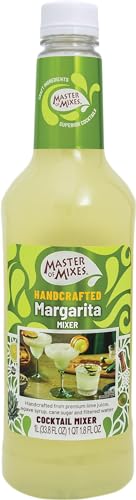
Master of Mixes Margarita Mix (1 Liter Bottle)
Badge: Best Everyday Value Format
Strengths
- Predictable classic profile — tonight’s coconut margarita tastes like last week’s
- Liter format matches a regular rotation
- A fixture brand with steady availability and bar-trade roots
Trade-offs
- Full sweetness stacks on a sweet rum — hold the ratio at two-to-one and serve very cold
- Mainstream profile; the careful drinker will prefer the organic bottle’s clarity
- Plastic liter is practical rather than handsome
At a glance:
- Format: 1 liter bottle
- Style: Classic margarita profile
- Sweetener direction: Full sweetness
- Best format use: Regular home rotation
The workhorse option: a classic margarita mix from one of the category’s fixture brands, in the liter size a standing habit wants. Its coconut margarita is not the most refined drink in this guide, but it is the same drink every time — lime forward, fully sweet, entirely predictable — and for the household where coconut rum is a Friday fixture, predictability is a feature with real value. Hold it to two disciplines and it performs: the ratio stays at two parts rum to one part mix, because the combined sweetness requires the restraint, and the drink is served very cold, because coconut punishes warmth.
It is also the right base for the fresh-lime correction — a quarter of a lime squeezed into the glass lifts this mainstream mix noticeably toward the top pick’s clarity — and for experiments with rims and frozen ratios that you would rather not spend the organic bottle on. Dependability is this bottle’s whole argument, and on a tropical shelf that gets used weekly, it is a strong one.
Best for: the regular coconut margarita rotation / Not suited for: drinkers chasing the cleanest possible profile

Fever-Tree Tonic Water Mixer (24 × 5.1 fl oz Cans)
Badge: Best for Long Drinks
Strengths
- Quinine bitterness is the strongest drying force in this guide — coconut rum finishes clean instead of creamy-sweet
- Single-serve cans guarantee full carbonation in every glass
- Transforms the spirit’s register entirely: the same bottle, a completely different drink
Trade-offs
- Tonic builds only the long drink — no margaritas from this case
- Quinine divides drinkers; bitterness is an acquired taste for some
- A 24-can case is a commitment — buy it once the serve has won you over
At a glance:
- Format: 5.1 fl oz cans, 24-pack
- Headline ingredient: Real quinine
- Flavor direction: Subtle citrus and fruit notes, quinine bitterness (per listing)
- Best format use: Single long drinks
This is the serve that changes minds about coconut rum. Poured long over ice with a real-quinine tonic, the spirit’s coconut arrives as an aroma and a first impression — and then the bitterness and bubbles take over, drying the finish into something that drinks like a highball rather than a holiday. Fever-Tree’s tonic is the benchmark build for the job: real quinine rather than a gesture at it, citrus kept subtle so the coconut stays the flavor, and carbonation engineered to survive a full glass of ice. The 5.1-ounce can is, conveniently, one long drink’s worth over two ounces of rum.
Build it austere: tall glass, ice to the top, rum first, tonic poured slowly down the side, one gentle stir, a lime wedge squeezed and dropped in. Do not sweeten it — the dryness is the entire point, and it is what makes the drink so good beside food, where sweet tropical serves fight the meal. The caveat is quinine itself, which no coconut will convert if you find it medicinal; those drinkers should stay with the lime family. Everyone else gains a second coconut rum — the dry one — from a case of cans, and the same cans cover the dark-rum highballs in Best Mixers With Dark Rum when the shelf rotates.
Best for: long, dry coconut highballs and drinkers who find coconut rum too sweet / Not suited for: margaritas, or anyone who dislikes quinine
Comparison Table
| Pick | Style | Format | Sweetness direction | Link |
|---|---|---|---|---|
| Agalima Organic Margarita Drink Mix (1 Liter Glass Bottle) | Organic classic lime | 1 liter glass bottle | Natural, moderate | Check on Amazon |
| Daily’s Margarita Mix (64 oz Bottle) | Classic, crowd-pleasing | 64 oz bottle | Full, assertive | Check on Amazon |
| Zing Zang Original Margarita Cocktail Mix (32 fl oz) | Tangy real-juice lime | 32 fl oz bottle | Bright, no HFCS | Check on Amazon |
| Zing Zang Strawberry Margarita-Daiquiri Mix (32 fl oz) | Strawberry fruit daiquiri | 32 fl oz bottle | Full, fruit-led | Check on Amazon |
| Master of Mixes Margarita Mix (1 Liter Bottle) | Classic mainstream lime | 1 liter bottle | Full sweetness | Check on Amazon |
| Fever-Tree Tonic Water Mixer (24 × 5.1 fl oz Cans) | Tonic, sparkling | 5.1 fl oz cans × 24 | Dry, bitter-led | Check on Amazon |
How to Choose the Right Mix for Coconut Rum
Buy structure, not more tropical
The instinct when shopping for coconut rum is to buy more tropical — pineapple-adjacent, fruit-forward, sweeter. Resist it. Coconut rum is already the tropical flavor and already sweet; what it lacks is structure, and structure comes from acid, bitterness, and carbonation. Rank every candidate by its structural contribution: lime mixes contribute acid and lead this guide for that reason; tonic contributes bitterness and bubbles; fruit mixes contribute more fruit, which is layering — delicious in the frozen format, where dilution and cold restore the balance, and ranked as the specialist tool it is. A mixer that contributes only sweetness contributes nothing, and the drink will tell you so before the glass is empty.
This is the same framework that governs the whole rum family, in descending order of need: coconut rum needs structure most, spiced rum needs contrast, white rum needs flavor, dark rum needs restraint. A shelf stocked on that logic — lime first, tonic second, fruit third — serves all four without a wasted bottle.
Sweetness accounting for the sweetest rum
Coconut rum sits at the sweet end of the spirit world, closer to a liqueur in sugar terms than to a dry rum. Every ratio must count that. Build sours at two parts rum to one part mix — three-quarters for the full-sweetness bottles — and treat the classic two-to-one-and-a-half as a batch-only ratio where water and dilution do corrective work. Salt deserves special mention with coconut: a pinch in a coconut-lime drink suppresses perceived sweetness and, almost magically, makes the coconut taste more like coconut, the way salt works on caramel. The salted rim on a coconut margarita is not a tequila affectation; it is the drink’s balancing mechanism.
And judge by the last sip. Coconut drinks degrade from the bottom of the glass upward as they warm and dilute, so a build that charms at first taste and cloys at the finish is a failed build even though it photographed well. The fixes, in order, are always the same: colder, shorter mix, more acid, a pinch of salt.
Format math for a tropical shelf
A coconut sour uses about an ounce of mix, so the liters cover twenty-five or more drinks — a full season for a casual household, a month for an enthusiastic one. The half-gallon is a party instrument, bought against a date and finished at the event. The tonic case is twenty-four long drinks that keep indefinitely unopened, making it the lowest-pressure stock on the shelf. Opened lime mixes are the perishable element: refrigerate, date the cap, finish within a few weeks, natural recipes first. The rum itself keeps indefinitely, so as everywhere in this series, the mixes set the buying rhythm.
Sequence the purchases sensibly: the balanced lime liter first, because it builds the signature drinks and teaches the spirit’s habits; the strawberry when summer or a party approaches; the tonic case when the dry idea appeals; the big format only when the guest list is written down. A tropical shelf built in that order never contains a bottle without a job.
How to Build Coconut Rum’s Three Best Drinks
The coconut margarita, step by step
This is the reference drink of the guide — the one that proves coconut rum can be a cocktail spirit and not just a mixer with proof. Everything else here is a variation on its logic.
- Run a lime wedge around half the rim of a rocks glass and dip it in salt — with coconut rum, the salt is structural, not decorative.
- Add two ounces of coconut rum and one ounce of lime mix to a shaker with ice.
- Shake hard for eight seconds and strain over fresh ice.
- Taste for the triangle: coconut up front, lime as the frame, salt tightening the finish. Too sweet: a squeeze of fresh lime. Too tart: a bar spoon of syrup.
- Garnish with a lime wheel; toasted coconut on the rim is the deluxe move for guests.
The frozen and the long builds
Three drinks, three different structural tools — dilution, acid, bitterness — applied to the same sweet base. Learn all three and you own coconut rum’s entire useful range; the tropical tradition beyond them, including the spiced and dark variations in Best Mixers With Captain Morgan Spiced Rum, is elaboration rather than new grammar.
- Frozen coconut-strawberry: blend two ounces of coconut rum, two ounces of strawberry mix, and a cup of ice until smooth; serve immediately.
- Coconut daiquiri: two ounces of rum, one ounce of the organic lime mix, pinch of salt, shaken hard and strained up into a cold coupe.
- Coconut tonic highball: tall glass of ice, two ounces of rum, one full 5.1-ounce tonic can poured slowly, one gentle stir, lime squeezed in.
Troubleshooting common problems
- Problem: the drink tastes like dessert → it is warm, over-mixed, or missing salt. Rebuild colder at two-to-one with the salted rim.
- Problem: the coconut has vanished → the mix was too assertive or poured too long. Move to the balanced organic bottle and shorten the pour.
- Problem: the frozen drink separates or turns watery → the ice was wet or the blend ran long. Dry ice from the freezer, short bursts, serve at once.
Coconut Rum Is a Liqueur in Rum’s Clothing — Mix It That Way
The most useful reframe in this guide is taxonomic. Coconut rum is typically bottled at a modest proof and a generous sweetness, which places it, functionally, beside the liqueurs rather than beside the dry rums it shares a shelf with. Liqueurs are mixed as flavor components — measured in ounces against a base, framed by acid, lengthened with soda or tonic — and coconut rum rewards exactly that treatment. The drinks in this guide that work best are the ones built on liqueur logic: the spirit as the flavor, the mixer as the structure, the ratio favoring the structure more than a dry-rum drinker would expect.
This is not a demotion. Some of the world’s great drinks are built on liqueurs, and the coconut margarita at two-to-one with a salted rim stands comparison with most of them. It is simply a reminder that the bottle’s job in your bar is to be the tropical flavor — and that every other element of the drink, the acid and the salt and the cold, is there to give that flavor a frame worthy of it. Buy and pour on that understanding, and the bottle stops disappointing people who expected a dry rum and starts delighting people who wanted a great tropical drink.
The Dry Coconut: Tonic and the Case for Bitterness
Coconut’s public image is so thoroughly sweet that the dry direction reads as a contradiction — until the first glass. Bitterness is coconut’s missing dimension: quinine strips the creamy sweetness back to an aromatic frame, and what remains is recognizably coconut in the way a good perfume is recognizably its note — present, elegant, and no longer heavy. The coconut tonic highball is also the most food-friendly drink in this article, sitting beside grilled and spiced food the way a dry highball does, where the sweet tropical serves would fight the plate.
Consider it the shelf’s second personality. The same bottle of coconut rum that makes the frozen strawberry for the party makes the dry highball for the quiet evening, and a case of tonic cans is the cheapest range-extension a home bar can buy — it performs the same rescue on spiced rum, on dark rum, and on every sweet flavored spirit that drifts into the cabinet. If this guide leaves you with one experiment, make it this glass.
- Coconut margarita: 2 oz rum, 1 oz lime mix, salted half-rim
- Coconut daiquiri: 2 oz rum, 1 oz organic lime mix, pinch of salt, served up
- Frozen: 2 oz rum, 2 oz strawberry mix, 1 cup ice
- Coconut tonic: 2 oz rum, one 5.1 oz tonic can, lime squeezed in
- Fix order for cloying drinks: colder, shorter mix, more acid, pinch of salt
Coconut Rum Beyond the Mixer Shelf: Kitchen and Coffee Crossovers
One dimension of this spirit deserves a section of its own, because it changes how a household should think about the bottle: coconut rum is the rare spirit that works as hard outside the cocktail glass as inside it. Its flavor — coconut, vanilla-adjacent, sweet — is a baking and coffee flavor as much as a drinking one, and a bottle bought for the drinks in this guide will quietly earn a second living. A splash in coffee, hot or iced, produces the tropical coffee that coffee shops sell at a premium. A tablespoon in a cake batter, a glaze, or a whipped cream carries the coconut note through cooking in a way extracts rarely match for warmth. Even a fruit salad or a grilled-pineapple dessert takes a spoonful gratefully. None of this is a reason to buy the bottle by itself — but it is a reason the bottle, once bought, never lingers the way more single-purpose spirits do.
That versatility feeds back into the mixing advice. Because the bottle turns over steadily through the kitchen, the freshness pressure that haunts other spirits relaxes; because the flavor is a known quantity in the household’s cooking, palates arrive at the cocktails already calibrated to its sweetness, and the ratio discipline in this guide lands faster. It also suggests the gift logic: coconut rum plus the organic lime mix is a present that works for the drinker and the baker alike, which is more than most spirit gifts can claim.
Finally, a note on the shelf’s ecology. Coconut rum is often the first tropical bottle a household buys, and it tends to recruit others — a spiced rum for contrast, a white rum for the classic daiquiri, a dark rum for depth. The mixers in this guide were chosen partly for that future: the lime and tonic bottles that structure coconut rum today are the same bottles the wider rum shelf will need tomorrow, which is why this guide keeps pointing sideways to the neighboring rum articles. Buy the frame once, and let the spirits rotate through it as the shelf grows.
Pairing Coconut Rum Drinks with Food
Coconut rum’s drinks are usually served beside food — the spirit lives at barbecues, beach tables, and summer dinners — so the pairing logic is worth stating plainly. The sweet tropical serves, the frozen strawberry above all, belong with salty and spicy food: grilled meats with a char on them, jerk-style heat, salty snacks, anything whose salt and fire can spend the drink’s sweetness productively. The lime-structured serves — the coconut margarita and daiquiri — are the flexible ones, sitting comfortably beside seafood, ceviche-style dishes, and grilled vegetables, where their acid works the way a squeeze of lime on the plate would. The tonic highball is the table’s workhorse, dry enough to accompany an entire meal without fatiguing the palate, and the right call when the food is rich and the evening is long.
The general principle travels beyond this spirit: match the drink’s sweetness against the food’s salt and heat, and let acid do the refreshing. A table that gets that one relationship right will find its coconut rum working harder and tasting better than a table with twice the bottles and no plan — which is, in miniature, the argument of this entire guide.
Common Buying Mistakes
Coconut rum’s mistakes all rhyme — they are sweetness mistakes. These are the recurring ones.
- Adding sweetness to a sweet spirit. A full-sweetness mix at a full pour makes a dessert, not a drink. Shorten the pour; choose balanced bottles.
- Letting the drink warm. Coconut turns heavy and cloying with temperature faster than any other flavor in this series. Brutal cold is the rule.
- Skipping the salt. In coconut-lime drinks, salt is the balancing mechanism — it suppresses syrup and amplifies coconut. The rim is not optional decoration.
- Treating it like a dry rum. Coconut rum is a liqueur-strength flavor component. Ratios built for dry rum will bury the frame and free the sugar.
- Spending a premium bottle in the frozen fruit serve. The strawberry leads that drink; a standard coconut rum is the correct casting.
- Judging the tonic serve by the first sip. Bitterness builds pleasantly across a glass. Give the highball five sips before ruling on it.
Final Recommendation
Buy the Agalima organic lime mix first. It builds coconut rum’s two defining drinks — the coconut margarita and the coconut daiquiri — with the clean acid and moderate sweetness this sweet spirit needs, and nothing else in the roundup frames the coconut as honestly — Check on Amazon. Two parts rum, one part mix, a salted rim, served very cold: the reference glass.
Make the strawberry bottle the summer purchase — the frozen coconut-strawberry is the season in a blender — Check on Amazon. Around those two: Zing Zang’s original for maximum tartness, the Master of Mixes liter for the rotation, Daily’s for the pitcher, and the tonic case for the dry revelation. Give coconut rum acid, salt, bitterness, and cold — the structure it cannot give itself — and it will give you back the tropics, balanced.
One last encouragement: none of the ratios in this guide are commandments. They are starting frames earned from the structure of the drinks themselves, and your palate — its sweetness tolerance, its appetite for the tropical register, its feelings about bitterness in the highball — is the final authority. Adjust in small steps, change one variable at a time, and judge every experiment by the last sip of the glass rather than the first, because coconut drinks live or die at the finish. That discipline, more than any bottle, is what turns a sweet tropical spirit into a standing, respected part of a home bar — and it is the same discipline that will serve you when the shelf grows to spiced, white, and dark rums in the seasons ahead.
And if you take only one sentence from this entire guide to the shop with you, make it this one: buy the acid first, the bubbles second, and the fruit third, and coconut rum will never taste like a dessert unless you have deliberately decided that dessert is what you want.
Frequently Asked Questions
What is the best mixer for coconut rum?
Lime — it supplies the acid that structures coconut rum’s sweetness, building the coconut margarita and coconut daiquiri, this spirit’s two defining drinks. A natural, moderately sweet lime mix does it best. Strawberry mix builds the classic frozen serve, and tonic water builds the dry highball that surprises everyone. All three directions are ranked in this guide.
Can you make a margarita with coconut rum?
Yes — the coconut margarita is a genuinely popular serve: two parts coconut rum to one part lime mix, with a salted rim that is structural here, not decorative, because salt suppresses the rum’s sweetness while amplifying its coconut. Pour shorter than a tequila margarita, since coconut rum is considerably sweeter than tequila, and serve it very cold.
Why does my coconut rum drink taste too sweet?
Because the sugar rarely has an opponent: coconut rum is sweet, most mixes are sweet, and warmth amplifies both. Serve the drink colder, shorten the mix pour to two-to-one or less, add acid (lime mix or a fresh squeeze), and use salt — a salted rim or a pinch in the glass. If it still cloys, the tonic highball in this guide is the structural answer.
Does coconut rum go with tonic water?
Surprisingly well — it is the dry direction of coconut rum drinking. Quinine bitterness strips the creamy sweetness back, the carbonation lightens the body, and the coconut reads as an elegant aromatic rather than a dessert. Build it tall over ice at two ounces of rum to a 5.1-ounce can of tonic, with a squeezed lime wedge, and give it a few sips before judging.
What ratio should I use for coconut rum drinks?
Shorter than dry-rum ratios, because the spirit is sweet: two parts coconut rum to one part lime mix for sours and margaritas, three-quarters of a part for full-sweetness mixes, and two ounces of rum to a full small tonic can for highballs. Batches can run two-to-one-and-a-half only with the half-part water correction and hard chilling.
How long do these mixes keep once opened?
Refrigerate opened lime mixes and finish them within a few weeks for best flavor; natural recipes fade fastest. Tonic cans keep until the moment they are opened. The rum itself keeps indefinitely for practical purposes — in every drink here, the mix is the perishable half, so buy it in the rhythm you actually drink.


