Where to buy
Check the latest price, availability and delivery on Amazon. Orders are placed on Amazon. We may earn a commission from qualifying purchases.
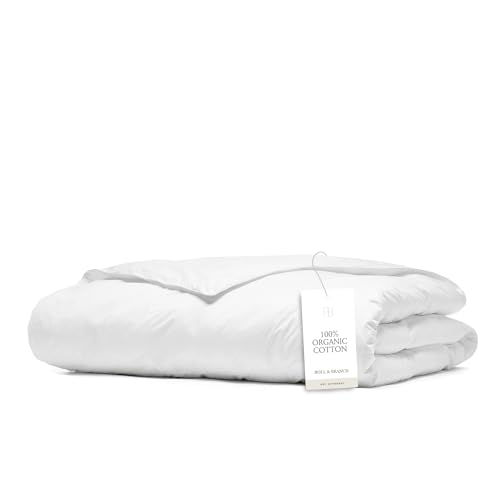
- Best overall: Boll & Branch Down Duvet Insert, Full/Queen, All Season — Check on Amazon
- puredown Goose Down Duvet Insert, Full/Queen Oversized 98×90 — Check on Amazon
- Continental Bedding Siberian Goose Down Duvet Insert, Queen — Check on Amazon
- Globon Winter White Goose Down Duvet Insert, Queen 90×90 — Check on Amazon
See 2 more Amazon options
- CUDDLE DREAMS Classic Wool Duvet Insert, Queen, Midweight — Check on Amazon
- Brooklinen All Season Down Alternative Duvet Insert, Full/Queen 90×90 — Check on Amazon
Read the full guide ↓
Disclosure: As an Amazon Associate, topratedkitchenware.com earns from qualifying purchases. Links to Amazon on this page are affiliate links; they cost you nothing extra. Listing details such as price and availability change often, so check the current Amazon listing before you buy.
Start with the fact this whole guide is built on: no duvet insert on Amazon verifiably costs $2,000, or anywhere near it. The most expensive single queen insert we could verify is the Boll & Branch flagship below — check the current price on Amazon to see where it sits today. Genuine $2,000-class inserts exist — Lincove sells its Batiste queen on its own site, and Sferra, Matouk and the eiderdown houses live higher still — but they are sold direct, not on Amazon, and this guide names them unlinked rather than pretending otherwise. So a $2,000 guest-room budget is not a single purchase, and for a guest room it should not even try to be: a spare bed is slept in a few dozen nights a year at most, sits idle and gathering dust the rest of the time, and has to be reset — washed, aired, remade — between people who do not share your laundry habits or your warmth preferences.
That changes what “best” means here. A guest-room insert is judged on how its cost spreads across guest-nights, not across nights of your own sleep; on whether it suits a sleeper whose preferences you cannot know in advance; on whether it can be washed or properly aired between guests; and on how gracefully it spends the idle months in a closet. This guide therefore does two things. It rounds up the six premium inserts that genuinely sell at or under this budget, judged as inserts — corner loops and ties, baffle-box construction, dimensions that match real covers — and then it does the honest guest-room reasoning: for most guest rooms, the right spend is well under the headline budget, and this guide will tell you plainly when a flagship insert is wasted on a spare bed.
In this guide
Quick Picks
Short on time, or comparing several options at once? Each row below names a hosting situation and the insert that suits it, with a link to the listing — check the current price on Amazon from there.
| Hosting situation | Pick | Why it stands out | Link |
|---|---|---|---|
| The guest room that hosts every week | Boll & Branch Down Duvet Insert, Full/Queen, All Season | The verifiable ceiling of Amazon’s insert market, machine washable per the brand, corner loops | Check on Amazon |
| Winter guests in a cold spare room | puredown Goose Down Duvet Insert, Full/Queen 98×90 | 93% down clusters, maker-rated 800 fill power, corner tabs | Check on Amazon |
| The patient host (buy on a dip) | Continental Bedding Siberian Goose Down Duvet Insert, Queen | Maker-rated 800 fill power; its listing swings widely over time — a guest bed has no deadline, so you can wait | Check on Amazon |
| Real down warmth, honestly priced | Globon Winter White Goose Down Duvet Insert, Queen 90×90 | Cluster down in a baffle box at a value-tier position — the rational guest-room down buy | Check on Amazon |
| Guests who run hot, or avoid down | CUDDLE DREAMS Classic Wool Duvet Insert, Queen, Midweight | Australian wool buffers temperature both ways; eight duvet ties; value-tier positioning | Check on Amazon |
| The wash-after-every-guest insert | Brooklinen All Season Down Alternative Duvet Insert, Full/Queen | No animal fill, machine-wash friendly, corner loops — the between-guests reset pick | Check on Amazon |
How These Picks Were Chosen
The first filter was verifiability, applied to the queen or full/queen size specifically, because insert listings headline whichever size is cheapest. Every product below is a real Amazon listing genuinely sold as a duvet insert in that size. Prices on Amazon change often, so instead of printing a figure that can go stale, this guide describes each pick’s position within its tier and points you to check the current price on Amazon before you buy. Where a listing is known to swing widely over time, we say so plainly, because that volatility — not any single figure — is what should shape how you buy it. Nothing in this guide was invented, and the products that would make a tidier “$2,000 guest room story” — the direct-only luxury houses — are named unlinked in the ceiling section instead.
The second filter was the guest test, and it is stricter than the one we apply to a main bed. Unknown sleeper: your guests include the brother-in-law who sleeps with the window open in January and the aunt who asks for an extra blanket in July, so an insert earns its place by suiting a stranger, not by matching your own thermostat. Between-guests reset: the cover takes the washing after every guest, but the insert itself must at minimum air well and store cleanly, and the picks that can be machine washed get credit for it. Idle months: a guest insert spends most of its life in storage, so fills that compress and recover well — and shells that do not hold odors — matter more than they do on a bed slept in nightly. Cost spread across guest-nights: every pick in this guide is also judged against the nights a guest room realistically hosts, because a flagship-tier insert spread over your own nightly sleep and the same insert spread over a handful of guest-nights a year are two completely different purchases wearing the same tier label.
We did not use these inserts ourselves. We read the maker listings and specification pages and compared the things that decide how an insert behaves inside a cover: what the fill actually is (down clusters, down fiber, feather fiber, wool or synthetic), the maker’s fill-power and fill-weight figures, shell fabric and thread count, baffle-box versus sewn-through construction, the number and placement of corner loops or tabs, and the finished dimensions against standard covers. Fill-power, warmth and loft figures are maker claims throughout; no independent lab verified them in the sources we checked, and we flag them as claims wherever they appear. Where a maker does not publish a figure at all — the flagship’s fill power is the famous case — we say that too, and name the outside source the circulating number comes from.
One overlap deserves stating openly: duvet inserts and comforters are largely the same products under two names on Amazon, and several picks here also appear in our comforter guides. That reuse is deliberate — each product below is genuinely titled or sold as a duvet insert, and this guide re-judges them on insert criteria (attachment hardware, shell behavior inside a cover, sizing against covers) and then on the guest criteria above, rather than repeating the comforter verdicts.
The 6 Best Duvet Inserts for Guest Rooms Under $2000
Boll & Branch Down Duvet Insert, Full/Queen, All Season
Who it suits: The host whose guest room is a second main bedroom — in-laws who stay for weeks, friends every other weekend — and who wants the best verifiable insert Amazon sells, in the one room where its flagship-tier cost can actually be spread across enough use.
This is the most expensive single duvet insert we could verify on Amazon: the full/queen all-season sits at the top of the market, with its position varying by weight (lightweight, midweight — sold as “all season” — and ultraweight), so check the current price on Amazon for the variant you want. The specification is the premium checklist done properly: responsibly sourced, triple-washed white down in true baffle-box chambers; a certified organic long-staple cotton shell; Fair Trade Certification on the finished product, with IDS sourcing certification and OEKO-TEX Standard 100 reported in coverage; and four corner loops, confirmed across independent reviews, for tying into a duvet cover. Two properties matter specifically in a guest room. The brand rates the insert machine washable with a long, careful dry — plan on multiple low-heat cycles — which is the strongest between-guests story any down pick here can tell. And an all-season midweight is the correct single answer to the unknown-sleeper problem: warm enough for most guests, light enough not to cook the rest.
Now the guest-room reasoning, because it decides whether this pick belongs in your spare room at all. Over a ten-year life, a busy guest room hosting 24 nights a year spreads this insert’s flagship-tier cost across enough guest-nights that the purchase stays defensible. A quiet room hosting 6 nights a year spreads the same cost across very few nights, for a bed that spends most of the year impressing nobody. The insert does not change between those two rooms; the purchase does. Buy it for the busy room without a qualm. For the quiet room, the Globon and the wool pick below deliver the same guest experience from a far lower tier.
- The verifiable top of Amazon’s insert market: the flagship tier for the full/queen all-season — check the current price on Amazon.
- Baffle-box construction, four corner loops, organic cotton shell, Fair Trade and OEKO-TEX credentials.
- Machine washable per the brand (with a long dry) — the best between-guests care story in this guide.
Honest limitation: The maker publishes no fill power — the 650 figure in circulation comes from Sleep Foundation’s testing coverage, not from Boll & Branch — and at quiet-room usage rates its cost is spread across so few guest-nights that it is the hardest purchase in this guide to justify.
Choose it if your guest room hosts often enough — think most months, or long family stays — for a flagship-tier cost to be spread thin across real use. Skip it if the room hosts a handful of nights a year; that is what the value picks below are for.
puredown Goose Down Duvet Insert, Full/Queen Oversized 98×90 (800 Fill Power)
Who it suits: Hosts whose guest problem is a cold room — the spare bedroom over the garage, the north-facing room, the house that keeps the thermostat low at night — where the winter-weight insert is the difference between a guest who sleeps and a guest who mentions the cold at breakfast.
Where the Boll & Branch sells provenance, the puredown sells a specification sheet: 93% white goose down — clusters, not fiber — at a maker-rated 800 fill power, 40 oz of fill in the full/queen, inside a 100% cotton shell at a stated 700 thread count, with RDS and OEKO-TEX Standard 100 certifications per the listing. The construction is a 3D baffle box under a pinch-pleat face, and the listing confirms corner tabs for anchoring a duvet cover. It sits in the premium tier below the flagship — check the current price on Amazon before you buy. High-cluster down also stores better than any fill here: it compresses down small for the idle months and lofts back on shaking, which is exactly the duty cycle a guest insert lives.
Two guest-room facts shape who should buy it. The cut is oversized — 98×90 inches against the 90×90 of a standard queen insert — which fills a generously cut cover beautifully and bunches inside a true-to-size one; the linen cover discussed in the allocation section below is 90×90, and this guide prints that mismatch rather than hiding it: pair this insert with an oversized cover, especially in a guest room, where nobody will troubleshoot a lumpy bed at midnight — they will just sleep badly and say nothing. And roundup coverage of this model consistently reports dry clean only. On your own bed that is a routine; in a guest room it means the cover is mandatory equipment and the between-guests reset is airing and shaking, not washing — plan the cover system accordingly.
- 93% goose down clusters — the highest genuine down content in this guide — at a maker-rated 800 fill power.
- Corner tabs, baffle-box construction, RDS and OEKO-TEX certified fill per the listing.
- Premium-tier positioning below the flagship — check the current price on Amazon; compresses small for idle-month storage.
Honest limitation: The oversized 98×90 cut will bunch in a standard 90×90 cover — a real risk in a guest room with whatever cover is already on the bed — and care is dry clean only per roundup coverage.
Choose it if your guest room runs cold and you will pair it with an oversized cover. Skip it if your guest covers are all exactly 90×90, or if you want an insert you can machine wash between guests.
Continental Bedding Siberian Goose Down Duvet Insert, Queen
Who it suits: The patient host — and guest rooms are where patience pays, because a spare bed is the one purchase in the house with no deadline attached.
Continental Bedding’s Siberian queen (model CB-Siberian-800FP-Duvet-Q) is the guide’s alternative flagship, framed that way deliberately: it is not in the allocation plans below, because buying it instead of the Boll & Branch is the play, not buying both. The maker rates it at 800 fill power in Siberian white goose down; the brand builds this line with true baffle-box chambers and corner loops for the cover, per its retail listings. What makes it a discipline test is its pricing behavior: its listing has swung widely over time, trading well below the flagship at its lows and well above its usual premium-tier position at its highs. At a low point, it can undercut the flagship. At a high point, it can cost meaningfully more. On your own bed, that volatility is a reason to walk away. For a guest room — where the bed will be exactly as unmade next month as it is today — it is a reason to set an alert, wait, and check the current price on Amazon on the day you buy: a dip will come, and the room will not care when.
Corroboration for the brand’s pricing tier exists: Continental’s Serenity line (700 fill power Hungarian white goose down, minimum 90% down per the brand’s retail listings, 400 thread count cotton shell, baffle box, corner loops) sits in the same premium tier at other retailers. So the Siberian’s usual position is not an artifact — this is a genuinely premium-priced brand whose Amazon listing swings widely around its real tier. Buy it when its current price dips to or below its usual tier and it is arguably the strongest insert in this guide. Buy it at a peak because guests arrive Friday, and you have paid direct-channel luxury money for an Amazon purchase — the one deadline mistake this guide exists to prevent.
- Maker-rated 800 fill power Siberian goose down; baffle-box construction and corner loops per the brand’s line.
- Its listing is the most volatile in this guide — check the current price on Amazon and buy only on a dip.
- The documented alternative flagship — and a guest room is the one place you can always wait for its dip.
Honest limitation: No other pick demands this much price discipline: the same listing has traded from well below the flagship tier to well above it within a year, so never buy it against a remembered figure or a guest-arrival deadline.
Choose it if you can set an alert, wait for the dip, and verify the live price on the day. Skip it if guests are coming this week — that is the Boll & Branch, the Globon, or the wool.
Globon Winter White Goose Down Duvet Insert, Queen 90×90
Who it suits: The host who has done the guest-night reasoning and wants genuine cluster-down warmth on the spare bed without flagship money sitting idle in a closet eleven months a year.
Globon’s winter queen pairs a maker-claimed 800+ fill power with roughly 37 oz of goose down fill (per detailed comparison coverage of the line) in a 3D baffle-box build, with corner tabs listed for cover attachment — the same construction class as the two flagships above. It sits in a value tier far below them — check the current price on Amazon. Read that again: genuine cluster down, baffle boxes, tabs, at a small fraction of the flagship’s tier. The brand reports RDS and OEKO-TEX certifications and a Texcote-Nano moisture treatment, the last printed here as what it is — a maker claim, not a measured property. Run the guest reasoning: even at a quiet room’s 6 nights a year over ten years, the Globon’s low tier keeps the purchase proportionate — the kind of cost-spreading the flagship only achieves in a busy room, for a bed that hosts a fraction as often. This is where warmth itself tops out, and for most guest rooms it is the rational stopping point for down.
The trade sits in the shell. Where the flagships wrap their down in pure cotton, Globon’s shell is a 68% cotton / 32% polyester blend at a stated 420 thread count. Inside a duvet cover that matters less than it would for a bare comforter — your guest’s skin meets the cover, not the shell — but the blend is less breathable than pure cotton and it is the clearest sign of where the money was saved. The fill-power figure also keeps its flag: 800+ is the maker’s number, not independently lab-verified in the sources we checked, and Globon sells several near-identical variants, so confirm the live listing still resolves to the winter queen 90×90. Care, like the puredown, should be treated as cover-dependent: the cover takes the between-guests washing.
- Genuine goose down clusters with a maker-claimed 800+ fill power and ~37 oz fill weight.
- 3D baffle-box construction and corner tabs for the cover.
- Value-tier positioning — check the current price on Amazon — for flagship-class warmth at a guest-room tier.
Honest limitation: The shell is a cotton-polyester blend rather than pure cotton, and the 800+ fill-power figure is a maker claim no source we checked verified independently.
Choose it if you want real down on the guest bed at a tier that stays proportionate even when the room hosts rarely. Skip it if a pure cotton shell is a hard requirement, or your guest room hosts weekly and can spread the flagship’s cost across enough nights.
CUDDLE DREAMS Classic Wool Duvet Insert, Queen, Midweight
Who it suits: Hosts whose guests run hot, run cold, or run unpredictable — which is to say most guests — and hosts whose spare room swings temperature with the weather because its heating is an afterthought.
Wool is the guest-room fill nobody thinks of first and everybody should think of second: it buffers temperature swings in both directions instead of simply trapping heat, which is precisely the profile of a sleeper you cannot interview. CUDDLE DREAMS’ midweight queen carries 240 GSM of Australian wool (the middle of a three-weight line) in a jacquard cotton shell, OEKO-TEX Standard 100 certified, double-stitched at the edges — and, the insert-specific detail that earns it this slot, eight duvet ties, double the anchor points of the flagship, plus an inspection zipper in the shell so you can see the fill you paid for. Eight anchor points matter in a guest room more than anywhere: guests are restless in unfamiliar beds, and an insert that stays registered to its cover is one less thing to remake from scratch between visits. It sits in a value tier alongside the Globon — check the current price on Amazon — so even a quiet room spreads its cost across its few guest-nights without the purchase feeling oversized for the use it gets.
The honest notes: coverage of the line describes dry-clean-style care, so treat the cover as mandatory here too, and owners report a mild natural wool scent on opening that airs out — normal for the material, but air it before the guests arrive, not after. The 88×88 queen cut runs slightly small against 90×90 covers, which in practice means it sits calmly inside them rather than bunching. Wool stores densely rather than loftily, which for a closet shelf is a feature. And its warmth feels denser and flatter than down’s cloud — a different sensation your guests will mostly register as “slept fine,” which is the entire job.
- 240 GSM Australian wool in a jacquard cotton shell; OEKO-TEX Standard 100.
- Eight duvet ties — the most attachment points in this guide — plus an inspection zipper.
- Value-tier positioning — check the current price on Amazon.
Honest limitation: Care is dry-clean-style per coverage of the line, a mild wool scent on opening is reported by owners, and the 88×88 cut runs slightly small in a 90×90 cover.
Choose it if your guests’ temperature preferences are a lottery, or the spare room’s heating is unreliable. Skip it if high, cloud-like loft is what your guests expect from the bed.
Brooklinen All Season Down Alternative Duvet Insert, Full/Queen 90×90
Who it suits: The host who actually washes the insert between guests — the Airbnb-adjacent spare room, the grandkids’ bed, the guest room that doubles as a sick room — and any household that keeps animal fill out on principle.
Brooklinen’s down alternative is the synthetic pick that earns its place on construction rather than apology. The fill is recycled polyester formed to mimic down clusters, the shell is 100% cotton sateen, the construction is baffle box, and — the insert-specific detail — it carries corner loops for tying into a duvet cover, confirmed in independent review coverage of the model. It sits in a mid-to-premium tier — above the wool and the Globon, below the flagships — so check the current price on Amazon rather than relying on any figure quoted elsewhere. Its guest-room virtue is care: synthetic fill tolerates machine washing in a way the cluster-down picks do not, so this is the one insert in the guide that can go through a full wash-and-dry reset between guests rather than an airing — follow the listing’s care label, and allow real drying time, because a thick insert put away damp is worse than one never washed.
Two record-keeping notes, both printed in our sibling guides and unchanged here: the Amazon review record for this listing is thin, because most of this model’s sales and reviews live on the brand’s own site; and Brooklinen’s generous brand-store trial and warranty apply to brand-store purchases, while an Amazon purchase follows Amazon’s return policies. We recommend it on the product, not the perks. It is not the lowest-tier guest option here — the wool and the Globon both sit below it — but it is the only one whose between-guests story is a washing machine rather than a care label, and for high-turnover rooms that is worth the difference.
- No animal fill: recycled polyester fill in a 100% cotton sateen shell.
- Baffle-box construction with corner loops for the duvet cover.
- The most wash-friendly pick in this guide; mid-to-premium tier — check the current price on Amazon.
Honest limitation: Its tier sits above the value picks even though its fill is synthetic, and the Amazon review record is thin because most sales happen direct.
Choose it if washing the insert itself between guests is non-negotiable. Skip it if your turnover is low and a washable cover over down or wool does the same job from a lower tier.
Comparison Table
| Product | Fill (queen) | Construction & attachment | Guest-room note | Link |
|---|---|---|---|---|
| Boll & Branch Down Duvet Insert, Full/Queen | Triple-washed white down; maker publishes no fill power | Baffle box, 4 corner loops, organic cotton shell | Machine washable per brand; earns its flagship tier only in a busy room | Check on Amazon |
| puredown Goose Down Duvet Insert, 98×90 | 93% down clusters, 40 oz, maker-rated 800 FP | 3D baffle box, pinch pleat, corner tabs | The cold-room pick; needs an oversized cover; dry clean only | Check on Amazon |
| Continental Bedding Siberian Duvet Insert, Queen | Siberian goose down, maker-rated 800 FP | Baffle box, corner loops (brand line) | Buy only on a dip — a spare bed can always wait | Check on Amazon |
| Globon Winter Duvet Insert, 90×90 | Goose down clusters, ~37 oz, maker-claimed 800+ FP | 3D baffle box, corner tabs | Flagship-class warmth at a quiet-room tier | Check on Amazon |
| CUDDLE DREAMS Wool Duvet Insert, 88×88 | Australian wool, 240 GSM | Jacquard cotton shell, 8 duvet ties, inspection zipper | Buffers temperature both ways for unknown sleepers | Check on Amazon |
| Brooklinen Down Alternative Duvet Insert, 90×90 | Recycled polyester, no animal fill | Baffle box, corner loops, cotton sateen shell | The wash-the-insert-itself pick for high turnover | Check on Amazon |
How to Choose a Duvet Insert for a Guest Room
- Count your guest-nights before you count your dollars. A room hosting 24 nights a year and a room hosting 6 are different purchases at the same tier. Judge any candidate by how its tier spreads across the nights your room actually hosts, not by the tier label alone.
- Buy for the sleeper you cannot interview. Midweight and all-season beats winter-weight for a mixed guest list; the one guest who runs cold can be handed a throw, while the guest who runs hot cannot remove fill from an insert that is too warm.
- Decide the between-guests reset first. If the insert itself must be washed after guests, only the synthetic pick here is built for it. If a washable cover over down or wool is enough — for most households it is — the cover becomes mandatory equipment, not an accessory.
- Match dimensions to the cover that is actually on the guest bed. The puredown’s 98×90 oversized cut bunches in a standard 90×90 cover, and a guest will not fix it at midnight. Measure the cover’s inside dimensions before pairing.
- Count the anchor points. Guests toss more in strange beds. Four corner loops or tabs are the minimum; eight ties, as on the wool pick, hold the side edges too — and hardware only works when the cover’s ties match the insert’s anchors.
- Prefer baffle box at any point in this budget. Sewn-through stitching pinches fill at every seam and caps loft; baffle walls let clusters expand fully and stop migration. Every pick here is baffle box.
- Read the fill line before the headline. “Down” in a title can mean clusters, down fiber or a blend. Clusters loft most per ounce and last longest; anything labeled “down fiber” is a different, cheaper material by definition.
- Treat fill power as a maker claim — and notice when it’s missing. No figure here was independently lab-verified, and the flagship’s maker doesn’t publish one at all; the circulating 650 is a reviewer’s figure. Decide whether provenance or printed numbers matter more.
- Use the room’s lack of deadline. A guest bed is the one purchase that can wait for a dip. The Continental’s listing has swung widely within a year; the correct guest-room move is an alert, not an order.
- Plan the idle months. The insert will live in storage most of its life: down compresses smallest and lofts back, wool stores dense, synthetics store bulky. Buy the fill your closet can hold.
The Guest-Room Equation: Cost Per Guest-Night, and the Allocation That Survives It
Our sibling $2,000 guide spends this budget as a whole-bed wardrobe for a main bedroom — flagship insert, winter insert, wool rotation, guest-bed line, two linen cover sets and pillows — with part of the budget deliberately left unspent. Re-run that thinking for a room that hosts guests and it collapses, because every line in it was scaled for a bed slept in nightly. A guest room needs the same system — an insert, a cover that takes the washing, pillows — at a completely different scale. Here is the re-scoped version, built only from products verified in this guide’s research trail, with the usage assumptions stated where you can argue with them: a ten-year insert life, a busy guest room at 24 nights a year, a quiet one at 6.
| Plan | What it buys | Position within the budget | Guest-room fit |
|---|---|---|---|
| Plan 1 — most guest rooms | APSMILE All Season queen (allocation line, mid-tier) + one DAPU 100% Linen Cover Set, Queen + one puredown pillow queen 2-pack (value-tier) | Well within budget, with most of it left unspent | The proportionate choice for a room hosting a handful of nights a year |
| Plan 2 — the busy guest room | Boll & Branch flagship + one DAPU linen set + one puredown pillow 2-pack | Still well within budget, driven by the flagship tier | For rooms hosting most months, where the flagship’s cost spreads across real use |
| Plan 3 — two guest beds | 2 × APSMILE queen + 2 × DAPU linen sets + 2 × puredown pillow 2-packs | Two complete beds while staying within a single budget | Each bed’s cost spreads across its own guest-nights at equal use |
Three notes the table cannot hold. First, the APSMILE line: it is an allocation line, not a seventh pick — its fill is down and feather fiber per its listing’s own materials line, it sits in the mid tier, and it earns the guest-bed slot precisely because a fiber insert at that tier is the honest center of a spare-room system; swap in the Globon if you want clusters instead, from a similar tier. Second, the pillows: the puredown pillow listing’s own text gives no percentage split, and roundup checks of the line put it at roughly 90% goose feathers to 10% goose down — feather-rich pillows in a value tier; confirm the exact current details on the listing before you buy. Third, the cover caution, printed in our base guide and repeated here unsoftened: the DAPU linen set’s queen cover measures 90×90, and the oversized puredown insert (98×90) will bunch in it — if your guest plan uses the puredown, pair it with an oversized cover and give the linen set to another insert.
The conclusion the reasoning forces: even the generous Plan 2 sits well inside this keyword’s budget, and Plan 1 — the right answer for most spare rooms — sits far below it. The remaining money is not a problem to solve. It is the honest distance between a $2,000 keyword and a bed your guests sleep in twenty nights a year.
Between Guests: Washing, Airing and the Idle Months
A guest insert lives two lives: a few nights of use, then long storage. Both halves have rules. After guests leave, the cover comes off and gets washed — that part is easy, and it is why the cover is the working hygiene layer of the whole system. The insert itself gets aired: hung or draped somewhere with moving air for a day, shaken out, and checked. Down inserts (the flagship excepted, which the brand rates machine washable with a long dry) should be treated as air-and-spot-clean in this duty cycle; dry-cleaning after every guest is a cost spiral nobody sustains, and an insert that needs it is the wrong insert for a high-turnover room — that is the Brooklinen’s whole case. The wool insert airs particularly well and stores without holding odors the way synthetics can; the synthetic stores bulkiest, which matters when the “linen closet” is a shelf.
Storage discipline is where guest inserts quietly die. Down must be stored loose or in a large breathable bag — compressed small for travel is fine for a weekend, but months crushed in a vacuum bag breaks clusters and the loft you paid for never fully returns. Keep the insert dry before it goes away: an hour of airing after the last guest is worth more than any storage product. And rotate the job: if the guest room hosts in bursts — holidays, summer — a midweight insert plus a washable throw covers more of the year than a winter-weight insert that spends August in a bag and December being too much for the in-laws who keep their own house at 22 degrees. The idle months are most of this product’s life; buy for them, not just for the nights.
When a Flagship Is Wasted on a Spare Bed: Amazon’s Real Ceiling
It is worth being precise about the shape of this market, because the keyword that brought you here implies a product that does not exist. Warmth itself tops out in the value tier on Amazon: the Globon’s maker-claimed 800+ fill power cluster down, in a baffle box, sits well below the flagships, and nothing above that tier insulates in a categorically different way. Money above the value tier buys printed down percentages, certified and traceable sourcing, organic and high-thread-count shells and named-origin fills — provenance and polish, not a different category of warmth. On your own bed, provenance and polish are slept against every night. On a guest bed, they are slept against by someone else, a few nights a year, under a cover, in the dark. That is the whole case for restraint at this budget, and it is a strong one.
Above Amazon entirely sits the genuine $2,000 class, named here unlinked because none of it could be verified as an Amazon purchase: Lincove’s Batiste European goose down comforter sells its queen on the maker’s own site, with published fill weights by size — Lincove sells pillows on Amazon, but its comforters are a direct channel as far as this session could verify. Beyond it, 900 fill power Hungarian and Hutterite fills, made-to-order European duvets, Sferra and Matouk at boutique prices, and eiderdown at prices that make a $2,000 budget look like a deposit, all live in the down houses’ own stores. Putting one of those in a spare room is not this guide’s idea of a good decision at any budget — but if a flagship-class insert is what your guest room genuinely needs, the Boll & Branch is the verifiable Amazon ceiling — check the current price on Amazon — and the Continental on a dip is its only rival.
One nearer category deserves the same honesty: silk-filled inserts are the one premium fill family our research could not tie to a verifiable Amazon listing, so no silk pick appears in this guide. A category missing for lack of verification is a better guide than a category filled by guessing — the same reason the direct-only houses above are named in prose rather than linked in the picks.
Common Buying Mistakes
- Spending main-bedroom money on a spare bed: judging an insert by its tier instead of by how its cost spreads across guest-nights, and putting a flagship-tier insert in a room that hosts six nights a year.
- Searching for a single “$2,000 insert” on Amazon and concluding the market failed, when the honest guest-room answer is a system well under budget with the rest unspent.
- Buying winter-weight for unknown sleepers. The guest who runs cold can add a throw; the guest who runs hot cannot subtract fill.
- Pairing an oversized 98×90 insert with the standard 90×90 cover already on the guest bed, and never hearing about the bunching — guests rarely report a bad bed.
- Skipping the washable cover on a dry-clean-only down insert, then facing a cleaning bill or a stained shell after the first spill.
- Storing down crushed in a vacuum bag for the idle months and wondering why the loft never came back.
- Buying the Continental Siberian against a remembered price or a Friday deadline; its listing has swung widely, and a guest room is the one place you never have to buy today.
- Attributing a reviewer’s fill-power figure to the maker — the flagship’s circulating 650 comes from Sleep Foundation’s coverage, and Boll & Branch itself publishes none.
- Reading “down” in a title and never checking the materials line — then paying cluster expectations for down fiber.
- Judging loft in the first hour. Vacuum-packed down needs a day of airing and fluffing before it reaches its real height — do that before the guests arrive, not after.
Final Recommendation
- Most guest rooms: the Plan 1 system — a mid-tier insert, a washable linen cover set, real pillows — well under budget all-in.
- Busy guest rooms: Boll & Branch Down Duvet Insert, Full/Queen, All Season.
- Cold spare rooms: puredown Goose Down Duvet Insert, Full/Queen 98×90 (with an oversized cover).
- Patient hosts: Continental Bedding Siberian Duvet Insert — only on a verified dip.
- Honest down value: Globon Winter White Goose Down Duvet Insert.
- Unpredictable sleepers: CUDDLE DREAMS Classic Wool Duvet Insert, Queen Midweight.
- Wash-between-guests turnover: Brooklinen All Season Down Alternative Duvet Insert.
Our top two are the Boll & Branch for the guest room that genuinely works for its living — hosted monthly or better, it is the best verifiable insert on Amazon, machine washable, properly looped, and its flagship-tier cost spreads across enough guest-nights to stay proportionate — and the Globon for every other spare room, because genuine cluster down in a baffle box at its value tier is the point where warmth stops getting better and only provenance gets pricier. Between them they frame this guide’s whole argument: a guest room rewards arithmetic, not expenditure. Cost the bed by guest-night, cover it so the cover takes the washing, store the insert like the long-lived thing it is, and let the rest of the $2,000 stay unspent — Amazon’s insert market ends at the flagship tier whether the keyword admits it or not.
Frequently Asked Questions
Can you actually buy a $2,000 duvet insert on Amazon?
No — not a single one, at any rate. The most expensive verifiable single queen insert on Amazon is the Boll & Branch flagship — check the current price on Amazon — and the Continental Siberian is its alternative flagship, on a listing that swings widely over time. Genuine $2,000-class inserts exist — Lincove’s Batiste queen is the named example — but they are sold on makers’ own sites, not Amazon. For a guest room the point is doubly moot: even the fullest sensible guest-room system in this guide sits well within the budget, and most rooms need the far simpler Plan 1.
How much should I actually spend on a guest room insert?
Work backwards from your guest-nights. A room hosting 24 nights a year over a ten-year life spreads even a flagship-tier cost across enough use to make it a fair buy. A room hosting 6 nights a year spreads that same cost across very few nights, while a value-tier Globon delivers the same category of warmth in a way that stays proportionate. Most spare rooms land in the second world: choose a value-to-mid-tier insert, put real effort into the washable cover guests actually touch, and stop.
What warmth should a guest room insert be?
Midweight or all-season, almost always. Your guest list spans people who sleep hot and people who sleep cold, and only one of those problems can be fixed at midnight — the cold sleeper can be handed a throw from the closet, while the hot sleeper under a winter-weight insert has no move at all. Save winter-weight down for rooms that are genuinely cold, like a spare room over an unheated garage.
Do I need to wash the insert between guests?
The cover, yes, every time — it is the working hygiene layer. The insert itself needs airing and shaking between guests, and washing on a slower cycle: the flagship is brand-rated machine washable with a long dry, the Brooklinen synthetic is built for regular washing, and the dry-clean-only down picks should be aired and spot-cleaned, with the cover doing the real work. Never store an insert that has not fully dried and aired after its last guest.
Will these inserts fit my guest room’s queen cover?
Check the cover’s inside dimensions against the insert, not the bed size. A standard queen cover is usually cut near 90×90 inches, which matches the Globon and Brooklinen. The puredown is oversized at 98×90 and will bunch in a standard cover — in a guest room nobody will fix that at midnight, so pair it with an oversized cover from the start. The wool insert runs 88×88 and sits calmly in a standard cover.
How should I store a guest room insert between visits?
Loose, dry and breathable. Down compresses beautifully for a weekend but breaks down if it spends months crushed in a vacuum bag; store it in a large cotton bag or loosely on a shelf. Air it for a day before guests arrive and give it a shake to restore loft. Wool stores densely and resists odors; synthetics store bulkiest but tolerate the most handling.
Does a premium insert help with allergies?
An insert is a comfort product, not a medical one, and this guide makes no health claims for any pick. Where a maker labels a product “hypoallergenic,” we report it only as the maker’s label. The practical hygiene layer for guests is a freshly washed duvet cover; the wool and synthetic picks remove down from the equation entirely for households that prefer that; and if allergies are a medical concern for a guest, a clinician’s advice comes before any bedding purchase.
Why does this guide leave so much money unspent?
Because both ceilings say so. Amazon’s verifiable insert market ends at the flagship tier for a single queen, and a guest room’s realistic need ends lower still — the busiest sensible guest system here still sits well within the budget. Inventing a more expensive purchase to absorb the rest would require pointing you at a product we could not verify, which this guide does not do. The remainder is the honest distance between the keyword’s budget and a spare bed’s actual life.
