Disclosure: As an Amazon Associate, topratedkitchenware.com earns from qualifying purchases. Links on this page are affiliate links; they cost you nothing extra. Prices and availability change often, so check the current Amazon listing before you buy.
Knowing how to use multicooker equipment confidently is mostly a matter of sequence: prepare, seal, pressurise, release, and finish, in that order, every time. This guide explains how to use a multicooker from the first water test through everyday dishes, with the safety routine woven into each step rather than bolted on, so the habits you build on day one are the habits that keep every later cook calm and reliable.
Key Takeaways
Master the water test first, respect the maximum fill line, check the gasket and valve before every pressure cook, choose the release method to suit the food, and clean the sealing parts promptly. Those five habits cover the overwhelming majority of successful multicooker cooking.
In this guide
What You Need Before Your First Cook
Soup is the format’s home ground. Pressure extracts flavour from bones, vegetables, and aromatics quickly, and the sealed pot keeps the kitchen from steaming up for hours. The discipline is fill level: soups expand and foam, so respect the maximum line, choose natural release for frothy mixtures, and let the pot settle before opening.
Desserts and cheesecakes cooked in a pot-in-pot setup surprise many sceptics. The gentle, moist environment suits custards and dense cakes, provided you use a suitable container and protect the top from condensation. It is not the reason most people buy a multicooker, but it widens the appliance’s repertoire in a way that keeps it interesting.
A second inner pot changes the rhythm for keen batch cooks, letting one batch rest or cool while the next begins. For most households it is unnecessary. The honest pattern with this category is that the core machine matters enormously and the extras matter only after your habits are proven. Spend attention first; spend on accessories later, if ever.
Altitude, ingredient temperature, and fill level all nudge cooking times, which is why experienced owners treat printed times as starting points. Your kitchen becomes the reference: once you know how your cooker handles your beans, your rice, and your favourite stew, those personal benchmarks are worth more than any generic chart.
The social side of these appliances is real. Owners trade adaptations, troubleshoot each other’s gasket mysteries, and publish recipe conversions for almost any dish you can name. That shared knowledge base shortens the learning curve considerably, and it is one reason the category matured from novelty to kitchen infrastructure so quickly.
A multicooker earns its place when it replaces several single-purpose appliances without becoming harder to live with than the tools it replaces. The real test is not the length of the programme list on the box; it is whether weeknight cooking becomes calmer, whether the pot is easy to clean, and whether you reach for it again next week without hesitation.
Capacity is a household question before it is a product question. A pot that feels generous for soups can feel crowded for a whole chicken, while a very large pot can be awkward to store and slower to come to pressure for a small portion. Think about the largest meal you cook regularly, then choose the size that serves that meal comfortably.
Pressure cooking changes texture as much as it changes timing. Tough cuts become tender because the sealed, high-heat environment breaks down connective tissue efficiently, while delicate vegetables can overcook in the same environment if they are added too early. Good multicooker cooking is mostly sequencing: hard ingredients first, fragile ingredients later, and liquids managed with intention.
Safety and Before-You-Start Checks
Pressure safety is not a footnote with any multicooker; it is the operating system for the whole appliance. Always direct the steam release away from your face and hands, and keep children well away from the venting area while pressure is released. Never open the lid while the cooker is still pressurised, and never force a lid lock that resists you, because resistance is the machine telling you pressure remains inside. Before every pressure session, check the sealing gasket and the steam valve, confirm both are clean and correctly seated, and never fill the pot past the maximum line marked for pressure cooking. Follow the food safety guidance in official manufacturer and public health instructions for cooking temperatures, cooling, and storage, described qualitatively here rather than as a substitute for those instructions.
How to Use a Multicooker: The Core Process Step by Step
Step 1: Run the Water Test
Before food ever enters the pot, run a short pressure cycle with plain water, exactly as the manufacturer directs. The water test teaches you the sounds, the steam behaviour, and the release process with nothing at stake. It also confirms the seal works. Skipping it is the most common beginner mistake, and the confidence it builds is worth the few minutes it takes.
Step 2: Prepare Ingredients With Pressure in Mind
Cut ingredients to even sizes so they finish together, and think in layers: liquids and hard ingredients first, delicate items later or after pressure. Have everything ready before you seal the lid, because pressure cooking does not welcome mid-cook peeking. That preparation discipline, borrowed from stir-fry cooking, makes the whole process feel controlled.
Step 3: Saute and Deglaze Properly
Use the saute stage to build flavour and, just as importantly, to release anything stuck to the base with liquid before sealing. Stuck residue is the leading cause of scorch warnings. Scrape the base clean with a flat utensil while the liquid simmers; the pot should look clean before the lid goes on.
Step 4: Seal, Set, and Confirm the Valve
Close the lid, confirm it locks, and check the steam valve is in the sealing position. This ten-second check prevents the classic failure where the cooker steams away happily without ever pressurising. Glance at the gasket seating as you close; a twisted gasket announces itself later as a rim leak.
Step 5: Let Pressure Build Without Hovering
Once set, the cooker needs time to build pressure, and that time varies with fill and temperature. Resist adjusting anything. The float indicator and display will tell you when pressure is reached and the timed phase begins. Use the waiting minutes to tidy, because a calm cooktop makes the release stage calmer too.
Step 6: Release Pressure the Right Way for the Food
Choose natural release for meats, beans, and foamy dishes, and quick release for vegetables and delicate items that would overcook while waiting. Whichever you choose, direct steam away from your face and hands, keep children away from the venting zone, and never attempt to open the lid until pressure has fully fallen and the lock moves freely.
Step 7: Finish, Season, and Thicken After Pressure
Open the lid away from you so residual steam escapes past, not toward you. Now is the moment for fresh herbs, citrus, dairy, and thickening. Taste and adjust seasoning at this stage, because flavours read differently after pressure. This finishing step is where pressure-cooked food becomes genuinely delicious rather than merely done.
Step 8: Clean the Sealing Parts Promptly
Wash the inner pot, rinse the gasket, and check the valve area for residue while the meal is served. Prompt cleaning prevents odour transfer and keeps the next seal reliable. Let everything dry fully before reassembly, and store the lid so air can circulate. Future you, opening a neutral-smelling cooker, will be grateful.
Troubleshooting and Common Mistakes
The saute function matters more than many buyers expect. Browning meat and softening onions in the same pot builds the flavour base that makes pressure-cooked food taste cooked rather than merely heated. If you skip browning every time, results are still convenient, but the depth that makes a stew memorable usually starts before the lid ever closes.
Liquid discipline separates reliable results from frustrating ones. Pressure cooking needs enough liquid to build steam, yet too much liquid dilutes sauces and delays pressure. Recipes written for stovetop pots often need adjustment, and thick sauces are usually better thickened after pressure cooking, when you can see the final consistency and reduce or bind it deliberately.
Natural release and quick release are flavour and texture tools, not just timing choices. A period of natural release suits meats and foaming foods, letting pressure fall gradually and keeping liquids calmer inside the pot. Quick release suits vegetables and seafood that would overcook while waiting. Learning which release a dish wants is one of the core skills of this appliance.
The sealing gasket quietly decides whether a cook succeeds. A gasket that is stretched, cracked, or carrying yesterday’s curry aroma will leak steam, delay pressure, and perfume tonight’s rice. Rinsing it after each use, letting it dry fully, and replacing it when it no longer seals cleanly are small habits that protect every future meal.
Counter space is a real cost, and a multicooker should be judged against it honestly. Measure the footprint, the height with the lid open, and the clearance under your cabinets before you buy. A machine that must be dragged from a deep cupboard for every use will be used less, no matter how capable its programme list looks on paper.
Cleaning shapes long-term satisfaction more than any single feature. A removable inner pot that washes easily, a lid whose parts come apart for rinsing, and a rim that does not trap food will decide whether the cooker feels like help or homework. When you compare models, picture the washing-up after a bean chilli, not the unboxing on day one.
Yoghurt, rice, grains, beans, soups, and braised meats are the everyday backbone of multicooker cooking. The glamorous dishes matter less than these repeats, because an appliance that handles your weekly staples reliably will save more effort across a year than one that performs a party trick twice. Judge the programme list against your actual rotation.
Batch cooking is where the format quietly shines. A large pot of beans, a double batch of soup, or shredded meat for several meals can be cooked once and portioned for the week. That rhythm suits households that cook in waves, and it turns the multicooker from a gadget into a planning tool that supports lunches, freezer meals, and low-effort reheats.
Beginners often do best by cooking a short list of forgiving dishes first: a simple soup, a batch of rice, dried beans, and one braise they already know from the stovetop. Familiar food makes the learning visible, because you can taste what pressure changed. Once those anchors feel routine, the wider programme list becomes exploration rather than guesswork.
The Machines This Guide Was Written Around

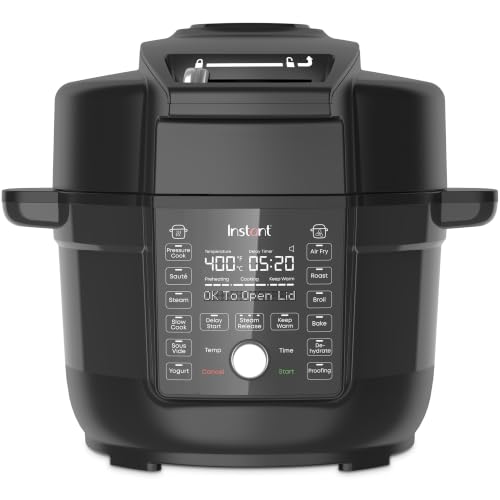
Instant Pot Duo — Profile
The Instant Pot Duo is the familiar all-rounder that introduced many households to electric pressure cooking, with a straightforward control panel and a wide library of community recipes written around it. Treat this as a prose profile rather than a specification sheet: what matters is how its control style, lid handling, and programme mix fit the way you already cook. Check the current listing for the present configuration before you buy, and match the version to your household size and habits.
Best for: cooks whose routines match the strengths described above. Not suited for: anyone who would be fighting those same traits every week. The honest way to judge the Instant Pot Duo is against your three most-cooked dishes; if it handles those gracefully, the rest of the programme list is a bonus rather than the point.

Instant Pot Pro — Profile
The Instant Pot Pro is a step-up design in the same family, aimed at cooks who want a more refined inner pot, gentler handling, and controls that feel closer to a stovetop workflow. Treat this as a prose profile rather than a specification sheet: what matters is how its control style, lid handling, and programme mix fit the way you already cook. Check the current listing for the present configuration before you buy, and match the version to your household size and habits.
Best for: cooks whose routines match the strengths described above. Not suited for: anyone who would be fighting those same traits every week. The honest way to judge the Instant Pot Pro is against your three most-cooked dishes; if it handles those gracefully, the rest of the programme list is a bonus rather than the point.

Crock-Pot Express — Profile
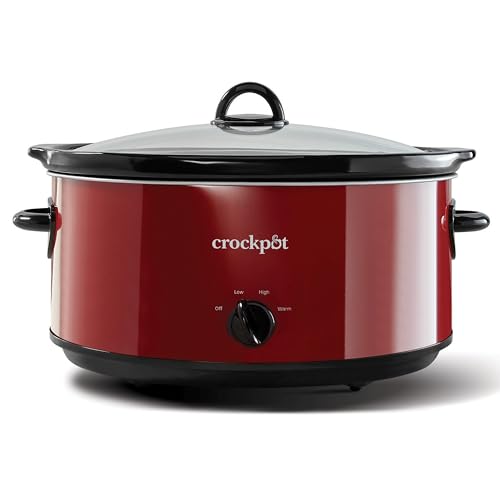
The Crock-Pot Express is an approachable option from a brand long associated with slow cooking, shaped for households that want familiar naming and simple programme selection. Treat this as a prose profile rather than a specification sheet: what matters is how its control style, lid handling, and programme mix fit the way you already cook. Check the current listing for the present configuration before you buy, and match the version to your household size and habits.
Best for: cooks whose routines match the strengths described above. Not suited for: anyone who would be fighting those same traits every week. The honest way to judge the Crock-Pot Express is against your three most-cooked dishes; if it handles those gracefully, the rest of the programme list is a bonus rather than the point.

CHEF iQ — Profile
The CHEF iQ is a connected, guidance-led cooker that leans on built-in weighing and app-style step guidance for cooks who like instructions inside the process itself. Treat this as a prose profile rather than a specification sheet: what matters is how its control style, lid handling, and programme mix fit the way you already cook. Check the current listing for the present configuration before you buy, and match the version to your household size and habits.
Best for: cooks whose routines match the strengths described above. Not suited for: anyone who would be fighting those same traits every week. The honest way to judge the CHEF iQ is against your three most-cooked dishes; if it handles those gracefully, the rest of the programme list is a bonus rather than the point.
Maintenance: Keeping It Working Well
Noise and steam are part of the ownership picture. A pressure cooker vents steam, clicks, and hums in ways a slow cooker never does, and in a small open-plan kitchen that presence matters. None of it is a flaw, but it is worth expecting: this is an active appliance with a personality, not a silent crock in the corner.
Recipe translation is a skill worth building deliberately. Most stovetop braises adapt well if you reduce added liquid, protect thickeners until after pressure, and shorten the active cooking phase while allowing time for pressure to build and release. Write your adjustments on the recipe the first two times; by the third cook, the conversion becomes instinct.
Accessories should follow habits, not precede them. A steamer basket, a spare gasket, or an extra inner pot can be genuinely useful once you know which dishes you cook weekly. Buying a tower of accessories on day one usually produces cupboard clutter. Let a month of real cooking tell you which single accessory would remove a repeated annoyance.
The keep-warm function is convenient but should be used with judgement. Holding food warm for a short, sensible period while the rest of dinner comes together is exactly its purpose. Leaving food sitting warm for very long stretches is not a storage strategy, so follow official food safety guidance on cooling and refrigeration rather than treating the pot as a holding cabinet.
Frozen ingredients are one of the format’s genuine advantages, within reason. Pressure cooking can take certain frozen items from the freezer to the table without a separate thawing step, which rescues many disorganised evenings. Even so, food safety guidance about even cooking and safe internal doneness still applies, and very thick frozen items deserve extra care and checking.
A multicooker rewards cooks who season in layers. Salt and aromatics before pressure build the base, but fresh herbs, citrus, and dairy usually belong after the lid opens, where their brightness survives. That two-stage seasoning habit is the difference between food that tastes flat and food that tastes finished, and it costs nothing but attention.
Storage of the cooker itself deserves a thought. The cord, the lid position, and a gasket left sealed inside a closed pot can all hold odours. Many owners store the lid upside down or ajar so air circulates. Small habits like these keep the appliance neutral and ready, instead of greeting you with last week’s stew when you open it.
Energy use is rarely the deciding factor, but the pattern is favourable: a sealed, insulated pot cooking for a shorter active period generally asks less of your kitchen than heating a large oven for a small meal. The bigger saving, for most households, is behavioural: food cooked at home more often because the effort barrier fell.
Treat every pressure cycle with the same calm routine. Check the sealing gasket for cracks or trapped food, check that the steam valve moves freely and sits in the correct position, and look inside the lid before you close it. Keep the fill level below the maximum mark whenever you cook under pressure, because liquids and foaming foods need headroom. When the cycle ends, vent steam away from your face, hands, and anyone nearby, and keep children out of the venting zone entirely. Do not try to open the lid while pressure remains, and never force the lock; if the lid will not turn easily, the safe answer is to wait. For food safety, follow official guidance on thorough cooking, prompt cooling, and refrigerated storage instead of improvising your own rules.
Related reading: how to choose a multicooker, step by step
Related reading: is a multicooker worth it for your kitchen
Related reading: the complete multicooker buying guide
Related reading: multicooker pros and cons in full
Related reading: best multicookers tested at home
Related reading: best multi-use electric pressure cookers
Related reading: best pressure cookers and multi cookers
Related reading: best pressure and slow cookers compared
Going Deeper: Building Real Confidence With the Appliance
Grains deserve special mention because they expose consistency. Rice, oats, quinoa, and farro each want slightly different liquid ratios and release styles, and a cooker that handles your household’s favourite grain well will be used constantly. Keep a small chart of your proven ratios on the inside of a cupboard door; it is the cheapest upgrade available.
Beans from dried are a quiet economic and culinary win. No overnight soak is strictly required for many pressure methods, the texture beats tinned when you season the cooking liquid well, and you control the salt. For households that eat beans weekly, this single capability can justify the appliance on its own.
Soup is the format’s home ground. Pressure extracts flavour from bones, vegetables, and aromatics quickly, and the sealed pot keeps the kitchen from steaming up for hours. The discipline is fill level: soups expand and foam, so respect the maximum line, choose natural release for frothy mixtures, and let the pot settle before opening.
Desserts and cheesecakes cooked in a pot-in-pot setup surprise many sceptics. The gentle, moist environment suits custards and dense cakes, provided you use a suitable container and protect the top from condensation. It is not the reason most people buy a multicooker, but it widens the appliance’s repertoire in a way that keeps it interesting.
A second inner pot changes the rhythm for keen batch cooks, letting one batch rest or cool while the next begins. For most households it is unnecessary. The honest pattern with this category is that the core machine matters enormously and the extras matter only after your habits are proven. Spend attention first; spend on accessories later, if ever.
Altitude, ingredient temperature, and fill level all nudge cooking times, which is why experienced owners treat printed times as starting points. Your kitchen becomes the reference: once you know how your cooker handles your beans, your rice, and your favourite stew, those personal benchmarks are worth more than any generic chart.
The social side of these appliances is real. Owners trade adaptations, troubleshoot each other’s gasket mysteries, and publish recipe conversions for almost any dish you can name. That shared knowledge base shortens the learning curve considerably, and it is one reason the category matured from novelty to kitchen infrastructure so quickly.
A multicooker earns its place when it replaces several single-purpose appliances without becoming harder to live with than the tools it replaces. The real test is not the length of the programme list on the box; it is whether weeknight cooking becomes calmer, whether the pot is easy to clean, and whether you reach for it again next week without hesitation.
Capacity is a household question before it is a product question. A pot that feels generous for soups can feel crowded for a whole chicken, while a very large pot can be awkward to store and slower to come to pressure for a small portion. Think about the largest meal you cook regularly, then choose the size that serves that meal comfortably.
Pressure cooking changes texture as much as it changes timing. Tough cuts become tender because the sealed, high-heat environment breaks down connective tissue efficiently, while delicate vegetables can overcook in the same environment if they are added too early. Good multicooker cooking is mostly sequencing: hard ingredients first, fragile ingredients later, and liquids managed with intention.
The saute function matters more than many buyers expect. Browning meat and softening onions in the same pot builds the flavour base that makes pressure-cooked food taste cooked rather than merely heated. If you skip browning every time, results are still convenient, but the depth that makes a stew memorable usually starts before the lid ever closes.
Liquid discipline separates reliable results from frustrating ones. Pressure cooking needs enough liquid to build steam, yet too much liquid dilutes sauces and delays pressure. Recipes written for stovetop pots often need adjustment, and thick sauces are usually better thickened after pressure cooking, when you can see the final consistency and reduce or bind it deliberately.
Natural release and quick release are flavour and texture tools, not just timing choices. A period of natural release suits meats and foaming foods, letting pressure fall gradually and keeping liquids calmer inside the pot. Quick release suits vegetables and seafood that would overcook while waiting. Learning which release a dish wants is one of the core skills of this appliance.
The sealing gasket quietly decides whether a cook succeeds. A gasket that is stretched, cracked, or carrying yesterday’s curry aroma will leak steam, delay pressure, and perfume tonight’s rice. Rinsing it after each use, letting it dry fully, and replacing it when it no longer seals cleanly are small habits that protect every future meal.
Counter space is a real cost, and a multicooker should be judged against it honestly. Measure the footprint, the height with the lid open, and the clearance under your cabinets before you buy. A machine that must be dragged from a deep cupboard for every use will be used less, no matter how capable its programme list looks on paper.
Cleaning shapes long-term satisfaction more than any single feature. A removable inner pot that washes easily, a lid whose parts come apart for rinsing, and a rim that does not trap food will decide whether the cooker feels like help or homework. When you compare models, picture the washing-up after a bean chilli, not the unboxing on day one.
Yoghurt, rice, grains, beans, soups, and braised meats are the everyday backbone of multicooker cooking. The glamorous dishes matter less than these repeats, because an appliance that handles your weekly staples reliably will save more effort across a year than one that performs a party trick twice. Judge the programme list against your actual rotation.
Batch cooking is where the format quietly shines. A large pot of beans, a double batch of soup, or shredded meat for several meals can be cooked once and portioned for the week. That rhythm suits households that cook in waves, and it turns the multicooker from a gadget into a planning tool that supports lunches, freezer meals, and low-effort reheats.
Beginners often do best by cooking a short list of forgiving dishes first: a simple soup, a batch of rice, dried beans, and one braise they already know from the stovetop. Familiar food makes the learning visible, because you can taste what pressure changed. Once those anchors feel routine, the wider programme list becomes exploration rather than guesswork.
Noise and steam are part of the ownership picture. A pressure cooker vents steam, clicks, and hums in ways a slow cooker never does, and in a small open-plan kitchen that presence matters. None of it is a flaw, but it is worth expecting: this is an active appliance with a personality, not a silent crock in the corner.
Recipe translation is a skill worth building deliberately. Most stovetop braises adapt well if you reduce added liquid, protect thickeners until after pressure, and shorten the active cooking phase while allowing time for pressure to build and release. Write your adjustments on the recipe the first two times; by the third cook, the conversion becomes instinct.
Accessories should follow habits, not precede them. A steamer basket, a spare gasket, or an extra inner pot can be genuinely useful once you know which dishes you cook weekly. Buying a tower of accessories on day one usually produces cupboard clutter. Let a month of real cooking tell you which single accessory would remove a repeated annoyance.
The keep-warm function is convenient but should be used with judgement. Holding food warm for a short, sensible period while the rest of dinner comes together is exactly its purpose. Leaving food sitting warm for very long stretches is not a storage strategy, so follow official food safety guidance on cooling and refrigeration rather than treating the pot as a holding cabinet.
Frozen ingredients are one of the format’s genuine advantages, within reason. Pressure cooking can take certain frozen items from the freezer to the table without a separate thawing step, which rescues many disorganised evenings. Even so, food safety guidance about even cooking and safe internal doneness still applies, and very thick frozen items deserve extra care and checking.
A multicooker rewards cooks who season in layers. Salt and aromatics before pressure build the base, but fresh herbs, citrus, and dairy usually belong after the lid opens, where their brightness survives. That two-stage seasoning habit is the difference between food that tastes flat and food that tastes finished, and it costs nothing but attention.
Storage of the cooker itself deserves a thought. The cord, the lid position, and a gasket left sealed inside a closed pot can all hold odours. Many owners store the lid upside down or ajar so air circulates. Small habits like these keep the appliance neutral and ready, instead of greeting you with last week’s stew when you open it.
Energy use is rarely the deciding factor, but the pattern is favourable: a sealed, insulated pot cooking for a shorter active period generally asks less of your kitchen than heating a large oven for a small meal. The bigger saving, for most households, is behavioural: food cooked at home more often because the effort barrier fell.
When a cook fails, the cause is usually traceable. Steam leaking from the rim points to the gasket or lid seating. Food scorched on the base usually means too little free liquid or a sauce that was too thick before pressure. Keeping a short note of what happened turns each failure into calibration, and the same dish rarely fails twice.
The display and controls shape daily confidence. Clear programme names, a visible countdown, and an unambiguous pressure indicator help you trust the process, especially while you are learning. Controls that hide the cooker’s state create anxiety that has nothing to do with cooking skill. If you can, favour clarity over novelty in the interface.
Households with mixed schedules feel the benefit differently. One person can start a dish, another can serve from it later, and the pot bridges the gap between staggered mealtimes. That flexibility, more than raw speed, is why many families describe the multicooker as the appliance that ended the weeknight negotiation about what is for dinner.
Grains deserve special mention because they expose consistency. Rice, oats, quinoa, and farro each want slightly different liquid ratios and release styles, and a cooker that handles your household’s favourite grain well will be used constantly. Keep a small chart of your proven ratios on the inside of a cupboard door; it is the cheapest upgrade available.
Beans from dried are a quiet economic and culinary win. No overnight soak is strictly required for many pressure methods, the texture beats tinned when you season the cooking liquid well, and you control the salt. For households that eat beans weekly, this single capability can justify the appliance on its own.
Soup is the format’s home ground. Pressure extracts flavour from bones, vegetables, and aromatics quickly, and the sealed pot keeps the kitchen from steaming up for hours. The discipline is fill level: soups expand and foam, so respect the maximum line, choose natural release for frothy mixtures, and let the pot settle before opening.
Desserts and cheesecakes cooked in a pot-in-pot setup surprise many sceptics. The gentle, moist environment suits custards and dense cakes, provided you use a suitable container and protect the top from condensation. It is not the reason most people buy a multicooker, but it widens the appliance’s repertoire in a way that keeps it interesting.
A second inner pot changes the rhythm for keen batch cooks, letting one batch rest or cool while the next begins. For most households it is unnecessary. The honest pattern with this category is that the core machine matters enormously and the extras matter only after your habits are proven. Spend attention first; spend on accessories later, if ever.
Altitude, ingredient temperature, and fill level all nudge cooking times, which is why experienced owners treat printed times as starting points. Your kitchen becomes the reference: once you know how your cooker handles your beans, your rice, and your favourite stew, those personal benchmarks are worth more than any generic chart.
The social side of these appliances is real. Owners trade adaptations, troubleshoot each other’s gasket mysteries, and publish recipe conversions for almost any dish you can name. That shared knowledge base shortens the learning curve considerably, and it is one reason the category matured from novelty to kitchen infrastructure so quickly.
A multicooker earns its place when it replaces several single-purpose appliances without becoming harder to live with than the tools it replaces. The real test is not the length of the programme list on the box; it is whether weeknight cooking becomes calmer, whether the pot is easy to clean, and whether you reach for it again next week without hesitation.
Capacity is a household question before it is a product question. A pot that feels generous for soups can feel crowded for a whole chicken, while a very large pot can be awkward to store and slower to come to pressure for a small portion. Think about the largest meal you cook regularly, then choose the size that serves that meal comfortably.
Pressure cooking changes texture as much as it changes timing. Tough cuts become tender because the sealed, high-heat environment breaks down connective tissue efficiently, while delicate vegetables can overcook in the same environment if they are added too early. Good multicooker cooking is mostly sequencing: hard ingredients first, fragile ingredients later, and liquids managed with intention.
The saute function matters more than many buyers expect. Browning meat and softening onions in the same pot builds the flavour base that makes pressure-cooked food taste cooked rather than merely heated. If you skip browning every time, results are still convenient, but the depth that makes a stew memorable usually starts before the lid ever closes.
Liquid discipline separates reliable results from frustrating ones. Pressure cooking needs enough liquid to build steam, yet too much liquid dilutes sauces and delays pressure. Recipes written for stovetop pots often need adjustment, and thick sauces are usually better thickened after pressure cooking, when you can see the final consistency and reduce or bind it deliberately.
Natural release and quick release are flavour and texture tools, not just timing choices. A period of natural release suits meats and foaming foods, letting pressure fall gradually and keeping liquids calmer inside the pot. Quick release suits vegetables and seafood that would overcook while waiting. Learning which release a dish wants is one of the core skills of this appliance.
The sealing gasket quietly decides whether a cook succeeds. A gasket that is stretched, cracked, or carrying yesterday’s curry aroma will leak steam, delay pressure, and perfume tonight’s rice. Rinsing it after each use, letting it dry fully, and replacing it when it no longer seals cleanly are small habits that protect every future meal.
Counter space is a real cost, and a multicooker should be judged against it honestly. Measure the footprint, the height with the lid open, and the clearance under your cabinets before you buy. A machine that must be dragged from a deep cupboard for every use will be used less, no matter how capable its programme list looks on paper.
Cleaning shapes long-term satisfaction more than any single feature. A removable inner pot that washes easily, a lid whose parts come apart for rinsing, and a rim that does not trap food will decide whether the cooker feels like help or homework. When you compare models, picture the washing-up after a bean chilli, not the unboxing on day one.
Yoghurt, rice, grains, beans, soups, and braised meats are the everyday backbone of multicooker cooking. The glamorous dishes matter less than these repeats, because an appliance that handles your weekly staples reliably will save more effort across a year than one that performs a party trick twice. Judge the programme list against your actual rotation.
Batch cooking is where the format quietly shines. A large pot of beans, a double batch of soup, or shredded meat for several meals can be cooked once and portioned for the week. That rhythm suits households that cook in waves, and it turns the multicooker from a gadget into a planning tool that supports lunches, freezer meals, and low-effort reheats.
Beginners often do best by cooking a short list of forgiving dishes first: a simple soup, a batch of rice, dried beans, and one braise they already know from the stovetop. Familiar food makes the learning visible, because you can taste what pressure changed. Once those anchors feel routine, the wider programme list becomes exploration rather than guesswork.
Noise and steam are part of the ownership picture. A pressure cooker vents steam, clicks, and hums in ways a slow cooker never does, and in a small open-plan kitchen that presence matters. None of it is a flaw, but it is worth expecting: this is an active appliance with a personality, not a silent crock in the corner.
The First Month: Turning Instructions Into a Household Routine
Build the routine in small repetitions rather than one heroic session: use the multicooker for the same simple job on several days running until the sequence of steps stops needing your attention. Write the order of operations on a card for the first fortnight, in your own words, because translating instructions into your phrasing is what turns reading into knowing. Keep a note of the settings or arrangements you chose for each job, with the result beside it, so your preferences become a reference instead of a rumour you half remember. Deliberately practise the awkward step, the lid, the latch, the pour, or the transfer, on its own a few times, since fluency in the fiddly moment is what makes the whole task feel easy.
Pair the multicooker with the same companion tools each time during the learning period, because a stable setup lets you notice the product’s behaviour instead of the changing scenery. Schedule the first harder job for a calm slot with no audience and no deadline, and treat it as tuition rather than as a performance that must succeed. Where a shortlist names specific examples, such as Instant Pot Duo, run these same checks against that listing line by line rather than assuming the general verdict transfers unchanged. Apply the identical test to Instant Pot Pro as well, on the same day and under the same conditions, because a fair comparison needs one ruler rather than two moods.
- Write the steps on a card in your words
- Practise the awkward step on its own
- Log settings beside each result
- Teach the routine to one other person
- Fix one resting state and keep it constant
- Rewrite the card after the first month
If Crock-Pot Express is also in contention, give it the same worksheet and let the three sets of answers sit side by side before anyone reaches for a checkout button. Note where you hesitate mid-task and what information would have removed the hesitation, then find that answer once and write it on the card. Teach the routine to one other person in the household within the first month, because explaining the steps exposes every gap in your own understanding while it is cheap to fix. Decide the resting state of the multicooker between uses: assembled or apart, open or closed, stored with which attachment fitted, and make that state the same every single time.
Track the jobs you avoid using it for and ask honestly whether the avoidance is about the product, the cleanup, or a habit inherited from the tool it replaced. Set one small improvement goal per week, such as a tidier transfer or a better-timed start, because skill with everyday equipment grows by inches rather than by revelation. Keep the maker’s full instructions reachable for the first month and resist summarising them from memory, since early confidence is the most common source of avoidable mistakes. Note the sounds, smells, and visual cues that tell you things are going well, in your own sensory words, because those cues become your real-time guidance later.
Plan what you will do when the routine is interrupted mid-task, by a child, a call, or a doorbell, and decide the safe pause point before you ever need it. Review your notes after a month and rewrite the card, keeping only what you actually use, so the household method that remains is yours rather than the booklet’s. Notice when the multicooker stops feeling like equipment and starts feeling like furniture, because that is the point where the routine has genuinely bedded in. Record one job where the result clearly beat your old method and one where it did not, since that honest pair keeps expectations calibrated in both directions.
If a step keeps going wrong, change the environment before blaming your technique: the surface, the lighting, the order of nearby objects, or the time of day. Share the workload deliberately in shared households, rotating who operates and who cleans for the first weeks, so no single person’s workaround becomes the house standard by default. End the month by deciding what the multicooker is for in your house, in one sentence, and let that sentence settle future arguments about settings, storage, and second purchases. Whatever the category, photograph your intended spot with the neighbouring items in place, because a picture exposes crowding that measurements alone politely ignore.
Frequently Asked Questions
Do I need to add water for every multicooker recipe?
Pressure cooking always needs enough free liquid to generate steam, though the amount varies by dish and ingredients release their own moisture as they cook. Follow recipes written for pressure cooking rather than stovetop versions, and remember that thick sauces usually belong after the pressure phase, not before it.
How long does a multicooker take to come to pressure?
It depends on how full and how cold the contents are. A small, warm load builds pressure quickly, while a full pot of cold liquid takes noticeably longer. Always count build and release time as part of the cooking process when you plan a meal, rather than treating the timed pressure phase as the whole story.
Can I leave a multicooker unattended?
These appliances are designed to regulate themselves once sealed, and many owners start a dish and get on with other tasks nearby. Sensible practice is to stay within earshot, keep the vent area clear, keep children away from the steam path, and follow the manufacturer’s instructions for your specific model rather than treating any cooker as fully set-and-forget.
Why is steam leaking from the side of the lid?
Side leaks usually mean the sealing gasket is dirty, mis-seated, worn, or that food residue is breaking the seal. Stop, let pressure fall safely, and inspect the gasket and rim once everything is cool enough to handle. Never force the lid, and do not restart a pressure cycle until the seal looks clean and correctly positioned.
How do I stop food scorching on the base?
Scorching usually traces back to too little free liquid, a sauce that was thick before pressure, or browned bits left stuck after sauteing. Deglaze the pot thoroughly, keep thickeners for after pressure, and layer dense ingredients above the liquid rather than directly on the base. Those three habits prevent most scorch warnings.
How should leftovers from the pot be handled?
Follow official food safety guidance: cool leftovers promptly, refrigerate them in shallow containers, and reheat them thoroughly before serving. Do not treat the keep-warm setting as long-term storage. When in doubt, the conservative path is the right one, and the manufacturer’s guidance plus public food safety advice should overrule any shortcut you read elsewhere.