Disclosure: As an Amazon Associate, topratedkitchenware.com earns from qualifying purchases. Links on this page are affiliate links; they cost you nothing extra. Prices and availability change often, so check the current Amazon listing before you buy.
The multicooker vs slow cooker question is really a question about time and texture: do you want dinner fast under pressure, or dinner slowly, gently, and almost entirely unattended? This multicooker vs slow cooker comparison works criterion by criterion — speed, texture, flavour development, convenience, safety, and cleaning — because neither appliance wins everywhere, and the right answer depends on which kind of cooking day you have more often.
Quick Verdict and Key Takeaways
Choose the multicooker for versatility, pressure speed, and weeknight rescue cooking. Choose the slow cooker for set-in-the-morning, low-and-slow tenderness with almost no learning curve. Many households that cook often eventually value both, but if only one earns the counter space, your schedule should decide.
In this guide
Side-by-Side at a Glance
| Criterion | Multicooker | Slow Cooker |
|---|---|---|
| Speed | Fast under pressure; braises in a fraction of stovetop time | Slow by design; hours of gentle cooking |
| Texture | Tender under pressure; can crisp only with special lids | Melting, fall-apart tenderness from long gentle heat |
| Flavour | Built by sauteing first, concentrated by pressure | Deep melding over long, slow hours |
| Versatility | Pressure, saute, grains, steam, yoghurt, plus a slow mode | Essentially one superb trick: low and slow |
| Attention | Needs correct setup, then regulates itself | Set in the morning, minimal involvement all day |
| Learning curve | Moderate; pressure basics and release methods | Very gentle; close to foolproof |
| Cleaning | Pot plus gasket, lid and valve care | Pot and lid; usually simpler overall |
The table compresses the argument; the sections below give each criterion the nuance it deserves, because the differences that matter most — texture and daily rhythm — do not fit in a grid.
Pressure safety is not a footnote with any multicooker; it is the operating system for the whole appliance. Always direct the steam release away from your face and hands, and keep children well away from the venting area while pressure is released. Never open the lid while the cooker is still pressurised, and never force a lid lock that resists you, because resistance is the machine telling you pressure remains inside. Before every pressure session, check the sealing gasket and the steam valve, confirm both are clean and correctly seated, and never fill the pot past the maximum line marked for pressure cooking. Follow the food safety guidance in official manufacturer and public health instructions for cooking temperatures, cooling, and storage, described qualitatively here rather than as a substitute for those instructions.
Speed and the Shape of Your Day
The multicooker compresses cooking into the evening itself: a stew after work, beans without planning yesterday. The slow cooker moves cooking out of the evening entirely, asking for morning minutes instead. Verdict on this criterion: the multicooker wins for reactive cooks; the slow cooker wins for planners who front-load their day.
Texture: Pressure Tenderness vs Low-and-Slow Melting
Pressure produces tenderness quickly and keeps many ingredients distinct. Long, low heat produces the fully melded, falling-apart texture that some dishes are defined by. Neither texture is better in the abstract; they are different destinations. Verdict: choose by the texture of the dishes you love most, not by fashion.
Flavour Development
The multicooker builds flavour actively: browning in the pot, then pressure concentrating the result. The slow cooker builds flavour passively, through hours of gentle exchange. In practice both produce deeply flavoured food when seasoned well. Verdict: a draw for flavour quality, decided instead by which process fits your temperament.
Versatility and Range
Here the contest is uneven. The multicooker sautes, steams, cooks grains, makes yoghurt, and slow cooks passably besides its pressure core. The slow cooker does its one job superbly and little else. Verdict: the multicooker wins clearly on range, which matters most in small kitchens where one appliance must cover many roles.
Ease, Safety and Peace of Mind
The slow cooker asks almost nothing: no pressure, no venting, a very gentle learning curve. The multicooker asks you to learn a safety routine — gasket and valve checks, fill limits, careful venting away from face and hands, never opening under pressure, never forcing the lid, and keeping children away from the steam path. That routine is simple and reliable, but it is a routine. Verdict: the slow cooker wins on effortlessness; the multicooker is perfectly safe when its routine is respected.
Cleaning and Daily Livability
The slow cooker’s pot and lid are usually the whole job. The multicooker adds gasket and valve care to a similar pot. Both live on counters or in cupboards of similar footprint, though slow cookers are often lighter to move. Verdict: a modest win for the slow cooker, narrowed by good multicooker habits.
Strengths and Trade-Offs of Each Side
Soup is the format’s home ground. Pressure extracts flavour from bones, vegetables, and aromatics quickly, and the sealed pot keeps the kitchen from steaming up for hours. The discipline is fill level: soups expand and foam, so respect the maximum line, choose natural release for frothy mixtures, and let the pot settle before opening.
Desserts and cheesecakes cooked in a pot-in-pot setup surprise many sceptics. The gentle, moist environment suits custards and dense cakes, provided you use a suitable container and protect the top from condensation. It is not the reason most people buy a multicooker, but it widens the appliance’s repertoire in a way that keeps it interesting.
A second inner pot changes the rhythm for keen batch cooks, letting one batch rest or cool while the next begins. For most households it is unnecessary. The honest pattern with this category is that the core machine matters enormously and the extras matter only after your habits are proven. Spend attention first; spend on accessories later, if ever.
Altitude, ingredient temperature, and fill level all nudge cooking times, which is why experienced owners treat printed times as starting points. Your kitchen becomes the reference: once you know how your cooker handles your beans, your rice, and your favourite stew, those personal benchmarks are worth more than any generic chart.
The social side of these appliances is real. Owners trade adaptations, troubleshoot each other’s gasket mysteries, and publish recipe conversions for almost any dish you can name. That shared knowledge base shortens the learning curve considerably, and it is one reason the category matured from novelty to kitchen infrastructure so quickly.
A multicooker earns its place when it replaces several single-purpose appliances without becoming harder to live with than the tools it replaces. The real test is not the length of the programme list on the box; it is whether weeknight cooking becomes calmer, whether the pot is easy to clean, and whether you reach for it again next week without hesitation.
Capacity is a household question before it is a product question. A pot that feels generous for soups can feel crowded for a whole chicken, while a very large pot can be awkward to store and slower to come to pressure for a small portion. Think about the largest meal you cook regularly, then choose the size that serves that meal comfortably.
Pressure cooking changes texture as much as it changes timing. Tough cuts become tender because the sealed, high-heat environment breaks down connective tissue efficiently, while delicate vegetables can overcook in the same environment if they are added too early. Good multicooker cooking is mostly sequencing: hard ingredients first, fragile ingredients later, and liquids managed with intention.
Who Each Option Suits and Who Should Skip Each
The saute function matters more than many buyers expect. Browning meat and softening onions in the same pot builds the flavour base that makes pressure-cooked food taste cooked rather than merely heated. If you skip browning every time, results are still convenient, but the depth that makes a stew memorable usually starts before the lid ever closes.
Liquid discipline separates reliable results from frustrating ones. Pressure cooking needs enough liquid to build steam, yet too much liquid dilutes sauces and delays pressure. Recipes written for stovetop pots often need adjustment, and thick sauces are usually better thickened after pressure cooking, when you can see the final consistency and reduce or bind it deliberately.
Natural release and quick release are flavour and texture tools, not just timing choices. A period of natural release suits meats and foaming foods, letting pressure fall gradually and keeping liquids calmer inside the pot. Quick release suits vegetables and seafood that would overcook while waiting. Learning which release a dish wants is one of the core skills of this appliance.
The sealing gasket quietly decides whether a cook succeeds. A gasket that is stretched, cracked, or carrying yesterday’s curry aroma will leak steam, delay pressure, and perfume tonight’s rice. Rinsing it after each use, letting it dry fully, and replacing it when it no longer seals cleanly are small habits that protect every future meal.
Counter space is a real cost, and a multicooker should be judged against it honestly. Measure the footprint, the height with the lid open, and the clearance under your cabinets before you buy. A machine that must be dragged from a deep cupboard for every use will be used less, no matter how capable its programme list looks on paper.
Cleaning shapes long-term satisfaction more than any single feature. A removable inner pot that washes easily, a lid whose parts come apart for rinsing, and a rim that does not trap food will decide whether the cooker feels like help or homework. When you compare models, picture the washing-up after a bean chilli, not the unboxing on day one.
Yoghurt, rice, grains, beans, soups, and braised meats are the everyday backbone of multicooker cooking. The glamorous dishes matter less than these repeats, because an appliance that handles your weekly staples reliably will save more effort across a year than one that performs a party trick twice. Judge the programme list against your actual rotation.
Batch cooking is where the format quietly shines. A large pot of beans, a double batch of soup, or shredded meat for several meals can be cooked once and portioned for the week. That rhythm suits households that cook in waves, and it turns the multicooker from a gadget into a planning tool that supports lunches, freezer meals, and low-effort reheats.
How to Decide: Questions That Branch by Need
Capacity is a household question before it is a product question. A pot that feels generous for soups can feel crowded for a whole chicken, while a very large pot can be awkward to store and slower to come to pressure for a small portion. Think about the largest meal you cook regularly, then choose the size that serves that meal comfortably.
Pressure cooking changes texture as much as it changes timing. Tough cuts become tender because the sealed, high-heat environment breaks down connective tissue efficiently, while delicate vegetables can overcook in the same environment if they are added too early. Good multicooker cooking is mostly sequencing: hard ingredients first, fragile ingredients later, and liquids managed with intention.
The saute function matters more than many buyers expect. Browning meat and softening onions in the same pot builds the flavour base that makes pressure-cooked food taste cooked rather than merely heated. If you skip browning every time, results are still convenient, but the depth that makes a stew memorable usually starts before the lid ever closes.
Liquid discipline separates reliable results from frustrating ones. Pressure cooking needs enough liquid to build steam, yet too much liquid dilutes sauces and delays pressure. Recipes written for stovetop pots often need adjustment, and thick sauces are usually better thickened after pressure cooking, when you can see the final consistency and reduce or bind it deliberately.
Natural release and quick release are flavour and texture tools, not just timing choices. A period of natural release suits meats and foaming foods, letting pressure fall gradually and keeping liquids calmer inside the pot. Quick release suits vegetables and seafood that would overcook while waiting. Learning which release a dish wants is one of the core skills of this appliance.
The sealing gasket quietly decides whether a cook succeeds. A gasket that is stretched, cracked, or carrying yesterday’s curry aroma will leak steam, delay pressure, and perfume tonight’s rice. Rinsing it after each use, letting it dry fully, and replacing it when it no longer seals cleanly are small habits that protect every future meal.
Counter space is a real cost, and a multicooker should be judged against it honestly. Measure the footprint, the height with the lid open, and the clearance under your cabinets before you buy. A machine that must be dragged from a deep cupboard for every use will be used less, no matter how capable its programme list looks on paper.
Where to Buy: Representative Directions for Each Side

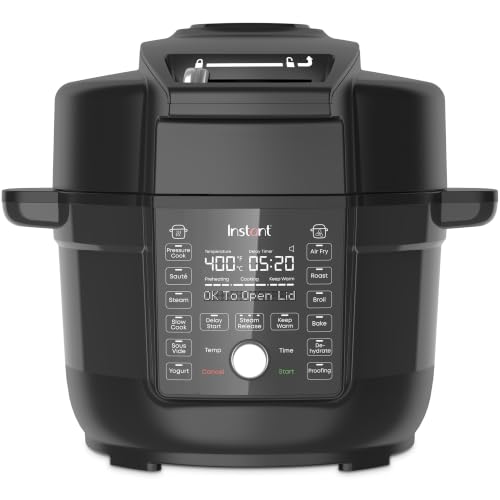
Instant Pot Duo — Profile
The Instant Pot Duo is the familiar all-rounder that introduced many households to electric pressure cooking, with a straightforward control panel and a wide library of community recipes written around it. Treat this as a prose profile rather than a specification sheet: what matters is how its control style, lid handling, and programme mix fit the way you already cook. Check the current listing for the present configuration before you buy, and match the version to your household size and habits.
Best for: cooks whose routines match the strengths described above. Not suited for: anyone who would be fighting those same traits every week. The honest way to judge the Instant Pot Duo is against your three most-cooked dishes; if it handles those gracefully, the rest of the programme list is a bonus rather than the point.
Ninja Foodi — Profile
The Ninja Foodi is a versatile machine family known for pairing pressure cooking with a finishing, crisping style of cooking in the same countertop footprint. Treat this as a prose profile rather than a specification sheet: what matters is how its control style, lid handling, and programme mix fit the way you already cook. Check the current listing for the present configuration before you buy, and match the version to your household size and habits.
Best for: cooks whose routines match the strengths described above. Not suited for: anyone who would be fighting those same traits every week. The honest way to judge the Ninja Foodi is against your three most-cooked dishes; if it handles those gracefully, the rest of the programme list is a bonus rather than the point.

Crock-Pot Express — Profile
The Crock-Pot Express is an approachable option from a brand long associated with slow cooking, shaped for households that want familiar naming and simple programme selection. Treat this as a prose profile rather than a specification sheet: what matters is how its control style, lid handling, and programme mix fit the way you already cook. Check the current listing for the present configuration before you buy, and match the version to your household size and habits.
Best for: cooks whose routines match the strengths described above. Not suited for: anyone who would be fighting those same traits every week. The honest way to judge the Crock-Pot Express is against your three most-cooked dishes; if it handles those gracefully, the rest of the programme list is a bonus rather than the point.
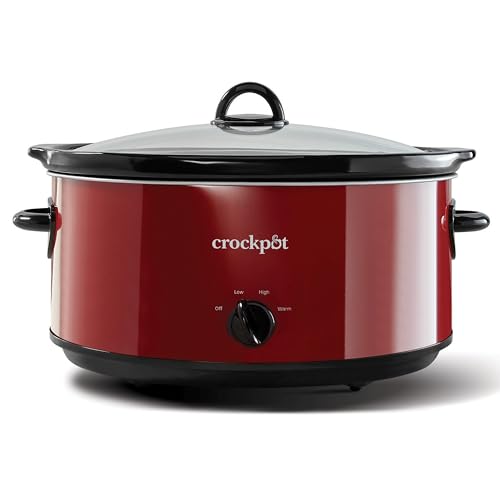
For the slow-cooker side, the representative direction is a dedicated slow cooker from a brand with a long low-and-slow heritage, chosen by capacity for your household; treat it as a prose direction and check the current listing for the present configuration before buying.
Treat every pressure cycle with the same calm routine. Check the sealing gasket for cracks or trapped food, check that the steam valve moves freely and sits in the correct position, and look inside the lid before you close it. Keep the fill level below the maximum mark whenever you cook under pressure, because liquids and foaming foods need headroom. When the cycle ends, vent steam away from your face, hands, and anyone nearby, and keep children out of the venting zone entirely. Do not try to open the lid while pressure remains, and never force the lock; if the lid will not turn easily, the safe answer is to wait. For food safety, follow official guidance on thorough cooking, prompt cooling, and refrigerated storage instead of improvising your own rules.
Final Recommendation by Use Case
Reactive weeknight cook: multicooker. Morning planner who loves low-and-slow texture: slow cooker. Small kitchen needing one machine to do almost everything: multicooker. Cook who wants the gentlest possible learning curve: slow cooker. There is no universal winner here, and any guide that names one without asking about your day is selling, not advising.
Related reading: how to choose a multicooker, step by step
Related reading: how to use a multicooker safely and well
Related reading: is a multicooker worth it for your kitchen
Related reading: the complete multicooker buying guide
Related reading: best pressure and slow cookers compared
Related reading: best non-toxic slow cookers
Related reading: best pressure cookers and multi cookers
Related reading: best multi-use electric pressure cookers
Going Deeper: Building Real Confidence With the Appliance
The keep-warm function is convenient but should be used with judgement. Holding food warm for a short, sensible period while the rest of dinner comes together is exactly its purpose. Leaving food sitting warm for very long stretches is not a storage strategy, so follow official food safety guidance on cooling and refrigeration rather than treating the pot as a holding cabinet.
Frozen ingredients are one of the format’s genuine advantages, within reason. Pressure cooking can take certain frozen items from the freezer to the table without a separate thawing step, which rescues many disorganised evenings. Even so, food safety guidance about even cooking and safe internal doneness still applies, and very thick frozen items deserve extra care and checking.
A multicooker rewards cooks who season in layers. Salt and aromatics before pressure build the base, but fresh herbs, citrus, and dairy usually belong after the lid opens, where their brightness survives. That two-stage seasoning habit is the difference between food that tastes flat and food that tastes finished, and it costs nothing but attention.
Storage of the cooker itself deserves a thought. The cord, the lid position, and a gasket left sealed inside a closed pot can all hold odours. Many owners store the lid upside down or ajar so air circulates. Small habits like these keep the appliance neutral and ready, instead of greeting you with last week’s stew when you open it.
Energy use is rarely the deciding factor, but the pattern is favourable: a sealed, insulated pot cooking for a shorter active period generally asks less of your kitchen than heating a large oven for a small meal. The bigger saving, for most households, is behavioural: food cooked at home more often because the effort barrier fell.
When a cook fails, the cause is usually traceable. Steam leaking from the rim points to the gasket or lid seating. Food scorched on the base usually means too little free liquid or a sauce that was too thick before pressure. Keeping a short note of what happened turns each failure into calibration, and the same dish rarely fails twice.
The display and controls shape daily confidence. Clear programme names, a visible countdown, and an unambiguous pressure indicator help you trust the process, especially while you are learning. Controls that hide the cooker’s state create anxiety that has nothing to do with cooking skill. If you can, favour clarity over novelty in the interface.
Households with mixed schedules feel the benefit differently. One person can start a dish, another can serve from it later, and the pot bridges the gap between staggered mealtimes. That flexibility, more than raw speed, is why many families describe the multicooker as the appliance that ended the weeknight negotiation about what is for dinner.
Grains deserve special mention because they expose consistency. Rice, oats, quinoa, and farro each want slightly different liquid ratios and release styles, and a cooker that handles your household’s favourite grain well will be used constantly. Keep a small chart of your proven ratios on the inside of a cupboard door; it is the cheapest upgrade available.
Beans from dried are a quiet economic and culinary win. No overnight soak is strictly required for many pressure methods, the texture beats tinned when you season the cooking liquid well, and you control the salt. For households that eat beans weekly, this single capability can justify the appliance on its own.
Soup is the format’s home ground. Pressure extracts flavour from bones, vegetables, and aromatics quickly, and the sealed pot keeps the kitchen from steaming up for hours. The discipline is fill level: soups expand and foam, so respect the maximum line, choose natural release for frothy mixtures, and let the pot settle before opening.
Desserts and cheesecakes cooked in a pot-in-pot setup surprise many sceptics. The gentle, moist environment suits custards and dense cakes, provided you use a suitable container and protect the top from condensation. It is not the reason most people buy a multicooker, but it widens the appliance’s repertoire in a way that keeps it interesting.
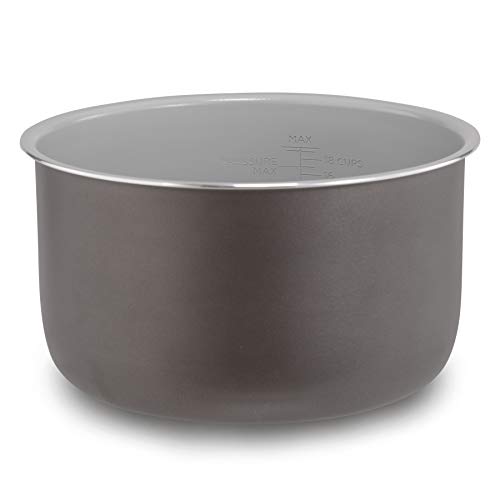
A second inner pot changes the rhythm for keen batch cooks, letting one batch rest or cool while the next begins. For most households it is unnecessary. The honest pattern with this category is that the core machine matters enormously and the extras matter only after your habits are proven. Spend attention first; spend on accessories later, if ever.
Altitude, ingredient temperature, and fill level all nudge cooking times, which is why experienced owners treat printed times as starting points. Your kitchen becomes the reference: once you know how your cooker handles your beans, your rice, and your favourite stew, those personal benchmarks are worth more than any generic chart.
The social side of these appliances is real. Owners trade adaptations, troubleshoot each other’s gasket mysteries, and publish recipe conversions for almost any dish you can name. That shared knowledge base shortens the learning curve considerably, and it is one reason the category matured from novelty to kitchen infrastructure so quickly.
A multicooker earns its place when it replaces several single-purpose appliances without becoming harder to live with than the tools it replaces. The real test is not the length of the programme list on the box; it is whether weeknight cooking becomes calmer, whether the pot is easy to clean, and whether you reach for it again next week without hesitation.
Capacity is a household question before it is a product question. A pot that feels generous for soups can feel crowded for a whole chicken, while a very large pot can be awkward to store and slower to come to pressure for a small portion. Think about the largest meal you cook regularly, then choose the size that serves that meal comfortably.
Pressure cooking changes texture as much as it changes timing. Tough cuts become tender because the sealed, high-heat environment breaks down connective tissue efficiently, while delicate vegetables can overcook in the same environment if they are added too early. Good multicooker cooking is mostly sequencing: hard ingredients first, fragile ingredients later, and liquids managed with intention.
The saute function matters more than many buyers expect. Browning meat and softening onions in the same pot builds the flavour base that makes pressure-cooked food taste cooked rather than merely heated. If you skip browning every time, results are still convenient, but the depth that makes a stew memorable usually starts before the lid ever closes.
Liquid discipline separates reliable results from frustrating ones. Pressure cooking needs enough liquid to build steam, yet too much liquid dilutes sauces and delays pressure. Recipes written for stovetop pots often need adjustment, and thick sauces are usually better thickened after pressure cooking, when you can see the final consistency and reduce or bind it deliberately.
Natural release and quick release are flavour and texture tools, not just timing choices. A period of natural release suits meats and foaming foods, letting pressure fall gradually and keeping liquids calmer inside the pot. Quick release suits vegetables and seafood that would overcook while waiting. Learning which release a dish wants is one of the core skills of this appliance.
The sealing gasket quietly decides whether a cook succeeds. A gasket that is stretched, cracked, or carrying yesterday’s curry aroma will leak steam, delay pressure, and perfume tonight’s rice. Rinsing it after each use, letting it dry fully, and replacing it when it no longer seals cleanly are small habits that protect every future meal.
Counter space is a real cost, and a multicooker should be judged against it honestly. Measure the footprint, the height with the lid open, and the clearance under your cabinets before you buy. A machine that must be dragged from a deep cupboard for every use will be used less, no matter how capable its programme list looks on paper.
Cleaning shapes long-term satisfaction more than any single feature. A removable inner pot that washes easily, a lid whose parts come apart for rinsing, and a rim that does not trap food will decide whether the cooker feels like help or homework. When you compare models, picture the washing-up after a bean chilli, not the unboxing on day one.
Yoghurt, rice, grains, beans, soups, and braised meats are the everyday backbone of multicooker cooking. The glamorous dishes matter less than these repeats, because an appliance that handles your weekly staples reliably will save more effort across a year than one that performs a party trick twice. Judge the programme list against your actual rotation.
Batch cooking is where the format quietly shines. A large pot of beans, a double batch of soup, or shredded meat for several meals can be cooked once and portioned for the week. That rhythm suits households that cook in waves, and it turns the multicooker from a gadget into a planning tool that supports lunches, freezer meals, and low-effort reheats.
Beginners often do best by cooking a short list of forgiving dishes first: a simple soup, a batch of rice, dried beans, and one braise they already know from the stovetop. Familiar food makes the learning visible, because you can taste what pressure changed. Once those anchors feel routine, the wider programme list becomes exploration rather than guesswork.
Noise and steam are part of the ownership picture. A pressure cooker vents steam, clicks, and hums in ways a slow cooker never does, and in a small open-plan kitchen that presence matters. None of it is a flaw, but it is worth expecting: this is an active appliance with a personality, not a silent crock in the corner.
Recipe translation is a skill worth building deliberately. Most stovetop braises adapt well if you reduce added liquid, protect thickeners until after pressure, and shorten the active cooking phase while allowing time for pressure to build and release. Write your adjustments on the recipe the first two times; by the third cook, the conversion becomes instinct.
Accessories should follow habits, not precede them. A steamer basket, a spare gasket, or an extra inner pot can be genuinely useful once you know which dishes you cook weekly. Buying a tower of accessories on day one usually produces cupboard clutter. Let a month of real cooking tell you which single accessory would remove a repeated annoyance.
The keep-warm function is convenient but should be used with judgement. Holding food warm for a short, sensible period while the rest of dinner comes together is exactly its purpose. Leaving food sitting warm for very long stretches is not a storage strategy, so follow official food safety guidance on cooling and refrigeration rather than treating the pot as a holding cabinet.
Frozen ingredients are one of the format’s genuine advantages, within reason. Pressure cooking can take certain frozen items from the freezer to the table without a separate thawing step, which rescues many disorganised evenings. Even so, food safety guidance about even cooking and safe internal doneness still applies, and very thick frozen items deserve extra care and checking.
A multicooker rewards cooks who season in layers. Salt and aromatics before pressure build the base, but fresh herbs, citrus, and dairy usually belong after the lid opens, where their brightness survives. That two-stage seasoning habit is the difference between food that tastes flat and food that tastes finished, and it costs nothing but attention.
Storage of the cooker itself deserves a thought. The cord, the lid position, and a gasket left sealed inside a closed pot can all hold odours. Many owners store the lid upside down or ajar so air circulates. Small habits like these keep the appliance neutral and ready, instead of greeting you with last week’s stew when you open it.
Energy use is rarely the deciding factor, but the pattern is favourable: a sealed, insulated pot cooking for a shorter active period generally asks less of your kitchen than heating a large oven for a small meal. The bigger saving, for most households, is behavioural: food cooked at home more often because the effort barrier fell.
When a cook fails, the cause is usually traceable. Steam leaking from the rim points to the gasket or lid seating. Food scorched on the base usually means too little free liquid or a sauce that was too thick before pressure. Keeping a short note of what happened turns each failure into calibration, and the same dish rarely fails twice.
The display and controls shape daily confidence. Clear programme names, a visible countdown, and an unambiguous pressure indicator help you trust the process, especially while you are learning. Controls that hide the cooker’s state create anxiety that has nothing to do with cooking skill. If you can, favour clarity over novelty in the interface.
Households with mixed schedules feel the benefit differently. One person can start a dish, another can serve from it later, and the pot bridges the gap between staggered mealtimes. That flexibility, more than raw speed, is why many families describe the multicooker as the appliance that ended the weeknight negotiation about what is for dinner.
Grains deserve special mention because they expose consistency. Rice, oats, quinoa, and farro each want slightly different liquid ratios and release styles, and a cooker that handles your household’s favourite grain well will be used constantly. Keep a small chart of your proven ratios on the inside of a cupboard door; it is the cheapest upgrade available.
Beans from dried are a quiet economic and culinary win. No overnight soak is strictly required for many pressure methods, the texture beats tinned when you season the cooking liquid well, and you control the salt. For households that eat beans weekly, this single capability can justify the appliance on its own.
Soup is the format’s home ground. Pressure extracts flavour from bones, vegetables, and aromatics quickly, and the sealed pot keeps the kitchen from steaming up for hours. The discipline is fill level: soups expand and foam, so respect the maximum line, choose natural release for frothy mixtures, and let the pot settle before opening.
Desserts and cheesecakes cooked in a pot-in-pot setup surprise many sceptics. The gentle, moist environment suits custards and dense cakes, provided you use a suitable container and protect the top from condensation. It is not the reason most people buy a multicooker, but it widens the appliance’s repertoire in a way that keeps it interesting.
A second inner pot changes the rhythm for keen batch cooks, letting one batch rest or cool while the next begins. For most households it is unnecessary. The honest pattern with this category is that the core machine matters enormously and the extras matter only after your habits are proven. Spend attention first; spend on accessories later, if ever.
Altitude, ingredient temperature, and fill level all nudge cooking times, which is why experienced owners treat printed times as starting points. Your kitchen becomes the reference: once you know how your cooker handles your beans, your rice, and your favourite stew, those personal benchmarks are worth more than any generic chart.
The social side of these appliances is real. Owners trade adaptations, troubleshoot each other’s gasket mysteries, and publish recipe conversions for almost any dish you can name. That shared knowledge base shortens the learning curve considerably, and it is one reason the category matured from novelty to kitchen infrastructure so quickly.
A multicooker earns its place when it replaces several single-purpose appliances without becoming harder to live with than the tools it replaces. The real test is not the length of the programme list on the box; it is whether weeknight cooking becomes calmer, whether the pot is easy to clean, and whether you reach for it again next week without hesitation.
Capacity is a household question before it is a product question. A pot that feels generous for soups can feel crowded for a whole chicken, while a very large pot can be awkward to store and slower to come to pressure for a small portion. Think about the largest meal you cook regularly, then choose the size that serves that meal comfortably.
Pressure cooking changes texture as much as it changes timing. Tough cuts become tender because the sealed, high-heat environment breaks down connective tissue efficiently, while delicate vegetables can overcook in the same environment if they are added too early. Good multicooker cooking is mostly sequencing: hard ingredients first, fragile ingredients later, and liquids managed with intention.
The saute function matters more than many buyers expect. Browning meat and softening onions in the same pot builds the flavour base that makes pressure-cooked food taste cooked rather than merely heated. If you skip browning every time, results are still convenient, but the depth that makes a stew memorable usually starts before the lid ever closes.
Liquid discipline separates reliable results from frustrating ones. Pressure cooking needs enough liquid to build steam, yet too much liquid dilutes sauces and delays pressure. Recipes written for stovetop pots often need adjustment, and thick sauces are usually better thickened after pressure cooking, when you can see the final consistency and reduce or bind it deliberately.
Natural release and quick release are flavour and texture tools, not just timing choices. A period of natural release suits meats and foaming foods, letting pressure fall gradually and keeping liquids calmer inside the pot. Quick release suits vegetables and seafood that would overcook while waiting. Learning which release a dish wants is one of the core skills of this appliance.
The sealing gasket quietly decides whether a cook succeeds. A gasket that is stretched, cracked, or carrying yesterday’s curry aroma will leak steam, delay pressure, and perfume tonight’s rice. Rinsing it after each use, letting it dry fully, and replacing it when it no longer seals cleanly are small habits that protect every future meal.
Still Torn? Practical Tie-Breakers for This Decision
Run these tie-breaker checks in your own space before the decision hardens, because the differences between the two sides of this comparison behave differently in every household. Start with the tape measure: write the working footprint and the storage footprint for each option, including the clearance each one needs to open, cool, drain, or be carried safely. List your five most frequent jobs and mark, for each one, which option you would reach for without thinking, since that instinctive tally usually predicts long-term satisfaction. Consider the second user in your household and which option they would operate correctly without a briefing, because shared tools are judged by their least confident user.
Compare the cleanup after the same messy job done both ways, counting minutes and pieces to wash rather than impressions, and let that arithmetic speak plainly. Compare the failure modes: what a worn seal, a lost part, or a tired motor does to each option, and which failure you could live with for a month while arranging a fix. Where a shortlist names specific examples, such as Instant Pot Duo, run these same checks against that listing line by line rather than assuming the general verdict transfers unchanged. Apply the identical test to Ninja Foodi as well, on the same day and under the same conditions, because a fair comparison needs one ruler rather than two moods.
- Measure working and storage footprints for both
- Tally five frequent jobs by instinct
- Time the same messy cleanup both ways
- Run the ordinary Tuesday test in your head
- Run the busiest-day test in your head
- Write the deciding sentence before ordering
If Crock-Pot Express is also in contention, give it the same worksheet and let the three sets of answers sit side by side before anyone reaches for a checkout button. Compare the consumables and accessories each side quietly requires over a year, and whether those extras are ordinary items or single-source purchases. Compare how each option treats your smallest everyday task and your largest occasional one, and be suspicious of any option that only wins at the extreme you rarely visit. Compare the learning curve honestly by imagining a tired beginner, which might be you on a weekday evening, meeting each option for the first time.
Compare the exit costs: which option is easier to resell, gift, store as a spare, or demote to a second room if your needs change next year. Compare how each side fits the rest of your equipment, since compatibility with what you already own can outweigh a small difference in headline performance. Compare the noise, heat, and presence each option brings to the room at the hour you will use it most, and ask the other people who share that room for their vote. Run the holiday test in your head: the biggest, busiest session of your year, with helpers underfoot, and decide which option you would rather be operating then.
Run the ordinary Tuesday test as well, because most ownership is Tuesdays, and the option that wins the quiet weekday usually wins the year. If the tally stays level, choose by cleanup and storage rather than by peak performance, since daily friction compounds faster than occasional brilliance. Write the deciding sentence down before you order, naming the job and the household fact that settled it, so buyer’s remorse has something factual to argue with later. Revisit that sentence if your household changes, because a verdict built on real jobs expires when the jobs do, and the other option may deserve a second hearing then.
Notice which option you keep defending in conversation, and treat that defensiveness as information: people rarely argue for the choice they secretly expect to regret. Check whether either option forces a supporting purchase to work as described, and fold that requirement into the comparison before treating the headline difference as real. End by asking which option you would choose if both were already in the house and one had to leave, since that framing strips away novelty and sunk cost in one move. Whatever the category, photograph your intended spot with the neighbouring items in place, because a picture exposes crowding that measurements alone politely ignore.
Keep every measurement, tally, and note from these checks in one place, ideally with the receipt, so the next decision in this category starts from your evidence rather than from scratch. Involve the household early where the product is shared, since a decision everyone helped measure is a decision nobody relitigates at the first inconvenience. Prefer the option that fits your existing routine with the fewest new habits, because each new habit is a small tax collected every single day. Be wary of solving a storage problem by creating a carrying problem, since distance between storage and use is where good equipment goes to be forgotten.
Frequently Asked Questions
Can a multicooker fully replace a slow cooker?
For many households, mostly yes: the slow-cook programme handles everyday low-and-slow dishes adequately. Devoted slow-cooker fans may still prefer the dedicated appliance’s heat pattern and simplicity for their signature dishes. If slow cooking is your primary style rather than one programme among many, the dedicated machine keeps the edge.
How long does a multicooker take to come to pressure?
It depends on how full and how cold the contents are. A small, warm load builds pressure quickly, while a full pot of cold liquid takes noticeably longer. Always count build and release time as part of the cooking process when you plan a meal, rather than treating the timed pressure phase as the whole story.
Can I leave a multicooker unattended?
These appliances are designed to regulate themselves once sealed, and many owners start a dish and get on with other tasks nearby. Sensible practice is to stay within earshot, keep the vent area clear, keep children away from the steam path, and follow the manufacturer’s instructions for your specific model rather than treating any cooker as fully set-and-forget.
Why is steam leaking from the side of the lid?
Side leaks usually mean the sealing gasket is dirty, mis-seated, worn, or that food residue is breaking the seal. Stop, let pressure fall safely, and inspect the gasket and rim once everything is cool enough to handle. Never force the lid, and do not restart a pressure cycle until the seal looks clean and correctly positioned.
How do I stop food scorching on the base?
Scorching usually traces back to too little free liquid, a sauce that was thick before pressure, or browned bits left stuck after sauteing. Deglaze the pot thoroughly, keep thickeners for after pressure, and layer dense ingredients above the liquid rather than directly on the base. Those three habits prevent most scorch warnings.
How should leftovers from the pot be handled?
Follow official food safety guidance: cool leftovers promptly, refrigerate them in shallow containers, and reheat them thoroughly before serving. Do not treat the keep-warm setting as long-term storage. When in doubt, the conservative path is the right one, and the manufacturer’s guidance plus public food safety advice should overrule any shortcut you read elsewhere.