Disclosure: topratedkitchenware.com is reader-supported. When you buy through links on our site, we may earn an affiliate commission from Amazon and other retailers, at no extra cost to you.
Where to buy
This guide applies the strictest test in the bread machine series: a pick only earns a purchase link and a photo here if its verified listing title actually names a sourdough program, or an equivalent long-fermentation mode, in so many words. One machine passes that test, and it is reviewed first, in depth. The other five are respected machines covered in full prose — no link, no photo — because their titles name other virtues (custom cycles, program counts, dispensers) without ever stating sourdough. Their reviews explain exactly what each title does and does not promise, and the how-to section covers the dough-cycle-and-oven method that sourdough bakers use with almost any machine.
- Zojirushi BB-CEC20 Home Bakery Supreme Breadmaker Bundle — Best Overall — The Title-Confirmed Sourdough Pick. The only title in this pool that names Sourdough outright, with dual kneading blades and a 2 lb loaf.
- KITCHENARM 29-in-1 SMART Bread Machine — Prose-Only: Homemade Cycle, Sourdough Not Stated. A 29-in-1 machine with a homemade cycle that invites custom timetables — but its title never says sourdough or fermentation.
- Breville BBM800XL Custom Loaf Bread Maker — Prose-Only: Custom Control, Sourdough Not Stated. Custom Loaf control and crust settings, with a collapsible paddle; the title states control, not a sourdough program.
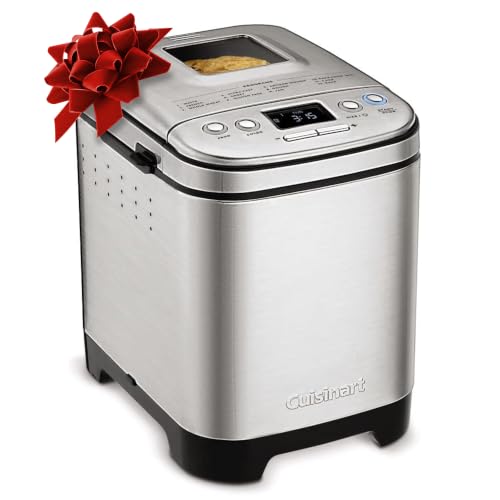
- Cuisinart Compact 2 Lb Automatic Bread Maker CBK-110NAS — Prose-Only: 12 Programs, None Named Sourdough. A compact 12-program machine whose title counts its programs without naming any of them sourdough.
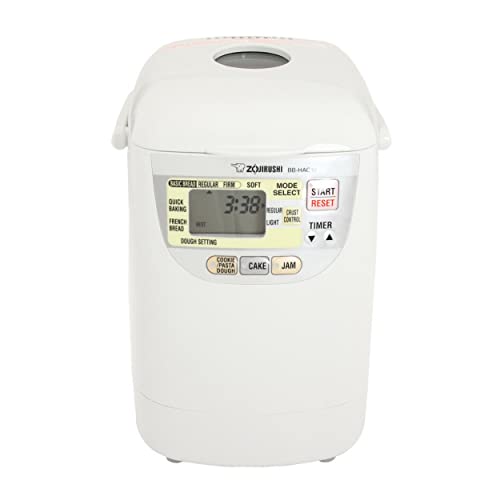
- Zojirushi BB-SSC10WZ Home Bakery Maestro Breadmaker — Prose-Only: No Programs Stated at All. A Premium White Maestro whose title states no programs whatsoever — nothing about it can be verified from the title.
- Neretva 3.3LB 15-in-1 Bread Maker with Dual Heaters — Prose-Only: 15-in-1, Sourdough Not Named. A large 15-in-1 machine with dual heaters and a dispenser; its title does not name a sourdough program.
Read the full guide ↓ for badges, honest trade-offs, a comparison table and the buying advice that helps you choose between them.
Of all the searches in this series, best sourdough bread making machines is the one where the gap between what listings imply and what they state is widest. Sourdough is a method before it is a flavour: a living starter, a long slow fermentation, and a timetable that looks nothing like a three-hour sandwich loaf. Machines gesture at that world with words like artisan, homemade and custom, and a shopper can easily buy a perfectly good bread maker believing a sourdough cycle is inside it — when the listing never actually said so. This guide exists to close that gap with a simple, strict rule.
The rule: a machine is linked and photographed here only if its verified listing title names a sourdough program, or an equivalent fermentation mode, in plain words. One machine in the pool passes — the Zojirushi BB-CEC20, whose title lists Sourdough among its menus — and it is therefore the only linked recommendation in this guide, carrying the full review treatment with its listing link throughout. Five other machines, several of them excellent, are reviewed in full prose with no link and no image, each with an exact account of what its title states instead. That is not a punishment. It is what honest guidance looks like when a keyword names a specific capability: the claim has to be checkable, and where it cannot be checked, we say so and teach you the workaround instead — because the dough-cycle-and-oven method in the how-to section makes credible sourdough possible with a far wider range of machines, including, very likely, one you already own.
A note on scope before the picks. This guide is about machines and methods, not about health. Sourdough’s long fermentation is discussed here as a baking technique — what it does to flavour, texture and scheduling — and no medical or nutritional claims are made for it. Specifications come only from verified listing titles, prices are never printed, and where you are invited to check a figure, it is because the title in front of us did not state it.
Key Takeaways
- Only one machine in this pool names a sourdough program in its verified title: the Zojirushi BB-CEC20 Home Bakery Supreme — the guide’s sole linked pick.
- Words like homemade, custom and artisan in a title are not a sourdough program. Five good machines are covered prose-only for exactly that reason.
- A custom or homemade cycle is the next best thing to a named program — it lets you build a long, slow timetable — but it is your timetable, not a tested sourdough preset.
- The dough-cycle-and-oven method is the honest workaround: machine kneads and proves, a Dutch oven or steel bakes. It suits almost any machine with a dough setting.
- Your starter matters more than your machine. A vigorous, regularly fed starter forgives average equipment; a neglected one defeats the best program here.
- Read titles literally when the keyword is specific. If sourdough is the reason you are buying, buy the machine whose title says sourdough.
In this guide
Quick Picks
The verification column in this table is the heart of the guide. One pick is confirmed; five are labelled with exactly what their titles state instead, so you can judge the gap for yourself.
| Pick | Badge | Best for |
|---|---|---|
| Zojirushi BB-CEC20 Home Bakery Supreme | Best Overall — The Title-Confirmed Sourdough Pick | The only title in this pool that names Sourdough outright, with dual kneading blades and a 2 lb loaf. |
| KITCHENARM 29-in-1 SMART Bread Machine | Prose-Only: Homemade Cycle, Sourdough Not Stated | A 29-in-1 machine with a homemade cycle that invites custom timetables — but its title never says sourdough or fermentation. |
| Breville BBM800XL Custom Loaf | Prose-Only: Custom Control, Sourdough Not Stated | Custom Loaf control and crust settings, with a collapsible paddle; the title states control, not a sourdough program. |
| Cuisinart Compact CBK-110NAS | Prose-Only: 12 Programs, None Named Sourdough | A compact 12-program machine whose title counts its programs without naming any of them sourdough. |
| Zojirushi Home Bakery Maestro BB-SSC10WZ | Prose-Only: No Programs Stated at All | A Premium White Maestro whose title states no programs whatsoever — nothing about it can be verified from the title. |
| Neretva 3.3LB 15-in-1 Bread Maker | Prose-Only: 15-in-1, Sourdough Not Named | A large 15-in-1 machine with dual heaters and a dispenser; its title does not name a sourdough program. |
How These Picks Were Chosen
Selection for this guide began with a single pass through the verified pool, title by title, looking for one word and its honest equivalents: sourdough, or a named fermentation or long-rise mode. One title contained it. The BB-CEC20 lists Sourdough in its menu line alongside jam and quick bake, which is as explicit as listing language gets. No other title in the pool names sourdough, a ferment cycle or a long-rise program. Two titles offer the raw material from which a sourdough timetable could be built — a homemade cycle on the KITCHENARM, custom control on the Breville — and those machines were ranked highest among the prose-only reviews, because a programmable cycle is genuinely useful to a sourdough baker even though it is not a sourdough program.
The remaining three were ordered by how much checkable information their titles carry: the Cuisinart counts twelve programs without naming a sourdough one among them; the Neretva counts fifteen with the same omission, at a much larger loaf size; and the Maestro’s title names no programs at all, which places it last in a guide whose subject is a program. Every review below repeats its machine’s title evidence in its spec list, so the reasoning is auditable rather than asserted. Where a machine might well have a relevant cycle that its title does not mention, the review says that too — and directs you to the product page to confirm it, which is where such a claim belongs.
The 6 Best Sourdough Bread Making Machines — 1 Title-Confirmed, 5 in Prose

Zojirushi BB-CEC20 Home Bakery Supreme Breadmaker Bundle
Badge: Best Overall — The Title-Confirmed Sourdough Pick
Strengths
- Sourdough named outright in the verified title — the only such claim in this pool
- Dual kneading blades to work a full 2 lb pan of stiff, long-fermented dough evenly
- A 13-hour delay and Home Made menus around the headline sourdough menu
Trade-offs
- A machine sourdough cycle is a convenience timetable, not a substitute for a healthy starter
- No gluten-free program is named in the title, for households that need both
- Sold as a bundle; check what the bundle adds before comparing it with standalone listings
Key specs from the verified listing title
- Loaf size stated in listing title: 2-lb loaf
- Dual kneading blades
- 13-hour delay timer
- Menus named in the title: sourdough, jam, quick bake and Home Made menus
- Sold as a bundle package
The BB-CEC20 Home Bakery Supreme Bundle is the only machine this guide can recommend with a link, and the reason is one word in its title: Sourdough, listed plainly among its menus. That matters because a named menu is a commitment a buyer can hold a listing to. It means the machine’s timetable — the kneading pattern, the long slow rise, the bake — was designed around a starter-leavened dough rather than borrowed from a white loaf and renamed. For a baker who keeps a starter on the counter and wants the machine to carry a weekday sourdough without supervision, this is the verified starting point, and no other pick in the pool can make the same documented claim.
The supporting specification suits the job. Dual kneading blades work the full length of the 2 lb pan, which matters because sourdough at sandwich-loaf hydration is a stiff, elastic dough that a single small paddle can leave underworked in the corners. The 13-hour delay aligns with sourdough’s own rhythm — mix around a feeding schedule, let time do the flavour work — and the Home Made menus let you save an adjusted cycle once you have tuned the stock sourdough timetable to your starter and your flour. The jam and quick-bake menus are honest extras for the rest of the week. If sourdough is why you are buying, this is the machine whose paperwork agrees with you. Readers whose kitchens are small should weigh it against the compact options in Best Compact Bread Machines, since a 2 lb machine is a real presence on the counter.
Best for: Starter-keepers who want a named, verified sourdough menu in a full-size machine / Not suited for: Bakers who want an open, hearth-style boule — that is the dough-cycle-and-oven method below, on any machine
Check on Amazon — check the latest price on Amazon for this exact model before you decide.
KITCHENARM 29-in-1 SMART Bread Machine
Badge: Prose-Only: Homemade Cycle, Sourdough Not Stated
Strengths
- A homemade cycle stated in the title — the raw material for building your own long sourdough timetable
- 29-in-1 range with three stated loaf sizes for scaling test bakes and family loaves
- A gluten free setting and whole-wheat positioning show serious program engineering
Trade-offs
- The title never says sourdough or fermentation — the cycle would be your own construction, not a preset
- No link or photo in this guide, under the verification rule stated above
- Building a reliable custom sourdough cycle takes several test bakes to dial in
Key specs from the verified listing title
- 29-in-1 program format with a dedicated gluten free setting
- Loaf sizes stated in listing title: 2 lb, 1.5 lb and 1 lb
- Homemade cycle for custom programs
- Stainless steel breadmaker, supplied with recipes
- Positioned in the title as a whole wheat bread making machine
The KITCHENARM is the strongest of the prose-only reviews, and its case rests on two stated words: Homemade Cycle. A homemade cycle lets you set the knead, rise and bake times yourself, and a patient baker can use it to build the long, gentle timetable sourdough wants — something no fixed white or whole-wheat program offers. With three stated loaf sizes, you can also prototype at 1 lb, wasting little flour while the cycle is tuned, then scale the winning timetable to 2 lb. As an instrument for a methodical sourdough baker, this is genuinely promising equipment.
But promising is not the same as promised. The title does not say sourdough, does not say fermentation, and this guide will not upgrade a custom cycle into a sourdough program on the maker’s behalf. If you buy it for sourdough, you are buying a tool for building the cycle yourself, with the test bakes that implies — enjoyable work for some bakers, a deal-breaker for others. Confirm the homemade cycle’s time limits on the product page before relying on a very long fermentation plan, since a cycle’s maximum rise time is exactly the figure a title never prints. For the wider custom-program landscape, Best Custom Bread Machines is the companion read.
Best for: Methodical bakers who enjoy building and saving their own long fermentation cycles / Not suited for: Anyone who wants a sourdough preset that works out of the box, verified in the title
Covered prose-only in this guide: see the sources note at the end of this article file set for why this pick carries no link and no photo here.
Breville BBM800XL Custom Loaf Bread Maker
Badge: Prose-Only: Custom Control, Sourdough Not Stated
Strengths
- Custom Loaf positioning with control over detail stated in the title — cycle-level adjustment is the sourdough-relevant virtue
- Custom crust settings, valuable when a long-fermented loaf needs a decisive bake
- Collapsible paddle and automatic dispenser show careful, baker-focused engineering
Trade-offs
- No sourdough or fermentation mode is named in the title
- Loaf size and timer length are also unstated in the title — several checks needed on the listing
- No link or photo in this guide, under the verification rule
Key specs from the verified listing title
- Brushed stainless steel finish
- Collapsible kneading paddle, designed to prevent holes in the finished loaf
- Custom crust settings
- Automatic fruit and nut dispenser
- Custom Loaf format: control over cycle details stated in the title
The Breville BBM800XL Custom Loaf speaks the language of control: its title promises command over detail and custom crust settings, and control is the currency sourdough bakers trade in. A long-fermented dough wants an unhurried rise and then a confident bake, and a machine built around adjustable cycles and crust choice is, in principle, adaptable to that pattern. The collapsible paddle even solves a real sourdough-adjacent annoyance, sparing the finished loaf the torn base that makes slicing a tender crumb harder than it should be.
In principle, however, is where this review must stop. The title names no sourdough program and no fermentation mode, states no loaf size and no timer length, and so the BBM800XL is covered here in prose, without a link, as a control-rich machine whose sourdough suitability you would need to establish on its product page — specifically by checking whether its custom cycles permit a sufficiently long rise. If they do, it could serve a sourdough baker well. This guide’s linked recommendation remains the machine that says so in writing.
Best for: Control-focused bakers willing to verify custom cycle limits on the listing / Not suited for: Buyers who want the sourdough claim itself verified before purchase
Covered prose-only in this guide: see the sources note at the end of this article file set for why this pick carries no link and no photo here.
Cuisinart Compact 2 Lb Automatic Bread Maker CBK-110NAS
Badge: Prose-Only: 12 Programs, None Named Sourdough
Strengths
- Twelve stated programs and three loaf sizes — a broad, checkable specification
- A stated Compact format, which matters in kitchens where a sourdough habit must share the counter
- A paddle-removal alert for cleaner slices of a tender loaf
Trade-offs
- None of the twelve programs is named sourdough in the title
- A program count is not evidence of a fermentation cycle — the listing must be checked
- No link or photo in this guide, under the verification rule
Key specs from the verified listing title
- Described in the listing title as Compact, with a 2 lb maximum loaf
- 12 programs, 3 loaf sizes and 3 crust shades
- 13-hour delay start
- Paddle-removal alert
- Model CBK-110NAS
The Cuisinart CBK-110NAS illustrates why this guide counts words, not programs. Its title states twelve programs, three loaf sizes, three crust shades and a 13-hour delay start — a fuller specification than most — yet it never names those programs, and so it never claims sourdough. Twelve unnamed programs could include a suitable long cycle or could be twelve variations on a theme; the title does not say, and neither will we. It is reviewed here in prose, as a compact, flexible machine whose sourdough credentials are a question for its product page, where the program list can be read in full.
What can be said in its favour is real. A compact format suits the sourdough household, where the counter already hosts a starter jar, a flour bin and a proving basket; three loaf sizes let you bake a small test loaf from a young starter without waste; and the paddle-removal alert protects the base of a soft loaf at slicing time. If its full program list, checked on the listing, includes a long or dough-only cycle, the method in the how-to section below turns this machine into a perfectly serviceable sourdough station — with the oven doing the baking, as it does for most serious sourdough anyway.
Best for: Compact-kitchen bakers who will check the full program list and use the dough-and-oven method / Not suited for: Anyone who needs a named sourdough program confirmed in the title
Covered prose-only in this guide: see the sources note at the end of this article file set for why this pick carries no link and no photo here.
Zojirushi BB-SSC10WZ Home Bakery Maestro Breadmaker
Badge: Prose-Only: No Programs Stated at All
Strengths
- A current Zojirushi Home Bakery line, in a clean Premium White finish
- From the maker of this guide’s one verified sourdough pick
- A tidy, minimal listing for buyers who prefer to research on the product page
Trade-offs
- The verified title states no programs at all — sourdough cannot even be investigated from the title
- No loaf size, timer or cycle information is stated either
- No link or photo in this guide; last in this ranking because this guide’s subject is a program
Key specs from the verified listing title
- Model stated in listing title: BB-SSC10WZ
- Premium White finish
- Loaf size and program list are not stated in the verified title — confirm them on the listing before ordering
The Maestro’s review is short because its title is short: a model number, the words Home Bakery Maestro, and a colour. No programs are named — not sourdough, not anything — and no loaf size or timer is stated. In a guide about a specific program, that places it last, not as a judgement on the machine’s quality but as a statement about evidence: there is nothing here a sourdough buyer can verify without leaving the title behind. It is therefore covered in prose, without a link or photo, as the pool’s reminder that brand reputation is not a specification.
If the Maestro appeals to you — its maker also builds the one verified pick in this guide, which is a reasonable ground for curiosity — the product page is where its program list lives, and a sourdough buyer should read that list looking for the words this title omits. Until a listing states a sourdough or fermentation capability, this guide treats the capability as unconfirmed, whoever makes the machine. That discipline is the entire value of the page you are reading.
Best for: Brand-loyal shoppers who will research the full program list on the product page / Not suited for: Sourdough buyers who want any program claim verified up front
Covered prose-only in this guide: see the sources note at the end of this article file set for why this pick carries no link and no photo here.
Neretva 3.3LB 15-in-1 Bread Maker with Dual Heaters
Badge: Prose-Only: 15-in-1, Sourdough Not Named
Strengths
- A stated 3.3 lb capacity — the largest batch here, if sourdough for a household is the goal
- Dual heaters and a 1-hour keep warm show substantial baking hardware
- An automatic nut dispenser suits seeded loaf variations
Trade-offs
- Its 15-in-1 title does not name a sourdough program among the fifteen
- A program count without names cannot be verified as including a fermentation cycle
- No link or photo in this guide, under the verification rule
Key specs from the verified listing title
- Loaf capacity stated in listing title: 3.3 lb
- 15-in-1 program format with dual heaters
- Automatic nut dispenser
- Stainless steel body with nonstick ceramic pan
- Full touch panel, 15-hour timer and 1-hour keep warm
The Neretva is the big-machine version of the Cuisinart’s lesson. Fifteen programs are claimed in its title, along with dual heaters, a 3.3 lb capacity, a ceramic nonstick pan, a 15-hour timer and an automatic nut dispenser — and sourdough is named among none of it. Fifteen is a large menu, and a long fermentation cycle may or may not be inside it; the title, which is the evidence this guide is built on, does not say. So the Neretva is reviewed in prose: a substantial, high-capacity machine whose sourdough status is a listing-page question, not a fact this page will assert.
Its scale deserves one honest paragraph, because household sourdough is a real use case. If a verified long cycle were confirmed on its listing, a 3.3 lb sourdough batch would feed a family’s week from one bake, and the dual heaters would help a loaf that size bake evenly — the two hardware traits that matter most at scale. Until that confirmation, the verified route to a big sourdough bake is the dough-and-oven method below, run in batches, or the one linked machine in this guide at its stated 2 lb size. Size is a reason to check the Neretva’s listing carefully; it is not a reason to assume its menu.
Best for: Large households who will verify the full 15-program list on the listing before shortlisting it / Not suited for: Buyers who need the sourdough program itself confirmed in the title
Covered prose-only in this guide: see the sources note at the end of this article file set for why this pick carries no link and no photo here.
Comparison Table
The comparison that matters here is a single column wide: what each title actually states about sourdough. Everything else is secondary, and the table treats it that way.
| Pick | What stands out for this guide | Listing |
|---|---|---|
| Zojirushi BB-CEC20 Home Bakery Supreme | SOURDOUGH NAMED in title; 2 lb loaf; dual kneading blades; 13-hour delay | Check on Amazon |
| KITCHENARM 29-in-1 SMART Bread Machine | Sourdough not stated; homemade cycle stated; 29-in-1; 1 / 1.5 / 2 lb loaves | Prose-only in this guide |
| Breville BBM800XL Custom Loaf | Sourdough not stated; custom control and crust settings stated; size not stated | Prose-only in this guide |
| Cuisinart Compact CBK-110NAS | Sourdough not stated; 12 programs unnamed in title; compact; 3 loaf sizes | Prose-only in this guide |
| Zojirushi Home Bakery Maestro BB-SSC10WZ | Nothing stated about programs at all in the title | Prose-only in this guide |
| Neretva 3.3LB 15-in-1 Bread Maker | Sourdough not stated; 15-in-1 unnamed in title; 3.3 lb loaf; dual heaters | Prose-only in this guide |
How to Choose a Bread Machine for Sourdough, Without Being Misled
Rule one is the rule this guide was built on: if sourdough is the reason for the purchase, the listing must say sourdough — or name a fermentation or long-rise mode — in words you can point to. Artisan styling, a rustic photograph and the word homemade are not a program. Neither is a program count: fifteen unnamed programs tell you less than one named one. When a title does not make the claim, move the question to the product page and read the actual program list; if the full list does not make the claim either, the machine does not have the feature in any sense you can rely on, whatever a review elsewhere implies.
Rule two: understand what a sourdough cycle can and cannot do, so your expectations survive first contact with the loaf. A machine sourdough program is a timetable — a thorough knead, a long slow rise at a gentle warmth, and a full bake — built for a starter-leavened dough in a pan. It produces a sandwich-shaped sourdough loaf with genuine fermented flavour and a soft, even crumb. It does not produce the open-holed, hard-crusted boule of a bakery hearth loaf, because a pan and a gentle machine bake cannot. Bakers whose goal is the boule should not buy a different machine; they should use the dough-cycle-and-oven method in the next section, which is how most home sourdough is actually made, and judge machines by their dough cycle instead.
Rule three: match the machine to your starter’s life, not the other way round. A starter fed daily on the counter is ready to bake on any day’s notice, and a named sourdough program plus a delay timer turns that readiness into fresh bread with minimal planning. A starter kept in the fridge and fed weekly needs a refresh day before baking, which favours machines with flexible custom cycles and a baker who plans one day ahead. Either way, the starter is the senior partner in this relationship: budget your attention for feeding it before you budget money for features, because no program in this guide rescues a starved culture. The feature landscape beyond sourdough is surveyed in Best Features Of Bread Making Machines for readers still mapping the category.
Rule four: size and shape deserve one clear-eyed minute. A 2 lb pan loaf, as on the verified pick, slices for sandwiches and toast — the forms most households actually eat daily. If your sourdough ambition is mostly those forms, a pan machine is not a compromise at all. If it is mostly weekend boules, the machine is a dough station and the oven is the bakery, and a smaller or cheaper machine with a good dough cycle serves you as well as a flagship. Decide which baker you are before you decide which machine to buy, and the rest of the choice makes itself. For the wider home-baking context, Best Home Bread Machines and Best Home Bread Making Machines cover the general category.
How to Make Sourdough With a Bread Machine: Two Honest Methods
Method one is the machine bake, for owners of a verified sourdough program like the one at the top of this guide. Feed your starter and let it peak — bubbly, domed and smelling pleasantly tangy rather than sharp. Load the pan with water and starter first, then flour, then salt at the edge, select the sourdough menu, and let the machine run the full cycle without lifting the lid to admire it; every opening dumps the gentle warmth the long rise depends on. The loaf that emerges is a pan loaf: slice it for sandwiches and toast, and judge it on flavour and crumb rather than on resemblance to a bakery boule. Timings will need one adjustment across your first bakes — starter strength varies by kitchen — and the Home Made menus on the verified pick exist to save the timetable once you have found yours.
Method two is the dough-cycle-and-oven method, and it is the more important of the two because it works on almost any machine with a dough setting, including several covered in prose in this guide. Run the dough cycle — or the first knead and rise of a basic cycle — with your starter dough, then tip the dough out, shape it into a round on a floured surface, and prove it in a basket or bowl while a Dutch oven or heavy lidded pot heats in your oven at its highest steady temperature. Turn the dough into the hot pot, lid on for the first part of the bake to trap steam, lid off to finish the crust. That trapped steam is the entire secret of the hearth-style crust, and no bread machine’s closed bake chamber replicates it, which is why serious sourdough bakers treat even excellent machines as kneading stations.
Starter care underpins both methods, and it is mostly rhythm. A counter starter wants feeding once or twice a day in a warm kitchen; a fridge starter wants feeding before it goes back in and a refresh — one feed, left to peak at room temperature — before a bake day. Use the starter at its peak, not after it has collapsed and turned hungry and acidic, or the loaf will taste sharp and rise poorly however good the machine is. Keep notes for your first month: starter age, feed timing, cycle used, result. Sourdough is a craft of small variables, and the bakers who crack it are the ones who wrote things down. Problem: a loaf that barely rises → the starter was used past its peak or the dough was too cold; feed, wait for the peak, and let the machine’s full rise run. Problem: a gummy, tight crumb → the loaf was sliced warm, or underbaked; cool it completely — sourdough sets as it cools — and give the bake its full time. Problem: flavour too sharp and sour → the fermentation ran too long or too warm; shorten the timetable or use the starter younger, at the start of its peak rather than the end.
Named Programs, Custom Cycles and Dough Settings: A Sourdough Buyer’s Vocabulary
Three phrases do all the work in this category, and keeping them separate will save you money. A named sourdough program is a preset timetable designed for starter dough: it is the only phrase that lets you bake sourdough in the machine, unsupervised, with a reasonable expectation of the result — and in this pool, exactly one title offers it. A custom or homemade cycle is a blank timetable you fill in yourself: powerful in patient hands, because sourdough’s needs are mostly just time in the right order, but the design work is yours and the first loaves are tuition. A dough setting is a knead-and-rise only function that hands the dough back to you for shaping and oven baking: the least automated option and, for hearth-style loaves, the best one.
None of the three is a failed version of the others; they serve different bakers. The confusion — and the returns, and the disappointed reviews across this whole product category — starts when the second and third are marketed, or read, as the first. Read every title the way this guide read these six: literally, word by word, asking which of the three phrases is actually present. It takes ninety seconds and it is the difference between buying a sourdough machine and buying a machine you will do sourdough work around.
What Machine Sourdough Is Really Like, Week to Week
Set expectations by the week, not by the launch-day loaf. A machine sourdough routine settles into something like this: the starter lives its life on the counter or in the fridge, bake day is chosen around its feeding, the machine is loaded in minutes, and a fragrant pan loaf appears hours later with no kneading, no shaping and no oven-watching from you. The bread is tangy, soft-crumbed and excellent for toast and sandwiches. It will not shatter like a hearth loaf and it is not meant to. Households that accept that bargain get years of quiet value from it; the verified pick in this guide exists for exactly that household.
The boule bakers’ week looks different: the machine is a labour-saving dough station, the oven and a heavy pot do the prestigious work, and the baker’s skill lives in shaping and timing. Both weeks are legitimate sourdough lives. The only illegitimate move is buying for one week while imagining the other — which is, once more, a reading problem before it is a shopping problem. Decide which week is yours, buy the machine whose title supports it, and let the starter do the rest.
Common Buying Mistakes
Mistake one: reading a program count as a sourdough claim. Fifteen unnamed programs may contain no long fermentation cycle at all; one named program is worth more than any count. Mistake two: treating the words homemade, artisan or custom as synonyms for sourdough. They describe flexibility or styling, not a starter timetable, and two prose-only picks in this guide turn on exactly that distinction. Mistake three: blaming the machine for a starter problem. A weak, underfed or past-peak starter produces a poor loaf on the best program in this guide; fix the culture before you shop for hardware.
Mistake four: expecting a hearth boule from a pan bake. The machine loaf is a different, legitimate bread; chasing boule texture from a pan cycle leads to endless disappointed adjustments. Use the oven method for boules. Mistake five: opening the lid during the long rise to check progress. Sourdough’s rise is slow and warmth-sensitive; every look costs heat the dough then has to recover. Mistake six: slicing the loaf warm. Sourdough crumb sets as it cools, and a warm slice gums a loaf that was actually well baked — the commonest unforced error in the whole craft.
Final Recommendation
The recommendation of this guide is unusually clear-cut. If you want a machine that bakes sourdough for you, buy the one whose title says so: the Zojirushi BB-CEC20 Home Bakery Supreme, with its named sourdough menu, dual kneading blades and full 2 lb pan. It is the only linked pick here because it is the only verified one, and its review sits at the top of this page with the listing link you need to check the latest price on Amazon.
If your sourdough ambition is the hearth-style boule, the honest advice is different: almost any sound machine with a dough setting — including machines covered in prose above, verified on their own listings — plus a heavy lidded pot will take you further than any preset. Either way, buy on words you can point to, keep your starter happier than your appliance, and the bread will follow.
Frequently Asked Questions
Which machine in this guide actually has a sourdough program?
On the evidence of the verified listing titles, exactly one: the Zojirushi BB-CEC20 Home Bakery Supreme, whose title lists Sourdough among its menus. The other five machines in this guide are covered in prose precisely because their titles do not name a sourdough or fermentation program — they may have useful custom or dough cycles, which their reviews describe, but the sourdough claim itself is unverified for them and should be checked on their product pages.
Can I make sourdough in a machine without a sourdough program?
Yes, by two routes. A custom or homemade cycle, where a machine offers one, lets you build a long, slow timetable yourself — expect several test bakes to tune it. More reliably, a dough setting lets the machine knead and prove the dough, after which you shape it and bake it in a hot Dutch oven for a true hearth-style loaf. That second method is how most home sourdough is made, and the how-to section above walks through both routes step by step.
Why does this guide refuse to link machines that probably have suitable cycles?
Because probably is not a specification. This guide links a pick under a sourdough headline only when the claim is checkable in the verified listing title. Machines whose titles offer custom cycles or unnamed program counts are reviewed fully and fairly in prose, with the exact check a buyer should make on the product page. If the listing confirms a suitable cycle, those machines may serve you well — the guide simply will not assert on a listing’s behalf what the listing does not assert itself.
What does a bread machine sourdough loaf taste like compared with a bakery loaf?
A machine pan loaf has the fermented tang and keeping quality of sourdough with a softer, more even crumb and a gentler crust — closer to an excellent sandwich loaf than to a crusty boule. A bakery or Dutch-oven loaf adds the hard, caramelised crust and open holes that trapped steam and high heat create. Neither is the real one; they are different breads from the same starter, and most households end up baking the pan loaf far more often because it fits daily eating.
How strong does my starter need to be for a machine bake?
Strong enough to peak predictably: after a feed, it should rise well, dome slightly and smell pleasantly tangy within the time your kitchen’s temperature usually takes. Use it at that peak. A starter used young and weak under-rises the loaf; used old and collapsed, it makes the loaf sharp and slack. If your starter is new, give it a week or two of regular feeding before judging any machine’s sourdough results — young cultures are the commonest hidden variable in disappointing first loaves.
Can a delay timer work with sourdough dough?
Carefully, and only within limits. Sourdough fermentation is alive and temperature-sensitive, so a long delay at room temperature can carry the dough past its peak before the bake begins. The verified pick here states a 13-hour delay, but for sourdough the safer pattern is a shorter, cooler delay — a few hours in a cool kitchen — or using the timer for the bake stage of a dough you have already fermented. When in doubt, let the starter’s state, not the clock, decide when the bake starts.