Disclosure: topratedkitchenware.com is reader-supported. When you buy through links on our site, we may earn an affiliate commission from Amazon and other retailers, at no extra cost to you.
Where to buy
All six of the best low sugar mixers below are sold on Amazon, where you can check the latest price on Amazon and confirm the current pack configuration before ordering. This guide covers drink mixers — tonics and cocktail mixes for the home bar. If your mixer search was about sound rather than drinks, that entirely different shelf is compared at Best Low Cost Dj Mixers.
- Zing Zang Strawberry Margarita-Daiquiri Mix — Best for Fruit Cocktails
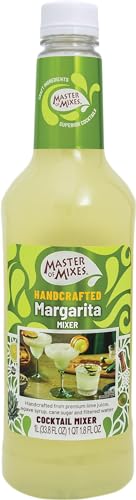
- Master of Mixes Margarita Mix — Best Classic Margarita Base
- Fever-Tree Tonic Water, 5.1 Fl Oz Cans (24 Pack) — Best Overall
- Fever-Tree Light Tonic Water, 5.1 Fl Oz Cans (24 Pack) — Best Light Pick
- Fever-Tree Tonic Water, 6.8 Fl Oz Bottles (24 Pack) — Best for Gin and Tonic
- Fever-Tree Premium Indian Tonic Water, 16.9 Fl Oz (Pack of 8) — Best Premium
Read the full guide ↓ for the detailed review, strengths and trade-offs, and best-for verdict on every pick.
The hunt for the best low sugar mixers runs into an honest problem immediately: mixer is a shelf of very different products, and low sugar means something different on each of them. A tonic water can be reformulated lighter while keeping its bitter identity. A margarita mix is a sweetened fruit product by design, where the saving is made by serve design — portion, dilution and fresh citrus — rather than by the bottle alone. This guide treats both truths plainly, comparing six real products: Fever-Tree’s standard and light tonics in cans and bottles, its premium Indian tonic, and two margarita mixes used the way a careful host actually uses them.
The principle underneath every pick is that flavour structure replaces sweetness. Bitterness from real quinine, acidity from fresh citrus, aroma from botanicals and garnish, cold and carbonation — these are the sensations that make a long drink feel complete, and none of them is sugar. A mixer chosen for its structure lets you pour leaner serves that taste intentional. A mixer chosen only for a label claim, with no structure of its own, produces thin drinks that send you back to the sweet ones.
One scope note before the pours. This is the beverage sense of the word mixer; the audio sense — consoles by brands such as Mackie — is a different guide entirely, at Best Mackie Mixers. Here, everything is drinkable, every pick is non-alcoholic as sold, and the goal is a home bar that drinks lighter without drinking worse.
Key Takeaways
- Flavour structure — quinine bitterness, citrus acidity, botanicals, carbonation and cold — is what lets a leaner serve taste complete.
- Fever-Tree Light tonic is the specifically light formulation in this guide; its own listing states 30 calories per can.
- Single-serve cans are portion control by design: one can is one tall drink, at full carbonation every time.
- Standard tonics and classic margarita mixes earn their place through serve design: measured pours, fresh lime, plenty of ice and soda lengtheners.
- Margarita mixes are sweetened fruit products by nature; treat them as the fruit component of the drink, not the whole drink.
In this guide
Quick Picks
Six mixers forming one small system: an everyday light tonic, classic tonics in two formats, a premium flagship, and two margarita bases for citrus-and-fruit nights. Badges match the detailed reviews.
| Badge | Pick | Why it earns its place |
|---|---|---|
| Best for Fruit Cocktails | Zing Zang Strawberry Margarita-Daiquiri Mix | A real-fruit-juice strawberry mix for margaritas and daiquiris — use it in measured pours and lengthened serves to keep sweetness in check. |
| Best Classic Margarita Base | Master of Mixes Margarita Mix | The straightforward 1-liter margarita standard — a consistent base you control with fresh lime, ice and dilution. |
| Best Overall | Fever-Tree Tonic Water, 5.1 Fl Oz Cans (24 Pack) | Real-quinine tonic in single-serve cans — portion control built into the packaging, with bitterness that lets a leaner serve still taste complete. |
| Best Light Pick | Fever-Tree Light Tonic Water, 5.1 Fl Oz Cans (24 Pack) | The specifically light formulation in the same single-serve can — the listing itself notes 30 calories per can. |
| Best for Gin and Tonic | Fever-Tree Tonic Water, 6.8 Fl Oz Bottles (24 Pack) | The classic serve in glass: a slightly larger bottle pour for the traditional gin and tonic ritual. |
| Best Premium | Fever-Tree Premium Indian Tonic Water, 16.9 Fl Oz (Pack of 8) | The large-format flagship tonic, made with no artificial sweeteners, flavourings or preservatives — for batching and best bottles. |
How These Picks Were Chosen
Picks were verified against their published listings — brand, format, pack size and the claims each product makes about itself — and chosen to cover the real jobs of a lower-sugar home bar rather than to repeat one product six times. Fever-Tree dominates the tonic side because it is the rare mainstream line offering both a standard real-quinine tonic and a specifically light formulation in sensible formats; the margarita side is represented by two established mixes whose role in a leaner bar is explained honestly rather than exaggerated.
Nutrition discipline in this guide is strict. No sugar, calorie or carbohydrate figure is stated for any product unless the product’s own listing states it — which is why exactly one such figure appears in these pages, attached to the Light tonic whose listing prints it. Everything else is discussed qualitatively: formulation intent, flavour structure, format and serve design. Readers should always confirm current labels on the product page, because recipes in this category are reformulated and the label, not any guide, is the authority.
This is research-led guidance based on published product information and established mixing practice, not laboratory analysis or personal medical advice; anyone managing a health condition should treat ingredient labels and professional guidance as decisive. Within that frame, the ordering below reflects usefulness to the keyword’s intent: the light tonic and its portion-controlled siblings first in spirit, the classic bases placed where a thoughtful host would actually reach for them. The vodka-specific application of the same shelf is developed at Best Low Sugar Mixers For Vodka.
The 6 Best Low Sugar Mixers, Reviewed in Detail

Zing Zang Strawberry Margarita-Daiquiri Mix
Badge: Best for Fruit Cocktails
Strengths
- Made with real fruit juices, so flavour comes from fruit rather than flavouring alone
- One bottle covers both margaritas and daiquiris, simplifying a small home bar
- Non-alcoholic format means it pours equally well into zero-proof serves
Trade-offs
- A fruit cocktail mix is inherently a sweeter format — portion discipline, not the bottle, does the sugar-saving
- Strawberry-forward flavour suits berry serves and will fight delicate, spirit-led drinks
- A single 32 fl oz bottle disappears quickly at a party; plan quantities honestly
At a glance: 32 fl oz bottle, pack of 1; Non-alcoholic cocktail mix; Made with real fruit juices; Made in USA; Listed for margaritas and daiquiris.
Every low-sugar shelf needs one honest fruit option, because a margarita night does not run on tonic water. The Zing Zang strawberry mix earns this slot on the quality of its base: it is made with real fruit juices, which matters more to flavour than any sweetener decision. Fruit juice brings acidity, aroma and body along with its sweetness, so a measured pour tastes complete rather than thin — and completeness is what lets a smaller pour satisfy, which is the whole practical secret of lower-sugar mixing.
Use it with intention. In a margarita, let fresh lime do the structural work and treat the mix as the fruit component rather than the whole drink; in a daiquiri serve, lengthen it over plenty of ice with a soda top and the strawberry reads as refreshment instead of dessert. Because the mix is non-alcoholic, the same bottle serves the zero-proof glass with identical care — a genuinely useful property at mixed gatherings where the alcohol-free drink is too often an afterthought.
The trade-off is written on the format itself: a strawberry daiquiri mix will never be the driest bottle in this guide, and pretending otherwise would be dishonest. Its place here is as the controlled indulgence — the fruit mix you choose deliberately, pour measurably, and stretch with ice, citrus and soda. Readers building a full lower-sugar bar will pair it with the tonics below; readers whose event is a stage rather than a bar cart are, confusingly but commonly, looking for the audio shelf covered at Best Low Cost Dj Mixers.
Best for: Hosts who want one fruit mix for margaritas, daiquiris and zero-proof party serves / Not suited for: Anyone seeking a strictly dry, tonic-style mixer
Master of Mixes Margarita Mix
Badge: Best Classic Margarita Base
Strengths
- A classic, predictable margarita profile that behaves the same way every time you pour
- The 1-liter bottle is a practical party quantity for a house margarita batch
- A simple base invites fresh lime and salt to do the flavour work you control
Trade-offs
- A conventional margarita mix rather than a specifically light formulation — manage sweetness by serve design
- The plain listing gives little ingredient storytelling, so buy it as a workhorse, not a discovery
- Once opened, a liter bottle wants a plan; it suits gatherings better than occasional single drinks
At a glance: 1 liter bottle; Margarita mix; Master of Mixes brand.
Master of Mixes is one of the familiar names of the American home bar, and this 1-liter margarita mix is its straightforward classic: a consistent, ready base for the country’s most-ordered cocktail. In a guide about drinking with less sugar, a conventional base earns its place through controllability. A mix that tastes the same in every bottle lets you design the serve around it — more fresh lime for brightness, a longer pour of ice and a soda lengthener for dilution, a salted rim for contrast — and land the sweetness where you intend, glass after glass.
Batching is where the liter bottle makes sense. A pitcher built on a known base, sharpened with fresh citrus and served over fresh ice, gives a host consistency that per-glass improvisation rarely matches, and consistency is what lets you deliberately build the batch leaner than the standard serve. Taste the batch before guests arrive, adjust with lime rather than more mix, and chill everything; cold suppresses perceived sweetness, which works in your favour.
Be clear about what it is not: this is not a specifically light or diet formulation, and this guide will not pretend otherwise. It is the classic reference point — the base against which lighter serves are designed. If your household’s margarita is an occasional single glass rather than a gathering pitcher, the smaller-format tonics below will suit your rhythm better; if margarita night is a social institution, this is its dependable foundation.
Best for: Hosts batching classic margaritas who will balance the glass with fresh citrus themselves / Not suited for: A solo drinker seeking single-serve, specifically light mixers

Fever-Tree Tonic Water, 5.1 Fl Oz Cans (24 Pack)
Badge: Best Overall
Strengths
- Single-serve cans are natural portion control — one can, one tall drink, no open bottle going flat
- Real quinine bitterness balances the drink, so flavour reads complete without leaning on sweetness
- Subtle citrus and fruit notes suit both gin and vodka serves per the listing
Trade-offs
- A standard tonic rather than the line’s light formulation; the Light pick below exists for stricter briefs
- A 24-can case is a commitment of shelf space for small households
- Can format suits home bars better than formal glass-bottle presentation
At a glance: 24 pack; 5.1 fl oz cans; Real quinine; Listed for gin and tonic or vodka and tonic; Flavour notes listed as subtle citrus and fruit balanced by quinine bitterness.
If one bottle — well, one case — had to stock a lower-sugar-leaning home bar, it would look like this. Fever-Tree built its name on a simple proposition: a mixer should taste of its defining ingredient, and tonic should taste of quinine. That bitterness is the low-sugar drinker’s quiet ally. A drink whose flavour is carried by bitterness, citrus and botanical notes does not need sweetness to feel finished, which is why a properly bitter tonic lets you pour a longer, leaner serve that still tastes like a decision rather than a compromise.
The format is the second argument. A 5.1 fl oz can is a single tall drink: open it, pour it over ice with your spirit and a wedge of citrus, and the portion has made itself. There is no half-flat liter bottle in the fridge door inviting a heavier hand next time, and the carbonation — a real component of how refreshing a tonic serve tastes — is at full strength in every glass. For households, that combination of flavour structure and portion structure is why this pick leads the guide.
Honesty requires one distinction: this is Fever-Tree’s standard tonic, not its light line, and the Light cans below are the stricter choice for drinkers counting every gram. The standard can’s role is the house default — the tonic for the gin drinker who wants the classic profile, the vodka serve examined at Best Low Sugar Mixers For Vodka, and the guest whose drink you are not going to redesign. A bar needs both kinds of bottle; it should default to the one most glasses actually want.
Best for: Most households: a versatile house tonic for gin and vodka serves with built-in portion sense / Not suited for: Anyone who wants the line’s specifically light formulation as their default

Fever-Tree Light Tonic Water, 5.1 Fl Oz Cans (24 Pack)
Badge: Best Light Pick
Strengths
- The line’s light formulation for drinkers who want the leanest tonic serve in this guide
- The listing notes 30 calories per can, stated plainly on the product itself
- Mexican bitter orange and balanced botanicals keep the flavour crisp rather than thin
Trade-offs
- A lighter profile will taste leaner than the standard tonic to drinkers used to the classic serve
- Still a stocked-case purchase, with the same shelf-space commitment as its sibling
- Botanical subtlety can be lost under heavily flavoured spirits or aggressive garnishes
At a glance: 24 pack; 5.1 fl oz cans; Light tonic formulation; Real quinine; Listing notes 30 calories per can; Flavour notes listed as Mexican bitter orange with balanced botanicals.
This is the pick the keyword was written for. Fever-Tree’s Light tonic takes the same real-quinine foundation as the standard cans and reformulates it leaner — the product listing itself states 30 calories per can, the only calorie figure quoted in this guide because it is the one figure the product states about itself. A hint of Mexican bitter orange and the line’s balanced botanicals do the flavour work, keeping the serve crisp and aromatic rather than merely less.
In the glass, the light formulation rewards the drinks it was designed for. A gin and tonic built on it tastes botanical-forward, with the gin’s own aromatics given more room; a vodka tonic becomes a clean, dry, citrus-edged refresher. Serve it cold, over fresh ice, with the garnish treated as an ingredient — a strip of citrus peel expressed over the glass genuinely changes what you taste, and in a leaner drink those aromatic decisions carry proportionally more of the pleasure.
The compromise is real but narrow: drinkers raised on the standard tonic will notice the leaner body, at least for the first few serves. Most adjust quickly, because bitterness and carbonation — the sensations that make tonic taste like tonic — are fully present. For the household whose default serve is a tonic drink several nights a week, this is the case to keep stocked, and it anchors the vodka-specific shortlist at Best Low Sugar Mixers For Vodka as well.
Best for: Drinkers who want a specifically light tonic as their everyday gin or vodka mixer / Not suited for: Traditionalists who prefer the standard tonic’s fuller profile

Fever-Tree Tonic Water, 6.8 Fl Oz Bottles (24 Pack)
Badge: Best for Gin and Tonic
Strengths
- Glass-bottle presentation suits the classic gin and tonic ritual and the table alike
- The 6.8 fl oz pour matches a generously iced highball without a second opening
- Real quinine and the line’s citrus-fruit balance deliver the reference tonic profile
Trade-offs
- Glass is heavier and breakable — a case is a considered purchase, not a casual one
- A larger single serve than the cans, so portion discipline is the drinker’s job
- Standard rather than light formulation; stricter briefs belong with the Light pick
At a glance: 24 pack; 6.8 fl oz bottles; Real quinine; Listed as perfect in a gin and tonic or vodka and tonic; Flavour notes listed as subtle citrus and fruit balanced by quinine bitterness.
Some drinks are rituals, and the gin and tonic is chief among them: the cold bottle, the long pour over cracking ice, the garnish chosen to argue with the gin’s botanicals. Fever-Tree’s bottled tonic is the format that ritual evolved around. At 6.8 fl oz the bottle is a full highball serve, the glass keeps the carbonation pristine, and the tonic itself — real quinine, subtle citrus and fruit notes held against deliberate bitterness — is the profile against which other tonics are judged.
Within a lower-sugar conversation, the bottled standard tonic plays a specific role: it is the control glass. Its bitterness-led balance demonstrates the guide’s central claim — that flavour structure, not sweetness, is what makes a long drink satisfying — in its most classic form. Build this serve well, with cold ingredients, fresh ice and a considered garnish, and it becomes the benchmark that shows a drinker how little sweetness a great tonic serve actually needs.
The costs are practical rather than qualitative. Glass cases are heavy, storage is real, and the pour is more generous than the single-serve cans, so the portion discipline the cans automate becomes a habit the drinker supplies. Households that drink tonic nightly and lean will live in the Light cans; households that treat the gin and tonic as an occasion will keep these bottles for it. Both instincts are correct, and a well-run home bar often honours each in its season.
Best for: Gin drinkers who serve the classic highball and care about the ritual of the pour / Not suited for: Households optimising purely for the leanest possible serve

Fever-Tree Premium Indian Tonic Water, 16.9 Fl Oz (Pack of 8)
Badge: Best Premium
Strengths
- No artificial sweeteners, flavourings or preservatives, per the listing — a clean-label premium tonic
- The 16.9 fl oz format suits batching tonic serves for a group from one bottle
- Premium Indian tonic positioning pairs with your best gin rather than your everyday pour
Trade-offs
- Large bottles lose carbonation after opening, so plan to use one within the occasion
- Premium positioning means it is the considered purchase of this guide, not the daily default
- Standard formulation — the Light cans remain the stricter low-sugar choice
At a glance: Pack of 8; 16.9 fl oz bottles; Premium Indian tonic water; No artificial sweeteners, flavourings or preservatives per the listing.
Every category has a flagship, and Fever-Tree’s Premium Indian tonic — the bottling the brand was founded on — is this one’s. Its listing leads with what is absent: no artificial sweeteners, no artificial flavourings, no preservatives. For the drinker whose low-sugar interest is really a broader ingredient-awareness, that clean-label stance is the point of the product, and the 16.9 fl oz format aims it at occasions: a round of gin and tonics built from one bottle, at one moment, at full carbonation.
Use it where it flatters. This is the tonic for the best gin in the house, for the first serve of the evening, for the batched pitcher at a garden party where tonic is the drink rather than an ingredient. Its larger format rewards planning — chill the bottles thoroughly, build the serves in one round, and do not leave a half-used bottle to flatten in the fridge door for a fortnight, because carbonation is perishable and this product deserves its bubbles.
As with the other standard tonics here, the premium label is about ingredient quality and flavour, not a light formulation; the Light cans remain the guide’s strictest pour. Think of the shelf this guide builds as a small system: Light cans for the everyday, standard cans and bottles for the classic serve, this flagship for occasions, and the two margarita mixes for the fruit-and-citrus nights. That system, used with the serve-design habits in the how-to section, is what drinking with less sugar actually looks like in practice. Readers who wandered here from audio research should note the other mixer shelf lives at Best Mackie Audio Mixers, and it will not improve a gin and tonic.
Best for: Hosts batching tonic serves and drinkers pairing a flagship tonic with a favourite gin / Not suited for: Solo drinkers who open a bottle for one glass at a time
Comparison Table
The shelf side by side. Read the format column as carefully as the product column — in this category, packaging is a portion-control tool, not a detail.
| Pick | Badge | Key attributes | Availability |
|---|---|---|---|
| Zing Zang Strawberry Margarita-Daiquiri Mix | Best for Fruit Cocktails | Fruit margarita/daiquiri mix; 32 fl oz; real fruit juices | Check on Amazon |
| Master of Mixes Margarita Mix | Best Classic Margarita Base | Classic margarita base; 1 liter bottle | Check on Amazon |
| Fever-Tree Tonic Water, 5.1 Fl Oz Cans (24 Pack) | Best Overall | Standard tonic; 24 x 5.1 fl oz cans; real quinine | Check on Amazon |
| Fever-Tree Light Tonic Water, 5.1 Fl Oz Cans (24 Pack) | Best Light Pick | Light tonic; 24 x 5.1 fl oz cans; listing notes 30 cal/can | Check on Amazon |
| Fever-Tree Tonic Water, 6.8 Fl Oz Bottles (24 Pack) | Best for Gin and Tonic | Standard tonic; 24 x 6.8 fl oz glass bottles | Check on Amazon |
| Fever-Tree Premium Indian Tonic Water, 16.9 Fl Oz (Pack of 8) | Best Premium | Premium Indian tonic; 8 x 16.9 fl oz; clean-label listing | Check on Amazon |
How to Choose the Right Low Sugar Mixer
Start from the drink, not the label. Tonic drinks, margaritas and fruit serves are different constructions, and no single mixer serves them all. Decide which two or three drinks your household actually makes, then stock for those: a light tonic and a classic tonic cover the highball family; one margarita base covers the citrus family; a fruit mix covers daiquiri-style serves. A bar stocked by drink, rather than by browsing, stays small, fresh and honest.
Understand the two kinds of low-sugar strategy. The first is formulation: a product made lighter by design, like the Light tonic in this guide, whose own listing states its per-can figure. The second is serve design: a standard product poured with discipline — measured measures, generous ice, fresh citrus doing structural work, soda water lengthening the glass. Both strategies are legitimate, and most good home bars run them together: light products for the everyday serve, serve design for the classics and occasions.
Let bitterness and acidity carry flavour. When you taste-test mixers, taste for structure. Does the tonic’s bitterness linger pleasantly? Does the margarita base have enough citrus character to balance at a modest pour? Products with structure taste complete at smaller measures; products without it demand volume. This single tasting habit predicts your satisfaction with a lower-sugar shelf better than any front-of-pack claim.
Buy formats that match your rhythm. Nightly tonic drinkers should live in single-serve cans: freshness, carbonation and portions all solve themselves. Occasion hosts can hold glass bottles for the ritual serve and a large-format premium for batching. Margarita households that entertain should buy the liter; households that make one margarita a month should question whether a mix belongs in their bar at all, against fresh lime, a good orange liqueur and a measured hand with agave. The right format is the one that gets finished fresh — a mixer poured flat or stale makes any formulation taste like a compromise.
How to Mix Balanced Low-Sugar Drinks
Step 1 — Chill everything. Cold is a flavour ingredient in lean drinks. Refrigerate mixers, chill glasses when you can, and use plenty of fresh ice — a glass packed with ice melts slower and dilutes less than a glass with three cubes swimming. Warm, under-iced serves taste sweeter and flabbier than the same recipe built cold, which quietly sabotages a lower-sugar intention.
Step 2 — Build on structure: spirit, citrus, mixer, length. For a tonic serve: spirit over ice, a squeeze of fresh citrus, tonic poured gently down the side to keep its carbonation, and a garnish expressed over the surface. For a margarita serve: spirit, fresh lime juice doing real structural work, a measured pour of mix as the fruit-and-sweetness component, shaken or stirred hard with ice. In both families the order of thinking is the same — acidity and aroma first, sweetness last and least.
Step 3 — Lengthen before you sweeten. When a drink tastes thin, the instinct is to add mix; the better move is to lengthen. A soda-water top adds volume, carbonation and refreshment while stretching the flavours you already have across a taller glass. A longer drink also lasts longer, which for most social drinking is the actual goal. Reserve additional mix for when the drink genuinely tastes unbalanced, not merely modest.
Step 4 — Taste and adjust with citrus and salt. A squeeze of lime brightens a flat serve; a tiny pinch of salt — or a salted rim on a margarita — suppresses bitterness perception and makes existing flavours read fuller, often removing the urge to sweeten. Adjust in that order: cold, citrus, salt, and only then sweetness, in small increments.
Troubleshooting. Problem: the drink tastes thin and watery → use more ice, colder ingredients and a shorter, more concentrated build rather than a bigger mixer pour. Problem: the drink tastes harsh → check balance before sweetness; a little more citrus or a pinch of salt usually rounds it. Problem: the tonic serve goes flat → pour gently, serve immediately, and prefer single-serve cans opened at the moment of building.
Finally, keep the zero-proof serve at the same standard. Every mixer in this guide is non-alcoholic as sold, so the alcohol-free glass can be built with identical structure — tonic, citrus, garnish, ice, attention — rather than poured as an apology. Hosts who serve both versions side by side, as the strawberry mix’s review suggests, find the lower-sugar bar and the inclusive bar turn out to be the same bar.
Reading Mixer Labels Without Being Misled
Mixer marketing speaks in halos: light, premium, natural, craft. The label itself speaks in facts, and the discipline of this guide — repeat only what the product states about itself — is one worth adopting at home. Look for the formulation’s intent in the product’s own name and description: a line that publishes a Light variant and states its per-can figure is making a checkable claim. A classic product with no such claim is not worse; it is simply playing a different role, and your serve design supplies the discipline.
Ingredient awareness follows the same rule. The premium tonic in this guide states the absence of artificial sweeteners, flavourings and preservatives on its own listing — a concrete, verifiable stance. For everything else, the current product page and the physical label at delivery are the authorities, because this category reformulates often. A guide can teach you how to choose; only the label can tell you what you chose.
Building a Small Low-Sugar Home Bar That Stays Fresh
The enemy of the home bar is not sugar; it is staleness. A dozen open bottles, each flattening or fading, produce worse drinks than four fresh ones. Build the bar as this guide’s picks suggest — a system, not a collection: light tonic cans as the daily driver, a classic tonic for the traditional serve, one premium bottle for occasions, one margarita base, one fruit mix. Five products, five jobs, everything turning over while it is still itself.
Support them with the fresh infrastructure that makes lean drinks taste generous: real citrus bought weekly, a soda supply for lengthening, good ice in quantity, and garnishes treated as ingredients. That infrastructure, more than any single bottle, is what separates a lower-sugar bar that feels like a downgrade from one guests ask about. Refresh the system seasonally — strawberry serves in summer, the premium tonic when the best gin comes out — and let turnover, not accumulation, be the sign of a bar that is used and loved.
Soda Water, Citrus and Salt: The Supporting Cast
Three humble ingredients do more for a lower-sugar bar than any additional bottle. Soda water is the first: it lengthens a serve, adds carbonation and refreshment, and stretches a measured pour of any mix in this guide across a taller, slower glass. Keep it cold and in good supply, and treat it as a mixer in its own right rather than a diluent of last resort. Many households discover their favourite serve of all is half tonic, half soda over a good spirit — a construction no product sells and every thoughtful host can build.
Fresh citrus is the second. Lime and lemon juice provide the acidity that structures a drink, and acidity is the sensation most often missing when a lean serve tastes flat. Bottled juice in an emergency is forgivable; fresh juice as the standard is transformative, and it costs less than any bottle in this guide. Salt is the third and the most underestimated: a pinch in a margarita build, or a rim on the glass, heightens every other flavour present and quietly reduces how much sweetness the palate asks for. Cold, acid, salt, soda — master those four levers and the sugar question mostly answers itself.
Seasonal Drinking on a Lower-Sugar Shelf
A small shelf stays interesting by moving with the year. Spring belongs to the tonics at their most aromatic — the Mediterranean bottle with its rosemary note is practically a season in a glass, and the light cans carry the first garden evenings. Summer is the strawberry mix’s moment, built long over ice with soda and lime, and the premium tonic’s, when the best gin comes out for the longest evenings. The classic bottled serve owns the ceremonial end of the year, when drinks are built slowly and drunk slower.
Rotation is also a freshness strategy. A five-product system, each product in its season of heaviest use, never sits long enough to stale — the failure mode of the ambitious twelve-bottle bar. Let the calendar, rather than accumulation, provide the variety, and a lower-sugar shelf remains what it should be: not a restriction to endure, but the way your household happens to drink well.
Hosting with a Lower-Sugar Bar: A Short Playbook
Hosting well on a leaner shelf is mostly choreography. Set the bar where guests can watch drinks being built; the theatre of ice, citrus and a careful pour signals generosity more loudly than any bottle count. Offer the tonic serves first and build them properly, margaritas as the second movement, and keep the zero-proof versions visibly equal in care. Put water on the table without being asked, and food within reach early — the two oldest hospitality technologies, and the ones guests remember longest.
Quantities reward a moment’s arithmetic. A tonic-drinking guest accounts for roughly a can a round; a case therefore covers a small gathering’s evening with the premium bottles reserved for the first round, when palates are freshest. Margarita nights run through the liter faster than hosts expect once a pitcher is in play, so build pitchers one at a time and taste each — freshness beats volume. End the evening with the kettle or the coffee, not another round by default. A lower-sugar bar, hosted this way, does not feel like a theme. It feels like a house that knows how to drink.
A Note on Sweetness, Preference and Time
Palates change at their own pace, and a lower-sugar bar works best as an invitation rather than a verdict. Drinkers who move from fully sweetened serves to structured, leaner ones usually pass through a fortnight of noticing the difference before the new serves simply become their taste. The tonics and techniques in this guide are built for that transition: bitterness and aroma arrive immediately, even while sweetness is still missed, so the new glass has something to offer from the first sip. Be patient with guests, generous with garnish, and exact with ice and citrus. Preference follows pleasure, and pleasure, in a well-built lean drink, is not in short supply.
Common Buying Mistakes
- Judging a mixer by its front-of-pack halo instead of its formulation and its own stated facts.
- Pouring mix as the whole drink in a margarita, instead of letting fresh lime carry the structure.
- Serving tonic warm or under-iced, then compensating for the flat taste with a heavier pour.
- Leaving large bottles to flatten after opening while expecting the next serve to taste like the first.
- Stocking a dozen mixers that all go stale instead of a small system that turns over fresh.
- Forgetting the zero-proof serve until a guest asks, then offering something careless.
Final Recommendation
Build the bar around Zing Zang Strawberry Margarita-Daiquiri Mix if fruit serves are your household’s joy — used in measured pours and lengthened glasses, it is the controlled indulgence done properly — but let Master of Mixes Margarita Mix be the classic margarita foundation for gathering nights, balanced with fresh lime by your own hand. For the everyday tonic drinker, the heart of this guide is Fever-Tree Light Tonic Water, 5.1 Fl Oz Cans (24 Pack): real-quinine structure in a portion-controlled can, with the Light variant one shelf over when the brief is strictest. Choose the system, learn the serve design, and low sugar stops being a restriction and becomes simply how your bar tastes.
Related guides
Frequently Asked Questions
What makes a mixer low sugar?
Two different things, and the distinction matters. Some products are formulated lighter by design — a light tonic is the clearest example in this guide, with its figure stated on its own listing. Others are standard products used with serve discipline: measured pours, fresh citrus, generous ice and soda lengthening. A good lower-sugar bar uses both approaches deliberately.
Is tonic water a low-sugar mixer?
Standard tonic is a sweetened mixer whose saving grace is structure: real quinine bitterness lets a serve taste complete without leaning on sweetness, and single-serve cans automate the portion. For a specifically lighter formulation, choose a light tonic such as the Fever-Tree Light pick in this guide.
How do I make a margarita with less sugar?
Let fresh lime juice carry the drink’s structure, treat the mix as the fruit-and-sweetness component at a measured pour, shake hard with plenty of ice, and consider a soda lengthener or a salted rim for contrast. Cold, acidity and salt all reduce how much sweetness a balanced margarita needs.
Can these mixers be used for non-alcoholic drinks?
Yes. Every pick in this guide is non-alcoholic as sold, and the same building method — ice, citrus, mixer, garnish, attention — produces a proper zero-proof serve. The strawberry mix and the tonics are particularly well suited to alcohol-free builds.
Why does this guide state only one calorie figure?
Because only one product’s own listing states one. Nutrition figures belong to labels, and this guide repeats a figure only where the product publishes it about itself. For any other product, check the current label on the product page — formulations in this category change, and the label is the authority.
Should I buy cans or bottles of tonic?
Cans suit daily drinking: single serves, full carbonation, natural portions, easy storage. Bottles suit the classic serve and the table: the ritual pour, a slightly larger highball measure, and glass presentation. Many households keep cans for themselves and bottles for guests.
What is the difference between standard and premium tonic?
In this guide the premium pick distinguishes itself by its stated clean-label stance — no artificial sweeteners, flavourings or preservatives per its listing — and its larger occasion format. Premium here describes ingredient positioning and format, not a lighter formulation; the light cans remain the leanest pour.


