Disclosure: As an Amazon Associate, Reviews Took earns from qualifying purchases. Links to Amazon on this page are affiliate links; they cost you nothing extra.
Check pulp handling and feed chute size.
This guide is built from Amazon product listings and maker specs, not our own testing, so confirm size, contents and current price on each product page. Health products are for general information and are not medical advice.
Check the current price on Amazon before you buy, as prices can change.
Last updated: November 2, 2026.
In this guide
Quick Picks
| Product | Type | Best for |
|---|---|---|
| Juicer Machines Juilist 3″ Wide Mouth Max 800W 3-Speed 400W | Juicer | fresh juice |
| Ninja NeverClog Cold Press Juicer 24oz Jug 36oz Pulp Navy JC151NV | Juicer | fresh juice |
| YPONE Juicer Machines 2-in-1 Cold Press Juicer Easy to Clean | Juicer | fresh juice |
| AMZCHEF Cold Press Juicer 6.5″ Whole Fruit Self-Feeding Slow | Juicer | fresh juice |
| Godspeeds Smoothpress Cold Press Juicer 300W Easy Clean with Wide | Juicer | fresh juice |
| LEBENLANG Orange Juicer Electric – 2 cones & BPA-free I High | Juicer | fresh juice |
| Elite Gourmet 24 oz Electric Citrus Juicer 40W BPA-Free Pulp | Juicer | fresh juice |
Our Picks
Top pickBest for fresh juice
1. Juicer Machines Juilist 3″ Wide Mouth Max 800W 3-Speed 400W
A Juicer Machines Juilist 3″ Wide Mouth Max 800W 3-Speed 400W (juicer), per the listing. Check price on Amazon for the current price.
Good for: fresh juice. Watch out: Cleanup takes time.
Best for fresh juice
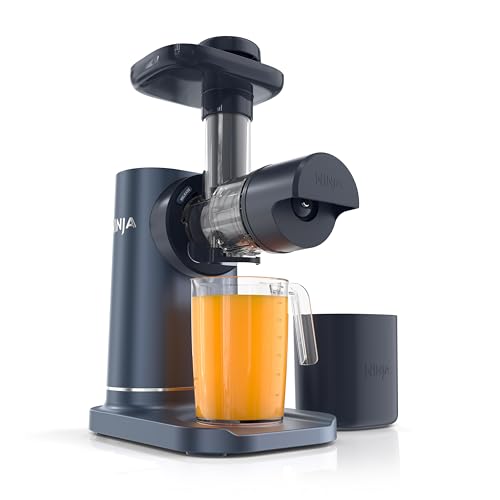
2. Ninja NeverClog Cold Press Juicer 24oz Jug 36oz Pulp Navy JC151NV
A Ninja NeverClog Cold Press Juicer 24oz Jug 36oz Pulp Navy JC151NV (juicer), per the listing. Check price on Amazon for the current price.
Good for: fresh juice. Watch out: Cleanup takes time.
Best for fresh juice
3. YPONE Juicer Machines 2-in-1 Cold Press Juicer Easy to Clean
A YPONE Juicer Machines 2-in-1 Cold Press Juicer Easy to Clean (juicer), per the listing. Check price on Amazon for the current price.
Good for: fresh juice. Watch out: Cleanup takes time.
Best for fresh juice
4. AMZCHEF Cold Press Juicer 6.5″ Whole Fruit Self-Feeding Slow
An AMZCHEF Cold Press Juicer 6.5″ Whole Fruit Self-Feeding Slow (juicer), per the listing. Check price on Amazon for the current price.
Good for: fresh juice. Watch out: Cleanup takes time.
Best for fresh juice
5. Godspeeds Smoothpress Cold Press Juicer 300W Easy Clean with Wide
A Godspeeds Smoothpress Cold Press Juicer 300W Easy Clean with Wide (juicer), per the listing. Check price on Amazon for the current price.
Good for: fresh juice. Watch out: Cleanup takes time.
Best for fresh juice
6. LEBENLANG Orange Juicer Electric – 2 cones & BPA-free I High
A LEBENLANG Orange Juicer Electric – 2 cones & BPA-free I High (juicer), per the listing. Check price on Amazon for the current price.
Good for: fresh juice. Watch out: Cleanup takes time.
Best for fresh juice
7. Elite Gourmet 24 oz Electric Citrus Juicer 40W BPA-Free Pulp
An Elite Gourmet 24 oz Electric Citrus Juicer 40W BPA-Free Pulp (juicer), per the listing. Check price on Amazon for the current price.
Good for: fresh juice. Watch out: Cleanup takes time.
How to Choose
Size and capacity
Pick a size that fits your household.
Power and speed
Check wattage and settings.
Cleaning
Removable, dishwasher-safe parts help.
Centrifugal, Cold Press and Citrus Juicers Compared
Juicers extract juice in different ways, and the method affects speed, noise, yield and effort. Centrifugal juicers use a fast-spinning blade and a strainer. They are quick and often have wide chutes for whole fruit, but they can be loud and tend to leave more moisture in the pulp. Cold press juicers, also called slow or masticating juicers, squeeze produce with a slow auger. They tend to be quieter and often get more juice from leafy greens and soft produce, though they work more slowly and may need more chopping.
Citrus juicers are a separate category. They press or reamer halved citrus fruits and are simple, compact and easy to clean. They do well with oranges, lemons and grapefruit, but they do not handle carrots, apples or greens. If you mostly want orange juice in the morning, a citrus model may be all you need.
Several models in this guide are described as cold press or slow juicers, and some include self-feeding or wide-mouth features. Wide chutes reduce chopping, which saves preparation time, while narrow ones need smaller pieces. Check the chute width in the listing and think about the produce you use.
- Choose centrifugal for speed and convenience.
- Choose cold press for leafy greens and a quieter machine.
- Choose citrus for simple, fast juicing of citrus fruits only.
Be honest about how often you will use it, since a machine that is hard to clean tends to end up in the cupboard.
Yield, Pulp and Texture: What to Expect
People often ask which juicer gives the most juice, but results depend on the produce, preparation and settings. Slow juicers generally leave drier pulp, which can mean more juice from the same amount of fruit. Centrifugal models may leave wetter pulp and produce a foamier juice. Check what the maker says about yield, but treat claims as general, since there are no guaranteed numbers across different produce.
Texture varies. Some machines allow you to adjust the pulp level through filters or screens, giving you smooth juice or a thicker drink with more fiber. Foam can be reduced by letting juice sit briefly or skimming it. If you dislike pulp, look for a model with a fine strainer; if you want more body, choose one with coarser filtration.
Preparation influences results. Wash produce, remove large pits and peel thick or waxed skins if the manual advises. Cut hard produce into pieces that fit the chute, and alternate soft and hard items so the machine does not clog. Leafy greens work better when rolled into a bundle or alternated with firmer produce.
- Drink or store juice soon after making it, as quality declines.
- Use the pulp in soups, baking or compost if you wish.
- Adjust your approach to the produce rather than blaming the machine.
Realistic expectations help you enjoy the juicer you choose.
Cleaning Time, Parts Count and Dishwasher Safety
Cleaning is the biggest reason people stop juicing at home. A machine that takes a long time to clean will not be used every day. Before buying, count the parts that must be washed, check whether they are dishwasher safe and see how easy it is to reach the strainer. Fine mesh screens can be difficult to scrub, and the listing should say whether a brush is included.
Rinse the parts straight after juicing, before pulp dries. A quick rinse under running water makes the final wash much easier. Soak the strainer in warm soapy water if needed, and use the supplied brush to clear pores. Avoid abrasive pads that might scratch plastic parts, and follow the instructions about which parts can go in the dishwasher, since heat can warp some plastics.
Think about the design. Models with fewer parts and smooth surfaces are easier to clean. Wide openings let you reach inside, and parts that disassemble without tools save time. Some slow juicers advertise easy-clean designs, but check the manual for how they work and read user feedback for reality checks.
- Check that the strainer and brush are included.
- Keep the base dry and wipe it with a damp cloth only.
- Dry all parts before reassembling.
Choose a machine whose cleaning routine you can live with, even on busy mornings.
Motor Power, Noise and Counter Space
Power ratings on juicers can mislead. Higher wattage does not automatically mean better juice, because design, speed and the type of mechanism all matter. A slow juicer may have a modest motor but suit its job, while a fast model uses a stronger motor to spin quickly. Check the listing for the type of motor and any stated limits, such as a recommended maximum running time before the motor must rest.
Noise is a practical issue. Centrifugal models can be loud, which matters in a small home or in the early morning. Slow juicers are often described as quieter, but check user comments for real-world feedback. If noise is a concern, consider when you plan to juice and who might be disturbed.
Kitchen fit matters too. Measure the height, since some juicers need clearance under cabinets, especially tall vertical models. Check the base footprint and the space for a pulp container and juice jug. Weight affects whether you can store it in a cupboard or leave it on the counter. A cord of suitable length and a stable base reduce vibration and slipping.
- Check how big the pulp bin and juice jug are.
- Look for non-slip feet and a locking system.
- Note whether the machine has a reverse function to clear clogs.
Do not run the machine empty or beyond the recommended duration, and always unplug it before cleaning.
Safe Use, Storing Juice and When to Replace the Machine
Juicers have sharp or moving parts, so follow the safety instructions. Always assemble the unit properly, since many models will not start unless the lid locks. Use the supplied pusher rather than your fingers, keep hands and utensils away from the chute, and turn the machine off before clearing blockages. Keep children away while it is running.
Fresh juice is perishable. Drink it soon after making it, or store it in a clean, airtight container in the refrigerator. Storage guidance varies, and some juices keep better than others, so follow reputable food safety advice. Wash produce thoroughly before juicing, since there is no cooking step to reduce contamination. People with specific health conditions or dietary needs should seek advice from a qualified professional; this guide is general information.
Know the signs that a juicer is wearing out. Persistent vibration, a motor that strains or smells hot, cracked parts, a strainer with damaged mesh, leaking seals or failing locks are all reasons to stop using it. Check the warranty and whether replacement parts are available. A damaged strainer can allow bits through, and a cracked lid may be unsafe.
When replacing, reconsider your habits. If you rarely used the old one because of cleaning, choose a simpler model. If you juiced often, a sturdier machine may be worth it. Budget models cover basic needs, while pricier ones often offer extra convenience and durability. Pick the one you will use regularly rather than the one with the longest feature list.
Matching a Juicer to the Produce You Buy
The best machine depends heavily on what goes into it. Citrus is the easiest case: oranges, lemons, limes and grapefruit contain loose, watery flesh, and a reamer-style citrus juicer presses out the liquid with very little effort. A slow auger or cold press machine can handle citrus too, but you gain little over a simple press and you spend more time on cleanup.
Hard produce such as carrots, beets and apples is where a masticating machine or a strong centrifugal model earns its place. Leafy greens, wheatgrass and herbs behave differently. They are light and fibrous, and fast spinning blades tend to fling them aside rather than extract juice. A slow auger crushes and squeezes them, which gives a better yield from the same bunch.
- Mostly citrus: a press-style citrus juicer is simple and quick.
- Mostly apples, carrots and other firm produce: centrifugal is fast, and a cold press gives a drier pulp.
- Greens, herbs and soft fruit in the mix: a slow auger machine is the more suitable design.
Feed Chute Size and Prep Time
Chute width changes how much prep you do before each session. A wide mouth, such as the 3 inch opening on the Juilist, lets you drop in whole or halved apples. A narrow chute means chopping everything into strips or small chunks, and that adds minutes every morning. If you juice daily, those minutes add up and become the real reason people stop using a juicer.
Feed style is another trade-off. Self-feeding hoppers, as on the AMZCHEF, let you load a batch and walk away, but they usually take up more counter height and cost more. Manual chutes with a plunger give control and prevent jams, but you stay at the machine while it works.
What to Expect From Pulp and Foam
Pulp dryness is a useful, if imperfect, signal of extraction. A drier pulp means the machine pressed more liquid from the produce. Wetter pulp means juice is still in there, which you can sometimes recover by running it through again. Slow machines tend to produce less foam, which makes the juice look smoother, while fast spinning machines whip in air that settles into a foamy top layer.
Some models include separate filters or a pulp control setting so you can choose between a smooth juice and a thicker, fiber-rich one. If someone in your household dislikes texture, that setting matters more than a few watts of motor power.
Noise, Heat and Oxidation
A faster motor generates more noise and some heat, and both shape how juice tastes and keeps. Oxidation begins once cut produce meets air, so juice made quickly and stored sealed and cold holds flavor longer. Slower machines are quieter, which suits early mornings or shared apartments, but they take longer to process the same quantity.
Practical Ways to Reduce Oxidation
- Fill an airtight glass jar to the very top before refrigerating, leaving little room for air.
- Add a squeeze of lemon, which slows browning in apple and pear juice.
- Keep storage short and drink within a day for the best flavor, unless the product instructions say otherwise.
- Start with chilled produce so the finished juice is cool and tastes fresher.
Cost Per Glass and Whether a Juicer Pays Off
Fresh juice costs more than most people expect, mostly because produce is bulky. A glass of orange juice may take several oranges, and green juices can use a large amount of leaves and stems for a small cup. Before buying, estimate your weekly produce spend and compare it with the juice you would otherwise purchase. If you are juicing mostly for variety and flavor, it makes sense. If your goal is simply to eat more fruit and vegetables, whole produce or a blender keeps the fiber and costs less per serving.
It also helps to think about the leftover pulp. Pulp from carrots, apples and beets can go into muffins, broth, compost or pet-safe treats if you check ingredients first. Having a plan for it reduces waste and makes the machine feel less extravagant.
Warranty, Parts and Long-Term Ownership
Juicers have moving parts and rubber seals that wear out. Before you buy, check the warranty length and whether replacement parts, such as screens, augers and gaskets, can be purchased separately. A low price is less appealing if one cracked part ends the machine’s life. Look for BPA-free plastics on parts that touch food, and keep the instruction manual for cleaning and assembly diagrams, since reassembling a cold press the wrong way is a common cause of poor yield and leaks.
Choosing Based on How You Will Really Use It
Be honest about your routine before you buy. A machine that needs ten minutes of prep and fifteen minutes of cleanup will sit in a cupboard if you only have a few minutes each morning. If you juice once or twice a week for a weekend batch, a slower, more thorough machine makes sense. If you want a fast glass before work, a wide chute, few parts and dishwasher-safe pieces matter more than a few extra percentage points of yield. Households that mainly squeeze citrus for cooking and cocktails are usually best served by a compact citrus press that stores in a drawer. Think about storage too, because tall cold press machines need cabinet clearance and a stable spot with room for the pulp container.
Related guides
- 6 Best Centrifugal Juicers for Daily Use: Fast and Easy
- 6 Best Juicers for Leafy Greens: Slow and Twin-Gear (2026)
- 6 Best Masticating Juicers for Celery: Slow and Cold Press
- 6 Best Stainless Steel Tumblers for Hot and Cold Drinks
Frequently Asked Questions
Is it easy to use?
Most have simple controls.
What do I need extra?
Check included accessories.
Is it safe?
Follow the manual.
Is a cold press juicer better than a centrifugal one?
It depends on your priorities. Cold press models are often quieter and good with greens but slower, while centrifugal models are fast and handle whole produce.
Do I need to peel fruit before juicing?
It depends on the fruit and the manual. Thick or waxed peels, such as citrus, are often removed, while apples and carrots are usually washed and left unpeeled.
How long does fresh juice keep?
It is best soon after making it. If you store it, use a clean airtight container in the fridge and follow food safety guidance.
Can I juice leafy greens in any juicer?
Some handle them better than others. Slow juicers tend to do well, and in any juicer it helps to alternate greens with firmer produce.
Why does my juicer clog?
Fibrous or soft produce can jam the strainer, or pieces may be too large. Cut smaller, alternate textures and use the reverse function if available.
Can I put the juicer parts in the dishwasher?
Only the parts the manual says are dishwasher safe. Hand wash the rest and avoid heat on parts that may warp.
What can I do with leftover pulp?
Pulp can go in soups, muffins, broths or compost. Use it soon or freeze it for later.
Which type of juicer is best for leafy greens?
A slow auger or cold press machine generally handles leafy greens better, because it crushes and presses rather than spinning them away. Fast centrifugal models often extract little from spinach, kale and herbs. Feeding greens alternately with firmer produce, such as apple or carrot, helps push them through the screw.
Is cold press juice actually healthier than centrifugal juice?
The evidence is not strong enough to promise a health advantage. Slow machines can yield more juice and less foam, and some people prefer the taste, but both methods remove most of the fiber. The bigger factors are the produce you use and how soon you drink it.
How much produce do I need for one glass of juice?
It varies with the produce. Roughly, one glass can take two to four oranges, about three medium apples, or a few carrots plus other ingredients. Leafy greens produce very little liquid, so recipes combine them with juicier items. Expect to buy more produce than you might guess.
Can I run a juicer for a long time without a break?
Check the manual. Many home juicers have a recommended maximum run time, often a few minutes at a time, followed by a rest so the motor does not overheat. Citrus juicers and slow machines usually have different limits, so follow the instructions for your specific model.
Bottom Line
Cold press juicers yield more but cost more.
More Kitchen Guides
- Best Programmable Slow Cookers
- Best Multi-Cookers for Home Kitchens
- Best Immersion Circulators for Sous Vide
- Best Ninja and Black+Decker Food Processors
- Best Automatic Bread Makers
- Best Home Ice Cream Machines
- Best Hot Air and Stirring Popcorn Makers
- Best Food Vacuum Sealer Machines