Where to buy
Check the latest price, availability and delivery on Amazon. Orders are placed on Amazon. We may earn a commission from qualifying purchases.
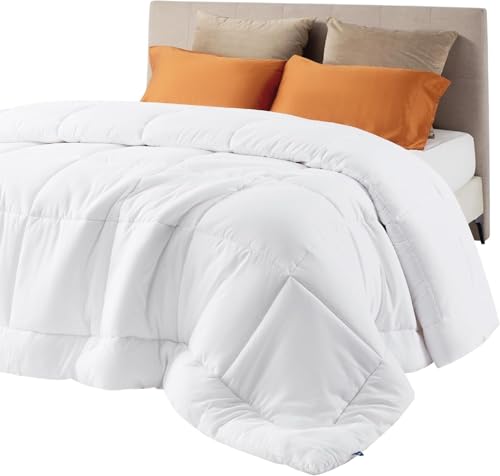
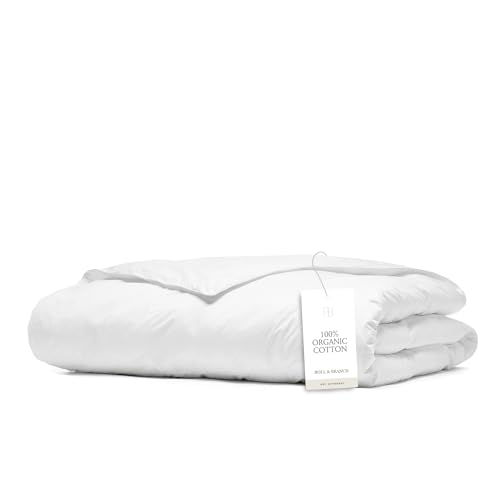
- Best overall: Boll & Branch Down Duvet Insert, Full/Queen, All Season — Check on Amazon
- puredown Goose Down Comforter, 800 Fill Power, Winter Oversized — Check on Amazon
- Continental Bedding Siberian Goose Down Comforter, Queen, 800 Fill Power — Check on Amazon
- Boll & Branch Down Alternative Duvet Insert, Full/Queen, All Season — Check on Amazon
See 2 more Amazon options
- CUDDLE DREAMS Classic Wool Comforter, Midweight, Queen — Check on Amazon
- Globon Winter White Goose Down Comforter, Queen — Check on Amazon
Read the full guide ↓
Disclosure: As an Amazon Associate, topratedkitchenware.com earns from qualifying purchases. Links to Amazon on this page are affiliate links; they cost you nothing extra. Listing details such as price and availability change often, so check the current Amazon listing before you buy.
Here is the honest headline for this budget: no single duvet insert on Amazon verifiably costs $700 in a queen size. We checked listings, price trackers and deal records, and the most expensive queen insert we could verify is the Boll & Branch down insert — check the current price on Amazon. Everything above that line on Amazon is either a king size, a price-history spike on a volatile listing, or a luxury-house duvet that is only sold direct. So this guide does two things. It rounds up the six best premium inserts that genuinely sell at or under this budget — judged as inserts, on the hardware that makes an insert work inside a cover: corner loops and ties, baffle-box construction, and dimensions that match real duvet covers — and then it shows you the sensible ways to spend a $700 budget across two inserts, because at this level a rotation usually beats a single purchase.
One vocabulary note before the picks. On Amazon, “duvet insert” and “comforter” are the same products wearing two names; most listings carry both words. What makes a product a good insert rather than a standalone comforter is not the label but the fittings: loops or tabs at the corners (ideally eight attachment points, not four) that tie to the inside of your duvet cover, a baffle-box shell that keeps fill from pooling at one end, and a stated size that matches your cover within an inch or two. Every pick below was graded on those fittings as well as its fill. Fill claims are treated with the same suspicion throughout: fill power, warmth and loft figures are maker claims unless a reviewer measured them, feather and down fiber is not the same thing as down clusters, and where a maker refuses to publish a number — one famous case below — we say so instead of borrowing a number from somewhere else.
In this guide
Quick Picks
Short on time, or comparing several options at once? Each row below names a buyer type and the product that suits it, with a link to the listing.
| Buyer type | Pick | Why it stands out | Link |
|---|---|---|---|
| Best overall | Boll & Branch Down Duvet Insert, Full/Queen, All Season | The priciest verifiable queen insert on Amazon — check price on Amazon — with corner loops and an organic cotton baffle-box shell | Check on Amazon |
| Best published spec | puredown Goose Down Comforter, 800 Fill Power, Winter Oversized | 93% goose down and a maker-rated 800 fill power, stated on the listing — check price on Amazon | Check on Amazon |
| Best on a price dip | Continental Bedding Siberian Goose Down Comforter, Queen | 800 fill power class down whose price is notably volatile over time, so timing is everything — check price on Amazon | Check on Amazon |
| Best without down | Boll & Branch Down Alternative Duvet Insert, Full/Queen, All Season | PrimaLoft-brand recycled fiber in the same certified organic cotton insert shell — check price on Amazon | Check on Amazon |
| Best natural non-down fill | CUDDLE DREAMS Classic Wool Comforter, Midweight, Queen | Australian wool with eight ties — the most insert hardware in this guide — check price on Amazon | Check on Amazon |
| Best value down | Globon Winter White Goose Down Comforter, Queen | Maker-rated 800 fill power and corner tabs at the accessible end of this guide — check price on Amazon — with an unpublished down ratio | Check on Amazon |
How These Picks Were Chosen
The first filter was verification. Every product below is a real Amazon listing whose queen or full/queen price we could tie to its ASIN through a listing record, a price tracker or dated coverage. Where a well-known premium insert could not be verified that way, it is named without a link and the reason is stated: the Brooklinen down comforter, for example, is widely covered as an Amazon option, but the exact full/queen all-season ASIN could not be isolated from its lightweight and king siblings, so it appears in this guide as a named alternative, not a link. We would rather lose a pick than guess an ASIN.
The second filter was the budget itself, applied honestly. A $700 ceiling does not mean hunting for a $700 product that does not exist; it means premium picks plus sensible combinations. The allocation plans later in this guide pair picks that complement each other, and the remainder of the budget is left deliberately unspent rather than padded with accessories nobody asked for. One pick, the Continental Siberian, is a deliberate straddle: its price has moved above this budget at times, so it is included with a plain instruction to buy it only when its current price sits comfortably within the budget — check the current price on Amazon before you decide.
The third filter was insert fitness. A premium comforter with no corner loops is a mediocre insert: it will bunch, slide and pool inside a cover no matter how good its down is. So each pick was graded on attachment hardware (loops, tabs or ties, and how many), shell construction (true baffle boxes hold fill in place better than sewn-through quilting at high lofts), and dimensions against standard queen duvet covers, which are usually cut around 88–92 inches square. Two picks earn their place largely on hardware — the wool insert’s eight ties and the hero’s corner loops — and one pick, the oversized puredown, carries a size warning for exactly the opposite reason.
Finally, fill honesty. Down products were separated into three classes and never blurred: cluster down (the expensive, lofty kind, stated as a down percentage), down and feather blends with a published ratio, and feather/down fiber — processed, chopped fill that sleeps flatter and cheaper and is not a down comforter in any meaningful sense, whatever the listing headline says. Makers’ fill-power figures are printed as maker claims. And when a maker does not publish a fill power at all, as with our hero, that absence is treated as a fact about the product, not a gap for us to fill in from a reviewer’s estimate without labeling it.
The 6 Best Duvet Inserts Under $700
Boll & Branch Down Duvet Insert, Full/Queen, All Season
Who it suits: Buyers who want the most premium insert Amazon verifiably sells in a queen size, and who value sourcing, shell quality and proper insert fittings over a published fill-power number.
This is the ceiling of the verified market: the full/queen all-season configuration sits at the top of the verified queen range in this guide — check the current price on Amazon, and check which of the three weights the listing is set to before you buy. The fill is responsibly sourced, triple-washed US down; the shell is certified organic long-staple cotton, down-proof, built as true baffle boxes that keep the fill distributed instead of letting it migrate to the foot of the bed; the product is Fair Trade Certified. As an insert it is properly fitted out: the brand confirms four corner loops that tie to the interior ties of a duvet cover, and reviewers who tested it specifically noted the loops made setup inside a cover easy. Unusually for down, the brand’s care guidance is machine wash cold, alone, once a season, and tumble dry low — a genuine practical advantage over the dry-clean-only competition below.
What you are paying for here is provenance and finish rather than a spec sheet: certified sourcing, an organic shell, consistent construction, and a brand that stands behind a 30-night trial on bedding bought through its own channels (Amazon purchases follow Amazon’s terms). The lightweight full/queen is listed at 6.6 lb, and there are three weights, so the “all season” name is a starting point, not a promise — cold sleepers in unheated rooms should look at the midweight or ultraweight configurations and re-check which configuration you have selected on the listing.
- The highest verifiable queen insert in this guide, in the full/queen all-season configuration — check price on Amazon.
- Four corner loops and a baffle-box, down-proof organic cotton shell — real insert hardware, not a comforter afterthought.
- Responsibly sourced, triple-washed down; Fair Trade Certified; machine-washable per the brand’s own care guidance.
Honest limitation: Boll & Branch does not publish this insert’s fill power anywhere on its own product page. The 650 figure you will see quoted around the web comes from a reviewer’s coverage (Sleep Foundation, as tracked by read-vault), not from the maker — so the single number that usually justifies a premium down price is one you have to take on trust and reputation. The brand’s published limited warranty also covers mattresses and foundations, not bedding, and its Amazon review record is still thin.
Choose it if certified sourcing, an organic shell and proper loops matter more to you than a printed fill-power figure. Skip it if you buy down by the numbers — the puredown below publishes the spec this one withholds.
puredown Goose Down Comforter, Full/Queen, 800 Fill Power, Winter Oversized (98 x 90 Inch)
Who it suits: Spec-led buyers who want the strongest published numbers in this guide — a stated down percentage and a stated fill power — at well under the ceiling.
Where the hero asks for trust, the puredown publishes: the listing states 93% white goose down, a maker-rated 800 fill power, a 100% cotton shell at a stated 700 thread count, and a 40 oz fill weight for the full/queen, with RDS and OEKO-TEX certifications claimed by the maker. Check the current price on Amazon for the live figure. Roundup coverage describes a 3D baffle-box construction, which at this loft is the right build — sewn-through quilting would pinch the down and waste the fill power you paid for. Forty ounces of high-loft down is a genuinely warm winter fill; this is the pick for cold bedrooms and cold sleepers, and it will be too much for warm rooms most of the year.
Two insert-specific cautions shape this pick. First, size: at 98 x 90 inches it is oversized against the standard queen duvet cover, which is typically cut around 88–92 inches. In a standard cover it will bunch and feel lumpy no matter how good the down is; it needs an oversized queen cover, and that pairing should be decided before you order, not after. Second, care: coverage of this model reports dry clean only, so the cover is not optional protection — it is the thing standing between the insert and an expensive cleaning regime.
- The guide’s strongest published spec: 93% goose down, maker-rated 800 fill power, 40 oz fill, stated on the listing.
- Premium down positioned well within this budget — check price on Amazon.
- Baffle-box construction reported in coverage, matched to a high-loft winter fill.
Honest limitation: The oversized 98-inch length is a real insert problem in standard queen covers, and the fill-power figure is the maker’s rating, not an independent lab result — no pick in this guide has one of those. Dry-clean-only care adds ongoing care effort.
Choose it if you sleep cold, you buy on published specs, and you own or will buy an oversized cover. Skip it if your covers are standard queen or your bedroom runs warm.
Continental Bedding Siberian Goose Down Comforter, Queen, 800 Fill Power
Who it suits: Patient, price-watching buyers who want 800-fill-power-class down and are willing to let a tracker decide when they buy.
This is the most instructive listing in the guide. The maker rates it at 800 fill power in a queen Siberian goose down build, and its pricing is notably volatile. Tracker coverage over time shows it moving both well below this budget and above it. In other words, this is an in-budget insert only on its good days, a strong value on its best days, and an over-budget listing the rest of the time. We include it because when its current price sits at the low end of its range it may be the best down value in this entire guide — and because that volatility proves the guide’s central point, that Amazon’s premium insert prices are set by swings, not by a stable $700 tier.
The brand’s tier is corroborated off Amazon: Continental’s Serenity line, a 700 fill power Hungarian white goose down queen, is sold through other retailers such as Target, which is context for the brand’s premium positioning. What we cannot do is promise which price you will find when you click. Everything about this pick depends on the day — check the current price on Amazon first.
- Maker-rated 800 fill power Siberian goose down in a queen build from a specialist down house.
- Verified tracker record showing wide price swings over time, from well within this budget to above it.
- At a low reading it is highly competitive on value; at a higher reading it can fill most of this budget alone.
Honest limitation: This is a deliberate straddle. It has sold above the $700 ceiling within the last year, and if the live price is above $700 when you check, it does not belong in your cart at this budget — wait, set a price alert, or take the puredown.
Choose it if the live queen price is sitting at a low reading, comfortably within this budget, when you check. Skip it if you need to buy today at whatever price is showing.
Boll & Branch Down Alternative Duvet Insert, Full/Queen, All Season
Who it suits: Buyers who want the hero’s shell, certifications and insert fittings but not down itself — for preference, household sensitivity, or easier care.
The down-alternative sibling of our hero is a genuine insert by name and design, in the full/queen all-season configuration — check the current price on Amazon. The fill is PrimaLoft-brand recycled synthetic fiber — a named, branded fiber rather than anonymous “down alternative” stuffing — inside the same style of certified organic cotton shell with baffle-box construction, in the same three weights, with the brand’s corner-loop insert design. The maker describes the fill with its own “hypoallergenic” label; we repeat that only as the maker’s label, not as a health claim, and the honest comfort case for this pick is simpler: it lofts like a mid-grade down, it does not need dry cleaning, and nobody in the house has to be comfortable with feather products.
Judged coldly, you are paying a premium for the shell and the brand: competent synthetic fills exist at much lower price points in our lower-tier guides. What the extra money buys is the organic cotton shell instead of microfiber, the baffle boxes instead of sewn-through quilting that flattens synthetic fill at the seams, Fair Trade certification, and an insert that matches the down version’s dimensions and fittings, so the same covers serve both. In a two-insert rotation — the pattern this budget is really for — that interchangeability is worth more than it looks.
- A true duvet insert (not a rebadged comforter) in the full/queen all-season configuration — check price on Amazon.
- Branded PrimaLoft recycled fiber in an organic cotton baffle-box shell; three weights; corner-loop design.
- Machine-care-friendly alternative that shares dimensions and fittings with the down hero.
Honest limitation: Synthetic fiber does not match cluster down for loft-per-weight or lifespan, and this is among the most premium ways in the guide to not buy down. The fill is a maker-described “hypoallergenic” fiber — a label, not a medical property.
Choose it if your household avoids down but still wants a premium, properly fitted insert. Skip it if you are indifferent to fill type — a comparable budget buys real down in the puredown.
CUDDLE DREAMS Classic Wool Comforter, Midweight for All Season, Queen (88 x 88 Inch)
Who it suits: Hot-and-cold sleepers, and anyone building a rotation, who wants the best insert hardware in this guide at the lowest price in it.
Wool is the connoisseur’s insert fill: it buffers temperature swings in both directions, handles moisture vapor better than down, and does not rely on loft alone for warmth. This midweight queen carries 240 GSM of Australian wool (the line also offers a 120 GSM summer weight and a heavier winter version) inside a jacquard cotton shell the maker describes as noiseless, with OEKO-TEX Standard 100 certification and an inspection zipper so you can actually see the fill you paid for — a transparency feature we wish more makers offered. Check the current price on Amazon — it sits at the accessible end of this premium guide.
As an insert, it is the best-fitted product in this guide: eight ties, double the hero’s attachment points, which is what actually stops the nightly migration of insert to the foot of the cover. At 88 x 88 inches it matches standard queen covers exactly. In the allocation plans below it is the hardest-working product here — the summer half of a rotation, the guest-bed upgrade, the layer that makes a premium down insert a three-season purchase instead of a winter-only one.
- Eight ties — the most attachment hardware in this guide — and an exact 88 x 88 standard queen fit.
- 240 GSM Australian wool in a cotton jacquard shell, OEKO-TEX certified, with an inspection zipper.
- Positioned at the accessible end of this guide; the rotation enabler — check price on Amazon.
Honest limitation: Wool is dry clean only per roundup coverage of this model, some owners notice a mild wool scent on first opening, and a wool insert feels denser and less cloud-like than down — if your mental image of luxury is a puffy down loft, this will feel like a different, flatter product.
Choose it if you sleep hot, you are building a two-insert rotation, or your cover’s ties outnumber standard loops. Skip it if you want maximum loft and minimum care fuss.
Globon Winter White Goose Down Comforter, Queen (90 x 90 Inch)
Who it suits: Value-led buyers who want real goose down with insert fittings at a mid-tier price, and who can accept an unpublished fill ratio.
Globon is the puzzle of this guide: a winter-weight queen, maker-rated at 800+ fill power, with corner tabs for cover use, positioned at the accessible end of this guide in spec coverage — well below the premium down picks for a similar headline number; check the current price on Amazon. The construction details that are published are respectable: a 420 thread count shell (a 68% cotton / 32% polyester blend, per roundup spec reads — not pure cotton, and we print that rather than letting “420 TC” imply otherwise), 3D baffle boxes reported in coverage, a maker-claimed moisture treatment on the fill, and roughly 37 oz of fill for the queen per a detailed comparison table. It is also, per maker and roundup material, rated home-washable, which neither the puredown nor the wool pick can claim.
The catch is what is not published. Across the listing and its coverage, Globon does not state its down-to-feather ratio. An “800 fill power goose down” headline with no ratio can describe a mostly-down fill or a feather-heavy blend whose best clusters rate highly; those are very different products at the same headline. The brand has sold this line since 2017 and the winter queen is its long-running configuration, which counts for something — but the honest summary is that you are buying a strong headline, decent hardware and a long track record, with the single most important ratio left blank.
- Maker-rated 800+ fill power with corner tabs, for the winter queen — check price on Amazon.
- Baffle-box construction and a home-washable rating — the easiest-care real-down pick here.
- Roughly 37 oz fill per comparison-table reads; a line sold since 2017.
Honest limitation: The down/feather ratio is not published anywhere we could verify, and its positioning in this guide rests on a single secondary spec source rather than a first-party tracker record — confirm the live queen price and a featured offer on Amazon before relying on it.
Choose it if you want real down and insert tabs at a value position in this tier and can live with the blank ratio. Skip it if unpublished specs bother you — that is exactly what the puredown’s premium pays to avoid.
Comparison Table
| Product | Fill (as published) | Insert hardware | Price (queen) | Link |
|---|---|---|---|---|
| Boll & Branch Down Duvet Insert, Full/Queen | Responsibly sourced down; fill power not published by maker | 4 corner loops; baffle box | Check price on Amazon | Check on Amazon |
| puredown Goose Down, Winter Oversized | 93% goose down, maker-rated 800 FP, 40 oz | Baffle box reported; oversized 98 x 90 in | Check price on Amazon | Check on Amazon |
| Continental Bedding Siberian, Queen | Maker-rated 800 FP Siberian goose down | Standard comforter build; check listing for loops | Volatile — check the current price on Amazon | Check on Amazon |
| Boll & Branch Down Alternative Insert, Full/Queen | PrimaLoft recycled fiber (maker-labeled hypoallergenic) | Corner loops; baffle box | Check price on Amazon | Check on Amazon |
| CUDDLE DREAMS Wool, Midweight Queen | 240 GSM Australian wool | 8 ties; inspection zipper | Check price on Amazon | Check on Amazon |
| Globon Winter, Queen | Maker-rated 800+ FP; down/feather ratio not published | Corner tabs; baffle box reported | Check price on Amazon | Check on Amazon |
How to Choose a Duvet Insert Under $700
- Accept the ceiling first. No queen insert verifiably costs $700 on Amazon; the verified top sits below that ceiling. Treat the rest of the budget as a second insert, a better cover, or money kept — not as a reason to buy a king size or a spike price.
- Count the attachment points. Four corner loops are the minimum; eight loops or ties are better. Then check your cover: its interior ties must roughly match the insert’s loop positions, or the insert will still drift.
- Match dimensions before fill. Standard queen covers run about 88–92 inches. An oversized insert (98 inches) in a standard cover bunches; an undersized one swims. Measure your cover, then shop.
- Prefer baffle boxes at high loft. Sewn-through quilting pinches fill at every seam. Above roughly 600 fill power, baffle-box construction is what lets the down actually loft.
- Read fill claims in three parts. Down percentage, fill power and fill weight must all be present to judge a down insert. If any one is missing — a ratio, a fill power — treat the headline number as marketing and judge the product accordingly.
- Never confuse fiber with clusters. Feather and down fiber is processed fill: flatter, heavier, cheaper. Listings that headline “down” and footnote “fiber” are selling the footnote.
- Decide the care regime now. Dry-clean-only down plus a cover you wash at home is a workable system; a machine-washable insert is a different, easier one. The care label, not the fill, decides your ongoing care effort.
- Use trackers at this tier. The Continental’s wide price swings on one listing are extreme but not unusual in kind. At premium prices, watching the price for a couple of weeks before you buy is worthwhile.
- Buy the rotation, not the trophy. A winter insert plus a light wool or alternative insert, swapped seasonally, sleeps better across a year than one all-season compromise at the same total spend.
Loops, Ties and Baffle Boxes: The Hardware That Makes an Insert an Insert
Strip the fill out of the conversation and an insert is a mechanical system: a filled panel that must stay flat, centered and evenly distributed inside a fabric envelope it is not attached to by default. Three fittings decide whether it does. The first is attachment hardware. Corner loops on the insert tie to the cover’s interior ties; four loops, as on the Boll & Branch inserts, are the industry minimum and work if the ties are used every time. Eight attachment points — the CUDDLE DREAMS wool insert’s eight ties are the example in this guide — hold the middle of each edge as well as the corners, which is what stops the slow sideways creep that leaves one sleeper under two layers and the other under a sheet. Tabs sewn flat along the edge, as on the Globon, sit between the two: stronger than a thread loop, less adjustable than a tie.
The second fitting is the shell’s internal architecture. In a sewn-through quilt, the top and bottom shell fabrics are stitched directly together, pinching the fill to zero at every seam; it is cheap, light and fine for low-loft summer inserts. In a baffle box, short fabric walls stand between the two shell layers, so each chamber keeps its full depth right up to its edges. At 800-fill-power lofts, sewn-through construction throws away a meaningful share of the loft you paid for, which is why every down pick in this guide is a baffle-box build or is reported as one in coverage. The third fitting is the least glamorous and the most decisive: dimensions. An insert should match its cover within about two inches in each direction. The puredown’s 98-inch length in a 90-inch cover does not “add coziness”; it folds, and a folded baffle box is a lump with a cold spot beside it.
The practical routine is unglamorous too: tie every loop, every time the cover is washed; shake the insert by two corners weekly to re-loft and redistribute; and rotate the insert head-to-foot monthly so body-weight zones rotate. Premium fill survives years of this. Neglected, the most expensive insert in this guide will pool, thin and disappoint exactly like a cheap one.
Spending $700 on Inserts: The Allocations That Actually Make Sense
Because no single queen insert verifiably reaches $700, the grown-up question at this budget is not “which one?” but “which combination?” The plans below pair the picks reviewed above in the combinations that make sense, and each leaves part of the budget deliberately unspent — a good duvet cover, or nothing, is a better use of the leftover than a third insert nobody needs.
Plan 1 — the flagship rotation. The Boll & Branch down insert as the main event — check price on Amazon — plus the CUDDLE DREAMS wool midweight for warm months and hot spells. You get the certified flagship for most of the year, a temperature-buffering wool layer when down is too much, and eight-tie hardware on the insert you will swap most often. This is the plan we would hand most buyers at this budget.
Plan 2 — the spec-led rotation. The puredown for deep winter — the strongest published spec in the guide, check price on Amazon — plus the same wool insert for the shoulder seasons. It demands an oversized cover for the puredown and dry-cleaning discipline, and in exchange it leaves a meaningful part of the budget unspent while covering the full year. If the Continental Siberian is sitting at a low reading when you shop, it can substitute for the puredown in this plan — but only on that reading, never at a higher one.
Plan 3 — two sleepers, two fills, remainder unspent. The Boll & Branch down alternative insert for the sleeper who avoids down — check price on Amazon — plus the Globon winter queen for the one who wants it. Two beds, or one bed and a properly fitted guest bed, both with real insert hardware, comfortably within the nominal budget.
What none of these plans does is chase the number $700. The gap between the verified ceiling and the budget is not a failure of the market to take your money; it is the market telling you that queen inserts top out where they top out, and that the remaining dollars work harder as a second insert, a linen cover, or savings.
Fill Power, Fill Weight and the Numbers Makers Don’t Publish
Fill power measures how much space one ounce of down occupies: 800 fill power down is loftier, lighter for the same warmth, and more compressible than 600. But fill power alone does not tell you how warm an insert is. Warmth is fill power multiplied by fill weight — how much of that down is actually inside. The puredown’s listing is the model citizen here: 93% down, maker-rated 800 fill power, 40 ounces of it. Any listing that gives you only one of the three numbers is asking you to grade homework it has not finished.
Then there are the numbers that are absent entirely, and the two premium examples in this guide point in opposite directions. Boll & Branch publishes no fill power at all; the 650 figure attached to its insert around the web is a reviewer’s, surfaced in Sleep Foundation’s coverage — plausible, but the maker’s silence at a premium price point is a choice a buyer is entitled to weigh. Globon publishes the exciting number (800+ fill power) and withholds the boring one (the down-to-feather ratio), which matters just as much: feathers add weight and structure but little loft, and a blend can headline the fill power of its best clusters. Neither absence makes its product bad. Both change what you are actually buying: with Boll & Branch you are buying audited sourcing and construction instead of a spec; with Globon you are buying a headline and a track record instead of a formula.
One more category discipline, because this tier sits above the guides where it matters most: feather and down fiber — the fill of the Serta and Pacific Coast inserts in our under-$200 guide — is down and feather that has been processed into short fibers. It is a legitimate budget fill, but it is not cluster down, it does not loft like cluster down, and no fiber product belongs in a $700 conversation except as a warning about listings that borrow the vocabulary. Every down pick above is cluster fill as published by its maker; where the maker would not publish, we have told you exactly that.
Common Buying Mistakes
- Shopping for a $700 insert. It does not verifiably exist in a queen size on Amazon. Shoppers who insist on spending the full figure end up buying a king size for a queen bed, or paying a spike price on a volatile listing.
- Ignoring the tracker. Buying the Continental Siberian at a high reading when the same listing has also sold much lower. At this tier, timing is a feature of the product — check the current price on Amazon before you buy.
- Buying the oversized insert for a standard cover. A 98-inch insert in a 90-inch cover bunches no matter how premium the down is. Measure the cover first.
- Judging by fill power alone. Fill power without fill weight and down percentage is one leg of a three-legged stool. Two of this guide’s six picks withhold one of the numbers — judge them accordingly.
- Assuming “duvet insert” in a title means insert hardware. Some listings use the phrase with no loops or tabs at all. Check the fittings in the listing photos and description before ordering.
- Skipping the ties. Loops only work if they are tied, every wash. An untied premium insert migrates exactly like a cheap one.
- Confusing fiber with down. “Down fiber” and “feather fiber” fills are processed fill, not clusters; at this budget there is no reason to accept them in a product headlined as down.
- Forgetting the care effort. Dry-clean-only inserts plus weekly cover washes are a system; plan for the system, not just the purchase. And never machine-wash a down insert whose maker says dry clean — the reverse mistake (dry-cleaning a washable insert for a decade) merely wastes effort instead of ruining fill.
Final Recommendation
- Most buyers: Boll & Branch Down Duvet Insert, Full/Queen — Check on Amazon
- Spec-led buyers and cold sleepers: puredown Goose Down Comforter, 800 Fill Power, Winter Oversized — Check on Amazon
- Patient price-watchers: Continental Bedding Siberian — only on a low tracker reading.
- Down-free households: Boll & Branch Down Alternative Duvet Insert, Full/Queen.
- Rotation builders and hot sleepers: CUDDLE DREAMS Classic Wool Comforter, Midweight.
- Value down: Globon Winter White Goose Down Comforter, Queen.
Our top two are the Boll & Branch down insert for most buyers — it is the verified ceiling of this market, properly looped, baffle-boxed and organically shelled, with the single honest asterisk that its maker will not publish a fill power — and the puredown for buyers who want the numbers printed and the deepest winter warmth, provided an oversized cover is part of the plan. If the budget is firm at $700, spend it as Plan 1: the Boll & Branch plus the wool insert, and keep whatever remains unspent. The most expensive mistake at this tier is not buying the wrong insert; it is believing the tier works like the price tag suggests, and paying spike prices or king-size premiums to reach a number the queen market never asked for.
Frequently Asked Questions
Can you really buy a $700 duvet insert on Amazon?
Not as a single queen purchase, on the evidence we could verify. The highest verified Amazon queen option is the Boll & Branch down insert — check the current price on Amazon; the only listing whose history crosses $700, the Continental Siberian, is volatile and spends much of its life far below that line. Genuine duvets above this budget — heritage European makers, 900-fill-power builds, boutique silk — are sold direct or through department stores, not in verifiable Amazon queen listings. This guide therefore treats $700 as a budget for premium picks and combinations, not as a single product’s price.
What is the difference between a duvet insert and a comforter?
On Amazon, usually nothing but the label — the same products are listed under both names. Functionally, an insert is the filled panel that goes inside a duvet cover, and what makes one good at that job is hardware: corner loops or ties that fasten to the cover, baffle-box construction that keeps fill distributed, and dimensions that match the cover. A comforter used without a cover can ignore all three; an insert cannot.
How many corner loops or ties should an insert have?
Four corner loops are the standard minimum and work when tied consistently. Eight attachment points — corners plus mid-edges, as on the wool pick in this guide — hold noticeably better, especially for restless sleepers. What matters most is the match with your cover: count its interior ties and compare positions before you buy.
Is 800 fill power worth paying for?
It is worth paying for when it arrives with the other two numbers — a high down percentage and a stated fill weight — as on the puredown’s listing. High fill power gives more warmth per ounce and better loft recovery, which suits an insert that gets compressed inside a cover nightly. It is not worth paying for as a lone headline on a listing that will not state its down-to-feather ratio.
Why doesn’t Boll & Branch publish a fill power?
The maker simply does not state it on its product page; the 650 figure in circulation comes from a reviewer’s coverage. The brand sells the insert on sourcing, certifications and construction instead. Whether that trade — audited provenance instead of a published spec — is acceptable at a premium price point is a legitimate judgment call, and this guide flags it as the hero’s honest limitation rather than resolving it for you.
Down, down alternative or wool: which insert fill should I choose?
Down gives the most warmth for the least weight and the longest loft life, at the highest prices and usually with dry-clean-only care. Branded down alternative (the PrimaLoft insert here) costs less than flagship down, washes more easily and suits households avoiding animal fill, but flattens sooner. Wool buffers temperature in both directions and handles moisture best, feels denser and flatter than down, and is the strongest rotation partner. None of these is a medical choice: fill selection is about comfort, care and budget, and maker labels like “hypoallergenic” are marketing language, not health guarantees.
What if the Continental Siberian is over $700 when I check?
Then at this budget you do not buy it that day. Its price is volatile, so the same listing will very likely show a different price in a few weeks. Set a tracker alert, or take the puredown — the spec-led pick, check price on Amazon — and revisit the Continental when its price comes back under the line.
How do I care for a premium insert?
Follow the maker’s label, not habit: the Boll & Branch down insert is machine wash cold and tumble dry low per its brand guidance (unusual, and worth using), while the puredown and the wool insert are dry clean only per their coverage. In all cases the duvet cover is the working wash layer — wash it as often as your sheets, shake and rotate the insert monthly, and make sure any washed insert is completely dry before it goes back in the cover.