Disclosure: topratedkitchenware.com is reader-supported. When you buy through links on our site, we may earn an affiliate commission from Amazon and other retailers, at no extra cost to you.
Where to buy
The six models below are the verified picks for this guide to best us made bread machines. Each name links to its Amazon listing, where you can check the latest price on Amazon, confirm the exact configuration, and read current owner feedback before you decide. Start with the first pick if you want the shortest route: Check on Amazon for the Breville BBM800XL Custom Loaf Bread Maker.
- Breville BBM800XL Custom Loaf Bread Maker — Best for Custom Control
- Zojirushi BB-PPC20BA Home Bakery Virtuoso Plus — Best Premium Pick
- Zojirushi BB-PDC20BA Virtuoso Plus 2 Lb Breadmaker — Best for Whole Wheat and Gluten-Free
- Zojirushi Home Bakery Supreme Breadmaker — Most Versatile Settings
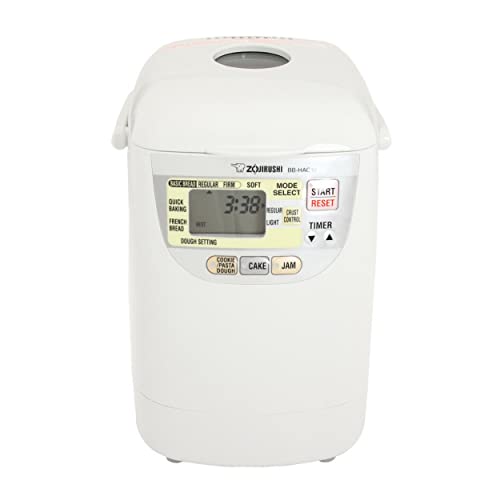
- Zojirushi BB-HAC10 Home Bakery Mini, 1 Lb — Best for Small Households
- Zojirushi BB-SSC10WZ Home Bakery Maestro — Best Compact Premium
Read the full guide ↓ for the detailed reviews, the honest trade-offs behind every badge, and the buying checks that matter more than any headline claim.
Shoppers searching for the best us made bread machines are usually asking two questions at once: which machines are genuinely made for the American market, and which of them bake the best bread? This guide answers the second question thoroughly and the first one honestly. The six verified picks below are premium machines sold for US households — standard US voltage, loaf sizes in pounds, and recipes written for American flours — and each is ranked on the baking itself.
The honest note on origin: country of manufacture is a label fact, not a performance fact, and it changes with production runs. The pick data verified for this guide confirms models, features, and current listings; it does not certify a factory location for any model, and neither will this guide. What it will do is tell you exactly what to check on the listing and the rating label if domestic manufacture is a deciding factor for you, and it will rank the machines on everything that decides the loaf in front of you.
What decides that loaf is consistent kneading, a managed rise, and even baking — the three things the brands in this guide built their reputations on. Read the badges against your household size and your bread ambitions: a custom-program flagship, a 2 lb family machine with dual heaters, and a 1 lb mini are all excellent answers to different questions.
One boundary before the reviews: this guide is research-led. It is built from verified product data, maker specifications, and the accumulated owner experience reported for these models — not from invented hands-on claims. Where a model has a real limitation, the review says so plainly. If you are comparing neighbouring searches while you decide, the discussion in Best Weighted Bread Machines covers closely related ground, and Best Whole Grain Bread Flour Mix For Bread Machines is worth reading alongside this guide.
Key Takeaways
- These picks are verified US-market machines: US voltage, pound sizing, and recipes for American flours.
- Country of manufacture is not certified by the pick data — check the listing and rating label if it decides your purchase.
- Dual heaters and dual kneading blades are the engineering features that most change the finished loaf.
- Loaf size is the first decision: 2 lb machines for families, 1 lb for fresh-daily small households.
- Custom and saved programs matter to experienced bakers; preset quality matters to everyone else.
In this guide
Quick Picks
These are the six picks for best us made bread machines at a glance. The badge each model carries here is the same badge used in its detailed review below, so you can jump straight to the full review of any model that catches your eye.
| Pick | Badge | Best for |
|---|---|---|
| Breville BBM800XL Custom Loaf Bread Maker | Best for Custom Control | Experienced bakers who save custom programs |
| Zojirushi BB-PPC20BA Home Bakery Virtuoso Plus | Best Premium Pick | Buyers who want a PFAS-free pan at flagship level |
| Zojirushi BB-PDC20BA Virtuoso Plus 2 Lb Breadmaker | Best for Whole Wheat and Gluten-Free | Families baking 2 lb whole-grain and gluten-free loaves |
| Zojirushi Home Bakery Supreme Breadmaker | Most Versatile Settings | Households that will use cake, jam and dough settings |
| Zojirushi BB-HAC10 Home Bakery Mini, 1 Lb | Best for Small Households | Singles and couples baking fresh 1 lb loaves |
| Zojirushi BB-SSC10WZ Home Bakery Maestro | Best Compact Premium | Small households wanting flagship baking in a compact body |
Badges are judgements, not decorations: each one is defended in the detailed review, including the trade-offs that come with it. If two picks share your shortlist, the comparison table further down lines their formats and key specifications up side by side.
How These Picks Were Chosen
Every model in this guide comes from a verified pick pool checked against Amazon’s catalogue data, so the names, configurations, and images you see here correspond to real, current listings. That verification step matters more than it sounds: line-ups change constantly, model names repeat across years and regions, and a guide is only useful if the machine it praises is the machine you can actually buy. Six models survived that check for this guide.
The ranking weighs US-market suitability and baking quality: kneading consistency, rise management, crust evenness, loaf-size fit, and honest guidance on verifying origin claims, alongside the everyday fundamentals: usable capacity, control that suits the job, how the machine handles a full load, how much cleaning or upkeep it asks for, and whether its features map onto the work people do weekly. Features that sound impressive but rarely get used were given little weight. Badges were assigned after the ranking, to describe each model’s genuine strength rather than to make every pick sound like a winner at everything.
Two honesty notes. First, prices are not printed in this guide because they change constantly; every pick is positioned by tier, and the links let you check the latest price on Amazon in one click. Second, no star ratings or review counts are quoted, for the same reason — they move, and a frozen number would mislead you. What does not move is format, capacity, and design, and those are what this guide judges. Readers working through Best Yeast For Bread Machines will find the same standards applied there.
The 6 Best Options for best us made bread machines
Six models, six different answers. Read the badge first, then the trade-offs — the right pick is the one whose trade-offs you mind least.

Breville BBM800XL Custom Loaf Bread Maker
Badge: Best for Custom Control
Strengths
- Custom settings let experienced bakers save their own programs
- The collapsible paddle reduces the hole left in the finished loaf
- Brushed stainless build suits display-first kitchens
Trade-offs
- The control depth asks for a learning period before it feels simple
- A premium-tier machine in this category
- Custom programs reward bakers who weigh and note their recipes
At a glance
- Finish: brushed stainless steel
- Collapsible kneading paddle
- Custom loaf settings — control every detail
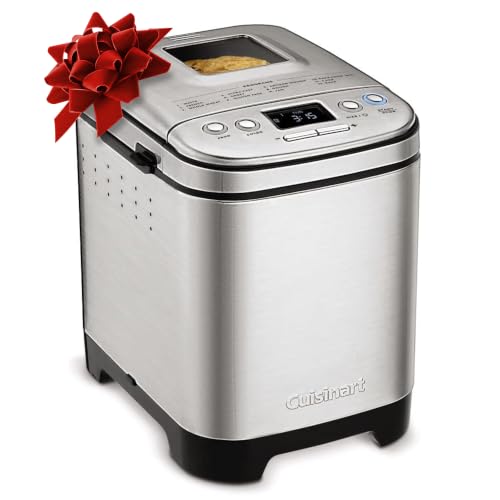
The Custom Loaf is built for the baker who has outgrown fixed menus. Its custom settings let you adjust the stages of a cycle and save the result, which turns one good experiment into a repeatable house loaf. The collapsible kneading paddle is the detail owners talk about most: it folds away before baking, so the finished loaf comes out with a far smaller paddle hole than traditional machines leave. For whole-grain and enriched doughs that need a longer, gentler rise, that control is the difference between a recipe adapted to the machine and a machine adapted to the recipe.
For a US household, the Breville BBM800XL Custom Loaf Bread Maker makes its case as a customisable countertop bread maker. Judge it on the daily evidence — how evenly it browns, how consistently it kneads your usual flour, how the timer fits your mornings — because those are the qualities that decide whether a bread machine becomes furniture or a fixture of the kitchen routine.
Over a year of baking, the Breville BBM800XL Custom Loaf Bread Maker will be valued for reliability more than novelty. Its pan, its programs, and its fit for your loaf size are the three facts to weigh now; everything else about it will be discovered loaf by loaf, and the review has tried to predict those discoveries honestly.
Best for: experienced bakers who save custom programs / Not suited for: buyers whose needs clash with its trade-offs above
Check on Amazon to see the current listing for the Breville BBM800XL Custom Loaf Bread Maker, confirm the configuration, and check the latest price on Amazon.
Zojirushi BB-PPC20BA Home Bakery Virtuoso Plus
Badge: Best Premium Pick
Strengths
- PFAS-free pan answers the coating question many buyers now ask first
- Virtuoso Plus line is the maker’s flagship home bakery format
- Full-size format suits family loaves and regular weekly baking
Trade-offs
- Flagship positioning means a premium tier in this category
- Full-size footprint needs a permanent counter or cupboard home
- New bakers should start on basic cycles before exploring the menu
At a glance
- Model: BB-PPC20BA Virtuoso Plus
- PFAS-free pan
- Home Bakery series
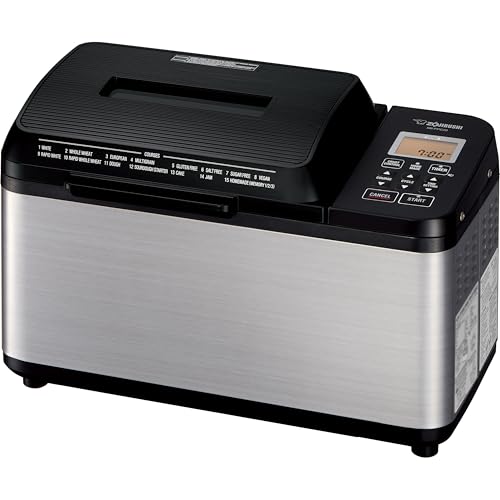
This Virtuoso Plus variant leads with its PFAS-free pan, a specification that has moved from niche concern to first question for many bread-machine buyers. Underneath that headline sits the flagship Home Bakery format: a full-size machine from the line most associated with consistent, even loaves and crust control that behaves predictably recipe after recipe. For a household that bakes weekly and keeps a machine for years, the pan material and the flagship format are the two facts that matter most, and this model is the one that combines them.
For a US household, the Zojirushi BB-PPC20BA Home Bakery Virtuoso Plus makes its case as a full-size bread maker, PFAS-free pan. Judge it on the daily evidence — how evenly it browns, how consistently it kneads your usual flour, how the timer fits your mornings — because those are the qualities that decide whether a bread machine becomes furniture or a fixture of the kitchen routine.
Over a year of baking, the Zojirushi BB-PPC20BA Home Bakery Virtuoso Plus will be valued for reliability more than novelty. Its pan, its programs, and its fit for your loaf size are the three facts to weigh now; everything else about it will be discovered loaf by loaf, and the review has tried to predict those discoveries honestly.
Best for: buyers who want a pfas-free pan at flagship level / Not suited for: buyers whose needs clash with its trade-offs above
Check on Amazon to see the current listing for the Zojirushi BB-PPC20BA Home Bakery Virtuoso Plus, confirm the configuration, and check the latest price on Amazon.

Zojirushi BB-PDC20BA Virtuoso Plus 2 Lb Breadmaker
Badge: Best for Whole Wheat and Gluten-Free
Strengths
- Dual heaters brown the top of the loaf as well as the sides
- Dedicated gluten-free and whole-wheat programs handle demanding doughs
- The 13-hour timer puts fresh bread at breakfast with evening setup
Trade-offs
- A 2 lb machine is sized for families, not single small loaves
- The program depth rewards reading the manual once, properly
- Premium-tier positioning within the bread maker category
At a glance
- Loaf size: 2 lb
- Gluten-free and whole-wheat programs
- Dual heaters
- 13-hour timer
The Virtuoso Plus 2 Lb earns its following on one engineering choice: dual heaters. Most bread makers heat from below and the sides, leaving pale tops; heating from above as well gives the crust an even colour that looks bakery-finished rather than homemade-apologetic. Add dedicated gluten-free and whole-wheat programs — the two dough families that most expose a weak machine — and a 13-hour timer for morning loaves, and this is the complete family bread maker for households whose baking goes beyond basic white.
For a US household, the Zojirushi BB-PDC20BA Virtuoso Plus 2 Lb Breadmaker makes its case as a 2 lb bread maker with dual heaters. Judge it on the daily evidence — how evenly it browns, how consistently it kneads your usual flour, how the timer fits your mornings — because those are the qualities that decide whether a bread machine becomes furniture or a fixture of the kitchen routine.
Over a year of baking, the Zojirushi BB-PDC20BA Virtuoso Plus 2 Lb Breadmaker will be valued for reliability more than novelty. Its pan, its programs, and its fit for your loaf size are the three facts to weigh now; everything else about it will be discovered loaf by loaf, and the review has tried to predict those discoveries honestly.
Best for: families baking 2 lb whole-grain and gluten-free loaves / Not suited for: buyers whose needs clash with its trade-offs above
Check on Amazon to see the current listing for the Zojirushi BB-PDC20BA Virtuoso Plus 2 Lb Breadmaker, confirm the configuration, and check the latest price on Amazon.
Zojirushi Home Bakery Supreme Breadmaker
Badge: Most Versatile Settings
Strengths
- Cake, jam, and dough settings make it a broader kitchen tool
- Quick-bake mode covers the forgotten-loaf emergency
- The 13-hour timer supports overnight baking routines
Trade-offs
- A long-serving design with a plainer control style than newer flagships
- Full-size footprint, like all family bread makers
- Buyers wanting the newest pan materials should compare the range
At a glance
- Cake, jam and dough settings
- 13-hour timer
- Quick-bake mode
- Home Bakery Supreme format
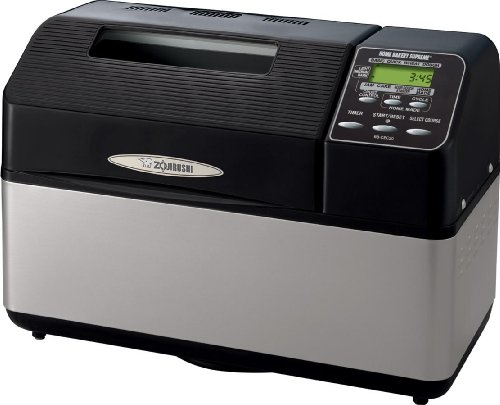
The Home Bakery Supreme is the versatile elder of this line-up. Beyond the bread cycles, its cake, jam, and dough settings turn the machine into a small production unit: dough mixed and proofed for the oven, jam made in controlled small batches, cakes baked without heating the whole kitchen. The quick-bake mode is the honest emergency option — not the equal of a full cycle, but the difference between bread tonight and no bread tonight. For households that will actually use the extra settings, this breadth is real value.
For a US household, the Zojirushi Home Bakery Supreme Breadmaker makes its case as a full-size bread maker with cake, jam and dough settings. Judge it on the daily evidence — how evenly it browns, how consistently it kneads your usual flour, how the timer fits your mornings — because those are the qualities that decide whether a bread machine becomes furniture or a fixture of the kitchen routine.
Over a year of baking, the Zojirushi Home Bakery Supreme Breadmaker will be valued for reliability more than novelty. Its pan, its programs, and its fit for your loaf size are the three facts to weigh now; everything else about it will be discovered loaf by loaf, and the review has tried to predict those discoveries honestly.
Best for: households that will use cake, jam and dough settings / Not suited for: buyers whose needs clash with its trade-offs above
Check on Amazon to see the current listing for the Zojirushi Home Bakery Supreme Breadmaker, confirm the configuration, and check the latest price on Amazon.

Zojirushi BB-HAC10 Home Bakery Mini, 1 Lb
Badge: Best for Small Households
Strengths
- True 1 lb loaves suit singles, couples, and fresh-daily baking
- Compact footprint fits small kitchens and motorhome-style spaces
- Quick-bake under two hours plus a 13-hour delay timer
Trade-offs
- A 1 lb loaf will not feed a family breakfast
- Small capacity limits dough-batch size for oven baking
- Fewer settings than the full-size flagships
At a glance
- Loaf size: 1 lb
- 13-hour delay timer
- Quick-bake in under 2 hours
- Colour: white
- Home Bakery Mini format
The Home Bakery Mini makes the case that the best loaf size is the one you finish while it is fresh. Its 1 lb loaves suit one- and two-person households perfectly: bread baked daily or every other day, eaten at its peak, with nothing going stale in the bread bin. The 13-hour delay timer means the small loaf can still be waiting, warm, at breakfast, and quick-bake in under two hours covers spontaneous needs. Its compact footprint is the other half of the appeal — this is the bread maker for kitchens where the full-size machines simply do not fit.
For a US household, the Zojirushi BB-HAC10 Home Bakery Mini, 1 Lb makes its case as a compact 1 lb bread maker. Judge it on the daily evidence — how evenly it browns, how consistently it kneads your usual flour, how the timer fits your mornings — because those are the qualities that decide whether a bread machine becomes furniture or a fixture of the kitchen routine.
Over a year of baking, the Zojirushi BB-HAC10 Home Bakery Mini, 1 Lb will be valued for reliability more than novelty. Its pan, its programs, and its fit for your loaf size are the three facts to weigh now; everything else about it will be discovered loaf by loaf, and the review has tried to predict those discoveries honestly.
Best for: singles and couples baking fresh 1 lb loaves / Not suited for: buyers whose needs clash with its trade-offs above
Check on Amazon to see the current listing for the Zojirushi BB-HAC10 Home Bakery Mini, 1 Lb, confirm the configuration, and check the latest price on Amazon.

Zojirushi BB-SSC10WZ Home Bakery Maestro
Badge: Best Compact Premium
Strengths
- Maestro format concentrates the flagship approach in a smaller machine
- Premium white finish suits light, modern kitchens
- Suits smaller households that still want serious bread quality
Trade-offs
- Compact format means smaller loaves than the 2 lb machines
- Premium positioning for its size class
- Buyers feeding a family should size up to the Virtuoso models
At a glance
- Model: BB-SSC10WZ Maestro
- Finish: premium white
- Home Bakery Maestro format
The Maestro is the answer for buyers who want the flagship baking approach without the flagship footprint. It brings the Home Bakery design philosophy — controlled kneading, managed rise, even baking — into a premium compact format finished in white. For couples and small households that bake seriously and often, it avoids the two classic compromises: it does not ask for family-machine counter space, and it does not ask you to accept a budget machine’s uneven results in exchange for the smaller size.
For a US household, the Zojirushi BB-SSC10WZ Home Bakery Maestro makes its case as a premium compact bread maker. Judge it on the daily evidence — how evenly it browns, how consistently it kneads your usual flour, how the timer fits your mornings — because those are the qualities that decide whether a bread machine becomes furniture or a fixture of the kitchen routine.
Over a year of baking, the Zojirushi BB-SSC10WZ Home Bakery Maestro will be valued for reliability more than novelty. Its pan, its programs, and its fit for your loaf size are the three facts to weigh now; everything else about it will be discovered loaf by loaf, and the review has tried to predict those discoveries honestly.
Best for: small households wanting flagship baking in a compact body / Not suited for: buyers whose needs clash with its trade-offs above
Check on Amazon to see the current listing for the Zojirushi BB-SSC10WZ Home Bakery Maestro, confirm the configuration, and check the latest price on Amazon.
Comparison Table
The six picks side by side. Format and the headline specification explain most of the real difference between them; use this table to narrow the field, then read the full reviews of your finalists.
| Pick | Format | Key specification | Badge |
|---|---|---|---|
| Breville BBM800XL Custom Loaf Bread Maker | customisable countertop bread maker | brushed stainless steel | Best for Custom Control |
| Zojirushi BB-PPC20BA Home Bakery Virtuoso Plus | full-size bread maker, PFAS-free pan | BB-PPC20BA Virtuoso Plus | Best Premium Pick |
| Zojirushi BB-PDC20BA Virtuoso Plus 2 Lb Breadmaker | 2 lb bread maker with dual heaters | 2 lb | Best for Whole Wheat and Gluten-Free |
| Zojirushi Home Bakery Supreme Breadmaker | full-size bread maker with cake, jam and dough settings | Cake, jam and dough settings | Most Versatile Settings |
| Zojirushi BB-HAC10 Home Bakery Mini, 1 Lb | compact 1 lb bread maker | 1 lb | Best for Small Households |
| Zojirushi BB-SSC10WZ Home Bakery Maestro | premium compact bread maker | BB-SSC10WZ Maestro | Best Compact Premium |
Notice how much of the decision this small table already settles. Once the verified models are on the table, the remaining choice is about fit — your household, your counter, your routine — far more than about one model being universally better than another. The guide at Best Yeast For Bread Making Machines applies the same side-by-side approach to a related shortlist.
How to Choose the Right Bread Machine for Your Kitchen
Start with loaf size, because it fixes everything else. The machine’s rated loaf weight should match the amount of bread your household eats inside its fresh window — roughly two days. Size up for families and freezer routines; size down for fresh-daily baking in small households. A machine whose loaves are the wrong size will disappoint no matter how well it bakes.
Next, match the engineering to your doughs. Plain white loaves forgive almost anything. Whole-grain, seeded, and gluten-free doughs do not: they reward strong kneading — dual blades at family sizes — longer, gentler programs, and, for tall loaves, heat from above as well as below. List the breads you will bake monthly and check the finalists’ programs and hardware against that list, not against the longest menu.
Then consider the timer and the extras honestly. A long delay timer changes a household’s mornings and is worth real money to bakers who will use it weekly. Cake, jam, and dough settings are worth the same — to households that will use them. Features nobody opens are not value; they are menu length.
If domestic manufacture is genuinely your deciding factor, verify it the reliable way: the rating label on the machine and the country-of-origin field on the listing at the moment you buy, because production locations change between runs of the same model. Then judge the finalists on baking: heater layout for crust, kneading system for whole-grain doughs, and a timer that fits your morning. A machine that wins on origin but loses on the loaf will disappoint you daily; the reverse disappoints you once, on paper.
Finally, plan the machine’s home. Bread machines are counter appliances with a weekly rhythm; one that must be lifted from a low cupboard before every bake will be used less each month. Measure the space, including room for the lid to open fully and for steam to escape, and choose the model that fits the home you can actually give it. The notes in Best Zojirushi Bread Machines go deeper on matching a machine to a household in this category.
How to Get Bakery-Quality Loaves From a Bread Machine
Machines manage time and temperature; the baker manages ingredients and order. These habits close most of the quality gap.
- Weigh flour instead of scooping it. Bread machines are consistent; cup measurements are not, and weighing removes the biggest variable.
- Load in the maker’s order — usually liquids first, then dry ingredients, with yeast kept dry on top away from salt and liquid until the cycle starts.
- Use the delay timer with confidence for plain loaves, but avoid delaying recipes with fresh milk, eggs, or perishable ingredients.
- Check the dough once during the first knead: it should form a smooth, slightly tacky ball. A splash of water or a spoon of flour then fixes most loaf problems before they bake.
- For whole-grain loaves, choose the dedicated whole-wheat program where offered — the longer, gentler rise is what those doughs need.
- Cool loaves on a rack before slicing. Cutting hot bread compresses the crumb and makes a good loaf seem gummy.
Troubleshooting
Problem: loaf collapses or mushrooms over the pan → too much yeast, too much liquid, or a kitchen warm enough to over-prove the dough. Reduce yeast slightly, weigh ingredients, and use cooler water in summer.
Problem: dense, heavy whole-grain loaf → the dough was too dry or the program too short. Whole grains absorb slowly; check the dough ball during kneading, add water a spoon at a time, and use the whole-wheat cycle.
Problem: pale top crust → common on single-heater machines. Choose a darker crust setting, or finish the loaf briefly in a hot oven; dual-heater models largely solve it at the source.
Care between uses is brief but non-negotiable, and it is the same advice for every pick in this guide: clean the parts that touched food while they are still easy to clean, dry everything fully before storing, and keep the machine’s working surfaces free of built-up residue. Small, prompt care is what turns a good first month with a bread machine into good years. More routine guidance sits in Top 5 Best Bread Machines for readers who want it.
What ‘Made for the US Market’ Actually Guarantees
Whatever the factory location, a US-market machine guarantees the practical things: it runs on standard US household voltage without converters, its loaf sizes and recipes are written in pounds, cups, and Fahrenheit, its flour assumptions match American bread flour, and its warranty and support operate domestically. For daily baking, those guarantees matter more than any other line on the box.
That is also why this guide ranks on baking engineering. Heaters, kneading blades, pan quality, and program design are the specifications that survive contact with a year of weekly loaves. Origin is a legitimate preference — verify it at purchase with the label — but it is a preference about the product’s story, not about tomorrow morning’s toast.
Buyers for whom domestic manufacture is a firm requirement should treat this guide as the performance shortlist and the label check as the final filter: choose the two machines whose baking fits your household, then confirm origin on the exact listing before ordering. That order of operations gets you both the loaf and the label you wanted.
The Two Brand Philosophies in This Guide
The Breville pick represents the customisable philosophy: give the baker control over the stages, let them save what works, and reduce the paddle hole with a collapsible paddle. It rewards bakers who experiment and keep notes, and its ceiling rises with the baker’s skill.
The Zojirushi picks represent the perfected-preset philosophy: decades of refinement aimed at making the standard loaf — white, whole wheat, gluten-free — come out right with the least baker intervention, extended across sizes from a 1 lb mini to dual-blade 2 lb flagships. Neither philosophy is wrong; they suit different bakers, and the badges in this guide map each machine to its baker honestly.
A Week of Baking: What Ownership Actually Looks Like
Ownership of a machine bought for best us made bread machines settles into a weekly pattern within the first month, and that pattern is the truest review of the purchase. A timer loaf appears at breakfast once or twice a week. A weekend bake covers sandwiches and toast. The dough setting quietly takes over pizza night or a batch of rolls. A pick that serves all three rhythms without friction is a pick that stays on the counter instead of migrating to a cupboard.
The pattern also exposes the honest weak points. A pan slightly too small for the household announces itself at every bake, not once. A loaf size slightly too large announces itself in stale slices every second day. Programs that need the manual open beside them in month two were the wrong programs for those hands. This is why the detailed reviews in this guide spend as much space on loaf weight, kneading hardware, and timers as on the finished loaf itself: the week, repeated, is the product.
If you are choosing between two finalists, run this mental test. Picture the machine in your kitchen on an ordinary tired Tuesday evening, being loaded for tomorrow’s breakfast loaf, with the sink already half full. Whichever pick still sounds easy in that picture is your machine — and it will still sound easy in month six, which is the whole point of buying well in this category.
More Practical Guidance Before You Decide
Crumb texture is decided as much after baking as during it. A loaf turned out onto a rack and left completely alone until cool will slice cleanly and taste finished; the same loaf cut hot will seem gummy and underdone even when it is neither. Patience at the cooling stage is the last ingredient, and it is free.
A bread machine earns its keep across a week, not in a single loaf. Dough settings that hand pizza and roll dough to your oven, jam settings that handle small preserving batches, and a timer that puts a loaf at breakfast are the uses that turn a single-purpose purchase into a kitchen system. When comparing the picks, count the jobs your household will actually hand the machine each week.
Ingredient temperature is the quiet lever most new bakers never pull. Liquids that are warm but not hot wake the yeast promptly; cold liquids slow a cycle, and hot liquids can end it before it starts. On a delay timer, room-temperature ingredients are the safe default, because the dough will sit for hours before the machine does anything at all.
The first ten minutes of kneading tell you the loaf’s future. Look once, while you still can change it: a smooth ball that cleans the sides of the pan is right; a shaggy, dry mass wants a spoon of water; a slack puddle that sticks everywhere wants a spoon of flour. That single glance, taken during the first knead, prevents more failed loaves than any premium feature in this guide.
Crust is a preference the machine can be told about. Darker settings suit sandwich loaves that will be toasted and crust-lovers generally; lighter settings suit soft dinner breads and enriched doughs whose sugars brown quickly. When a loaf disappoints, adjust one variable at a time — crust setting, liquid, or yeast — or you will never learn which change fixed it.
Altitude and humidity bend every printed recipe a little. High kitchens usually need slightly less yeast and a watchful eye on the rise; humid kitchens find doughs wetter than the same weights produce in winter. Your notebook, kept across a few weeks of weather, absorbs these local facts in a way no national recipe chart can.
Slicing is a skill with its own timing. Beyond cooling fully, use a serrated knife with a sawing motion and almost no downward pressure, and cut slices to the thickness your household actually eats — thick for toast, thinner for sandwiches. A well-baked loaf sliced badly still eats well, but a well-baked loaf sliced well is the result the machine was bought for.
Storing the machine’s output deserves the same thought as storing the machine. Bread keeps best in a breathable bag or bread box at room temperature for its two-day window; refrigeration stales crumb faster than the counter does. Freezing, sliced, is the honest long-term answer, and a loaf that goes into the freezer sliced comes out as toast on demand for weeks.
Enriched and sweet doughs ask for gentler handling everywhere. Extra butter, eggs, and sugar slow yeast and brown faster, so choose the appropriate program where offered, expect a longer-feeling cycle, and resist adding flour when the dough looks soft early — enriched doughs firm up as kneading develops them, and premature flour makes them heavy.
When a household bakes weekly, the machine’s true cost is measured in loaves, not in the purchase. A model whose pan, paddle, and programs survive years of weekly cycles is cheaper in every way that matters than a lesser machine replaced twice. That is the arithmetic behind this guide’s premium-leaning ranking, and it is worth doing with your own expected baking frequency before you choose.
Measure the machine’s home before it arrives: counter depth, the clearance for a fully open lid, and room for steam to escape upward without condensing under a cabinet. Bread machines fail socially before they fail mechanically — a machine that must be dragged out and plugged in across the kitchen will be used monthly, while the same machine with a true home gets used weekly.
Yeast deserves a small stock discipline. Keep it sealed, cool, and in date, and replace it on a rhythm rather than after a failure. More loaves are quietly ruined by tired yeast than by any machine in this guide, and the failure looks like a machine fault — a loaf that simply does not rise — which sends owners troubleshooting in entirely the wrong direction.
A second pan or paddle, where the range offers one, is the upgrade experienced bakers actually praise. It rescues the day the pan is soaking when the timer loaf needs loading, and it extends the working life of the parts that meet dough, heat, and washing most often. Not a first-purchase necessity, but a sensible line on the long-term list for weekly bakers.
When two picks remain tied after all this, let the tie be broken by the household, not the brochure. Count the eaters, the breakfasts, and the freezer space involved. The machine that fits the most ordinary version of your week wins, because ordinary weeks are nearly all of them, and a bread machine earns its reputation one ordinary week at a time.
Keep a baking notebook from the first loaf. Record flour weight, liquid, yeast, program, and one line on the result; within a dozen loaves you will own a chart tuned to your flour, your kitchen’s temperature, and your machine — something no generic recipe table can give you. Bread machines reward this small discipline more than almost any other appliance, because their consistency makes your notes genuinely predictive.
Flour is the variable that explains most mystery loaves. Protein content differs between brands and even between bags, and whole-grain flours drink more water than white. When a trusted recipe suddenly changes character, suspect the flour first, check the dough ball during the first knead, and adjust liquid a spoon at a time rather than redesigning the recipe.
Kitchen temperature quietly steers every rise. The same recipe that behaves in a cool spring kitchen can over-prove in a warm summer one, especially on a delay timer set the night before. Cooler water in summer, slightly less yeast in heat waves, and a timer that finishes before the kitchen warms up are the experienced baker’s three small corrections.
Salt and yeast are neighbours to manage, not enemies to fear. Kept apart in the pan until the cycle starts, both do their jobs; mixed early in warm liquid, the yeast suffers. The loading order in each maker’s manual exists for this reason, and following it exactly is the cheapest quality upgrade available to any bread machine owner.
Common Buying Mistakes
Bread machine disappointment is rarely the machine’s fault. It is usually one of these buying or baking mistakes.
- Buying the wrong loaf weight. The most common error in this category. Match the rated loaf to what your household eats inside the bread’s fresh window.
- Scooping flour instead of weighing it. The machine is consistent; the measuring cup is not. A cheap scale improves loaves more than a more expensive machine does.
- Ignoring kneading hardware for heavy doughs. Whole-grain and seeded doughs at family sizes need real kneading power. Check the blades before blaming the recipe.
- Trusting a printed price or a frozen rating. Both move constantly. Position by tier, check the live price at the moment of buying, and judge the machine on engineering and fit.
- Delaying perishable recipes overnight. The timer is for plain loaves. Recipes with fresh milk or eggs should not sit at room temperature for hours before baking.
- Slicing the loaf hot. A good loaf cut too early seems gummy and dense. Cool it fully on a rack; the crumb sets as it cools.
Final Recommendation
For most readers, start with the Breville BBM800XL Custom Loaf Bread Maker: it carries the Best for Custom Control badge because its format, capacity, and control suit the widest range of households chasing best us made bread machines. You can Check on Amazon for its current listing. If your routine leans toward the strengths of the second pick instead, the Zojirushi BB-PPC20BA Home Bakery Virtuoso Plus is the alternative we would buy with our own money in that situation — Check on Amazon for that listing too, compare the two against your measurements and your weekly routine, and choose the one whose trade-offs you mind least. That comparison, honestly made, is the whole decision.
Frequently Asked Questions
Are these bread machines made in the USA?
This guide does not certify country of manufacture for any pick, because the verified pick data confirms models and features, not factory locations, and production can change between runs. If domestic manufacture decides your purchase, check the country-of-origin information on the exact listing and the rating label on the machine before ordering.
What do these machines guarantee for US households?
They are US-market models: standard US voltage, loaf sizes in pounds, recipes and programs written for American ingredients and measures, and domestic warranty support. Those are the practical guarantees that affect daily use.
Which pick bakes the best whole wheat bread?
Look at the dual-heater Virtuoso Plus and the dual-blade Supreme bundle. Dedicated whole-wheat programs give heavy doughs the longer rise they need, and strong kneading develops whole-grain dough evenly. Weighing flour and checking the dough ball during kneading complete the result.
Is a 2 lb machine too big for a couple?
It can be. Bread stales, and a 2 lb loaf is a lot of toast for two people. Couples who bake often usually prefer the 1 lb mini or the compact Maestro and bake fresh more frequently; couples who bake for weekends and freezing do well with 2 lb.
What does a collapsible kneading paddle actually change?
On the Breville pick, the paddle folds down before baking, so the finished loaf has a much smaller hole in its base than traditional machines leave. It is a small detail that owners notice at every slice.
How long do bread machines take to bake a loaf?
Standard cycles run several hours including kneading and rising; quick-bake modes finish in under about two hours with a denser result. The 13-hour delay timers on most picks here let you set up in the evening and wake to a finished loaf.