Disclosure: topratedkitchenware.com is reader-supported. When you buy through links on our site, we may earn an affiliate commission from Amazon and other retailers, at no extra cost to you.
Where to buy
The six models below are the verified picks for this guide to best weighted bread machines. Each name links to its Amazon listing, where you can check the latest price on Amazon, confirm the exact configuration, and read current owner feedback before you decide. Start with the first pick if you want the shortest route: Check on Amazon for the Zojirushi BB-PPC20BA Home Bakery Virtuoso Plus.
- Zojirushi BB-PPC20BA Home Bakery Virtuoso Plus — Best Overall by Loaf Weight
- Zojirushi BB-PDC20BA Virtuoso Plus 2 Lb Breadmaker — Best 2 Lb Family Loaf
- Zojirushi Home Bakery Supreme Breadmaker — Most Versatile 2 Lb
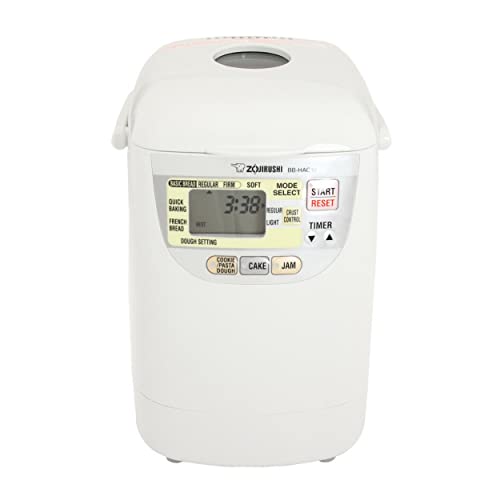
- Zojirushi BB-HAC10 Home Bakery Mini, 1 Lb — Best 1 Lb Fresh-Daily Loaf
- Zojirushi BB-SSC10WZ Home Bakery Maestro — Best Compact Premium Loaf
- Zojirushi BB-CEC20 Home Bakery Supreme Bundle — Best Heavy-Dough 2 Lb
Read the full guide ↓ for the detailed reviews, the honest trade-offs behind every badge, and the buying checks that matter more than any headline claim.
The phrase best weighted bread machines points at the decision that quietly governs this whole category: loaf weight. Bread machines are built around the weight of loaf they bake — most honestly either a 1 lb loaf for fresh-daily baking or a full 2 lb loaf for families — and buying the wrong weight is the most common reason a good machine disappoints. This guide ranks six verified picks by how well each serves its weight class.
Weight governs more than servings. It decides how much flour a kneading system must develop, how evenly the centre of the loaf bakes, how long bread stays fresh in your household, and whether the machine earns its counter space. A 2 lb loaf in a one-person household goes stale before it is finished; a 1 lb loaf in a family of five disappears before the table is set. Both are buying errors, and both are avoidable.
So read this ranking by class first and model second. The 1 lb picks and the 2 lb picks are not better or worse than each other — they are answers for different households — and the badges name the household each machine serves best.
One boundary before the reviews: this guide is research-led. It is built from verified product data, maker specifications, and the accumulated owner experience reported for these models — not from invented hands-on claims. Where a model has a real limitation, the review says so plainly. If you are comparing neighbouring searches while you decide, the discussion in Best Us Made Bread Machines covers closely related ground, and Best Whole Grain Bread Flour Mix For Bread Machines is worth reading alongside this guide.
Key Takeaways
- Loaf weight is the first decision in this category: 1 lb for fresh-daily small households, 2 lb for families.
- A loaf that outlasts its freshness is wasted capacity; a loaf that vanishes is a second bake.
- Heavy 2 lb doughs reward dual kneading blades; tall loaves reward dual heaters for an even top crust.
- Quick-bake and delay timers exist in both classes — size, not features, is the real dividing line.
- Weigh your flour: weight-based baking is what makes any of these machines consistent.
In this guide
Quick Picks
These are the six picks for best weighted bread machines at a glance. The badge each model carries here is the same badge used in its detailed review below, so you can jump straight to the full review of any model that catches your eye.
| Pick | Badge | Best for |
|---|---|---|
| Zojirushi BB-PPC20BA Home Bakery Virtuoso Plus | Best Overall by Loaf Weight | Buyers who want the flagship pan and format |
| Zojirushi BB-PDC20BA Virtuoso Plus 2 Lb Breadmaker | Best 2 Lb Family Loaf | Families baking full 2 lb loaves |
| Zojirushi Home Bakery Supreme Breadmaker | Most Versatile 2 Lb | Households using bread, cake, jam and dough settings |
| Zojirushi BB-HAC10 Home Bakery Mini, 1 Lb | Best 1 Lb Fresh-Daily Loaf | Singles and couples baking 1 lb loaves fresh |
| Zojirushi BB-SSC10WZ Home Bakery Maestro | Best Compact Premium Loaf | Small households wanting premium quality in a compact body |
| Zojirushi BB-CEC20 Home Bakery Supreme Bundle | Best Heavy-Dough 2 Lb | Bakers of heavy, seeded and whole-grain 2 lb doughs |
Badges are judgements, not decorations: each one is defended in the detailed review, including the trade-offs that come with it. If two picks share your shortlist, the comparison table further down lines their formats and key specifications up side by side.
How These Picks Were Chosen
Every model in this guide comes from a verified pick pool checked against Amazon’s catalogue data, so the names, configurations, and images you see here correspond to real, current listings. That verification step matters more than it sounds: line-ups change constantly, model names repeat across years and regions, and a guide is only useful if the machine it praises is the machine you can actually buy. Six models survived that check for this guide.
The ranking weighs loaf-weight fit: servings per loaf against household size, freshness across the days a loaf must last, kneading and heating systems matched to dough mass, alongside the everyday fundamentals: usable capacity, control that suits the job, how the machine handles a full load, how much cleaning or upkeep it asks for, and whether its features map onto the work people do weekly. Features that sound impressive but rarely get used were given little weight. Badges were assigned after the ranking, to describe each model’s genuine strength rather than to make every pick sound like a winner at everything.
Two honesty notes. First, prices are not printed in this guide because they change constantly; every pick is positioned by tier, and the links let you check the latest price on Amazon in one click. Second, no star ratings or review counts are quoted, for the same reason — they move, and a frozen number would mislead you. What does not move is format, capacity, and design, and those are what this guide judges. Readers working through Best Yeast For Bread Machines will find the same standards applied there.
The 6 Best Options for best weighted bread machines
Six models, six different answers. Read the badge first, then the trade-offs — the right pick is the one whose trade-offs you mind least.
Zojirushi BB-PPC20BA Home Bakery Virtuoso Plus
Badge: Best Overall by Loaf Weight
Strengths
- PFAS-free pan answers the coating question many buyers now ask first
- Virtuoso Plus line is the maker’s flagship home bakery format
- Full-size format suits family loaves and regular weekly baking
Trade-offs
- Flagship positioning means a premium tier in this category
- Full-size footprint needs a permanent counter or cupboard home
- New bakers should start on basic cycles before exploring the menu
At a glance
- Model: BB-PPC20BA Virtuoso Plus
- PFAS-free pan
- Home Bakery series
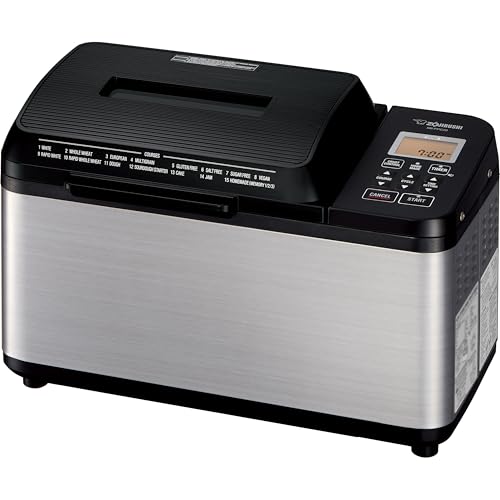
This Virtuoso Plus variant leads with its PFAS-free pan, a specification that has moved from niche concern to first question for many bread-machine buyers. Underneath that headline sits the flagship Home Bakery format: a full-size machine from the line most associated with consistent, even loaves and crust control that behaves predictably recipe after recipe. For a household that bakes weekly and keeps a machine for years, the pan material and the flagship format are the two facts that matter most, and this model is the one that combines them.
By weight class, the Zojirushi BB-PPC20BA Home Bakery Virtuoso Plus is a full-size bread maker, PFAS-free pan, and its review is really an argument about fit: the households whose appetite, baking frequency, and favourite doughs match its rated loaf weight will find it excellent, and households outside that class should choose a sibling instead — the machine is not better or worse than its class, only matched or mismatched to yours.
Living with the Zojirushi BB-PPC20BA Home Bakery Virtuoso Plus means living with its loaf rhythm: how often you bake, how the last slice tastes, how the freezer fits in. That rhythm, repeated weekly, is the true product being bought, and the review weighs it as heavily as any single loaf’s quality.
Best for: buyers who want the flagship pan and format / Not suited for: buyers whose needs clash with its trade-offs above
Check on Amazon to see the current listing for the Zojirushi BB-PPC20BA Home Bakery Virtuoso Plus, confirm the configuration, and check the latest price on Amazon.

Zojirushi BB-PDC20BA Virtuoso Plus 2 Lb Breadmaker
Badge: Best 2 Lb Family Loaf
Strengths
- Dual heaters brown the top of the loaf as well as the sides
- Dedicated gluten-free and whole-wheat programs handle demanding doughs
- The 13-hour timer puts fresh bread at breakfast with evening setup
Trade-offs
- A 2 lb machine is sized for families, not single small loaves
- The program depth rewards reading the manual once, properly
- Premium-tier positioning within the bread maker category
At a glance
- Loaf size: 2 lb
- Gluten-free and whole-wheat programs
- Dual heaters
- 13-hour timer
The Virtuoso Plus 2 Lb earns its following on one engineering choice: dual heaters. Most bread makers heat from below and the sides, leaving pale tops; heating from above as well gives the crust an even colour that looks bakery-finished rather than homemade-apologetic. Add dedicated gluten-free and whole-wheat programs — the two dough families that most expose a weak machine — and a 13-hour timer for morning loaves, and this is the complete family bread maker for households whose baking goes beyond basic white.
By weight class, the Zojirushi BB-PDC20BA Virtuoso Plus 2 Lb Breadmaker is a 2 lb bread maker with dual heaters, and its review is really an argument about fit: the households whose appetite, baking frequency, and favourite doughs match its rated loaf weight will find it excellent, and households outside that class should choose a sibling instead — the machine is not better or worse than its class, only matched or mismatched to yours.
Living with the Zojirushi BB-PDC20BA Virtuoso Plus 2 Lb Breadmaker means living with its loaf rhythm: how often you bake, how the last slice tastes, how the freezer fits in. That rhythm, repeated weekly, is the true product being bought, and the review weighs it as heavily as any single loaf’s quality.
Best for: families baking full 2 lb loaves / Not suited for: buyers whose needs clash with its trade-offs above
Check on Amazon to see the current listing for the Zojirushi BB-PDC20BA Virtuoso Plus 2 Lb Breadmaker, confirm the configuration, and check the latest price on Amazon.
Zojirushi Home Bakery Supreme Breadmaker
Badge: Most Versatile 2 Lb
Strengths
- Cake, jam, and dough settings make it a broader kitchen tool
- Quick-bake mode covers the forgotten-loaf emergency
- The 13-hour timer supports overnight baking routines
Trade-offs
- A long-serving design with a plainer control style than newer flagships
- Full-size footprint, like all family bread makers
- Buyers wanting the newest pan materials should compare the range
At a glance
- Cake, jam and dough settings
- 13-hour timer
- Quick-bake mode
- Home Bakery Supreme format
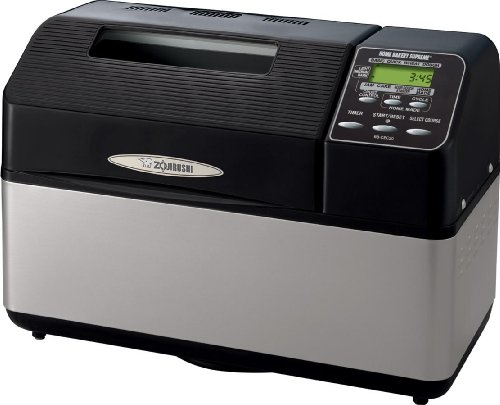
The Home Bakery Supreme is the versatile elder of this line-up. Beyond the bread cycles, its cake, jam, and dough settings turn the machine into a small production unit: dough mixed and proofed for the oven, jam made in controlled small batches, cakes baked without heating the whole kitchen. The quick-bake mode is the honest emergency option — not the equal of a full cycle, but the difference between bread tonight and no bread tonight. For households that will actually use the extra settings, this breadth is real value.
By weight class, the Zojirushi Home Bakery Supreme Breadmaker is a full-size bread maker with cake, jam and dough settings, and its review is really an argument about fit: the households whose appetite, baking frequency, and favourite doughs match its rated loaf weight will find it excellent, and households outside that class should choose a sibling instead — the machine is not better or worse than its class, only matched or mismatched to yours.
Living with the Zojirushi Home Bakery Supreme Breadmaker means living with its loaf rhythm: how often you bake, how the last slice tastes, how the freezer fits in. That rhythm, repeated weekly, is the true product being bought, and the review weighs it as heavily as any single loaf’s quality.
Best for: households using bread, cake, jam and dough settings / Not suited for: buyers whose needs clash with its trade-offs above
Check on Amazon to see the current listing for the Zojirushi Home Bakery Supreme Breadmaker, confirm the configuration, and check the latest price on Amazon.

Zojirushi BB-HAC10 Home Bakery Mini, 1 Lb
Badge: Best 1 Lb Fresh-Daily Loaf
Strengths
- True 1 lb loaves suit singles, couples, and fresh-daily baking
- Compact footprint fits small kitchens and motorhome-style spaces
- Quick-bake under two hours plus a 13-hour delay timer
Trade-offs
- A 1 lb loaf will not feed a family breakfast
- Small capacity limits dough-batch size for oven baking
- Fewer settings than the full-size flagships
At a glance
- Loaf size: 1 lb
- 13-hour delay timer
- Quick-bake in under 2 hours
- Colour: white
- Home Bakery Mini format
The Home Bakery Mini makes the case that the best loaf size is the one you finish while it is fresh. Its 1 lb loaves suit one- and two-person households perfectly: bread baked daily or every other day, eaten at its peak, with nothing going stale in the bread bin. The 13-hour delay timer means the small loaf can still be waiting, warm, at breakfast, and quick-bake in under two hours covers spontaneous needs. Its compact footprint is the other half of the appeal — this is the bread maker for kitchens where the full-size machines simply do not fit.
By weight class, the Zojirushi BB-HAC10 Home Bakery Mini, 1 Lb is a compact 1 lb bread maker, and its review is really an argument about fit: the households whose appetite, baking frequency, and favourite doughs match its rated loaf weight will find it excellent, and households outside that class should choose a sibling instead — the machine is not better or worse than its class, only matched or mismatched to yours.
Living with the Zojirushi BB-HAC10 Home Bakery Mini, 1 Lb means living with its loaf rhythm: how often you bake, how the last slice tastes, how the freezer fits in. That rhythm, repeated weekly, is the true product being bought, and the review weighs it as heavily as any single loaf’s quality.
Best for: singles and couples baking 1 lb loaves fresh / Not suited for: buyers whose needs clash with its trade-offs above
Check on Amazon to see the current listing for the Zojirushi BB-HAC10 Home Bakery Mini, 1 Lb, confirm the configuration, and check the latest price on Amazon.

Zojirushi BB-SSC10WZ Home Bakery Maestro
Badge: Best Compact Premium Loaf
Strengths
- Maestro format concentrates the flagship approach in a smaller machine
- Premium white finish suits light, modern kitchens
- Suits smaller households that still want serious bread quality
Trade-offs
- Compact format means smaller loaves than the 2 lb machines
- Premium positioning for its size class
- Buyers feeding a family should size up to the Virtuoso models
At a glance
- Model: BB-SSC10WZ Maestro
- Finish: premium white
- Home Bakery Maestro format
The Maestro is the answer for buyers who want the flagship baking approach without the flagship footprint. It brings the Home Bakery design philosophy — controlled kneading, managed rise, even baking — into a premium compact format finished in white. For couples and small households that bake seriously and often, it avoids the two classic compromises: it does not ask for family-machine counter space, and it does not ask you to accept a budget machine’s uneven results in exchange for the smaller size.
By weight class, the Zojirushi BB-SSC10WZ Home Bakery Maestro is a premium compact bread maker, and its review is really an argument about fit: the households whose appetite, baking frequency, and favourite doughs match its rated loaf weight will find it excellent, and households outside that class should choose a sibling instead — the machine is not better or worse than its class, only matched or mismatched to yours.
Living with the Zojirushi BB-SSC10WZ Home Bakery Maestro means living with its loaf rhythm: how often you bake, how the last slice tastes, how the freezer fits in. That rhythm, repeated weekly, is the true product being bought, and the review weighs it as heavily as any single loaf’s quality.
Best for: small households wanting premium quality in a compact body / Not suited for: buyers whose needs clash with its trade-offs above
Check on Amazon to see the current listing for the Zojirushi BB-SSC10WZ Home Bakery Maestro, confirm the configuration, and check the latest price on Amazon.

Zojirushi BB-CEC20 Home Bakery Supreme Bundle
Badge: Best Heavy-Dough 2 Lb
Strengths
- Dual kneading blades work large, heavy doughs more thoroughly
- Sourdough starter setting supports ferment-focused bakers
- The bundle format covers bread, jam, and dough in one purchase
Trade-offs
- A 2 lb dual-blade machine is a substantial counter appliance
- The setting list is long; beginners should master basics first
- Bundle positioning sits at the upper tier of the range
At a glance
- Loaf size: 2 lb
- Dual kneading blades
- 13-hour delay timer
- Sourdough starter setting
- Jam and quick-bake functions
This Supreme bundle is built around dual kneading blades, and heavy dough is where that choice shows. Whole-grain, seeded, and enriched doughs resist a single paddle; two blades keep the full 2 lb mass moving and developing evenly instead of riding in a lump. The sourdough starter setting extends the machine’s role into fermentation management, the jam function handles small preserving batches, and the 13-hour delay keeps the morning-loaf routine intact. It is the most production-minded machine in this guide.
By weight class, the Zojirushi BB-CEC20 Home Bakery Supreme Bundle is a 2 lb bread maker bundle with dual kneading blades, and its review is really an argument about fit: the households whose appetite, baking frequency, and favourite doughs match its rated loaf weight will find it excellent, and households outside that class should choose a sibling instead — the machine is not better or worse than its class, only matched or mismatched to yours.
Living with the Zojirushi BB-CEC20 Home Bakery Supreme Bundle means living with its loaf rhythm: how often you bake, how the last slice tastes, how the freezer fits in. That rhythm, repeated weekly, is the true product being bought, and the review weighs it as heavily as any single loaf’s quality.
Best for: bakers of heavy, seeded and whole-grain 2 lb doughs / Not suited for: buyers whose needs clash with its trade-offs above
Check on Amazon to see the current listing for the Zojirushi BB-CEC20 Home Bakery Supreme Bundle, confirm the configuration, and check the latest price on Amazon.
Comparison Table
The six picks side by side. Format and the headline specification explain most of the real difference between them; use this table to narrow the field, then read the full reviews of your finalists.
| Pick | Format | Key specification | Badge |
|---|---|---|---|
| Zojirushi BB-PPC20BA Home Bakery Virtuoso Plus | full-size bread maker, PFAS-free pan | BB-PPC20BA Virtuoso Plus | Best Overall by Loaf Weight |
| Zojirushi BB-PDC20BA Virtuoso Plus 2 Lb Breadmaker | 2 lb bread maker with dual heaters | 2 lb | Best 2 Lb Family Loaf |
| Zojirushi Home Bakery Supreme Breadmaker | full-size bread maker with cake, jam and dough settings | Cake, jam and dough settings | Most Versatile 2 Lb |
| Zojirushi BB-HAC10 Home Bakery Mini, 1 Lb | compact 1 lb bread maker | 1 lb | Best 1 Lb Fresh-Daily Loaf |
| Zojirushi BB-SSC10WZ Home Bakery Maestro | premium compact bread maker | BB-SSC10WZ Maestro | Best Compact Premium Loaf |
| Zojirushi BB-CEC20 Home Bakery Supreme Bundle | 2 lb bread maker bundle with dual kneading blades | 2 lb | Best Heavy-Dough 2 Lb |
Notice how much of the decision this small table already settles. Once the verified models are on the table, the remaining choice is about fit — your household, your counter, your routine — far more than about one model being universally better than another. The guide at Best Yeast For Bread Making Machines applies the same side-by-side approach to a related shortlist.
How to Choose the Right Bread Machine for Your Kitchen
Start with loaf size, because it fixes everything else. The machine’s rated loaf weight should match the amount of bread your household eats inside its fresh window — roughly two days. Size up for families and freezer routines; size down for fresh-daily baking in small households. A machine whose loaves are the wrong size will disappoint no matter how well it bakes.
Next, match the engineering to your doughs. Plain white loaves forgive almost anything. Whole-grain, seeded, and gluten-free doughs do not: they reward strong kneading — dual blades at family sizes — longer, gentler programs, and, for tall loaves, heat from above as well as below. List the breads you will bake monthly and check the finalists’ programs and hardware against that list, not against the longest menu.
Then consider the timer and the extras honestly. A long delay timer changes a household’s mornings and is worth real money to bakers who will use it weekly. Cake, jam, and dough settings are worth the same — to households that will use them. Features nobody opens are not value; they are menu length.
Do the servings arithmetic honestly. A 2 lb loaf gives roughly twice the slices of a 1 lb loaf and needs a household that will eat them within a couple of days, or a freezer routine for the surplus. A 1 lb loaf suits one or two people baking every day or two, and its smaller mass also kneads and bakes more forgivingly. Households between the two patterns should choose by their baking frequency: frequent bakers size down, weekend bakers size up.
Finally, plan the machine’s home. Bread machines are counter appliances with a weekly rhythm; one that must be lifted from a low cupboard before every bake will be used less each month. Measure the space, including room for the lid to open fully and for steam to escape, and choose the model that fits the home you can actually give it. The notes in Best Zojirushi Bread Machines go deeper on matching a machine to a household in this category.
How to Scale Recipes to Your Machine’s Loaf Weight
Recipes are written for a loaf weight; the machine is built for one too. Keeping the two in agreement is most of bread-machine success.
- Match the recipe to the machine’s rated loaf weight. A 2 lb recipe in a 1 lb pan will overflow during the rise; a 1 lb recipe in a 2 lb pan bakes flat and pale.
- Scale by weight, not by eye: multiply every ingredient by the same factor, and weigh flour for repeatable results.
- Keep yeast scaling conservative. Doubling a recipe does not always mean doubling yeast, especially in a warm kitchen; increase in smaller steps.
- Check the dough ball during the first knead whenever you scale: it should be smooth and slightly tacky, and a spoon of water or flour corrects it early.
- Use the program written for the loaf type — whole wheat cycles run longer and gentler, which heavier, denser doughs need at any weight.
- Record what worked. A note of weights, program, and result turns scaling from guesswork into your own reliable chart within a few loaves.
Troubleshooting
Problem: loaf overflows the pan → the recipe exceeds the machine’s weight class, or yeast ran high. Scale the recipe to the rated loaf weight and reduce yeast slightly in warm weather.
Problem: small loaf in a big machine bakes pale and flat → the dough mass is below the pan’s design. Bake the weight the machine is built for, or choose the compact machine whose class matches your recipes.
Problem: centre of a 2 lb loaf is gummy → the loaf was sliced hot, or the dense centre needed the full program. Cool completely on a rack before slicing and avoid quick-bake for heavy whole-grain doughs.
Care between uses is brief but non-negotiable, and it is the same advice for every pick in this guide: clean the parts that touched food while they are still easy to clean, dry everything fully before storing, and keep the machine’s working surfaces free of built-up residue. Small, prompt care is what turns a good first month with a bread machine into good years. More routine guidance sits in Top 5 Best Bread Machines for readers who want it.
1 Lb vs 2 Lb: The Freshness Equation
Bread is at its best for about two days, and that simple fact should size your machine. A 1 lb loaf in a two-person household is eaten inside its best window with nothing wasted; the same household working through a 2 lb loaf spends its second half eating bread that is politely described as fine for toast. The mini and compact picks exist because freshness, not capacity, is many households’ real priority.
Families invert the equation. A 1 lb loaf in a five-person household is a single breakfast, and baking becomes a daily obligation instead of a pleasure. The 2 lb machines, especially the dual-blade and dual-heater models, turn one cycle into two days of bread, sandwiches, and toast — the economy of scale that makes machine baking worthwhile at family size.
Freezing changes the maths for everyone: a sliced 2 lb loaf freezes well and toasts from frozen, which lets small households bake big occasionally. If you will genuinely freeze, size up; if the freezer plan is aspirational, size for the table.
Why Weight Stresses Kneading and Heating
Double the dough and you more than double the machine’s work. A 2 lb whole-grain dough is a heavy, resistant mass; single paddles can push it around the pan instead of developing it, which is why the dual-blade bundle exists. Underdeveloped heavy dough bakes dense no matter how good the program is, so kneading hardware is a weight-class specification, not a luxury.
Heating scales too. A tall 2 lb loaf puts its top crust far from a bottom element, and single-heater machines can leave it pale; dual heaters brown the top directly. When you read the detailed reviews, treat dual blades and dual heaters as the two features whose value rises exactly with the loaf weight you intend to bake.
A Week of Baking: What Ownership Actually Looks Like
Ownership of a machine bought for best weighted bread machines settles into a weekly pattern within the first month, and that pattern is the truest review of the purchase. A timer loaf appears at breakfast once or twice a week. A weekend bake covers sandwiches and toast. The dough setting quietly takes over pizza night or a batch of rolls. A pick that serves all three rhythms without friction is a pick that stays on the counter instead of migrating to a cupboard.
The pattern also exposes the honest weak points. A pan slightly too small for the household announces itself at every bake, not once. A loaf size slightly too large announces itself in stale slices every second day. Programs that need the manual open beside them in month two were the wrong programs for those hands. This is why the detailed reviews in this guide spend as much space on loaf weight, kneading hardware, and timers as on the finished loaf itself: the week, repeated, is the product.
If you are choosing between two finalists, run this mental test. Picture the machine in your kitchen on an ordinary tired Tuesday evening, being loaded for tomorrow’s breakfast loaf, with the sink already half full. Whichever pick still sounds easy in that picture is your machine — and it will still sound easy in month six, which is the whole point of buying well in this category.
More Practical Guidance Before You Decide
The first ten minutes of kneading tell you the loaf’s future. Look once, while you still can change it: a smooth ball that cleans the sides of the pan is right; a shaggy, dry mass wants a spoon of water; a slack puddle that sticks everywhere wants a spoon of flour. That single glance, taken during the first knead, prevents more failed loaves than any premium feature in this guide.
Crust is a preference the machine can be told about. Darker settings suit sandwich loaves that will be toasted and crust-lovers generally; lighter settings suit soft dinner breads and enriched doughs whose sugars brown quickly. When a loaf disappoints, adjust one variable at a time — crust setting, liquid, or yeast — or you will never learn which change fixed it.
Altitude and humidity bend every printed recipe a little. High kitchens usually need slightly less yeast and a watchful eye on the rise; humid kitchens find doughs wetter than the same weights produce in winter. Your notebook, kept across a few weeks of weather, absorbs these local facts in a way no national recipe chart can.
Slicing is a skill with its own timing. Beyond cooling fully, use a serrated knife with a sawing motion and almost no downward pressure, and cut slices to the thickness your household actually eats — thick for toast, thinner for sandwiches. A well-baked loaf sliced badly still eats well, but a well-baked loaf sliced well is the result the machine was bought for.
Storing the machine’s output deserves the same thought as storing the machine. Bread keeps best in a breathable bag or bread box at room temperature for its two-day window; refrigeration stales crumb faster than the counter does. Freezing, sliced, is the honest long-term answer, and a loaf that goes into the freezer sliced comes out as toast on demand for weeks.
Enriched and sweet doughs ask for gentler handling everywhere. Extra butter, eggs, and sugar slow yeast and brown faster, so choose the appropriate program where offered, expect a longer-feeling cycle, and resist adding flour when the dough looks soft early — enriched doughs firm up as kneading develops them, and premature flour makes them heavy.
When a household bakes weekly, the machine’s true cost is measured in loaves, not in the purchase. A model whose pan, paddle, and programs survive years of weekly cycles is cheaper in every way that matters than a lesser machine replaced twice. That is the arithmetic behind this guide’s premium-leaning ranking, and it is worth doing with your own expected baking frequency before you choose.
Measure the machine’s home before it arrives: counter depth, the clearance for a fully open lid, and room for steam to escape upward without condensing under a cabinet. Bread machines fail socially before they fail mechanically — a machine that must be dragged out and plugged in across the kitchen will be used monthly, while the same machine with a true home gets used weekly.
Yeast deserves a small stock discipline. Keep it sealed, cool, and in date, and replace it on a rhythm rather than after a failure. More loaves are quietly ruined by tired yeast than by any machine in this guide, and the failure looks like a machine fault — a loaf that simply does not rise — which sends owners troubleshooting in entirely the wrong direction.
A second pan or paddle, where the range offers one, is the upgrade experienced bakers actually praise. It rescues the day the pan is soaking when the timer loaf needs loading, and it extends the working life of the parts that meet dough, heat, and washing most often. Not a first-purchase necessity, but a sensible line on the long-term list for weekly bakers.
When two picks remain tied after all this, let the tie be broken by the household, not the brochure. Count the eaters, the breakfasts, and the freezer space involved. The machine that fits the most ordinary version of your week wins, because ordinary weeks are nearly all of them, and a bread machine earns its reputation one ordinary week at a time.
Keep a baking notebook from the first loaf. Record flour weight, liquid, yeast, program, and one line on the result; within a dozen loaves you will own a chart tuned to your flour, your kitchen’s temperature, and your machine — something no generic recipe table can give you. Bread machines reward this small discipline more than almost any other appliance, because their consistency makes your notes genuinely predictive.
Flour is the variable that explains most mystery loaves. Protein content differs between brands and even between bags, and whole-grain flours drink more water than white. When a trusted recipe suddenly changes character, suspect the flour first, check the dough ball during the first knead, and adjust liquid a spoon at a time rather than redesigning the recipe.
Kitchen temperature quietly steers every rise. The same recipe that behaves in a cool spring kitchen can over-prove in a warm summer one, especially on a delay timer set the night before. Cooler water in summer, slightly less yeast in heat waves, and a timer that finishes before the kitchen warms up are the experienced baker’s three small corrections.
Salt and yeast are neighbours to manage, not enemies to fear. Kept apart in the pan until the cycle starts, both do their jobs; mixed early in warm liquid, the yeast suffers. The loading order in each maker’s manual exists for this reason, and following it exactly is the cheapest quality upgrade available to any bread machine owner.
Crumb texture is decided as much after baking as during it. A loaf turned out onto a rack and left completely alone until cool will slice cleanly and taste finished; the same loaf cut hot will seem gummy and underdone even when it is neither. Patience at the cooling stage is the last ingredient, and it is free.
A bread machine earns its keep across a week, not in a single loaf. Dough settings that hand pizza and roll dough to your oven, jam settings that handle small preserving batches, and a timer that puts a loaf at breakfast are the uses that turn a single-purpose purchase into a kitchen system. When comparing the picks, count the jobs your household will actually hand the machine each week.
Ingredient temperature is the quiet lever most new bakers never pull. Liquids that are warm but not hot wake the yeast promptly; cold liquids slow a cycle, and hot liquids can end it before it starts. On a delay timer, room-temperature ingredients are the safe default, because the dough will sit for hours before the machine does anything at all.
Common Buying Mistakes
Nearly every bread machine regret is a weight-class regret in disguise. These are the mistakes to avoid.
- Buying the wrong loaf weight. The most common error in this category. Match the rated loaf to what your household eats inside the bread’s fresh window.
- Scooping flour instead of weighing it. The machine is consistent; the measuring cup is not. A cheap scale improves loaves more than a more expensive machine does.
- Ignoring kneading hardware for heavy doughs. Whole-grain and seeded doughs at family sizes need real kneading power. Check the blades before blaming the recipe.
- Trusting a printed price or a frozen rating. Both move constantly. Position by tier, check the live price at the moment of buying, and judge the machine on engineering and fit.
- Delaying perishable recipes overnight. The timer is for plain loaves. Recipes with fresh milk or eggs should not sit at room temperature for hours before baking.
- Slicing the loaf hot. A good loaf cut too early seems gummy and dense. Cool it fully on a rack; the crumb sets as it cools.
Final Recommendation
For most readers, start with the Zojirushi BB-PPC20BA Home Bakery Virtuoso Plus: it carries the Best Overall by Loaf Weight badge because its format, capacity, and control suit the widest range of households chasing best weighted bread machines. You can Check on Amazon for its current listing. If your routine leans toward the strengths of the second pick instead, the Zojirushi BB-PDC20BA Virtuoso Plus 2 Lb Breadmaker is the alternative we would buy with our own money in that situation — Check on Amazon for that listing too, compare the two against your measurements and your weekly routine, and choose the one whose trade-offs you mind least. That comparison, honestly made, is the whole decision.
Frequently Asked Questions
What does loaf weight mean on a bread machine?
It is the weight of the finished loaf the machine is designed to bake — commonly 1 lb or 2 lb in this guide. The rating fixes the pan size, the recipe quantities, and the kneading and heating demands. Matching your recipes and household to that rating is the core buying decision.
Which loaf weight is right for a family of four?
Usually 2 lb. A family of four works through a 2 lb loaf inside its fresh window, and the dual-heater and dual-blade models here are built for exactly that service. Very light bread eaters can size down and bake more often.
Can I bake a 1 lb recipe in a 2 lb machine?
You can, but expect a flatter, paler loaf: the dough spreads thin in a pan designed for twice the mass. Better results come from baking the machine’s rated weight and freezing the surplus, sliced.
Why do heavy whole-grain loaves need dual blades?
Whole-grain and seeded doughs are dense and resistant. Two kneading blades keep the full mass moving and developing evenly instead of riding as a lump, which is the difference between a risen loaf and a dense one at 2 lb.
Does quick-bake work at both weights?
Quick-bake modes exist across the range and finish in under about two hours, but the trade-off — a denser crumb — is more noticeable in large, heavy loaves. Use quick-bake for plain loaves and emergencies; use full programs for whole grains.
How many slices does a 2 lb loaf give?
It depends on slice thickness, but roughly twice a 1 lb loaf — enough for a family’s sandwiches and toast across about two days, which is precisely the freshness window the size is designed around.