Ceramic knives are very hard and stay sharp for a long time, but they are brittle and can chip. Steel knives are tougher and easier to maintain, which is why they are the usual choice for a main kitchen knife. Many cooks keep a steel knife for general work and treat ceramic as a specialist extra.
What Each Material Is For
Ceramic blades suit light slicing of fruit, vegetables and boneless meat. They are lightweight and do not rust. Steel blades handle a much broader range of work, from chopping dense vegetables to breaking down poultry, and they can be repaired when the edge dulls or rolls.
The key idea is the trade-off between hardness and toughness. A very hard blade resists wear and keeps a fine edge, but it has little give, so a hard knock or a twist can leave a chip. A tougher blade tolerates mistakes better, and a dull or rolled edge can be brought back with honing or sharpening.
Side-by-Side Comparison
| Point | Ceramic | Steel |
|---|---|---|
| Hardness | Very hard | Varies by alloy |
| Toughness | Brittle, may chip or snap | Bends or dents before breaking |
| Weight | Very light | Light to heavy |
| Sharpening | Needs specialist tools or a service | Home stones and honing rods work |
| Rust | None | Possible on some steels if left wet |
Daily Use Differences
With ceramic, avoid twisting the blade, prying, cutting frozen food, or striking bones, and do not drop it on a hard floor. Cut on wood or plastic boards rather than glass or stone. With steel, you can be a little less careful, though you should still wash and dry it by hand and keep it away from hard surfaces that dull the edge.
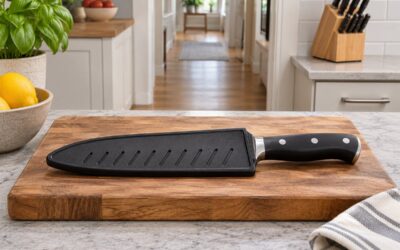
- Ceramic: store in a sheath or a block slot that protects the tip.
- Steel: hone regularly and sharpen when honing no longer helps.
- Both: follow the maker’s instructions for washing and storage.
Who Should Choose Which
- Choose steel if you want one dependable knife for all tasks.
- Choose steel if you want to sharpen at home.
- Choose ceramic if you mostly slice soft produce and like a very light feel.
- Choose both if you want a ceramic knife for fruit and a steel knife for everything else.
Edge Retention and Sharpening Realities
Sharpness is the headline feature of both materials, but how the edge ages differs. Ceramic is very hard, which is why many people find a ceramic knife stays keen for a long time with careful use. The tradeoff is that a hard material is also brittle. When a ceramic edge does get damaged, it tends to chip rather than roll, and repairs are not something most households can do.
Steel is softer, so the edge gradually rolls or dulls with use. The upside is that this is easy to correct. A honing steel realigns the edge between sharpenings, and whetstones, guided sharpeners or professional services restore it fully. Most steel knives can be maintained at home with modest equipment and some practice.
Ceramic knives usually need specialized abrasives, often diamond-based, or a service from the maker or a professional. Check the product listing or manual for what the manufacturer recommends, and ask whether they offer a sharpening service. If you do not want to think about sharpening at all, remember that either material eventually needs attention. The practical question is who will do it, and how willing you are to pay or learn.
For many households, the practical choice depends on how much care you are willing to give.
Which Foods and Tasks Suit Each Material
Ceramic shines on soft, boneless foods that need clean slices: fruits, vegetables, herbs, boneless meats and cheeses. Many users like that it does not transfer metallic taste, and that food such as apples and avocado may brown more slowly, though results vary. It is a poor match for hard or frozen items, bones, and anything requiring prying or twisting. Use of force can chip or snap the blade.
Steel is the more forgiving all-rounder. It handles dense squash, root vegetables, poultry joints and the occasional tough job without fuss. A steel chef knife can rock, chop, scrape and slice, and the blade flexes slightly rather than breaking. If you only want one knife for everything, steel is the safer choice.
- Choose ceramic for: fine slicing, fruit, salad prep and light daily work.
- Choose steel for: heavy chopping, varied cooking, and tasks where you may put real weight into the cut.
- Avoid either for: cutting through bones or frozen blocks unless the knife is designed for it.
Many cooks keep one of each, using ceramic as a light companion to a steel workhorse.
Whichever you pick, ask the seller what repair or sharpening support exists, because that answer affects long-term cost far more than the first purchase.
Durability and Handling Habits
How you treat a knife often decides how long it lasts, and ceramic is less forgiving of mistakes. Dropping a ceramic blade on a hard floor or tile may chip or break it. Tossing it into a drawer with other utensils, or twisting it in a cut, can do the same. A steel knife usually survives a drop with a bent tip or nothing at all, although a fall is still dangerous to feet and fingers.
Cutting surface matters. Both materials do best on wood or softer plastic boards. Glass, stone, marble and ceramic plates dull steel quickly and can chip ceramic. Use a proper board and avoid scraping the blade sideways across it. Transfer chopped food with the spine of the knife rather than the edge, or use a bench scraper.
Storage also protects the edge. A sheath, block or magnetic strip stops the blade from knocking against other items. Hand washing is generally recommended for both, and steel in particular can rust or stain if left wet. Always check the maker’s care instructions for your specific knife.
If you cook for children or share a kitchen, consider how easily the blade can be stored out of reach, since both materials are extremely sharp and a ceramic blade can shatter into pieces.
Handles, Weight and Comfort
The material affects how a knife feels in the hand. Ceramic blades are typically lighter, which reduces fatigue during long prep sessions but can feel slightly unbalanced if you are used to a heavier knife. Steel knives have more heft, which many cooks like for chopping because the weight helps the blade fall through food. Neither is better in general; it depends on your grip and your tasks.
Handle design matters as much as blade material. Look for a handle that fits your palm, offers a secure grip when wet, and has enough space to keep your knuckles clear of the board. Check how the handle joins the blade, since gaps and rough joins collect moisture and food. Common handle materials include plastic, wood and composites, and each has different care needs.
If you can, hold a knife before buying, or compare descriptions of weight, length and balance. A knife that suits someone else may feel awkward in your hand. A comfortable knife is used more often, and a knife used more often earns its place on the counter.
Test the balance before buying if possible, since a hard-to-hold knife leads to awkward cuts and wrist strain, which matters just as much as blade hardness over a long meal prep.
Budget Tiers and When to Replace
Within each material, quality ranges widely. Budget steel knives can serve well for everyday home cooking but may need more frequent sharpening and may have simpler handles. Mid-range steel often balances edge quality, comfort and durability. Higher tiers may emphasize particular steels, construction or finish, though the product listing should explain what makes them different, and you should be wary of claims you cannot verify.
For ceramic, the difference is often in material quality, finish and how carefully the blade is made. Cheaper blades may chip more readily, and a chip in a ceramic blade usually means it should be retired. Ask whether replacements or sharpening are offered, because this affects long-term value more than the initial cost.
- Replace a ceramic knife if the edge is chipped, cracked or the blade is bent from stress.
- Replace a steel knife if it will not hold an edge after proper sharpening, the handle is loose, or the blade is pitted or warped.
Before buying either, ask yourself what you will cut most, who will maintain it, and whether a warranty or service exists.
If you are unsure, start with the more forgiving option and add the second material later once you know your habits.
FAQ
Do ceramic knives never need sharpening?
They hold an edge a long time, but they do dull eventually. Because they are so hard, the maker may recommend a specific service or tool, so check the maker’s guide.
Will steel knives rust?
Some can if left wet or stored damp. Drying them straight after washing prevents most problems.
Are ceramic knives dishwasher safe?
Makers usually recommend washing by hand, since knocking against other items can chip the edge. Check the instructions for your knife.
Can ceramic knives cut meat?
Boneless, thawed meat is fine for many ceramic blades. Avoid bones, joints and frozen cuts because they can chip the blade.
Which material is better for a beginner?
Steel is more forgiving of mistakes such as dropping or twisting. Ceramic suits beginners who are careful and mostly cut soft foods.
Do I need a honing rod for ceramic?
A standard steel honing rod is not suitable for ceramic. Follow the maker's guidance on sharpening tools or services.
Can I use both kinds in the same kitchen?
Yes, and many cooks do. Ceramic handles light slicing while steel covers heavy chopping and general work.
How should I store a ceramic knife?
Use a sheath, block or magnetic strip designed to protect the edge. Avoid loose drawers where it can strike other tools.
The Short Version
Steel is the better all-round choice because it is tough and easy to maintain. Ceramic is a good supporting knife for soft foods if you handle it gently. Whichever you choose, follow the maker’s safety and care instructions.