Knives stay sharp longer when you cut on a forgiving surface, wash them by hand, store them so the edge does not bump other items and hone them regularly. Edges wear with every cut, so no habit stops dulling completely, but good care slows it. Handle knives carefully and follow the maker’s instructions.
Daily Habits That Help
- Cut on wood, plastic or similar soft boards. Glass, stone and metal surfaces blunt an edge quickly.
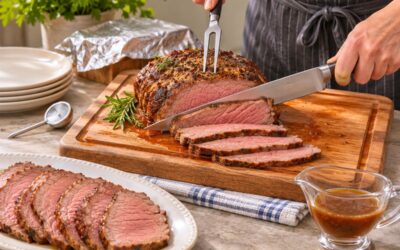
- Slice with a smooth motion rather than chopping hard on the board.
- Use the right knife for the job; do not cut bones or frozen food with a standard kitchen knife.
- Wash by hand with warm soapy water and dry at once.
- Put the knife away straight after drying, not loose in a drawer.
- Hone the edge lightly every so often with a honing rod.
- Sharpen when honing no longer restores a clean cut.
What Dulls a Knife Fastest
| Habit | Effect | Better approach |
|---|---|---|
| Cutting on hard surfaces | Rolls and chips the edge | Use a soft board |
| Dishwasher cycles | Knocks blades against racks | Hand wash |
| Loose drawer storage | Edge bumps other tools | Block, sheath or magnetic strip |
| Scraping food off with the edge | Bends the fine edge | Use the spine or a bench scraper |
Storage Options
- Knife block: slots keep edges separate; slide knives in gently.
- Magnetic strip: easy access; place knives carefully, spine first.
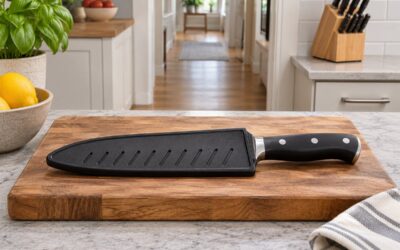
- Sheaths or guards: protect edges in drawers.
Honing and Sharpening
Honing realigns the edge between sharpenings, while sharpening removes metal to form a new one. Home cooks use whetstones, pull-through tools or professional services; the right choice depends on the knife and your comfort. Follow the knife maker’s advice on angles and methods.
Always keep your fingers clear of the edge. Sharpening tools can slip, so work slowly and follow their safety instructions.
A Simple Routine
- Before cooking, give the edge a few light strokes on a honing rod.
- After cooking, wash by hand, dry and put the knife away.
- Once a week, look along the edge for shiny spots, which can show a rolled or worn area.
- Every few months, check how the knife cuts through a tomato or a sheet of paper and decide whether it needs sharpening.
Small habits repeated often do more than one big effort once a year.
FAQ
How often should I sharpen?
It depends on use. Many home cooks sharpen once or twice a year; frequent cooks may do so more. If the knife slips on a tomato skin or crushes food, it may be due.
Is a dull knife more dangerous?
Many cooks find dull knives need more force and can slip. Neither dull nor sharp knives are risk-free.
The Short Version
Use soft boards, hand wash, store the edge safely, hone often and sharpen when needed. Careful habits slow dulling.