Knives attract plenty of kitchen folklore. Some of it is useful, and some leads to damaged blades or awkward cutting. Here are common beliefs, checked against stable basics. This is general advice, not a promise of safety, so always follow the maker’s instructions.
Myths About Sharpness
Myth: A dull knife is safer than a sharp one. A dull edge needs more force and can slip. Many cooks find a well-kept edge easier to control, though any blade deserves careful handling.
Myth: Honing sharpens the knife. Honing straightens an edge that has bent slightly. Sharpening removes a little metal to form a new edge. They are different jobs.
Fact: Edges wear with use, so some upkeep is normal for every knife.
Myths About Care
- Myth: Knives are fine in the dishwasher. Fact: Heat, detergent and knocking against other items can wear edges and handles. Many makers advise hand washing, so check the guide.
- Myth: Stainless steel never marks. Fact: It resists marks better than some steels, but drying promptly is still wise.
- Myth: Any board is fine. Fact: Hard surfaces such as stone or glass dull an edge quickly. Wood or plastic boards are gentler.
Myths About Choosing
Myth: A bigger or fancier-looking knife is better. Size and look say little. Fit to your hand and the job matter more.
Myth: You need a full block. A chef’s knife, a paring knife and a toothed bread knife cover most home tasks.
Myth: Toothed knives never need care. They still wear, and the maker’s guide will say how to maintain them.
Myths About Technique
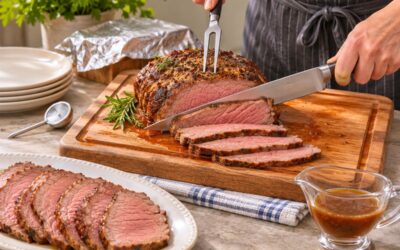
Myth: Pressing harder cuts better. Force tends to reduce control. A smooth push or pull along the edge, with the work held steady, usually gives a cleaner cut than heavy pressure.
Myth: You can cut anything with a chef’s knife. It handles many foods, but bones, frozen items and hard shells can chip or bend an edge. Use tools made for those jobs, or ask for them to be prepared for you.
Myth: Any grip is fine. Many cooks pinch the blade just ahead of the handle and curl the fingers of the other hand back, but comfort varies, so find a grip that feels steady.
Myth and Fact Chart
| Belief | Closer to the truth |
|---|---|
| Dull is safer | A dull edge can slip; keep edges in good shape |
| Honing sharpens | Honing realigns; sharpening removes metal |
| Dishwasher is fine | Hand washing is often advised |
| More knives are better | A few well-chosen knives usually suffice |
FAQ
How should I store knives?
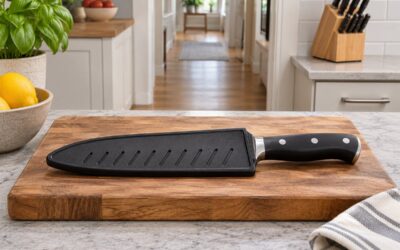
Keep edges covered or held apart from other tools, and out of reach of children. Avoid loose storage in a drawer.
Can I catch a falling knife?
No. Step back and let it fall. Never try to catch a blade.
The Short Version
Keep edges maintained, wash and store with care, and choose a few knives that suit your hand. Follow the maker’s instructions and handle blades with attention.