Where to buy
Check the latest price, availability and delivery on Amazon. Orders are placed on Amazon. We may earn a commission from qualifying purchases.
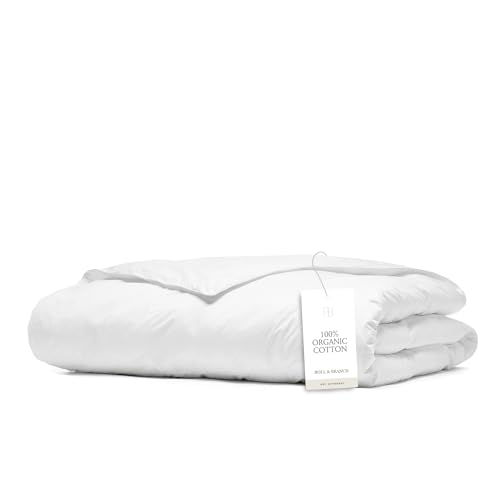
- Best overall: Boll & Branch Down Duvet Insert, Full/Queen, All Season — Check on Amazon
- puredown Goose Down Comforter, 800 Fill Power, Winter Oversized — Check on Amazon
- Continental Bedding Siberian Goose Down Comforter, Queen, 800 Fill Power — Check on Amazon
- Boll & Branch Down Alternative Duvet Insert, Full/Queen, All Season — Check on Amazon
See 2 more Amazon options
- CUDDLE DREAMS Classic Wool Comforter, Midweight, Queen — Check on Amazon
- Globon Winter White Goose Down Comforter, Queen — Check on Amazon
Read the full guide ↓
Disclosure: As an Amazon Associate, topratedkitchenware.com earns from qualifying purchases. Links to Amazon on this page are affiliate links; they cost you nothing extra. Listing details such as price and availability change often, so check the current Amazon listing before you buy.
Start with the fact that shapes every recommendation below: no single duvet insert on Amazon verifiably costs $700 in a queen size. The Boll & Branch down insert is the priciest verifiable queen insert on Amazon — check price on Amazon for its current listing. Above that, the trail turns into king sizes, brief price spikes on volatile listings, or luxury duvets sold direct rather than through a verifiable Amazon queen listing. A $700 budget is therefore not a hunt for one mythical $700 insert. It is room to buy one premium insert properly, or to build a small rotation — if your small bedroom can actually store one.
That last clause is the small-bedroom lens, and it changes the ranking logic. In a large bedroom, a winter insert plus a summer insert is an easy luxury: one goes in a linen closet and nobody thinks about it again. In a small bedroom, the spare insert has to live somewhere — under the bed in a bin that may not fit, on the one closet shelf that also holds your out-of-season clothes, or in a compression bag wedged behind a door. Storage volume is a real cost here, and so is loft: a high, puffy insert that looks wonderful on a king in a showroom can swamp a full bed pushed against a wall, pool over the side you cannot reach, and make a small room feel smaller every morning when you try to make the bed in a gap barely wider than your hips.
So this guide re-judges the six verified picks from our under-$700 research through four small-room questions. Does the insert earn its storage footprint, or can one all-season insert honestly replace a seasonal pair? Does its size behave on the full and queen beds that actually fit in small rooms, or does it need an oversized cover and two free sides to drape? Can it be washed in the small machines, shared laundry rooms and laundromat runs that small-space living usually means? And does it have the corner loops, tabs or ties that keep an insert centered when you can only shake it out from one side of the bed? The products and ASINs are unchanged from the base guide; the verdicts are re-earned for rooms where every cubic foot is spoken for.
One vocabulary note, because it decides real purchases. On Amazon, “duvet insert” and “comforter” are the same products under two names. What makes a product good as an insert is the fittings: loops, tabs or ties that fasten to the inside of your cover, construction that keeps fill from migrating, and dimensions that match the cover within an inch or two. Fill honesty matters just as much. Fill power, warmth and loft figures are maker claims unless a reviewer measured them. Feather and down fiber is processed fill — flatter, heavier and cheaper — and it is never called a down comforter in this guide. Where a maker declines to publish a number, we print the absence instead of borrowing one quietly.
In this guide
Quick Picks
Short on time, or comparing several options at once? Each row below names a small-bedroom situation and the product that suits it, with a link to the listing.
| Buyer type | Pick | Why it stands out | Link |
|---|---|---|---|
| Best overall — one insert, no spare to store | Boll & Branch Down Duvet Insert, Full/Queen, All Season | The priciest verifiable queen insert on Amazon — check price on Amazon — with corner loops, an organic cotton baffle-box shell and brand machine-wash guidance | Check on Amazon |
| Best published spec | puredown Goose Down Comforter, 800 Fill Power, Winter Oversized | 93% goose down and a maker-rated 800 fill power — check price on Amazon — if you have the cover size and the storage for a true winter insert | Check on Amazon |
| Best on a price dip | Continental Bedding Siberian Goose Down Comforter, Queen | 800 fill power class down whose price has historically been volatile, so timing is everything — check the current price on Amazon | Check on Amazon |
| Best without down | Boll & Branch Down Alternative Duvet Insert, Full/Queen, All Season | PrimaLoft-brand recycled fiber in the same certified organic cotton insert shell — check price on Amazon; one-insert households avoid storing a second fill type | Check on Amazon |
| Best natural non-down fill | CUDDLE DREAMS Classic Wool Comforter, Midweight, Queen | Australian wool with eight ties — the most insert hardware in this guide — check price on Amazon; the flattest spare to store in a rotation | Check on Amazon |
| Best value down | Globon Winter White Goose Down Comforter, Queen | Maker-rated 800 fill power and corner tabs at a value tier in this guide — check price on Amazon — with an unpublished down ratio | Check on Amazon |
How These Picks Were Chosen
The first filter was verification, inherited unchanged from the base guide. Every product below is a real Amazon listing whose queen or full/queen configuration could be tied to its ASIN through a listing record or a price tracker. Where a well-known premium insert could not be verified that way, it is named without a link and the reason is stated: the Brooklinen down comforter is widely listed on Amazon in current coverage, but the exact full/queen all-season ASIN could not be isolated from its lightweight and king siblings, so it appears here as a named alternative, not a link. We would rather lose a pick than guess an ASIN — and in a small bedroom, a wrong-size sibling ASIN is not a clerical error, it is a return you have to store while you wait for pickup.
The second filter was the budget, applied honestly. A $700 ceiling does not mean padding a cart until it reaches $700. No single queen insert in this guide needs the full budget on its own, and the allocation plans later in this guide combine picks qualitatively, with part of the budget deliberately unspent. One pick, the Continental Siberian, is a deliberate straddle: its price has historically been volatile and has at times sat above this budget, so it is included with a plain instruction to buy it only when check price on Amazon shows it comfortably within budget. That discipline matters more in a small room, not less — money not spent at a high reading is money available for the cover, the storage bag or the laundromat card the insert will actually need.
The third filter was the small-bedroom test itself, applied on top of insert fitness. Attachment hardware came first: four corner loops are the minimum we accept, eight attachment points are better, and every pick was checked for loops, tabs or ties because a small room usually gives you one side of the bed to work from, and an untied insert migrates to the unreachable side by Wednesday. Dimensions came second: standard queen duvet covers are usually cut around 88–92 inches square, and an insert that misses that window bunches or swims no matter how good its fill is. Storage came third: a winter insert is a seasonal object, and its compressed volume competes with everything else you own. Care came fourth: dry-clean-only is a system, not a footnote, when your laundry is a shared room down the hall.
Finally, fill honesty. Down products were separated into classes and never blurred: cluster down (the lofty kind, stated as a down percentage), down and feather blends with a published ratio, and feather/down fiber, which is excluded from this tier’s picks entirely. Makers’ fill-power figures are printed as maker claims. And when a maker does not publish a fill power at all, as with our hero, that absence is treated as a fact about the product — the 650 figure attached to it around the web is a reviewer’s number, and it is labeled that way every time it appears.
The 6 Best Duvet Inserts for Small Bedrooms Under $700
Boll & Branch Down Duvet Insert, Full/Queen, All Season
Who it suits: Small-bedroom buyers who can store exactly one insert — which is to say, most of them — and want that one insert to be the most premium verifiable queen on Amazon, with proper fittings and washable care.
This is the ceiling of the verified market: it sits at the top of the premium tier on Amazon for the full/queen all-season configuration — check price on Amazon — with three weights available. The fill is responsibly sourced, triple-washed US down; the shell is certified organic long-staple cotton, down-proof, built as true baffle boxes that keep fill distributed instead of letting it migrate to the foot of the bed; the product is Fair Trade Certified. As an insert it is properly fitted out: the brand confirms four corner loops that tie to the interior ties of a duvet cover, and reviewers who tested it specifically noted the loops made setup inside a cover easy.
The small-bedroom case for the hero is the one-insert strategy. An all-season weight, chosen honestly for your room’s actual temperature, removes the seasonal swap entirely — no winter insert in a bin under the bed, no summer insert on the closet shelf, no twice-a-year wrestling match in a room where the bed takes up most of the floor. The second small-room advantage is care: unusually for down, the brand’s guidance is machine wash cold, alone, once a season, and tumble dry low. In a small home that means one planned laundromat trip with a big machine, not a dry-cleaning relationship. The lightweight full/queen is listed at 6.6 lb, and there are three weights, so the “all season” name is a starting point, not a promise — cold sleepers in unheated rooms should look at the midweight or ultraweight configurations and re-check which configuration you are viewing on the listing, because a heavier weight is also a bulkier object in a room with nowhere to put it.
- The highest-tier verifiable queen insert on Amazon, for full/queen all season — check the current price on Amazon.
- Four corner loops and a baffle-box, down-proof organic cotton shell — real insert hardware, not a comforter afterthought.
- Responsibly sourced, triple-washed down; Fair Trade Certified; machine-washable per the brand’s own care guidance — the easiest premium care regime here.
Honest limitation: Boll & Branch does not publish this insert’s fill power anywhere on its own product page. The 650 figure you will see quoted around the web comes from a reviewer’s coverage (Sleep Foundation, as tracked by read-vault), not from the maker — so the single number that usually justifies a premium down price is one you have to take on trust and reputation. The brand’s published limited warranty also covers mattresses and foundations, not bedding, and its Amazon review record is still thin.
Choose it if you have storage for one insert only, certified sourcing and an organic shell matter to you, and washable care fits your laundry reality. Skip it if you buy down by the numbers — the puredown below publishes the spec this one withholds.
puredown Goose Down Comforter, Full/Queen, 800 Fill Power, Winter Oversized (98 x 90 Inch)
Who it suits: Cold sleepers in cold small rooms who buy on published specs — and who have measured both their duvet cover and the place this bulky winter insert will spend the summer.
Where the hero asks for trust, the puredown publishes: the listing states 93% white goose down, a maker-rated 800 fill power, a 100% cotton shell at a stated 700 thread count, and a 40 oz fill weight for the full/queen, with RDS and OEKO-TEX certifications claimed by the maker. Check the current price on Amazon for the listing. Roundup coverage describes a 3D baffle-box construction, which at this loft is the right build — sewn-through quilting would pinch the down and waste the fill power you paid for. Forty ounces of high-loft down is a genuinely warm winter fill; this is the pick for cold bedrooms and cold sleepers, and it will be too much for warm rooms most of the year.
Both of this pick’s cautions double in a small bedroom. First, size: at 98 x 90 inches it is oversized against the standard queen duvet cover, which is typically cut around 88–92 inches. In a standard cover it will bunch and feel lumpy no matter how good the down is; it needs an oversized queen cover, and that pairing should be decided before you order. On a full bed — the size many small rooms actually hold — a full/queen insert already drapes generously; an oversized one pools at the edges, and the side against the wall becomes a folded ridge you cannot reach to smooth. Second, storage: a 40 oz winter fill is the largest seasonal object in this guide. Compressed for summer it still wants a real home, and if your honest answer is “on top of the wardrobe,” price that inconvenience in. Third, care: coverage of this model reports dry clean only, so the cover is not optional protection — it is the thing standing between the insert and an expensive cleaning regime, in a home where the cleaning has to be carried out of the building.
- The guide’s strongest published spec: 93% goose down, maker-rated 800 fill power, 40 oz fill, stated on the listing.
- Premium down positioned in the upper tier of this budget — check price on Amazon.
- Baffle-box construction reported in coverage, matched to a high-loft winter fill.
Honest limitation: The oversized 98-inch length is a real insert problem in standard queen covers, and the fill-power figure is the maker’s rating, not an independent lab result — no pick in this guide has one of those. Dry-clean-only care adds lifetime cost and logistics.
Choose it if you sleep cold, you buy on published specs, you own or will buy an oversized cover, and you have a named storage spot for it from April to October. Skip it if your covers are standard queen, your bed is a full pushed against a wall, or your bedroom runs warm.
Continental Bedding Siberian Goose Down Comforter, Queen, 800 Fill Power
Who it suits: Patient, price-watching buyers in small rooms who want 800-fill-power-class down and are willing to let a tracker decide when they buy — because at the right price, this replaces a two-insert rotation with one purchase.
This is the most instructive listing in the guide. The maker rates it at 800 fill power in a queen Siberian goose down build. Its price history tells the real story: it has been notably volatile, at times sitting well within this budget and at other times above it. In other words, this insert belongs in this guide only when its current listing sits within budget, and it is an over-budget listing the rest of the time. We include it because on a low reading it may be the best down value in this entire guide — and because its history proves the guide’s central point, that Amazon’s premium insert prices are set by volatility, not by a stable tier.
The small-bedroom reading of that volatility is about commitment. A small room punishes a wrong bedding purchase twice: the object is bulky while you decide, and returns of large bedding from a small home are a genuine chore. So the discipline is stricter here, not looser — this is a buy-it-once purchase, made only when the current listing shows a low reading, and only if a single premium down insert is truly your whole plan. Bought at a low reading it can serve as your one insert and leave much of the budget — and all of your storage — untouched. Bought at a high reading it consumes the budget that Plan 1 below spends on a flagship plus a wool rotation partner. The brand’s tier is corroborated off Amazon: Continental’s Serenity line, a Hungarian white goose down queen in a lower fill-power tier, is sold through a Target retail listing, which is context for the brand’s positioning, not an Amazon price. What we cannot do is promise which Continental you will find when you click. Everything about this pick depends on the day.
- Maker-rated 800 fill power Siberian goose down in a queen build from a specialist down house.
- A verified history of wide price swings — check the current price on Amazon and buy only on a low reading.
- At a low reading it is a strong spec-led value; at a high reading it nearly fills this budget alone.
Honest limitation: This is a deliberate straddle. It has sold above the $700 ceiling within the last year, and if the live price is above $700 when you check, it does not belong in your cart at this budget — wait, set a price alert, or take the puredown. Never buy it at list.
Choose it if the live queen price is sitting at a low reading, well within this budget, when you check, and one insert is your whole storage plan. Skip it if you need to buy today at whatever price is showing.
Boll & Branch Down Alternative Duvet Insert, Full/Queen, All Season
Who it suits: Small-bedroom buyers who want the hero’s shell, certifications and insert fittings but not down itself — and who like that one insert in one fill means one storage problem, solved once.
The down-alternative sibling of our hero is a genuine insert by name and design: check price on Amazon for the full/queen all-season configuration. The fill is PrimaLoft-brand recycled synthetic fiber — a named, branded fiber rather than anonymous “down alternative” stuffing — inside the same style of certified organic cotton shell with baffle-box construction, in the same three weights, with the brand’s corner-loop insert design. The maker describes the fill with its own “hypoallergenic” label; we repeat that only as the maker’s label, not as a health claim, and the honest comfort case for this pick is simpler: it lofts like a mid-grade down, it does not need dry cleaning, and nobody in the house has to be comfortable with feather products.
Judged coldly, you are paying a premium for the shell and the brand: competent synthetic fills exist at lower price points in our lower-tier guides. What the extra money buys is the organic cotton shell instead of microfiber, the baffle boxes instead of sewn-through quilting that flattens synthetic fill at the seams, Fair Trade certification, and an insert that matches the down version’s dimensions and fittings, so the same covers serve both. In a small bedroom that interchangeability has a specific value: if your household runs one bed and one cover set — the common small-space pattern — an insert that behaves dimensionally like the flagship, washes without a dry-cleaning trip, and stores in the same footprint as the down version removes three separate frictions at once. Synthetic fill also tolerates the compressed storage small rooms impose a little more forgivingly than down, though it should still be stored loose or lightly compressed and fluffed back, not vacuum-sealed flat for a season. In a two-insert rotation, this is the partner that makes Plan 3 work.
- A true duvet insert (not a rebadged comforter) for full/queen all season — check price on Amazon.
- Branded PrimaLoft recycled fiber in an organic cotton baffle-box shell; three weights; corner-loop design.
- Machine-care-friendly alternative that shares dimensions and fittings with the down hero — one cover set serves a small household.
Honest limitation: Synthetic fiber does not match cluster down for loft-per-weight or lifespan, and this is the premium-tier way in the guide to not buy down — check price on Amazon. The fill is a maker-described “hypoallergenic” fiber — a label, not a medical property.
Choose it if your household avoids down but still wants a premium, properly fitted insert that washes easily. Skip it if you are indifferent to fill type — the same money buys real down in the puredown.
CUDDLE DREAMS Classic Wool Comforter, Midweight for All Season, Queen (88 x 88 Inch)
Who it suits: Hot-and-cold sleepers in small rooms, and anyone building a rotation on a storage budget, who wants the best insert hardware in this guide at the lowest price in it.
Wool is the connoisseur’s insert fill: it buffers temperature swings in both directions, handles moisture vapor better than down, and does not rely on loft alone for warmth — a profile that suits small bedrooms, which tend to run warm with the door closed and cool by morning. This midweight queen carries 240 GSM of Australian wool (the line also offers a 120 GSM summer weight and a heavier winter version) inside a jacquard cotton shell the maker describes as noiseless, with OEKO-TEX Standard 100 certification and an inspection zipper so you can actually see the fill you paid for — a transparency feature we wish more makers offered. Check price on Amazon for the current listing.
As an insert, it is the best-fitted product in this guide: eight ties, double the hero’s attachment points, which is what actually stops the nightly migration of insert to the foot of the cover — migration you cannot easily fix when one side of the bed is against a wall. At 88 x 88 inches it matches standard queen covers exactly, with no oversized pooling on a full bed beyond the drape you would expect. And as a stored object it is the rotation-friendly pick: wool is denser and flatter than down, so the off-season insert takes a fraction of the shelf a lofted winter down insert demands. In the allocation plans below it is the hardest-working product here — the summer half of a rotation, the guest-bed upgrade, the layer that makes a premium down insert a three-season purchase instead of a winter-only one.
- Eight ties — the most attachment hardware in this guide — and an exact 88 x 88 standard queen fit.
- 240 GSM Australian wool in a cotton jacquard shell, OEKO-TEX certified, with an inspection zipper.
- Positioned at the accessible end of this guide’s tiers — check price on Amazon; the flattest, easiest spare to store in a small room.
Honest limitation: Wool is dry clean only per roundup coverage of this model, some owners notice a mild wool scent on first opening, and a wool insert feels denser and less cloud-like than down — if your mental image of luxury is a puffy down loft, this will feel like a different, flatter product.
Choose it if you sleep hot, you are building a two-insert rotation with minimal storage, or your cover’s ties outnumber standard loops. Skip it if you want maximum loft and minimum care fuss.
Globon Winter White Goose Down Comforter, Queen (90 x 90 Inch)
Who it suits: Value-led buyers in small rooms who want real goose down with insert fittings at a mid-tier price — and whose laundry reality rewards the easiest-care real-down pick here.
Globon is the puzzle of this guide: a winter-weight queen, maker-rated at 800+ fill power, with corner tabs for cover use, positioned at a value tier in this guide — check price on Amazon — for a similar headline number to the puredown. The construction details that are published are respectable: a 420 thread count shell (a 68% cotton / 32% polyester blend, per roundup spec reads — not pure cotton, and we print that rather than letting “420 TC” imply otherwise), 3D baffle boxes reported in coverage, a maker-claimed moisture treatment on the fill, and roughly 37 oz of fill for the queen per a detailed comparison table. At 90 x 90 inches it is the standard-fit winter option: no oversized cover required, no pooling ridge against the wall, and a footprint that behaves on a full bed as a generous drape rather than a folded lump.
It is also, per maker and roundup material, rated home-washable, which neither the puredown nor the wool pick can claim — and in a small home that is not a minor convenience. A washable winter insert can go through a laundromat machine on your schedule; a dry-clean-only one becomes a parcel you carry across town and store while you wait. The catch is what is not published. Across the listing and its coverage, Globon does not state its down-to-feather ratio. An “800 fill power goose down” headline with no ratio can describe a mostly-down fill or a feather-heavy blend whose best clusters rate highly; those are very different products at the same headline. The brand has sold this line since 2017 and the winter queen is its long-running configuration, which counts for something — but the honest summary is that you are buying a strong headline, decent hardware and a long track record, with the single most important ratio left blank.
- Maker-rated 800+ fill power with corner tabs — check price on Amazon for the winter queen.
- Standard 90 x 90 fit and a home-washable rating — the easiest-care real-down pick here, sized for ordinary covers.
- Roughly 37 oz fill per comparison-table reads; a line sold since 2017.
Honest limitation: The down/feather ratio is not published anywhere we could verify — confirm the live queen price on Amazon and that a featured offer is showing before you rely on its value-tier positioning.
Choose it if you want real down and insert tabs at a value price, in a standard size, and can live with the blank ratio. Skip it if unpublished specs bother you — that is exactly what the puredown’s premium pays to avoid.
Comparison Table
| Product | Fill (as published) | Insert hardware | Price position (queen) | Link |
|---|---|---|---|---|
| Boll & Branch Down Duvet Insert, Full/Queen | Responsibly sourced down; fill power not published by maker | 4 corner loops; baffle box | Premium tier — check price on Amazon | Check on Amazon |
| puredown Goose Down, Winter Oversized | 93% goose down, maker-rated 800 FP, 40 oz | Baffle box reported; oversized 98 x 90 in | Upper tier — check price on Amazon | Check on Amazon |
| Continental Bedding Siberian, Queen | Maker-rated 800 FP Siberian goose down | Standard comforter build; check listing for loops | Volatile — check the current price on Amazon; buy only within budget | Check on Amazon |
| Boll & Branch Down Alternative Insert, Full/Queen | PrimaLoft recycled fiber (maker-labeled hypoallergenic) | Corner loops; baffle box | Premium tier — check price on Amazon | Check on Amazon |
| CUDDLE DREAMS Wool, Midweight Queen | 240 GSM Australian wool | 8 ties; inspection zipper | Accessible tier — check price on Amazon | Check on Amazon |
| Globon Winter, Queen | Maker-rated 800+ FP; down/feather ratio not published | Corner tabs; baffle box reported | Value tier — check price on Amazon | Check on Amazon |
How to Choose a Duvet Insert for a Small Bedroom Under $700
- Accept the ceiling first. No queen insert in this guide needs the full $700 budget on its own. Treat the rest of the budget as a second insert, a better cover, or money kept — not as a reason to buy a king size or to chase a high reading on a volatile listing.
- Decide your insert count before your insert. One all-season insert needs zero storage and one care routine. A seasonal pair sleeps better across the year but the spare needs a named home. If you cannot name the shelf, bin or bag today, buy one insert.
- Count the attachment points. Four corner loops are the minimum; eight loops or ties are better. Then check your cover: its interior ties must roughly match the insert’s loop positions, or the insert will still drift — usually to the side you cannot reach.
- Match dimensions before fill. Standard queen covers run about 88–92 inches. An oversized insert (98 inches) in a standard cover bunches; on a full bed it pools. Measure your cover, then shop.
- Budget storage volume, not just money. A 40 oz winter down insert is a large seasonal object even compressed. The wool pick stores flattest; a winter down spare needs a breathable bag and a real shelf, not a vacuum-sealed brick under the bed.
- Prefer baffle boxes at high loft. Sewn-through quilting pinches fill at every seam. Above roughly 600 fill power, baffle-box construction is what lets the down actually loft — and loft you cannot shake out evenly in a tight room is wasted.
- Read fill claims in three parts. Down percentage, fill power and fill weight must all be present to judge a down insert. If any one is missing — a ratio, a fill power — treat the headline number as marketing and judge the product accordingly.
- Never confuse fiber with clusters. Feather and down fiber is processed fill: flatter, heavier, cheaper. Listings that headline “down” and footnote “fiber” are selling the footnote.
- Decide the care regime now. Dry-clean-only down plus a cover you wash at home is a workable system; a machine-washable insert is a different, easier one — especially when your laundry is a shared room or a laundromat run. The care label, not the fill, decides your annual cost and effort.
- Use trackers at this tier. The Continental’s history of wide swings on one listing is extreme but not unusual in kind. At premium tiers, watching a listing over time before you buy is worth doing.
One Insert or Two? The Storage Arithmetic of a Small Bedroom
The default advice at this budget is a rotation: a winter insert for the cold months, a lighter one for summer, swap twice a year. In a house with a linen closet, that advice is free. In a small bedroom it has a rent, and the rent is paid in the scarcest currency the room has — enclosed storage. Price it honestly before you buy. A high-loft winter down insert like the puredown, with 40 ounces of 800-fill-power-class down, compresses for storage but still fills a large breathable bag; stored on the closet’s only shelf, it evicts whatever lived there, and stored vacuum-sealed for months it asks the down to forgive compression it would rather not endure season after season. An under-bed bin only works if your frame has the clearance — many small-room beds sit low precisely because the room is small.
Against that, weigh what one insert costs you in comfort. A single all-season insert — the Boll & Branch down or its down-alternative sibling — is a compromise by design: slightly warm on the hottest nights, slightly light on the coldest, handled at the margins with the cover choice, a lighter sleep layer, or a fan. For many small rooms that compromise is smaller than the storage problem it deletes. The middle path, and the one our Plan 1 formalizes, is an asymmetric rotation: one premium main insert plus the wool CUDDLE DREAMS as the second. Wool’s density is a storage virtue — the midweight queen stores noticeably flatter than a lofted down spare — and its eight ties make the swap you perform most often the easiest one. If even that flat spare has no home, the honest answer at this budget is one insert, bought well, and the rest of the $700 left unspent.
Loft, Drape and the Bed Against the Wall
Small bedrooms rearrange the geometry of bedding. The bed is usually a full or a queen, pushed against one wall to buy floor space, which means one long side has no drape room and no access. An insert that is too large for its cover, or too large for the bed, fails visibly in that geometry: the excess has nowhere to hang, so it folds along the wall side, creating a ridge that sleeps badly and a cold channel beside it. This is the puredown’s oversized 98-inch length judged in a real small room — inside a standard cover it bunches; on a full bed it pools. Neither flaw is about the down, which is excellent. Both are about asking a big object to behave in a small footprint.
Loft cuts the same way. High loft reads as luxury in a photograph and as volume in a room you dress in. A very puffy insert on a small bed dominates the room’s sightlines, slides toward the open side, and makes the daily bed-making — done from one side, often half-kneeling on the mattress — a wrestling match. None of this argues for flat, cheap bedding; it argues for matching loft to the room. The wool insert’s denser, flatter profile and the Globon’s standard 90 x 90 footprint are small-room virtues that never appear in a spec table. And whatever you choose, the ties discipline doubles: fasten every loop or tie, every time, because the migration you cannot reach to fix is the migration that happens. Shake the insert from the open side weekly, rotate it head-to-foot monthly, and let the hardware do the holding the room layout cannot.
Spending $700 in a Small Room: The Allocations That Actually Make Sense
Because no single queen insert in this guide needs the full $700 budget, the grown-up question at this budget is not “which one?” but “which combination — and where does the spare live?” The plans below combine the picks described in the reviews above, and each leaves part of the budget deliberately unspent.
Plan 1 — the flagship rotation. The Boll & Branch down insert as the main event, plus the CUDDLE DREAMS wool midweight for warm months and hot spells. You get the certified flagship for most of the year and a temperature-buffering wool layer when down is too much — and the spare is the flattest-storing insert in this guide, with eight-tie hardware on the insert you will swap most often. This is the plan we would hand most small-bedroom buyers at this budget.
Plan 2 — the spec-led rotation. The puredown for deep winter — the strongest published spec in the guide — plus the same wool insert for the shoulder seasons. It demands an oversized cover for the puredown, dry-cleaning discipline, and a genuine storage home for a 40 oz winter insert, and in exchange it leaves part of the budget unspent while covering the full year. If the Continental Siberian is sitting at a low reading when you shop — check the current price on Amazon — it can substitute for the puredown in this plan, but only on that reading, never at a high one.
Plan 3 — two sleepers, two fills. The Boll & Branch down alternative insert for the sleeper who avoids down, plus the Globon winter queen for the one who wants it. Two beds, or one bed and a properly fitted guest bed, both with real insert hardware, within the nominal budget. Check price on Amazon for both picks before you commit, since their tiers sit at opposite ends of this guide.
Plan 0 — the no-storage plan. If no spare insert has a home in your room, skip the rotation entirely: the Boll & Branch all-season alone, in the weight that matches your room, with the remainder kept for a good cover. In a small bedroom, unspent budget plus zero storage debt beats a rotation stored in garbage bags. What none of these plans does is chase the number $700 — the gap between the premium tier and the budget is the market telling you queen inserts top out where they top out.
Common Buying Mistakes
- Shopping for a $700 insert. It does not verifiably exist in a queen size on Amazon. Shoppers who insist on spending the full figure end up buying a king size for a queen bed, or paying a spike price on a volatile listing.
- Buying a rotation with nowhere to store it. The spare insert ends up vacuum-sealed flat for eight months or draped over a chair. Name the shelf or bin before you buy the second insert — or buy one insert well.
- Ignoring the tracker. Buying the Continental Siberian at a high reading when the same listing has also shown much lower readings. At this tier, timing is a feature of the product.
- Buying the oversized insert for a standard cover. A 98-inch insert in a 90-inch cover bunches no matter how premium the down is; on a wall-side bed the bunching collects where you cannot reach it. Measure the cover first.
- Judging by fill power alone. Fill power without fill weight and down percentage is one leg of a three-legged stool. Two of this guide’s six picks withhold one of the numbers — judge them accordingly.
- Assuming “duvet insert” in a title means insert hardware. Some listings use the phrase with no loops or tabs at all. Check the fittings in the listing photos and description before ordering.
- Skipping the ties. Loops only work if they are tied, every wash. An untied premium insert migrates exactly like a cheap one — in a small room, toward the wall.
- Confusing fiber with down. “Down fiber” and “feather fiber” fills are processed fill, not clusters; at this budget there is no reason to accept them in a product headlined as down.
- Forgetting the care bill. Dry-clean-only inserts plus weekly cover washes are a system; consider the system, not just the insert — including the trip, when home laundry is a shared room. And never machine-wash a down insert whose maker says dry clean.
Final Recommendation
- Most small-bedroom buyers: Boll & Branch Down Duvet Insert, Full/Queen — Check on Amazon
- Spec-led buyers and cold sleepers with storage: puredown Goose Down Comforter, 800 Fill Power, Winter Oversized — Check on Amazon
- Patient price-watchers: Continental Bedding Siberian — only on a low tracker reading.
- Down-free households: Boll & Branch Down Alternative Duvet Insert, Full/Queen.
- Rotation builders short on storage: CUDDLE DREAMS Classic Wool Comforter, Midweight.
- Value down, standard size: Globon Winter White Goose Down Comforter, Queen.
Our top two are the Boll & Branch down insert for most small-bedroom buyers — it is the verified ceiling of this market, properly looped, baffle-boxed and organically shelled, machine-washable on the brand’s guidance, and the strongest one-insert answer for a room with no spare storage, with the single honest asterisk that its maker will not publish a fill power — and the puredown for buyers who want the numbers printed and the deepest winter warmth, provided an oversized cover and a summer storage home are part of the plan. If the budget is firm at $700 and you have one shelf to give, spend it as Plan 1: the Boll & Branch plus the wool insert, and keep the remainder unspent. The most expensive mistake at this tier is not buying the wrong insert; it is buying a rotation your room cannot store, or buying at a spike reading to reach a number the queen market never asked for.
Frequently Asked Questions
Can you really buy a $700 duvet insert on Amazon?
Not as a single queen purchase, on the evidence we could verify. Premium queen inserts on Amazon sit below this budget; the only listing in this guide whose history has crossed this budget, the Continental Siberian, spends much of its life far below that line — check the current price on Amazon for either pick. Genuine duvets above this budget — heritage European makers, 900-fill-power builds, boutique silk — are sold direct or through department stores, not in verifiable Amazon queen listings. This guide therefore treats $700 as a budget for premium picks and combinations, not as a single product’s price.
Is one all-season insert better than a seasonal pair in a small bedroom?
For most small rooms, yes — not because one insert sleeps better in every week of the year, but because the pair’s spare has to live somewhere for half the year, and small bedrooms rarely have an unclaimed shelf or bin. A well-chosen all-season insert plus cover and layer adjustments covers most of the year. If you do rotate, make the second insert the wool pick: it stores flattest and its eight ties make swaps easy.
What size insert should I buy for a full bed in a small room?
Buy for your cover first and your bed second: the insert should match the cover within about two inches in each direction. A full/queen insert in a full/queen cover drapes generously on a full bed, which most sleepers like — but an oversized insert like the 98-inch puredown needs an oversized cover and will pool on the wall side of a full bed. When in doubt, the standard 88–90 inch picks in this guide behave best in tight layouts.
How many corner loops or ties should an insert have?
Four corner loops are the standard minimum and work when tied consistently. Eight attachment points — corners plus mid-edges, as on the wool pick in this guide — hold noticeably better, which matters when you can only reach one side of the bed. What matters most is the match with your cover: count its interior ties and compare positions before you buy.
Is 800 fill power worth paying for?
It is worth paying for when it arrives with the other two numbers — a high down percentage and a stated fill weight — as on the puredown’s listing. High fill power gives more warmth per ounce and better loft recovery, which suits an insert that gets compressed inside a cover nightly. It is not worth paying for as a lone headline on a listing that will not state its down-to-feather ratio.
Why doesn’t Boll & Branch publish a fill power?
The maker simply does not state it on its product page; the 650 figure in circulation comes from a reviewer’s coverage. The brand sells the insert on sourcing, certifications and construction instead. Whether that trade — audited provenance instead of a published spec — is acceptable at a premium tier is a legitimate judgment call, and this guide flags it as the hero’s honest limitation rather than resolving it for you.
Down, down alternative or wool: which insert fill should I choose?
Down gives the most warmth for the least weight and the longest loft life, at the highest prices and usually with dry-clean-only care. Branded down alternative (the PrimaLoft insert here) costs less than flagship down, washes more easily and suits households avoiding animal fill, but flattens sooner. Wool buffers temperature in both directions and handles moisture best, feels denser and flatter than down, and stores flattest as a rotation spare. None of these is a medical choice: fill selection is about comfort, care and budget, and maker labels like “hypoallergenic” are marketing language, not health guarantees.
What if the Continental Siberian is over $700 when I check?
Then at this budget you do not buy it that day. Its price has swung widely, so the same listing will very likely show a different price in a few weeks. Set a tracker alert, or take the puredown — the spec-led pick; check price on Amazon for it — and revisit the Continental when its price comes back under the line.
How do I care for a premium insert in a small home?
Follow the maker’s label, not habit: the Boll & Branch down insert is machine wash cold and tumble dry low per its brand guidance (unusual, and worth using — plan a laundromat machine big enough for it), while the puredown and the wool insert are dry clean only per their coverage. In all cases the duvet cover is the working wash layer — wash it as often as your sheets, shake and rotate the insert monthly, tie every loop after each cover wash, and make sure any washed insert is completely dry before it goes back in the cover.
