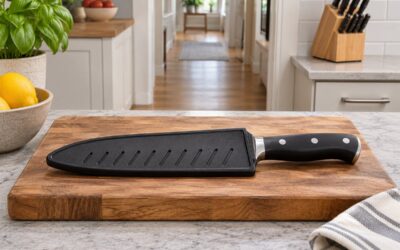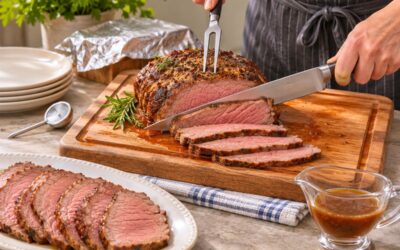
The right blade length depends on the task, the size of your hands and the room you have on your board. Shorter blades give more control for small jobs, while longer blades cut through large items in fewer strokes. Many home cooks do well with a mid-length all-purpose knife and a short knife for detail work.
What Length Does
A longer blade can slice a big cabbage, roast or melon in one pass, but it needs more board space and a confident grip. A shorter blade is nimble for peeling, trimming and cutting small fruit. Length does not change sharpness, though it changes how the knife moves in your hand.
Common Lengths and Uses
| Typical length | Common use | Good for |
|---|---|---|
| About 7 to 10 cm (3 to 4 in) | Paring knife | Peeling, trimming, small fruit |
| About 12 to 15 cm (5 to 6 in) | Utility knife | Sandwiches, herbs, mid-size produce |
| About 18 to 20 cm (7 to 8 in) | Chef’s knife | Smaller hands or compact boards |
| About 20 to 25 cm (8 to 10 in) | Chef’s or slicing knife | General prep, larger items |
These are broad ranges, and makers vary, so check the maker’s size guide.
How to Choose Step by Step
- List the foods you cut most often. Large, firm items favour longer blades; small items favour shorter ones.
- Measure your board. A very long blade needs a board wide enough to turn food without crowding.
- Consider your hand size and strength. Smaller hands may feel more at ease with a shorter chef’s knife.
- Try the grip if possible. Make sure your knuckles clear the board and the knife feels balanced.
- Begin with one all-round knife and add shorter or longer ones if your tasks call for them.
Handling Notes
- A longer blade is not automatically better; control matters most.
- Keep fingers curled away from the edge on any length.
- Store blades in a block, sheath or on a magnetic strip suited to their size.
Follow the maker’s instructions, since no length can promise freedom from cuts.
Matching Length to Board and Space
Blade length should fit your workspace. A compact kitchen with a small board often calls for a shorter blade, since a long edge can overhang or bump into walls. A long counter with a big board has room for a longer knife. Leave a gap between the end of the blade and the board edge, so the tip does not slide off while you cut. Storage matters too: check that a block, drawer or magnetic strip can hold the length you plan to buy.
FAQ
Is an 8-inch chef’s knife the standard?
It is a very common size, but many cooks prefer a shorter or longer one. Comfort should decide.
Do I need more than one length?
Many home kitchens work well with two or three: a chef’s knife, a paring knife and a longer one for bread or slicing.
The Short Version
Match blade length to your tasks, board and hand size. Choose a mid-size knife for general prep and add a short one for fine work.